Understanding the role of eSIM in future telecom
03/06/2026
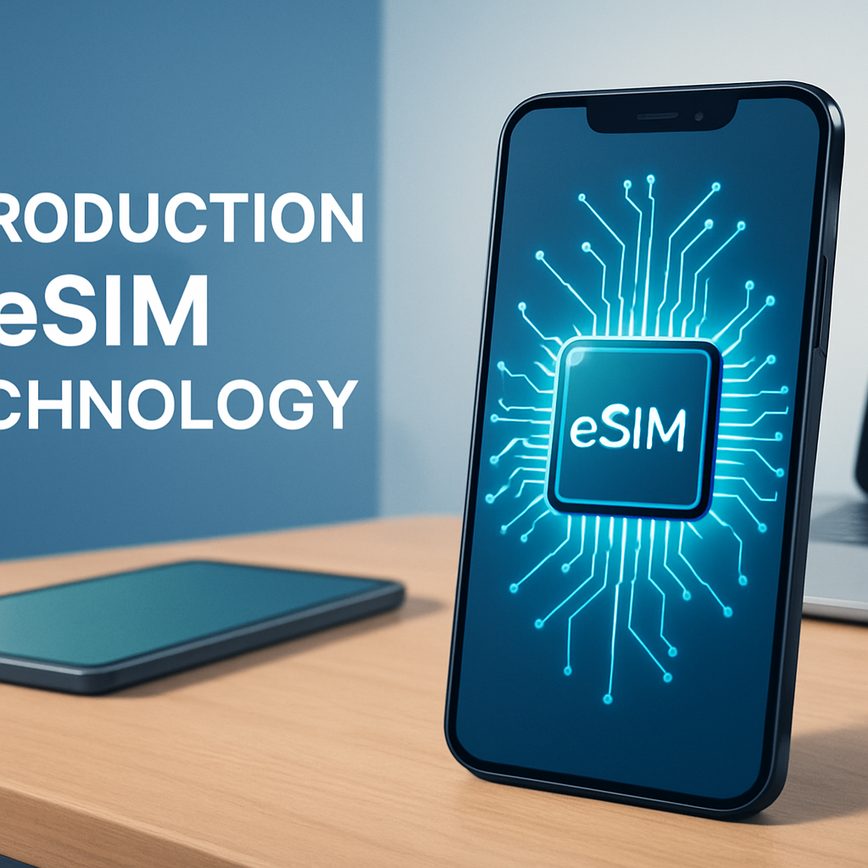
Introduction to eSIM Technology
eSIM technology represents a significant advancement in the telecom industry, offering a modern alternative to traditional physical SIM cards. The term eSIM stands for embedded SIM, also sometimes called digital SIM, reflecting its nature as a programmable and integrated component within devices rather than a removable card. This innovation has been driven by the increasing demand for more flexible, user-friendly, and space-saving connectivity solutions in smartphones, tablets, wearables, and other connected devices.
The concept of eSIM originated to address the limitations of traditional SIM cards, which require physical insertion and replacement between devices. Unlike traditional SIMs that come as plastic cards and must be manually swapped when changing carriers or devices, the eSIM is soldered directly onto the device’s motherboard. This embedded nature allows users to download multiple operator profiles digitally and switch between them without needing to physically change the SIM card. This level of flexibility is a game-changer for telecom innovation, helping users effortlessly manage their mobile connectivity.
Another important difference lies in the management and activation process. Traditional SIMs require you to obtain a new card from the carrier when you want to switch networks or plans, which can be time-consuming and inconvenient. In contrast, eSIM basics include remote provisioning and management, meaning carriers can send profile updates or new subscriptions directly over the air. This capability reduces logistical challenges and improves the customer experience by allowing instant activation or modification of service.
Furthermore, eSIM technology is designed to be more secure than conventional SIM cards. Since the eSIM is embedded within the hardware and cannot be physically removed or manipulated, it offers additional layers of protection against tampering and theft. This digital SIM approach streamlines device manufacturing and supports the growing ecosystem of connected devices, including IoT gadgets, where physical SIM slots may be impractical.
In summary, eSIM marks a pivotal shift in how mobile connectivity is delivered and managed. From its embedded design and remote programmability to enhanced security and user convenience, eSIM technology is setting the foundation for future telecom innovation. As the telecom landscape continues to evolve, understanding the basics of eSIM and its differences from traditional SIM cards is essential for embracing this new era of digital mobility.
How eSIM Works
The eSIM, or embedded SIM, represents a significant shift in telecom technology by integrating SIM functionality directly into devices without the need for physical SIM cards. Unlike traditional SIM cards, the eSIM stores multiple SIM profiles securely within the device. This innovative technology allows users to switch between different carriers or plans without physically changing the SIM card.
At the core of eSIM functionality is remote provisioning, which enables the download and management of SIM profiles over the air. When a user activates an eSIM, a secure connection is established with the telecom operator’s server, allowing the device to download the appropriate SIM profile remotely. This eliminates the need for physical distribution of SIM cards, facilitating seamless and instant activation.
Profile management in eSIMs is flexible and user-friendly, allowing multiple profiles to coexist on a single device. Users can switch between these profiles with ease, making it ideal for travelers or those who use multiple carriers. The telecom operator can also update, delete, or add profiles remotely, ensuring that the user always has the most up-to-date service options.
Overall, the combination of embedded hardware, remote provisioning, and robust SIM profile management underscores the revolutionary nature of eSIM technology in the future of telecommunications, offering unprecedented convenience and efficiency.
Benefits Over Traditional SIM Cards
The advantages of eSIM technology over traditional SIM cards are significant for both consumers and carriers. One of the most notable benefits is the enhanced flexibility eSIMs offer. Unlike physical SIM cards, eSIMs can be programmed and reprogrammed remotely, allowing users to switch carriers or plans without needing to physically swap out a card. This flexibility also means that multiple profiles can exist on a single device, improving device connectivity options for users who travel frequently or manage multiple numbers.
From the user convenience perspective, eSIMs eliminate the hassle of handling tiny SIM cards or visiting stores for physical replacements. This ease of activation and management not only speeds up the process but also supports a more seamless and immediate connection experience. For device manufacturers, the compact nature of eSIM technology enables slimmer and more water-resistant device designs, as there is no need for a physical SIM card slot.
Carriers benefit from the operational efficiencies brought by eSIMs as well. They can remotely provision and manage connections, reducing logistical challenges and costs associated with distributing physical SIM cards. This capability also drives faster subscriber onboarding and the potential for innovative service offerings tailored to user preferences. Overall, the integration of eSIM technology promises to transform device connectivity with a focus on flexibility, user convenience, and streamlined telecom operations.
The Role of eSIM in Future Telecom Networks
The advent of eSIM technology marks a significant milestone in the landscape of future telecom networks. As the telecommunications industry continues to evolve, the impact of eSIMs is becoming increasingly apparent in shaping how networks are developed and operated. Unlike traditional SIM cards, eSIMs are embedded directly into devices, allowing users to switch carriers without the need to physically change the SIM card, thus offering unprecedented flexibility and convenience.
One of the primary ways eSIM technology influences future telecom networks is by enabling a more dynamic and agile network infrastructure. Telecom operators can leverage eSIMs to streamline provisioning processes, reduce operational costs, and quickly adapt to market demands. This flexibility supports the broader trend of network evolution where service customization and rapid deployment are vital components for competitive advantage.
Moreover, the eSIM impact extends to enhancing connectivity options for a wide range of devices beyond smartphones, including wearables, IoT devices, and connected vehicles. This expansion drives a more integrated telecommunication ecosystem where seamless device interaction within networks is crucial. As a result, future telecom networks are expected to be more expansive and interconnected, supporting diverse smart technologies and applications.
eSIMs also facilitate global connectivity without the traditional barriers of regional SIM compatibility, making international roaming simpler and more cost-effective. This capability aligns with key telecommunication trends focusing on globalization and the increasing demand for ubiquitous connectivity. Networks can better manage user profiles and subscriptions remotely, enhancing user experience and operational efficiency.
Finally, the integration of eSIM technology is spurring innovation in network security and management. Future telecom networks can implement advanced authentication and encryption techniques tied to eSIM profiles, strengthening protections against fraud and unauthorized access. This security enhancement is crucial as telecom networks handle larger volumes of sensitive data and support critical communication infrastructure.
In summary, eSIM technology is a pivotal driver in the evolution of future telecom networks, shaping the way they are designed, operated, and experienced. The impact of eSIM promises more flexible, efficient, and secure communication networks that align with emerging telecommunication trends, ultimately enabling a more connected and responsive digital future.
Enhancing Network Flexibility and Management
The adoption of eSIM technology significantly boosts network flexibility by allowing telecom operators to manage subscriptions and devices remotely without the need for physical SIM cards. This remote SIM management capability enables operators to activate, deactivate, or switch profiles dynamically, facilitating seamless user experiences and reducing the operational burden on service providers.
Dynamic provisioning is a key feature of eSIM that supports real-time updates to subscriber information and service plans. Telecom operators can remotely provision devices with new or updated profiles instantly, allowing customers to switch between network plans or carriers effortlessly. This results in a more agile network management structure that can quickly adapt to changing customer needs and market demands.
By leveraging eSIM technology, telecom companies enhance overall telecom efficiency through streamlined processes, reducing errors associated with physical SIM swaps, and minimizing customer downtime. Furthermore, the ability to remotely manage connected devices supports the burgeoning Internet of Things (IoT) ecosystem, allowing operators to maintain and control vast fleets of connected devices with ease.
In summary, eSIM technology empowers telecom operators with enhanced network flexibility, efficient remote SIM management, and dynamic provisioning capabilities, all contributing to improved telecom efficiency and superior service delivery.
Supporting IoT and Connected Devices
eSIM technology plays a pivotal role in advancing IoT connectivity by enabling seamless and flexible management of smart devices across diverse environments. Unlike traditional SIM cards, eSIMs are embedded directly into devices, allowing remote provisioning and activation without the need for physical swapping. This capability is crucial for supporting the rapid expansion of IoT ecosystems, where millions of connected devices—from wearables and smart home gadgets to industrial sensors—require efficient and scalable connectivity solutions.
One of the key advantages of eSIM IoT is its contribution to improved device scalability. Organizations can deploy a large number of smart devices across different locations and manage their network profiles centrally, simplifying logistics and reducing operational costs. Additionally, eSIMs provide enhanced security features and better resilience in harsh or remote conditions, which are common in IoT applications.
By facilitating easier network switching and enabling devices to stay connected without manual intervention, eSIM technology supports the dynamic and evolving requirements of IoT networks. This flexibility ensures that smart devices remain online and functional, fostering the growth of a robust connected ecosystem. As IoT continues to expand into new sectors, eSIM will be essential in delivering reliable, scalable, and secure connectivity tailored to the unique demands of connected smart devices.
Challenges and Considerations with eSIM Adoption
The widespread adoption of eSIM technology is poised to revolutionize the telecom industry, offering numerous benefits such as convenience and improved device connectivity. However, several challenges and considerations must be addressed for eSIM to reach its full potential. These hurdles include significant eSIM challenges related to security concerns, regulatory issues, and barriers to user acceptance.
One of the primary eSIM challenges is ensuring robust security. Unlike traditional SIM cards, eSIMs are software-based, making them vulnerable to cyber threats such as hacking, unauthorized access, and identity theft. The management of eSIM profiles remotely requires stringent encryption and secure communication protocols between devices and mobile network operators. Any laxity in security measures could lead to data breaches and compromise user privacy, which remains a top concern for both consumers and telecom providers.
Regulatory issues also play a crucial role in shaping the trajectory of eSIM adoption. Different countries have varying rules concerning telecommunications infrastructure, data privacy, and consumer rights, which complicates the global standardization and interoperability of eSIM technology. Regulators need to establish clear guidelines for eSIM provisioning, activation, and switching between carriers to foster a competitive yet secure marketplace. Moreover, compliance with local laws like data protection acts poses additional compliance costs for service providers, affecting the pace at which eSIM can be integrated into broader telecom frameworks.
Another significant barrier to eSIM adoption is user acceptance. While tech-savvy consumers may appreciate the benefits of eSIM, many users remain unfamiliar or uncomfortable with the concept of embedded SIMs that cannot be physically swapped. The shift requires educating customers about how eSIM works, its advantages, and addressing misconceptions around control and privacy. Furthermore, many users have developed long-standing habits around physical SIM cards, and changing this behavior will demand targeted marketing and support from operators.
In conclusion, overcoming the eSIM challenges related to security concerns, regulatory hurdles, and adoption barriers is critical for the technology’s success. By addressing these issues collaboratively, telecom operators, regulators, and manufacturers can pave the way for a seamless transition to eSIM-enabled connectivity, unlocking the full benefits of this innovative technology for consumers worldwide.
Security and Privacy Implications
eSIM technology introduces new dimensions to cellular connectivity but also raises critical concerns regarding eSIM security and data privacy. Unlike traditional SIM cards, eSIMs are embedded and programmable remotely, which exposes users to potential security risks such as unauthorized profile downloads, cloning, or manipulation of the eSIM profile. These risks can lead to identity theft, fraudulent usage, or interception of sensitive communications.
Data privacy is another important issue, as eSIM management requires the transfer of personal and device information across networks during remote provisioning and activation. This process, if not properly secured, becomes a target for hackers or malicious actors seeking to exploit user data. Additionally, the centralization of profile management by mobile operators raises questions about how effectively consumer data is protected against breaches or misuse.
To mitigate these concerns, robust authentication mechanisms are essential. Strong cryptographic protocols and mutual authentication between the device, user, and network help ensure that only authorized parties can access or modify the eSIM profiles. End-to-end encryption during data transmission reduces the risk of interception, while regular software updates and security audits reinforce system integrity.
Furthermore, regulatory compliance with data protection laws and transparent policies on data usage bolster user trust. Implementing multi-factor authentication and providing users control over eSIM profiles also enhance security. As eSIM adoption grows, ongoing advancements in security frameworks and privacy-preserving technologies will be vital to addressing emerging threats and safeguarding the future of digital identity and connectivity.
Global Regulatory and Compatibility Issues
The regulatory landscape surrounding eSIM technology is complex and varies significantly across global markets. Different countries enforce distinct eSIM regulations that impact how telecom operators and device manufacturers implement and support eSIMs. This variation makes establishing unified global standards challenging, influencing how quickly and effectively eSIM adoption can scale worldwide. Telecom policies must continuously evolve to address these discrepancies, ensuring consumer protection, privacy, and security standards while fostering innovation.
Device compatibility remains a critical issue, as not all devices support eSIM technology uniformly. Manufacturers must navigate a wide array of technical specifications and regional compliance requirements, which can delay the rollout of eSIM-enabled devices. This fragmentation complicates the ecosystem for both consumers and service providers, who must consider compatibility across a growing number of device models and network infrastructures.
Furthermore, global telecom policies must account for interoperability challenges to facilitate seamless eSIM usage when switching carriers or traveling internationally. The success of eSIM technology hinges on harmonizing regulations and creating robust global standards that support diverse devices while minimizing compatibility barriers. Addressing these issues is essential for unlocking the full potential of eSIMs in the future telecom landscape.

I’m a lifelong traveler who fell in love with the freedom that eSIM technology offers. Exploring new places while staying seamlessly connected has become my personal mission, and I love sharing practical tips on managing mobile data abroad. When I’m not testing the latest eSIM platforms, I’m mapping out the next adventure.