
How eSIM improves work-from-anywhere lifestyles
15/07/2026
Remote work has turned the traditional office into a fluid concept, and the ability to stay connected across borders is no longer optional. Modern professionals rely on mobile data that can follow them from a coffee shop in Berlin to a beachfront villa in Bali, and the eSIM technology sits at the heart of this shift. By embedding the subscriber identity directly into a device’s hardware, eSIM removes the physical card that once anchored a connection to a single carrier. This structural change enables instant profile swaps, on‑demand data packages, and a level of flexibility that matches the nomadic rhythm of today’s workforce. For anyone who balances client calls, video conferences, and cloud‑based collaboration tools while traveling, the eSIM represents a practical foundation for uninterrupted productivity.
Instant profile activation eliminates the waiting game
When a traditional SIM is inserted, the device must negotiate with the network, often requiring a reboot or a waiting period for the carrier to provision the line. An eSIM, in contrast, can download a new carrier profile within minutes through a secure over‑the‑air update. This means a remote worker can land at an airport, choose a local data plan, and be online before unpacking a laptop. The activation process is guided by intuitive apps that present pricing, data limits, and coverage maps, allowing users to compare options without juggling physical cards. Such immediacy reduces downtime, a critical factor when deadlines are measured in hours rather than days.
seamless mobile connectivity is now a core requirement for working across borders.
Aidan Butler, Co-Founder of Simify — smbtech.au
Beyond speed, the ability to store multiple profiles on a single device empowers users to switch carriers with a tap. A freelancer who splits time between the United States and Europe can maintain a U.S. business line for client calls while activating a European profile for local internet access. The eSIM’s digital nature also supports automatic fallback to a backup profile if the primary network experiences congestion, ensuring that voice and data remain reliable during peak usage periods. This layered approach to connectivity mirrors the redundancy strategies traditionally reserved for enterprise networks.
Multi‑profile management streamlines cross‑border work
Carrying several physical SIM cards to cover different regions creates logistical headaches and increases the risk of losing a card at a critical moment. eSIM provides a solution for instant international data access. Users can label each profile, for example, “UK Business” or “Japan Travel”, and toggle between them without removing hardware. The digital catalog also records usage statistics, helping remote workers monitor data consumption across jurisdictions and avoid unexpected overage fees. By centralizing control, eSIM reduces the mental load associated with planning connectivity for each destination.
Enterprise IT departments benefit from the same simplicity when provisioning devices for distributed teams. Centralized dashboards allow administrators to assign specific data bundles to employee devices, enforce security policies, and revoke access remotely if a device is lost. This level of oversight aligns with corporate compliance requirements while preserving the employee’s freedom to work wherever an internet connection is available. The result is a harmonious balance between corporate governance and the autonomy that remote work demands.
Cost efficiency through flexible data bundles
Traditional roaming charges often inflate a monthly bill, especially when a worker hops between countries with varying tariffs. eSIM providers now offer pay‑as‑you‑go and tiered data packages that adapt to real‑time usage patterns. A digital nomad who streams high‑definition video for a client presentation in Singapore can select a short‑term high‑speed bundle, then revert to a low‑cost plan once the meeting ends. This granularity prevents the blanket fees that once made cross‑border work financially untenable.
on Techquickie they explain eSIM technology, you can watch it right here

Bulk purchasing options further enhance affordability for teams. Companies can negotiate regional data pools that allocate megabytes across multiple devices, reducing the per‑gigabyte cost compared to individual contracts. Because the eSIM can switch between carriers, the system automatically selects the most economical network available, drawing on competition among local operators. This dynamic pricing model translates into tangible savings that can be redirected toward other business needs, such as software licenses or training.
Reliable connectivity in variable network environments
Remote professionals often encounter fluctuating signal strength, whether in a bustling city center or a remote mountain lodge. eSIM technology mitigates this challenge by supporting multi‑network compatibility within a single device. When one carrier’s signal degrades, the eSIM can seamlessly transition to another provider that offers stronger coverage, all without user intervention. This automatic network selection is especially valuable during video calls, where a sudden drop in bandwidth can disrupt communication and erode client confidence.
Advanced eSIM implementations also integrate with emerging 5G deployments, granting access to higher data rates and lower latency. For workers who rely on cloud‑based design tools or real‑time data analytics, the combination of 5G speeds and the eSIM’s adaptive routing ensures that large files transfer quickly and that interactive sessions remain smooth. The technology’s ability to negotiate the best available connection in real time creates an environment where productivity is less dependent on geographic limitations.
Security and privacy safeguards for sensitive work data
Embedding the subscriber identity in hardware reduces the attack surface associated with removable SIM cards, which can be physically swapped or cloned. eSIM profiles are encrypted and stored in a secure element, making unauthorized extraction significantly more difficult. For remote workers handling confidential client information, this hardware‑level protection adds a layer of confidence that traditional SIMs cannot match.
eSIM platforms often provide international coverage features. If a laptop or smartphone is misplaced, the associated eSIM can be disabled instantly, cutting off any potential data leakage. Companies can enforce strong authentication methods, such as biometric verification, before a profile becomes active, ensuring that only the intended user can access the network. These security features align with industry standards for data protection and support compliance with regulations like GDPR and HIPAA.
Integration with wearables and IoT expands the work‑from‑anywhere toolkit
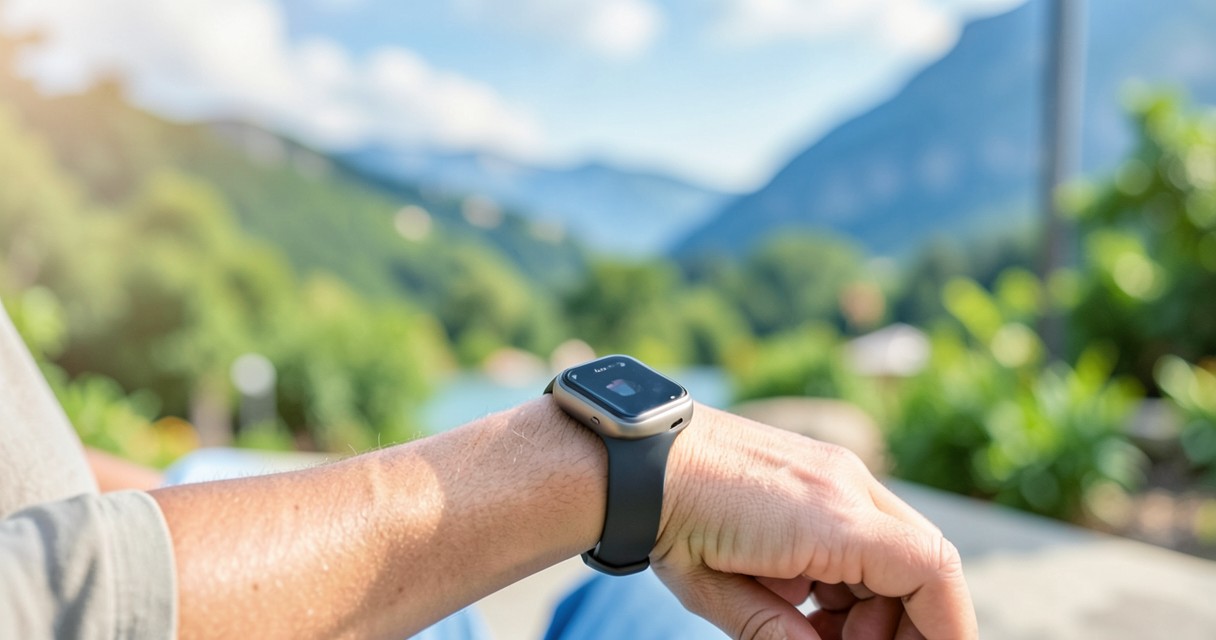
Beyond smartphones and laptops, eSIM is now standard in many wearables, smart watches, and connected devices that remote workers use for health monitoring or quick notifications. A smartwatch equipped with an eSIM can receive calls and messages even when the primary phone battery is low, keeping the professional reachable at all times. This redundancy is particularly useful for field technicians who need to stay in touch while their main device is engaged in data‑intensive tasks.
IoT devices such as portable routers, environmental sensors, and asset trackers also benefit from eSIM’s remote provisioning. A traveling consultant can deploy a pocket‑size hotspot that automatically selects the optimal carrier in each country, providing a stable Wi‑Fi environment for multiple devices. The ability to manage these connections through a single dashboard simplifies the logistics of maintaining a mobile office, turning a collection of gadgets into a cohesive, always‑online ecosystem.
Managing roaming compliance and tax considerations
Cross‑border data usage can trigger complex tax obligations, especially when services are billed in multiple jurisdictions. eSIM providers often supply detailed usage reports that break down data consumption by country, enabling remote workers and their employers to allocate expenses accurately. These reports assist finance teams in applying the correct tax rates and ensuring that corporate travel policies are adhered to.
Furthermore, the ability to pre‑select carrier profiles that comply with local regulations reduces the risk of accidental violations. Some regions require data to be stored within national borders, and eSIM can be programmed to route traffic through compliant networks only. By embedding regulatory awareness into the connectivity layer, eSIM helps businesses navigate the legal landscape of global remote work without sacrificing the flexibility that modern professionals demand.

I’m a lifelong traveler who fell in love with the freedom that eSIM technology offers. Exploring new places while staying seamlessly connected has become my personal mission, and I love sharing practical tips on managing mobile data abroad. When I’m not testing the latest eSIM platforms, I’m mapping out the next adventure.