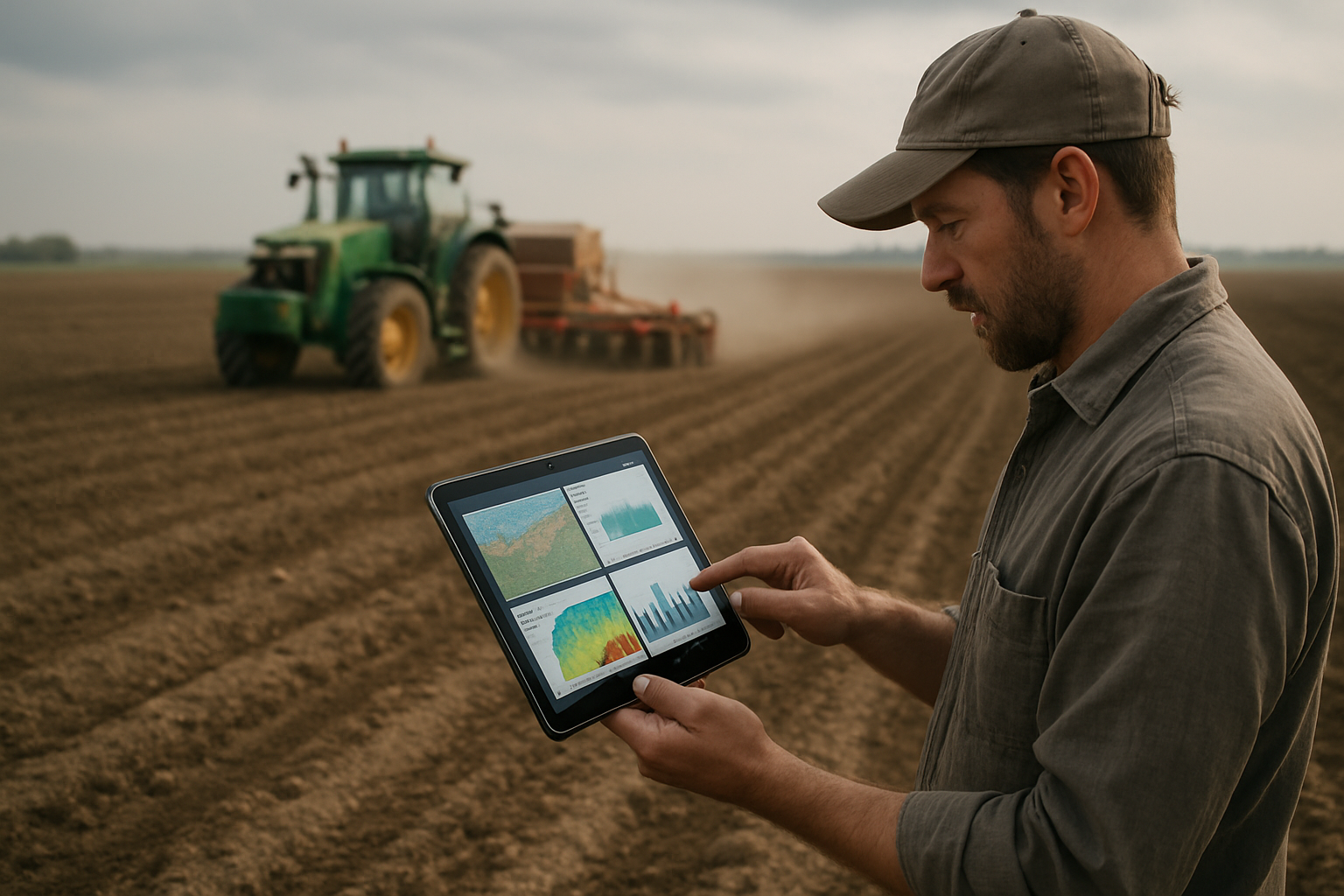
How digital connectivity supports precision farming and more efficient fertilizer use
26/08/2026
Digital connectivity is revolutionizing the agricultural landscape, paving the way for precision farming and enhanced fertilizer use efficiency, digital farming and agricultural technology. As farmers increasingly adopt digital farming practices, they leverage agricultural technology to optimize crop yields while minimizing resource wastage. This transformation is especially pronounced in rural areas, where improved rural connectivity facilitates access to essential data for informed decision-making. This article explores the practical steps that farmers can take to harness digital connectivity for precision agriculture, focusing on smart farming, farm data, crop monitoring, and sustainable agriculture.
Understanding Digital Connectivity in Agriculture
Digital connectivity in agriculture refers to the ability of farmers to access and share data through various digital platforms and devices. This connectivity is crucial for implementing precision agriculture techniques, which rely on accurate data to inform farming decisions. The integration of mobile connectivity into farming practices allows farmers to monitor crop health, soil conditions, and weather patterns in real-time. By utilizing agricultural innovation, farmers can adopt smart farming practices that enhance productivity and sustainability.
With the rise of Internet of Things (IoT) devices, farmers can collect vast amounts of farm data that provide insights into their operations. These insights enable them to make data-driven decisions regarding nutrient management, irrigation, and pest control. The use of sensors, drones, and satellite imagery in crop monitoring ensures that farmers have a comprehensive understanding of their fields, leading to improved fertilizer efficiency and reduced environmental impact.
Moreover, rural connectivity plays a significant role in bridging the digital divide in agriculture. Many rural areas still struggle with inadequate internet access, which can hinder the adoption of precision agriculture technologies. By investing in better connectivity infrastructure, stakeholders can empower farmers to utilize digital tools effectively, promoting sustainable agriculture practices that benefit both the economy and the environment.
Implementing Precision Agriculture Techniques
Precision agriculture techniques are designed to optimize field-level management regarding crop farming. By utilizing farm data, farmers can tailor their practices to meet the specific needs of their crops. One of the key components of precision agriculture is the application of variable rate technology (VRT), which allows for the precise application of fertilizers based on soil nutrient levels and crop requirements. This targeted approach minimizes waste and enhances fertilizer efficiency.
Farmers can begin implementing precision agriculture by conducting soil tests to determine nutrient availability. Once the data is collected, farmers can use it to create prescription maps that guide the application of fertilizers. These maps ensure that nutrients are applied where they are needed most, reducing the risk of over-fertilization and potential runoff into nearby water sources, which can lead to environmental degradation.
In addition to soil testing, crop monitoring is essential for successful precision agriculture. Farmers can use drones equipped with multispectral cameras to assess plant health and identify areas that may require additional nutrients. By integrating crop monitoring data with VRT, farmers can further enhance their fertilizer application strategies, ensuring that each field receives the appropriate amount of nutrients at the right time.
Leveraging Farm Data for Nutrient Management
Farm data is a critical asset in modern agriculture, providing insights that can drive better nutrient management practices. By collecting and analyzing data from various sources, including soil sensors, weather stations, and yield monitors, farmers can gain a deeper understanding of their operations. This data-driven approach allows for more informed decisions regarding fertilizer use, leading to improved crop yields and reduced environmental impact.
To effectively leverage farm data, farmers should invest in data management systems that can integrate information from multiple sources. These systems can provide real-time analytics, allowing farmers to monitor their fields continuously. By understanding how different factors, such as soil moisture and temperature, affect crop growth, farmers can adjust their nutrient management strategies accordingly.
Moreover, the use of predictive analytics can enhance nutrient management by forecasting crop nutrient needs based on historical data and current conditions. This proactive approach enables farmers to plan their fertilizer applications more effectively, ensuring that crops receive the necessary nutrients during critical growth stages. By optimizing fertilizer efficiency, farmers can achieve higher yields while minimizing their environmental footprint.
Smart Farming Practices for Enhanced Efficiency
Smart farming encompasses a range of technologies and practices that enhance agricultural productivity and sustainability. By adopting smart farming techniques, farmers can streamline their operations and make more efficient use of resources. Technologies such as automated irrigation systems, precision planting equipment, and real-time monitoring tools are integral to this approach.
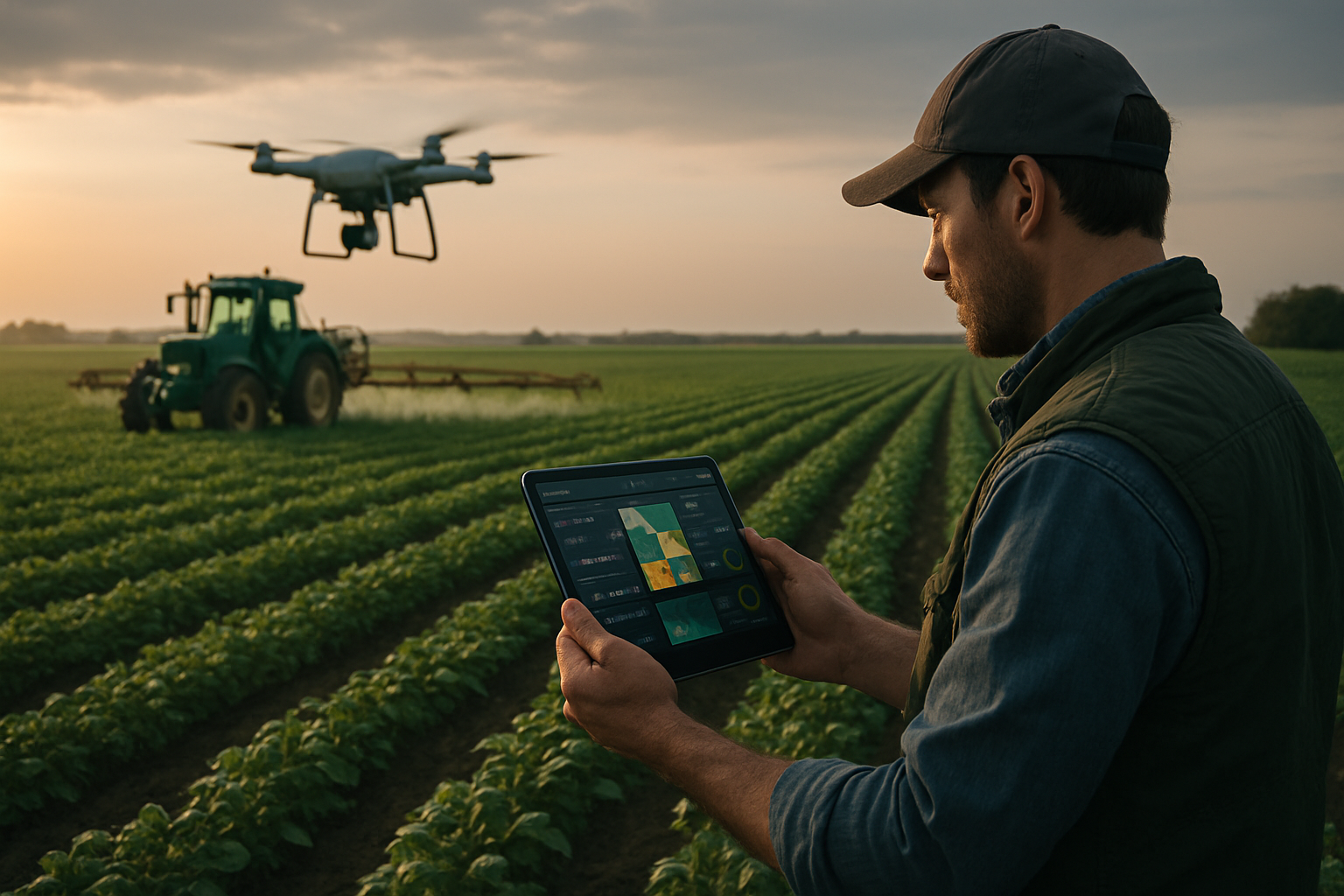
Automated irrigation systems, for instance, allow farmers to optimize water usage by delivering precise amounts of water based on soil moisture levels. This not only improves crop health but also reduces water waste, contributing to sustainable agriculture. Coupled with nutrient management strategies, smart irrigation can significantly enhance overall farm productivity.
Additionally, the integration of machine learning and artificial intelligence in smart farming enables farmers to analyze vast amounts of data quickly. These technologies can identify patterns and trends that may not be immediately apparent, allowing for more informed decision-making. By harnessing the power of smart farming, farmers can achieve greater efficiency and productivity while minimizing their reliance on chemical inputs.
Enhancing Fertilizer Efficiency through Technology
Fertilizer efficiency is a critical aspect of sustainable agriculture, as it directly impacts crop yields and environmental health. Digital connectivity and agricultural technology play a pivotal role in enhancing fertilizer efficiency by enabling precise application and monitoring of nutrients. Technologies such as GPS-guided equipment and remote sensing tools allow farmers to apply fertilizers accurately, reducing waste and runoff.
One effective method for improving fertilizer efficiency is through the use of precision application equipment. These machines can adjust the amount of fertilizer applied based on real-time data, ensuring that nutrients are delivered exactly where needed. This not only maximizes crop uptake but also minimizes the risk of over-application, which can lead to environmental harm.
Moreover, the adoption of slow-release fertilizers and enhanced efficiency fertilizers (EEFs) can further improve nutrient management. These products are designed to release nutrients gradually, matching the crop’s needs throughout the growing season. By using these advanced fertilizers in conjunction with precision application techniques, farmers can enhance fertilizer efficiency and promote sustainable agricultural practices.
The Role of Crop Monitoring in Precision Farming
Crop monitoring is essential for effective precision farming, as it provides farmers with real-time insights into their fields. By utilizing technology such as remote sensing, drones, and satellite imagery, farmers can assess crop health, identify nutrient deficiencies, and monitor growth patterns. This information is invaluable for making timely decisions regarding fertilizer applications and other management practices.
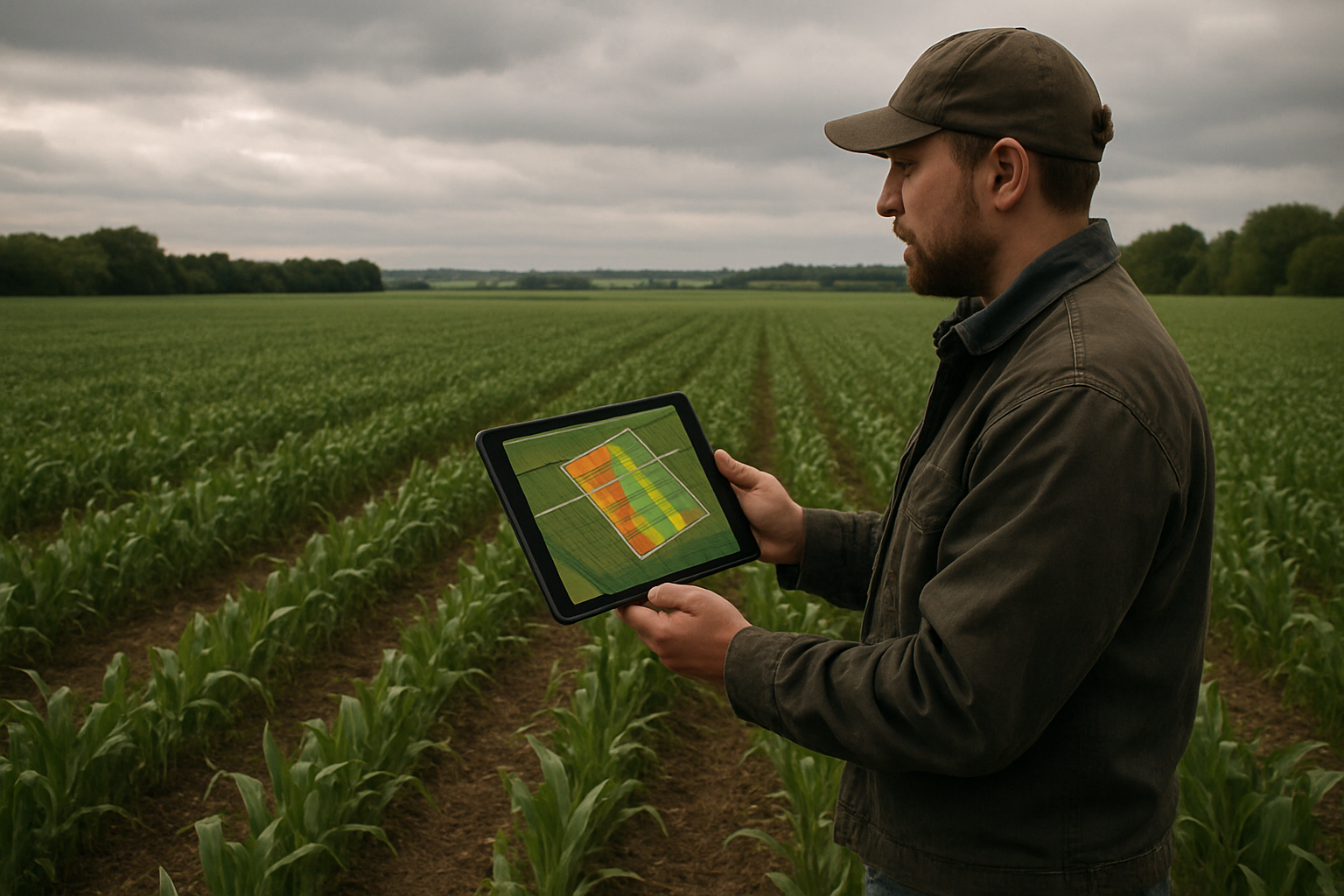
For instance, multispectral imaging can reveal variations in plant health that may not be visible to the naked eye. By analyzing this data, farmers can pinpoint areas of their fields that require additional nutrients or other interventions. This targeted approach not only improves crop performance but also enhances overall fertilizer efficiency.
Furthermore, crop monitoring can help farmers track the effectiveness of their nutrient management strategies over time. By comparing yield data with fertilizer application records, farmers can identify which practices yield the best results. This ongoing analysis allows for continuous improvement in farming practices, ultimately leading to more sustainable agriculture.
Overcoming Challenges in Digital Farming Adoption
Despite the numerous benefits of digital farming and precision agriculture, many farmers face challenges in adopting these technologies. One significant barrier is the lack of rural connectivity, which can limit access to essential data and tools. To overcome this challenge, stakeholders must invest in improving internet infrastructure in rural areas, ensuring that farmers can benefit from digital farming practices.
Another challenge is the high cost of implementing agricultural technology. While many digital tools offer long-term savings and efficiency gains, the initial investment can be prohibitive for some farmers. To address this issue, financial assistance programs and incentives can encourage farmers to adopt precision agriculture technologies, making them more accessible to a broader audience.
Additionally, educating farmers about the potential benefits of digital farming is crucial for fostering adoption. Training programs that demonstrate how to use digital tools effectively can empower farmers to harness technology for better nutrient management and crop monitoring. By addressing these challenges, the agricultural sector can fully realize the potential of digital connectivity and precision farming.
Future Trends in Digital Farming and Agricultural Technology
The future of digital farming and agricultural technology is promising, with several trends poised to shape the industry. One significant trend is the increasing use of artificial intelligence and machine learning in farming practices. These technologies can analyze vast amounts of farm data, providing farmers with actionable insights that enhance productivity and sustainability.
Another emerging trend is the integration of blockchain technology in agricultural supply chains. By providing a transparent and secure way to track the movement of products from farm to consumer, blockchain can enhance food safety and quality. This level of transparency can also encourage sustainable practices by holding farmers accountable for their environmental impact.
Moreover, the focus on sustainable agriculture will continue to drive innovation in digital farming. As consumers demand more environmentally friendly practices, farmers will need to adopt technologies that minimize their ecological footprint. This shift toward sustainability will likely lead to further advancements in precision agriculture, nutrient management, and crop monitoring, ultimately benefiting both farmers and the environment.

I’m a lifelong traveler who fell in love with the freedom that eSIM technology offers. Exploring new places while staying seamlessly connected has become my personal mission, and I love sharing practical tips on managing mobile data abroad. When I’m not testing the latest eSIM platforms, I’m mapping out the next adventure.