How eSIM helps frequent travelers
16/12/2025
Understanding eSIM Technology
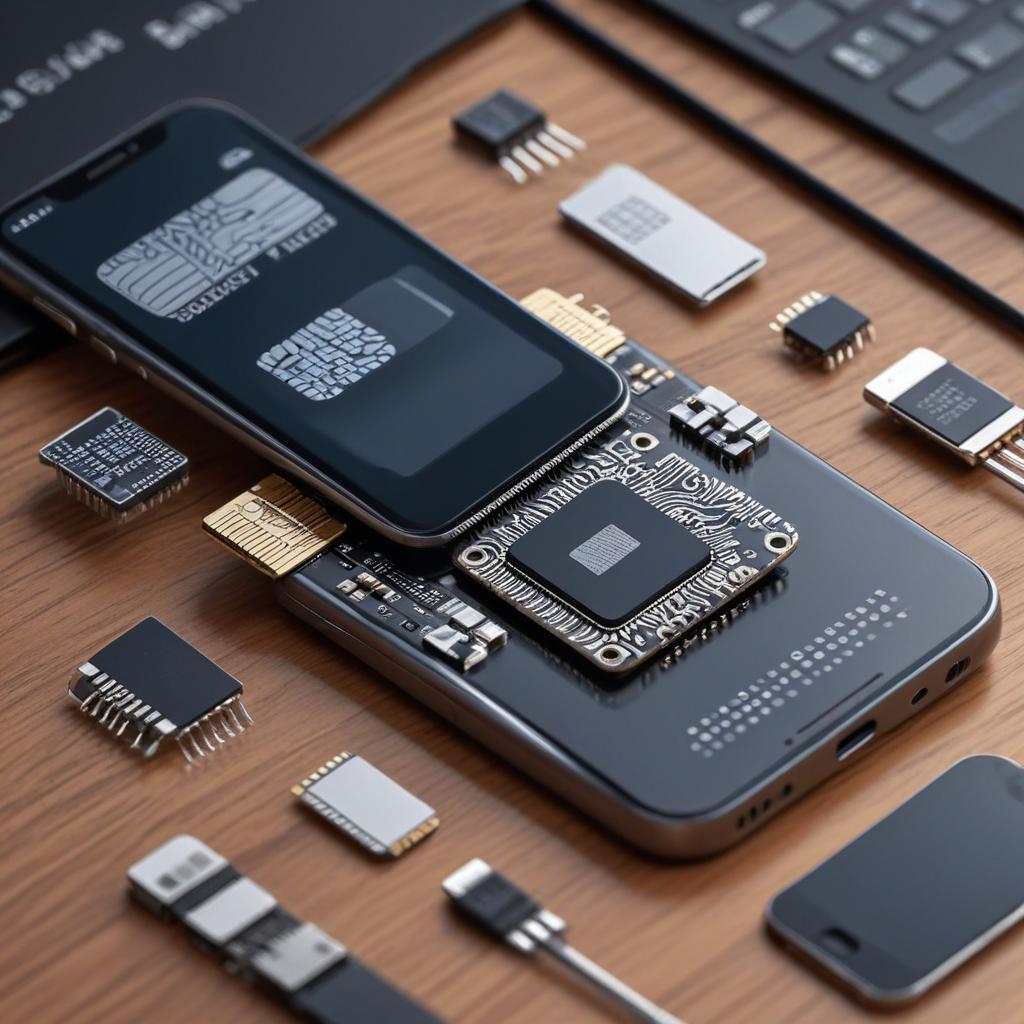
eSIM, which stands for embedded SIM, represents a revolutionary step forward in mobile connectivity, changing how devices link to cellular networks. Unlike conventional SIM cards that are physical components requiring users to insert and switch out, the eSIM is a digital SIM integrated directly into a device’s hardware. This technology enables users to activate cellular plans without the hassle of physically replacing SIM cards, providing unmatched convenience and flexibility.
The essence of eSIM technology is its capacity to hold numerous profiles at once. Each profile is linked to a distinct cellular plan or provider, allowing users, particularly those who travel often, to change networks swiftly and effortlessly without the inconvenience of buying and replacing physical SIM cards. This digital SIM solution functions via a remote provisioning system, which securely downloads the eSIM profile to the device wirelessly from the carrier. This removes the necessity for the physical delivery and setup of SIM cards, simplifying the experience for both users and mobile network providers.
At its core, an eSIM is made up of a compact secure chip integrated into the device’s hardware, adhering to guidelines established by the GSMA (Global System for Mobile Communications Association). This chip safely retains the subscriber’s identity and authentication credentials. The management software for the digital SIM facilitates profile downloads, activations, and transitions, allowing for effortless connectivity management directly via the device’s interface, typically found in the settings menu of smartphones, tablets, or smartwatches.
The advantages of eSIM technology over traditional SIM cards are considerable. For those who travel, it eliminates the need to purchase new physical SIM cards in each country or depend on costly roaming options. Travelers can easily download a local carrier’s profile as needed without removing their device. Additionally, eSIM technology allows for multiple profiles, enabling users to keep both personal and business numbers on one device at the same time, a capability that is challenging to manage with just one physical SIM.
Further benefits consist of improved security because the eSIM is integrated into the device, significantly lowering the chances of theft or interference that physical SIM cards encounter. It also enables manufacturers to create thinner, more streamlined devices by removing the requirement for SIM card slots. In summary, eSIM technology offers a contemporary, effective approach to mobile connectivity, giving users—particularly those who travel often—enhanced freedom, flexibility, and management of their cellular plans.
How eSIM Differs From Physical SIM Cards
The key distinctions between a physical SIM and an eSIM are found in their structure, versatility, and how they are activated. A physical SIM is a detachable card that needs to be placed into a device, while an eSIM is integrated directly into the device’s hardware. This essential difference paves the way for numerous benefits and differences in the operation of these SIM types.
When it comes to flexibility, eSIMs provide considerable advantages compared to traditional SIM cards. Since an eSIM is programmable, travelers can easily change carriers or plans without having to physically take out and replace a card. This allows for simple and smooth management of various cellular profiles. In contrast, traditional SIM cards necessitate manual swapping whenever a user wishes to switch networks, which can be cumbersome and time-consuming, particularly for those who travel often.
Convenience plays a significant role in showcasing the distinctions of eSIM technology. The activation of an eSIM is generally achieved by scanning a QR code or navigating through the device settings, which removes the necessity of going to a store or waiting for a SIM card to arrive. In contrast, activating a physical SIM often requires inserting the card and completing various carrier-specific activation procedures that can differ in difficulty. The eSIM activation can be handled remotely, enabling users to join a network nearly right away.
In summary, the SIM comparison distinctly illustrates that eSIMs offer greater flexibility, improved convenience, and more straightforward activation than conventional physical SIM cards. This positions eSIM as a more appealing option, particularly for individuals who travel often and need effective connectivity options.
Compatibility and Device Support
Grasping device support is essential for avid travelers looking to maximize the benefits of eSIM technology. A variety of popular devices now feature integrated eSIM capabilities, enabling users to easily switch among different carriers without needing to change physical SIM cards. Nonetheless, compatibility can differ based on the specific device model and the carrier’s eSIM support.
Here are some widely recognized compatible devices that feature eSIM phones and offer seamless usage for travelers:
- Apple iPhone Series: iPhone XS, XR, 11, 12, 13, 14, and newer models have reliable eSIM support, making them a favorite choice for those on the go.
- Google Pixel Phones: Pixel 3 and newer Pixel models include eSIM technology, providing flexibility for international travel.
- Samsung Galaxy Devices: Certain models like Galaxy S20, S21, S22, and Z Fold series support eSIM, blending high functionality with multi-network support.
- Microsoft Surface Duo: This dual-screen device also supports eSIM, catering to business travelers needing efficient connectivity.
- Other Notable Devices: Various smartwatches from Apple and Samsung come equipped with eSIM options, useful for those wanting connectivity beyond their smartphones.
Travelers need to confirm that their devices and local carriers are eSIM-compatible. Although many devices can technically use eSIM, some carriers may restrict activation or features in specific locations. It’s advisable to review carrier policies and software updates to guarantee optimal performance. Utilizing eSIM-enabled phones can significantly ease the handling of various numbers and data plans while traveling internationally, enhancing the overall travel experience.
Benefits of eSIM for Frequent Travelers
eSIM technology brings a host of advantages for those who travel often, making it an essential resource for regular flyers. In contrast to conventional SIM cards, eSIMs are integrated directly into your device, enabling you to change carriers and plans digitally without the need to swap out physical cards. This innovation is particularly useful for international roaming, ensuring smooth connectivity no matter where you are.
A major benefit of eSIM is the potential for cost savings. When traveling with a standard SIM card, individuals frequently encounter steep charges for data and calls while overseas. eSIM technology allows for the straightforward acquisition of local plans from various carriers at affordable prices, which removes roaming fees and lowers overall communication costs. This adaptability provides regular travelers with an economical way to access data and voice services globally.
The simplicity of use is another significant advantage that improves the travel experience. You don’t need to go to a store or wait for a physical SIM to be delivered to activate an eSIM. Instead, you can quickly download and activate an eSIM profile directly through your device’s settings or a carrier’s app. This ease is ideal for travelers seeking immediate connectivity as soon as they arrive in a new country. Furthermore, being able to manage several eSIM profiles on one device allows you to switch between networks with just a few taps, making communication across borders effortless.
Reliable connectivity is essential for those who travel often, and eSIM technology shines in this respect. Unlike a traditional SIM, which can face network restrictions when you cross borders, eSIM enables automatic transitions to compatible local carriers, keeping you connected seamlessly. This feature enhances your ability to access navigation, communication, and emergency services, regardless of your location. Additionally, eSIM eliminates the need for multiple SIM cards and the concern of misplacing them, resulting in a more secure and dependable connectivity experience.
To sum up, eSIM technology transforms international roaming by providing significant advantages for travelers, including reduced costs, user-friendly access, and uninterrupted connectivity. Regular travelers can maintain global connections without the typical hassles and costs linked to traditional SIM cards. Adopting eSIM not only streamlines communication while traveling but also improves the overall journey, enabling adventurers to discover the world with ease and assurance.
Cost Efficiency and Avoiding Roaming Charges
For those who travel often, handling mobile costs can be quite difficult because of the steep roaming fees set by their home service providers. eSIM technology greatly eases this issue by enabling users to effortlessly connect with local carriers, eliminating the need for physical SIM cards. This adaptability leads to considerable savings, as travelers can choose data plans tailored to their specific destinations, frequently available at significantly reduced rates compared to regular roaming charges.
Using a device that supports eSIM technology allows users to explore and activate local data plans for travel right from their smartphones, providing a modern alternative to high international roaming fees. This approach removes the guesswork and variability associated with roaming costs, empowering travelers to manage their mobile expenses effectively. Rather than being tied to costly international contracts with their home service provider, users can easily change profiles to connect with a local carrier that provides budget-friendly rates tailored for tourists.
Additionally, the ease of toggling between various eSIM profiles allows frequent travelers to maintain a constant connection during their trips, free from disruptions or surprise fees. By providing straightforward access to local networks and affordable travel data options, eSIM technology enables users to experience dependable connectivity worldwide while managing their telecommunications expenses effectively. This smooth switching process is a significant benefit for budget-minded travelers aiming to steer clear of roaming fees and enhance their savings on international mobile usage.
Convenience of Switching Networks Instantly
A key benefit of eSIM technology for those who travel often is the ability to switch networks effortlessly without having to change out physical SIM cards. In the past, moving to a local carrier in a different country required buying a new SIM card and manually replacing the old one, a process that could be tedious and error-prone. With eSIM, users can take advantage of immediate activation, removing these complications entirely.
With the advantage of multi-carrier support, eSIMs enable travelers to keep several operator profiles on one device. This feature allows you to effortlessly switch between carriers based on your location or particular connectivity requirements. Whether you are moving to a different city, traveling across borders, or seeking improved network coverage, eSIMs give you the flexibility to activate a new plan with just a few taps, all while keeping your primary SIM in place.
Immediate activation keeps you connected without any waiting, which is essential when you depend on data for navigation, communication, or work. Rather than hunting for local SIM cards or going to carrier outlets, you can adjust your mobile network settings straight from your phone’s interface. This convenience not only improves your travel experience but also minimizes the risk of misplacing your original SIM card or encountering compatibility problems.
In the end, the convenience of switching networks with eSIM technology leads to enhanced connectivity and hassle-free travel experiences. You have the flexibility to select the ideal carrier whenever needed, tailor your mobile data plans to fit your travel schedule, and benefit from seamless service wherever your journey takes you.
Enhanced Connectivity and Coverage
For those who travel often, ensuring stable and dependable connectivity while moving between locations can be quite difficult. This is where eSIM technology shines, providing unparalleled global reach and connectivity advantages that conventional SIM cards often fail to deliver. With eSIM, travelers enjoy seamless access to their network without the inconvenience of changing physical SIM cards or looking for local providers once they arrive.
eSIMs enable the use of several carrier profiles, giving users the flexibility to choose the optimal network coverage in every country they explore. This feature allows for quick transitions between service providers in just a few minutes, guaranteeing uninterrupted mobile data and voice services. With access to a wide array of networks globally, travelers enjoy improved international coverage that keeps them linked no matter where their adventures lead them.
Additionally, devices that support eSIM technology make it easier to handle various phone plans designed for particular areas or nations. Users are no longer required to go to local shops or airports to purchase SIM cards; they can instead download and activate new plans online. This immediate availability of travel network access, along with dependable connectivity advantages such as consistent data speeds and better call quality, significantly improves the overall experience of traveling.
In conclusion, eSIM technology enhances the experience of frequent travelers by offering reliable network access and extensive global coverage. It removes numerous conventional barriers associated with mobile connectivity overseas, allowing travelers to maintain efficient communication no matter where they are in the world.
Practical Tips for Using eSIM While Traveling
Establishing and overseeing eSIM accounts while on the go might appear intimidating initially, but with proper planning and understanding, it turns into a practical and adaptable option. Below are some key travel tips to enhance your eSIM experience.
Before you embark on your journey, take the time to explore and evaluate eSIM providers that deliver service in the countries you plan to visit. Well-known providers typically provide comprehensive activation instructions and attractive pricing, so check for user feedback and network compatibility to identify the top choices. It’s essential to select a provider that offers reliable customer support in case you face any challenges while overseas.
Next, get to know the eSIM setup procedure on your device. Many contemporary smartphones enable you to add an eSIM profile by either scanning a QR code or inputting an activation code. Ensure your device is unlocked and supports the eSIM service. To prevent any disruptions, finalize the activation before departing your home country, ensuring that your eSIM functions correctly and allowing you to resolve any issues beforehand.
When choosing eSIM plans, think about how much data you anticipate using and how long you will be there. Certain eSIM providers feature regional or multi-country options that can help you save money and eliminate the inconvenience of frequently changing profiles. Be sure to pay attention to any expiration dates or restrictions on data roaming so that your connection stays uninterrupted during your travels.
Handling your eSIM profiles while traveling is straightforward but needs a bit of care. Access your device’s settings to track data usage, toggle between profiles, or turn off one when it’s not being used. Keeping your home carrier active for emergency calls is advisable while utilizing a local eSIM for data and local calls. This arrangement allows you to remain accessible through your usual number while taking advantage of local pricing.
In case you experience connectivity problems, a simple troubleshooting method is to switch airplane mode on and off or reboot your device. Verify that the eSIM profile remains active and that the cellular plan is properly chosen. If the issues continue, reach out to your eSIM provider’s customer support or refer to their online activation instructions. Moreover, certain networks may require specific APN settings that could need to be updated manually.
Ultimately, it’s essential to have a backup strategy. Save any required QR codes or activation information prior to your trip to guarantee that you can set up or activate your eSIM even without internet connectivity. By adhering to these practical suggestions for eSIM installation and handling, you can experience dependable connectivity and fully leverage the advantages of your eSIM technology wherever your journeys lead you.
Choosing the Right eSIM Provider for Your Trip
As you choose from different eSIM providers for your journeys, it’s important to consider multiple factors to guarantee uninterrupted connectivity. Start by examining the coverage that each provider has for your destination countries. The top eSIM plans provide broad and dependable network access, allowing you to sidestep connectivity issues while traveling.
Cost is a vital factor to evaluate. Assess data plans and pricing from various providers, paying attention to not just the initial cost but also to data caps, international roaming fees, and any extra expenses. There are travel data alternatives like pay-as-you-go options, as well as set data packages—select the option that best fits your travel habits and data requirements.
User experience can differ significantly. Seek out providers that offer simple installation methods, user-friendly mobile applications, and attentive customer service. Favorable user feedback frequently emphasizes how easy it is to set up and handle the eSIM, which can be crucial, particularly if you face challenges while traveling internationally.
In the end, the ideal eSIM provider offers excellent coverage, attractive pricing, and a seamless user experience customized for the destinations you’ll explore. By thoroughly assessing these factors, you can make an informed decision about the top eSIM plans and travel data solutions to ensure you stay connected effortlessly and without any unexpected issues.
Activating and Managing eSIM Profiles on Devices
Enabling an eSIM and handling various plans on your device is simple once you grasp the activation steps and learn to maneuver through device settings. Here are detailed instructions for popular devices, making it easy for you to transition between plans effortlessly while traveling.
- iPhone: Go to Settings > Cellular > Add Cellular Plan. Scan the QR code provided by your carrier or enter the details manually to start the activation process.
- Android (Samsung): Navigate to Settings > Connections > SIM Card Manager > Add Mobile Plan. Use the carrier’s QR code or enter the activation info to add your eSIM profile.
- Google Pixel: Open Settings > Network & Internet > Mobile Network > Add Carrier. Scan the QR code or input activation details to complete the setup.
- Switching Between Plans: On your device, access Cellular or SIM manager settings to view active eSIM profiles. Select the desired plan and set it as primary for data, calls, and messaging, depending on your needs while traveling.
- Managing eSIM: You can keep multiple eSIM profiles stored but only activate one at a time for service. Make sure to label each profile clearly in your device settings to avoid confusion when switching.
By adhering to these guidelines, you will streamline the activation process and enable effective management of your eSIM profiles, ensuring seamless connectivity while traveling.

I’m a lifelong traveler who fell in love with the freedom that eSIM technology offers. Exploring new places while staying seamlessly connected has become my personal mission, and I love sharing practical tips on managing mobile data abroad. When I’m not testing the latest eSIM platforms, I’m mapping out the next adventure.