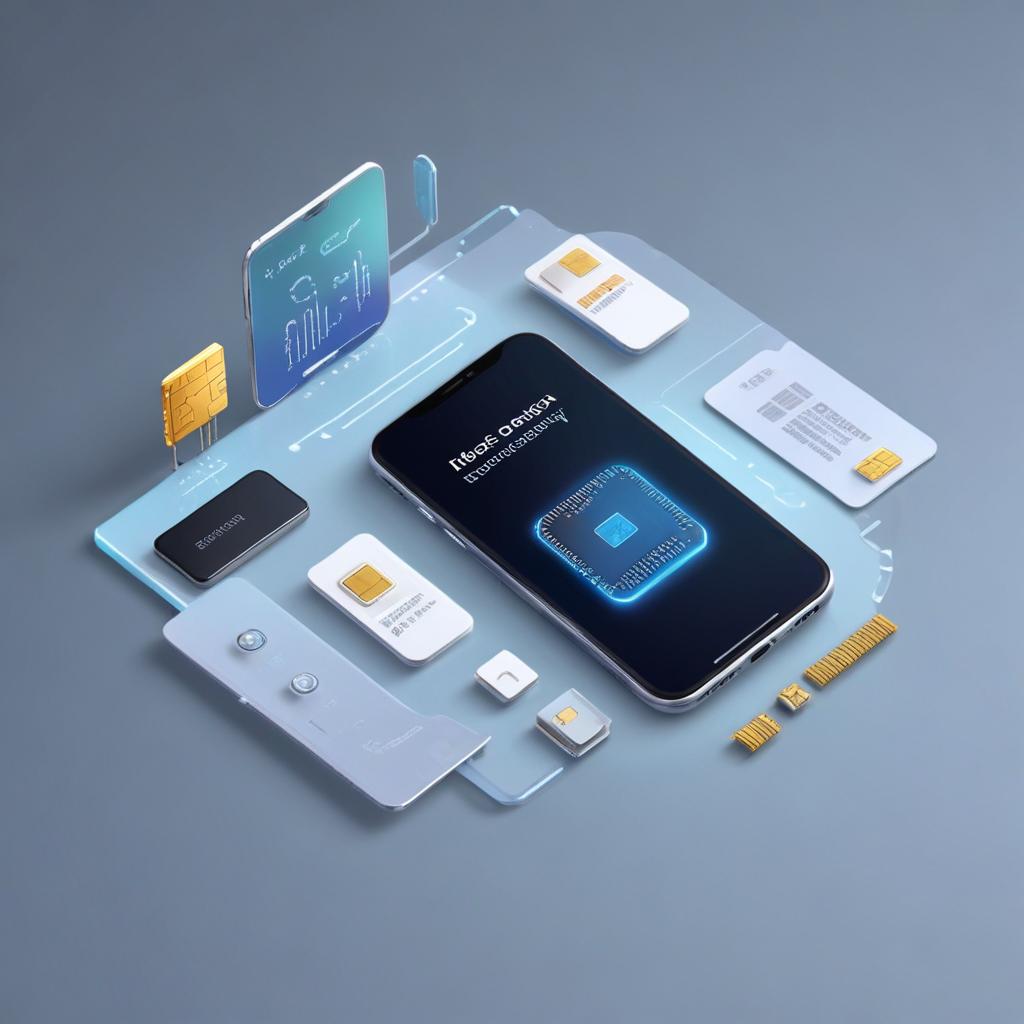
How eSIM helps reduce plastic waste
27/02/2026
Introduction to eSIM Technology
eSIM technology, also known as embedded SIM or digital SIM, represents a significant advancement in mobile connectivity. Unlike traditional SIM cards that are physical cards inserted into mobile devices, an eSIM is embedded directly into the device’s hardware. This embedded nature eliminates the need for a removable SIM card, enabling a more streamlined design and enhanced durability for smartphones, tablets, and wearable devices.
The primary difference between an eSIM and a traditional SIM card lies in the way the mobile profile is managed. While conventional SIM cards require physical swapping to change carriers or plans, eSIM technology allows users to download and activate their mobile profiles digitally. This means users can easily switch between different mobile networks and plans without the need to physically remove or replace a SIM card. The digital SIM profile is remotely provisioned and managed via software, offering greater flexibility and convenience for consumers and service providers alike.
Embedded SIMs are designed to support multiple profiles, enabling seamless switching between personal and business numbers, local and international plans, or different carriers. This capability is particularly beneficial for frequent travelers and those who require multiple mobile connections for their daily activities. With digital SIM technology, users gain more control over their connectivity options without the hassle of dealing with plastic SIM cards.
From an environmental perspective, eSIM technology contributes to reducing plastic waste significantly. By replacing physical SIM cards with embedded digital profiles, the production and disposal of plastic SIM cards are minimized. This helps in lowering the environmental impact associated with plastic manufacturing and electronic waste management. As eSIM adoption grows, the mobile industry moves toward a more sustainable and eco-friendly connectivity solution.
In summary, eSIM technology represents a digital transformation in mobile connectivity, offering embedded SIM hardware and flexible digital profile management. It simplifies the user experience by removing the need for physical SIM cards, supports multiple mobile profiles on one device, and aligns with sustainability goals by reducing plastic waste.
What is an eSIM?
The eSIM definition refers to a programmable, embedded SIM that signifies the latest step in the SIM card evolution. Unlike traditional physical SIM cards, which are tangible chips inserted into mobile devices, the eSIM is built directly into the device’s hardware. This virtual SIM allows users to activate cellular plans without needing to swap out physical cards, making the process more seamless and convenient.
This innovation marks a significant shift towards digitalization in mobile connectivity. By replacing physical SIM cards, eSIM technology reduces the reliance on plastic cards and reduces waste. The virtual SIM can be reprogrammed for different network operators and plans, providing flexibility for users who travel frequently or switch carriers often without the hassle of obtaining a new SIM card each time.
With eSIMs becoming increasingly common in smartphones, tablets, and wearables, the benefits extend beyond convenience to environmental impact. The programmable nature of the eSIM aligns with modern digital needs, offering a smarter, eco-friendly alternative to the conventional SIM card, ultimately supporting a reduction in plastic waste and promoting sustainability in mobile technology.
How eSIM Differs from Traditional SIM Cards
The primary difference between physical SIM vs eSIM lies in their form and functionality. Traditional SIM cards are tangible plastic cards that you insert into your mobile device to store your mobile profiles and network information. This physical nature means they can be lost, damaged, or require physical replacement when switching carriers. In contrast, an eSIM is embedded directly into the device’s hardware, eliminating the need for a removable card.
From an operational perspective, SIM card comparison reveals clear advantages with eSIM technology. eSIMs offer increased flexibility by enabling users to download and switch between multiple mobile profiles without needing multiple physical cards. This virtual approach simplifies managing various carrier plans, especially for frequent travelers or those who use multiple networks. Moreover, it negates the traditional constraints of SIM card sizes and tray slots, expanding possibilities for device design and durability.
On an environmental level, eSIMs contribute significantly to reducing plastic waste associated with the production, packaging, and shipping of physical SIM cards. By adopting eSIM technology, fewer plastic SIM cards are produced and discarded, supporting greener mobile usage. This change also reduces carbon emissions tied to manufacturing and logistics, reinforcing eSIM’s role not just as a technological advancement but as a sustainable choice.
Environmental Impact of Traditional SIM Cards
The ecological footprint of traditional SIM cards is significant, particularly when considering the plastic waste generated throughout their lifecycle. Each physical SIM card is typically composed of a small piece of plastic embedded with a microchip that stores user data. The manufacturing of these plastic components involves the consumption of non-renewable resources such as petroleum and contributes to pollution from toxic chemicals used in plastic production. Over time, the cumulative environmental damage caused by producing billions of SIM cards becomes substantial.
Distribution of SIM cards also adds to their environmental impact. Physical SIM cards require packaging materials, transportation, and retail infrastructure, all of which contribute to increased carbon emissions. The packaging, often made from additional plastic or paper, further contributes to plastic waste and e-waste, which are seldom recycled effectively. This global supply chain results in unnecessary environmental damage, particularly in regions where waste management systems are inadequate.
One of the most pressing concerns is the disposal of SIM cards, which too often end up in landfills or incinerators. Improper disposal leads to the release of harmful chemicals into soil and water, intensifying SIM card pollution. Even though SIM cards are small, their sheer volume worldwide contributes to the growing problem of electronic waste (e-waste). Unfortunately, the plastic used in SIM cards does not biodegrade easily, leading to long-term pollution that affects ecosystems and wildlife.
The accumulation of plastic waste from SIM cards reflects a broader environmental challenge linked to electronic devices and accessories. Efforts to minimize the ecological damage emphasize the need for sustainable alternatives. This context highlights the environmental advantages of eSIM technology, which offers a digital substitute, reducing the reliance on physical plastic SIM cards and thereby mitigating plastic waste generation.
–>Plastic Waste Produced by SIM Cards
Traditional SIM cards are a notable source of plastic pollution due to the non-renewable materials used in their production. Typically, a SIM card is composed of a plastic body, often made from PVC (polyvinyl chloride), which is a durable but environmentally harmful plastic. The accumulation of discarded SIM cards contributes significantly to the growing problem of plastic waste worldwide. Each SIM card, though small, adds to the vast amount of plastic pollution generated annually by electronic waste.
The production of SIM cards involves non-renewable materials, including not only the plastic casing but also embedded metals such as gold and silicon for the chip itself. While the metals are valuable and often recyclable, the plastic component almost always ends up in landfills or the environment, where it can persist for hundreds of years. The global scale of SIM card usage means that millions of these plastic pieces are discarded every year, intensifying the problems associated with plastic pollution.
This ongoing production and disposal cycle results in a steady increase in SIM card waste, posing serious environmental challenges. By understanding the plastic waste produced by SIM cards, the telecommunications industry and consumers alike can appreciate the urgency of transitioning to more sustainable solutions such as eSIM technology, which eliminates the need for physical plastic cards altogether and thereby reduces SIM card waste substantially.
Challenges in Recycling SIM Cards
SIM cards present significant challenges when it comes to recycling. The primary issue lies in their composition: SIM cards are made from a mix of plastic, metal, and electronic components, which makes separating these materials difficult in standard recycling processes. Traditional plastic recycling facilities are not equipped to handle electronic waste, leading to SIM cards often being discarded improperly. This results in a considerable amount of e-waste, as SIM cards contribute to the growing volume of electronic devices that are hard to process sustainably.
Moreover, the small size of SIM cards further complicates collection and recycling efforts. Many recycling programs do not accept SIM cards because they require specialized handling to recover valuable metals and safely dispose of hazardous materials. This lack of proper e-waste management for SIM cards means many end up in landfills, where the plastic and electronic components can leach harmful chemicals into the environment. This improper disposal has a negative impact on ecosystems, soil, and water quality, posing health risks to humans and wildlife.
Addressing SIM recycling issues is crucial for improving plastic recycling challenges and reducing environmental harm. Encouraging the adoption of eSIM technology can significantly cut down the production of physical SIM cards and, consequently, the accumulation of SIM-related e-waste. As technology advances, better e-waste management solutions are needed to handle the unique challenges posed by SIM cards and ensure sustainable plastic recycling practices.
How eSIM Helps Reduce Plastic Waste
eSIM technology represents a groundbreaking advancement in mobile connectivity that significantly contributes to reducing plastic waste. Unlike traditional SIM cards, which are physical plastic cards that need to be manufactured, distributed, and discarded, eSIMs are embedded directly into devices as a small chip. This eliminates the need for the plastic card entirely, marking a major step forward in eco-friendly technology and sustainable SIM solutions.
By removing the necessity for a physical SIM card, eSIMs drastically cut down on the amount of plastic waste generated by the telecommunications industry. Traditional SIM cards, though small, have a large cumulative impact due to billions being produced worldwide each year. Most of these cards eventually end up in landfills or incinerators, contributing to environmental pollution. The environmental benefits of eSIM are profound because a digital, embedded SIM card requires no physical materials beyond the initial manufacturing of the device itself.
Moreover, eSIMs support sustainability goals by enabling easier switching between mobile carriers without needing to dispose of or replace physical SIM cards. Consumers can activate new mobile plans remotely via software updates, reducing packaging waste and the carbon footprint associated with shipping plastic cards. This streamlined process also cuts down on the waste associated with declined or unused SIM cards, making eSIM an efficient and eco-friendly technology choice.
Aside from environmental benefits, eSIM technology encourages a shift towards circular economy principles in the tech industry. By integrating SIM functionality into devices themselves, manufacturers can reduce overproduction and minimize resource use. Telecom providers benefit, too, by lowering costs tied to the production and logistics of physical SIM cards, while consumers enjoy the convenience of instant connectivity with reduced environmental impact.
In summary, eSIM technology helps reduce plastic waste by completely eliminating the need for physical SIM cards. Its adoption supports global sustainability efforts and represents a key innovation in the development of environmentally responsible mobile technology. As more consumers and providers embrace eSIMs, the positive environmental impact will continue to grow, making this a crucial step toward a greener, more sustainable future for mobile communications.
Elimination of Physical SIM Cards
The introduction of eSIM technology has revolutionized the mobile connectivity landscape by eliminating the need for traditional physical SIM cards. Unlike their plastic counterparts, eSIMs are embedded directly into devices, allowing users to activate mobile plans digitally without swapping or inserting a physical card. This significant shift brings numerous digital SIM benefits, particularly in terms of environmental impact.
By doing away with the requirement for plastic SIM cards, eSIM technology effectively reduces plastic production and the associated waste generation that comes with manufacturing, packaging, and disposing of physical SIMs. The plastic used in millions of SIM cards worldwide contributes to pollution and landfill overflow, which mobile sustainability efforts aim to address. Embracing eSIM means fewer plastic cards are produced and discarded, making it a pivotal step toward greener telecommunications.
Additionally, eSIMs support greater convenience and flexibility for consumers and carriers alike, allowing seamless switching of carriers and plans without the environmental cost of physical cards. Overall, the adoption of eSIM marks a progressive move towards sustainable mobile usage, aligning digital innovation with ecological responsibility—achieving mobile sustainability by significantly reducing reliance on no plastic SIM alternatives.
Supporting Circular Economy with eSIM
The evolution of eSIM technology plays a crucial role in advancing the principles of a circular economy by significantly reducing resource consumption and enhancing device lifecycle management. Unlike traditional SIM cards, which require plastic materials and physical manufacturing processes, eSIMs eliminate the need for disposable plastic cards, directly contributing to the reuse and reduce strategies fundamental to sustainability efforts. By integrating SIM functionality directly into devices, eSIMs reduce the manufacturing footprint and limit the waste generated throughout the supply chain.
Moreover, eSIM technology facilitates more flexible and extended device usage. Users can switch carriers without needing to buy new cards or devices, thus supporting better lifecycle management of mobile devices. This flexibility encourages prolonged use of electronics, reducing electronic waste and conserving valuable materials. Technology and sustainability intersect here, as eSIM advances not only enhance user convenience but also promote environmentally responsible consumption patterns.
In a circular economy, products and materials are kept in use for as long as possible, extracting their maximum value while in use. eSIM supports this by enabling easier updates and reconfiguration of mobile connectivity without physical intervention, which helps manufacturers and consumers alike to reduce the frequency of device replacements and disposal. Consequently, eSIM is a key enabler of sustainable technological innovation, fostering a future where technology harmonizes with environmental stewardship.

I’m a lifelong traveler who fell in love with the freedom that eSIM technology offers. Exploring new places while staying seamlessly connected has become my personal mission, and I love sharing practical tips on managing mobile data abroad. When I’m not testing the latest eSIM platforms, I’m mapping out the next adventure.