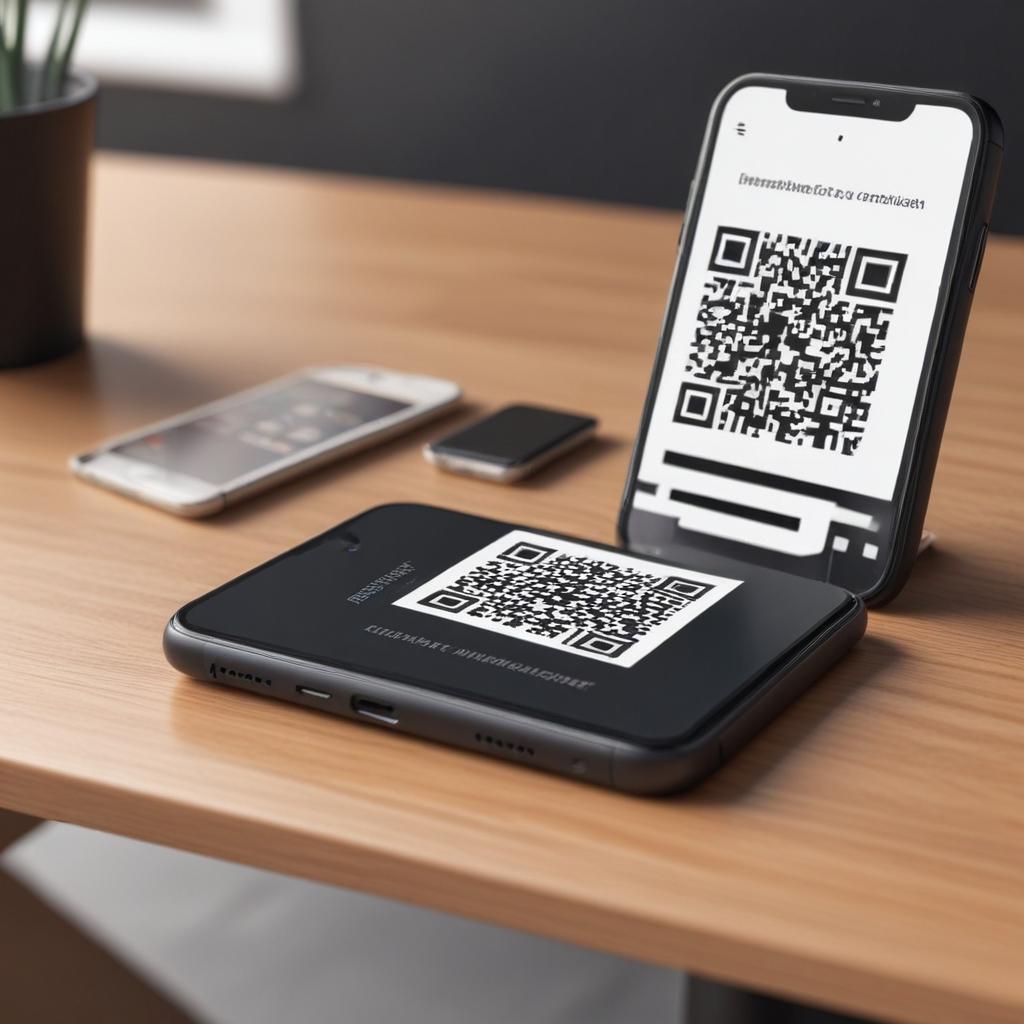
Understanding QR activation for eSIM
11/01/2026
Introduction to QR Activation for eSIM
QR activation is a key innovation in the world of eSIM technology, revolutionizing how we set up and manage mobile connectivity. In essence, QR activation involves scanning a quick response (QR) code to activate an embedded SIM (eSIM) on your device. Unlike traditional SIM cards, which require physical insertion, eSIMs are digital SIMs embedded directly into your device’s hardware, allowing for seamless and versatile mobile network connectivity.
The process of QR activation simplifies the transition to eSIM by enabling users to quickly access their mobile carrier’s network without visiting a store or waiting for a physical SIM card to arrive. When you scan the QR code provided by your carrier using your smartphone’s camera or a compatible app, your device automatically downloads and installs the eSIM profile. This profile contains all the necessary information to connect to the carrier’s network, including your phone number, data plans, and authentication settings.
Understanding the basics of eSIM is essential to appreciate why QR activation has become so important. eSIMs facilitate instant switching between carriers or plans, support multiple profiles on a single device, and enhance the flexibility of managing mobile subscriptions. This digital SIM setup means that you no longer have to carry multiple physical SIM cards when traveling abroad or changing service providers. Instead, you simply activate the desired plan by scanning its corresponding QR code.
The importance of QR activation in modern mobile connectivity cannot be overstated. It enables a faster, more convenient, and environmentally friendly approach to mobile network management. By eliminating the need for plastic SIM cards and in-person visits, QR activation supports remote provisioning and activates services instantly, which is crucial in today’s fast-paced digital world. For consumers, it means greater flexibility and control over their mobile services. For carriers, it translates into reduced operational costs and a smoother customer experience.
In summary, QR activation for eSIM technology represents a significant step forward in digital SIM setup. It streamlines the process of connecting to mobile networks, enhances user convenience, and aligns perfectly with the growing demand for flexible and efficient mobile connectivity in the modern era.
What is an eSIM?
An embedded SIM, commonly known as an eSIM, represents a significant advancement in mobile connectivity technology. Unlike traditional SIM cards, which are physical, removable chips inserted into devices to enable cellular network access, eSIM technology is embedded directly into the device’s motherboard. This digital SIM eliminates the need for a physical card, allowing users to activate and switch mobile network operators remotely without swapping physical SIMs.
The concept of the eSIM revolves around its ability to securely store multiple network profiles within a single, integrated chip. This functionality provides users with unmatched convenience, especially for travelers or those who need to manage multiple phone numbers and data plans effortlessly. As the eSIM is programmable, network operators can push updates and changes over the air, streamlining carrier activation and minimizing the dependency on physical SIM cards.
One of the primary advantages of eSIM technology is the flexibility it offers. Users can switch carriers or plans without visiting a store or waiting for new plastic SIM cards to arrive by mail. Additionally, eSIMs contribute to more compact and waterproof device designs since there is no need for a SIM slot. The embedded nature of this technology also reduces the risk of losing SIM cards and enhances device security.
Understanding QR Code Activation
The QR code activation process for eSIM is an innovative method that simplifies the installation and registration of an eSIM profile on a mobile device. When a user opts to activate an eSIM, they receive a unique QR code from their carrier or service provider. This QR code contains encrypted data that directs the device to download the correct eSIM profile, eliminating the need for physical SIM cards.
To begin the activation process, the user scans the QR code using their device’s camera or a dedicated eSIM activation app. The device interprets the QR code’s encoded information, which typically includes a link to the Carrier’s eSIM server and an activation code. Upon scanning, the device connects to the server and initiates the eSIM download. The carrier’s system then verifies the request, applies the necessary configurations, and securely installs the eSIM profile onto the device.
The technology behind this QR-based activation leverages standard QR code format combined with secure data encryption to ensure that only authorized devices can download and activate the eSIM. This secure link prevents unauthorized access while providing a seamless user experience. The entire QR code activation process is swift and efficient, enabling users to activate cellular service on the spot without manual input or the risk of configuration errors.
Overall, using QR codes for eSIM activation enhances convenience, speed, and security in managing mobile connectivity, making it an essential aspect of modern telecommunications.
Step-by-Step Guide to Activating eSIM via QR Code
Activating your eSIM using a QR code is a straightforward process when you know the steps. This activation guide will walk you through the entire eSIM setup, including device compatibility and necessary preparations, ensuring a smooth experience from start to finish.
First, verify that your device supports eSIM technology. Most modern smartphones from major brands like Apple, Samsung, and Google include eSIM capabilities, but it’s important to check for your specific model. You can usually find this information in your device’s settings under mobile plans or by consulting the manufacturer’s website.
Before starting the QR code steps, make sure your device is connected to the internet via Wi-Fi or cellular data, as the activation requires network access. Also, have your QR code ready—this is typically provided by your carrier either through email, a physical card, or a mobile app.
Begin the activation by opening the settings on your device and navigating to the section for mobile or cellular plans. On an iPhone, for example, this can be found under “Settings” > “Cellular” > “Add Cellular Plan.” On Android devices, the path might be “Settings” > “Network & Internet” > “Mobile Network” > “Add Carrier.”
Next, select the option to scan a QR code. Use your device’s camera to scan the QR code provided by your carrier. The device will automatically recognize the eSIM profile linked to that code and prompt you to confirm the addition of the new cellular plan.
After confirming, your phone will begin setting up the eSIM profile. This may take a few moments while the device downloads the necessary information from the carrier’s network. Once complete, you’ll see the new eSIM plan listed in your mobile plans, and the service should be active.
Finally, test your connection by turning off Wi-Fi and checking if you can make calls, send texts, or use mobile data through your new eSIM. If you encounter any issues, verify that the QR code was scanned properly and restart your device if needed. Contact your carrier’s support if problems persist.
Following these detailed QR code steps ensures a hassle-free eSIM activation, letting you enjoy the flexibility and convenience of digital mobile connectivity effortlessly.
Pre-Activation Requirements
Before starting the QR code activation process for your eSIM, it is essential to ensure your device compatibility. Not all devices support eSIM technology, so check your smartphone or tablet specifications to confirm that eSIM activation is possible. Most modern devices from major manufacturers typically support eSIM, but verifying this beforehand can save time and prevent activation issues.
Carrier support is another crucial factor. Your mobile carrier or network provider must support eSIM services, including QR code activation. Some carriers may have specific requirements or limitations on eSIM usage, so reviewing their policies and ensuring your plan supports eSIM activation is important. Contact your carrier if you are unsure whether your service plan includes eSIM functionality.
Additionally, a stable internet connection is necessary during the activation process. The device needs to download carrier settings and profiles via the internet, so make sure you are connected to Wi-Fi or have adequate mobile data available. Without a reliable internet connection, the activation may fail or get delayed.
In summary, before scanning the QR code for eSIM activation, confirm your device supports eSIM, ensure your carrier allows eSIM activation, and have a good internet connection ready. Following these pre-activation requirements will help smooth and successful eSIM activation.
Activating Your eSIM With QR Code
The activation process for your eSIM using a QR code is straightforward and can be completed directly through your mobile settings. Below, we’ll walk you through the exact steps to scan the QR code and activate the eSIM on various devices and platforms.
- Open the mobile settings on your device. For iOS devices, navigate to Settings > Cellular > Add Cellular Plan. For Android devices, go to Settings > Network & Internet > Mobile Network > Advanced > Carrier (this path can vary by manufacturer).
- Select the option to add a new mobile plan or eSIM. Your device’s camera will automatically open, ready to scan the QR code provided by your carrier or eSIM provider.
- Scan the QR code carefully, ensuring that it fits entirely within the scanning frame. The mobile settings will recognize the activation details embedded in the QR code.
- Once scanned successfully, your device will prompt you to confirm the installation of the new cellular plan. Confirm and proceed.
- Depending on your device, you may need to label the eSIM, such as “Work” or “Personal,” to distinguish it from any other active SIMs.
- Wait for the activation process to complete. Your device may need a moment to register the new eSIM plan with your mobile carrier’s network.
- After activation, verify that your eSIM is functioning by checking the signal bars and ensuring you can make calls or access mobile data.
Whether you’re using an iPhone, Samsung, Google Pixel, or another device, the activation process centers on scanning the QR code through mobile settings. This simple yet secure method streamlines eSIM activation across platforms, making it easy to switch to digital mobile connectivity without a physical SIM card.
Troubleshooting Common Activation Issues
Activation errors during QR code scanning are common hurdles users face when setting up their eSIM. To avoid these issues, ensure your device camera lens is clean and the QR code is fully visible without any glare or damage. Poor lighting can also interfere with the scan, so try scanning in a well-lit environment.
If the QR scan problems persist, try restarting your device and ensure your operating system is up to date. Sometimes, temporary glitches can be resolved with a simple reboot or update. Additionally, verify that your mobile carrier supports eSIM activation and that your plan includes eSIM capabilities.
Another effective solution is to enter the activation details or code manually if scanning the QR code fails repeatedly. Many providers offer this option to bypass QR scan problems. Also, be sure to check that your device is unlocked and compatible with eSIM technology, as this influences successful activation.
Lastly, if none of these steps resolve the activation errors, contact your carrier’s customer support for assistance. They can provide specific troubleshooting tailored to your device and network, ensuring seamless eSIM setup and activation.
Benefits and Security of Using QR Activation for eSIM
QR activation for eSIM offers numerous advantages, making it an increasingly popular method for mobile connectivity. One of the most significant activation benefits is convenience. With a simple scan of a QR code, users can instantly download and activate their eSIM profile without needing physical SIM cards or complicated manual input processes. This streamlined approach saves time and reduces potential errors during setup.
Security features integrated into QR code eSIM activation add an essential layer of protection. The QR codes are generated uniquely for each user and session, which minimizes the risk of unauthorized access or cloning. Additionally, encrypted communication during the activation process ensures that sensitive data, such as network credentials and user identity, remain confidential and protected against interception.
Another advantage is the enhanced user experience. QR activation eliminates the need for physical visits to carrier stores or waiting for SIM cards to be delivered by mail. This versatility is particularly beneficial for travelers or remote users who can activate an eSIM profile from virtually anywhere in the world with internet access. The instant availability and seamless process allow for more flexible and dynamic mobile connectivity management.
Moreover, QR code eSIM activation supports multiple profiles on a single device, providing users with greater control over their mobile plans. Switching between profiles involves scanning relevant QR codes, which is faster and more efficient than replacing physical SIM cards. This capability brings a new level of customization to how users handle their telecommunication needs.
In conclusion, the use of QR activation for eSIM balances convenience, security, and user experience improvements. The activation benefits include quick setup, reduced risk of fraud due to robust security features, and flexible management options that cater to modern mobile lifestyles. As the adoption of eSIM technology grows, QR code activation will continue to be a preferred method for users seeking efficient and secure connectivity solutions.
Enhanced Security in QR Activation
QR code activation for eSIM technology incorporates rigorous security protocols designed to safeguard user data throughout the activation process. Encryption plays a central role in ensuring that the data contained within the QR code remains protected against unauthorized access. When a QR code is generated for eSIM activation, sensitive information such as the activation code is encrypted using advanced cryptographic algorithms, creating a secure layer that shields the data from interception or tampering.
Secure activation is further reinforced by the communication protocols used during the scanning and verification phases. Once the QR code is scanned, the encrypted data is transmitted over secure channels, typically employing HTTPS and TLS protocols, which prevent data breaches and man-in-the-middle attacks. This secure transmission ensures that only legitimate devices and network providers have the capability to decode and utilize the activation information.
Moreover, QR code security is enhanced by additional authentication measures, such as one-time passwords (OTPs) or multi-factor authentication (MFA), integrated within the activation workflow. These layers of security not only protect the user’s data but also prevent fraudulent use of the QR code, thereby ensuring that the eSIM activation process remains both robust and trustworthy. In summary, a combination of encryption, secure transmission, and authentication protocols makes QR code activation a safe method for managing eSIM profiles securely.
User Convenience and Flexibility
QR activation has revolutionized the way users install and manage eSIMs by offering unparalleled ease of use. Instead of requiring complex manual input or physical SIM swaps, users simply scan a QR code provided by their carrier to instantly download their eSIM profile onto their device. This remote setup process means there is no need to visit a store or wait for delivery, saving valuable time and effort.
Furthermore, QR activation enhances user flexibility by making it incredibly simple to switch carriers or plans. With just another QR scan, users can activate a new carrier’s eSIM without replacing a physical card. This not only supports seamless international roaming and travel but also encourages competitive carrier switching, empowering users to take control of their mobile connectivity with minimal hassle.
In summary, QR activation simplifies eSIM installation, providing a smooth and efficient remote setup experience. It eliminates the traditional barriers of physical SIM cards and fosters a fluid environment for carrier switching, making mobile connectivity more convenient and adaptable to users’ dynamic needs.

I’m a lifelong traveler who fell in love with the freedom that eSIM technology offers. Exploring new places while staying seamlessly connected has become my personal mission, and I love sharing practical tips on managing mobile data abroad. When I’m not testing the latest eSIM platforms, I’m mapping out the next adventure.