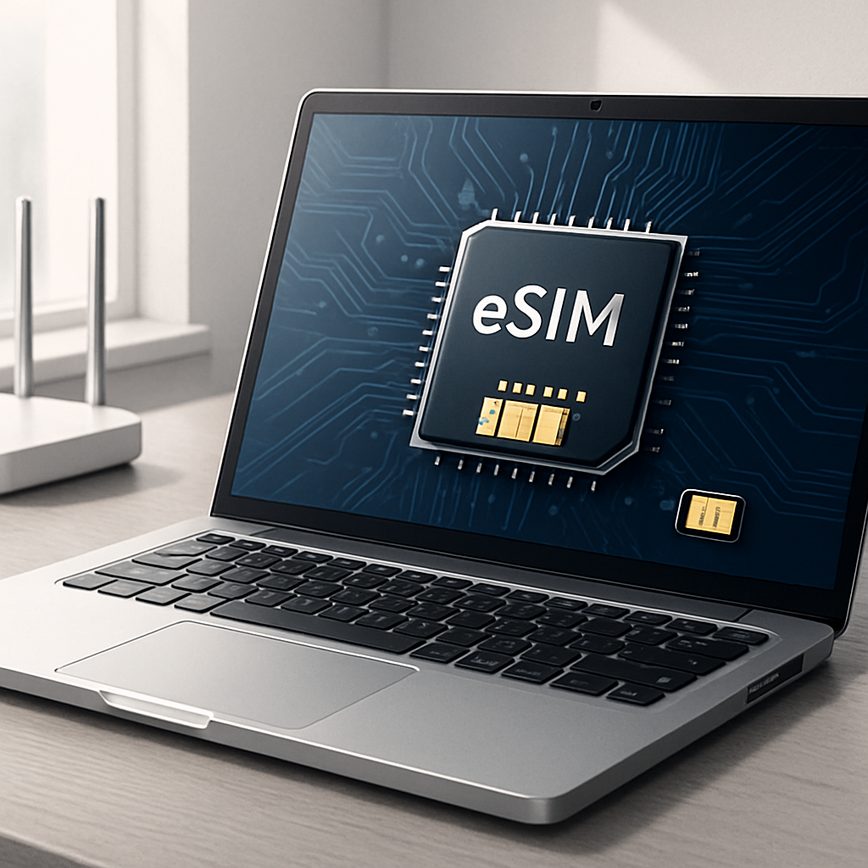
Why more laptops support eSIM connectivity
14/04/2026
In addition to convenience, eSIM technology facilitates faster and easier activation of mobile services. By eliminating the need to acquire and insert a physical SIM card, users can activate their cellular connection instantly through software settings on their laptops. This responsiveness supports a more dynamic and efficient approach to maintaining internet access, especially useful for professionals and remote workers who rely on uninterrupted connectivity throughout the day.
Moreover, the integration of eSIM technology opens the door for laptops to incorporate multiple connectivity options without compromising design and portability. Since eSIMs do not require additional space for SIM card slots, manufacturers can create slimmer and more streamlined laptop designs. The broadened connectivity options also mean that laptops can easily switch between Wi-Fi and cellular networks, ensuring users are always connected regardless of their location.
Overall, eSIM technology marks a pivotal step forward in enhancing laptops’ connectivity options. It addresses many limitations of traditional SIM cards, offering a more flexible, efficient, and modern solution for internet access. As connectivity needs continue to evolve, more laptops supporting eSIM connectivity will enable users to stay connected effortlessly, no matter where they are.
What is eSIM and How Does It Work?
eSIM, short for embedded SIM, is a revolutionary advancement in SIM technology that eliminates the need for a physical SIM card. Unlike traditional SIM cards, which are removable and must be inserted into a device, an eSIM is a small chip embedded directly into a device’s motherboard. This embedded SIM is programmable, allowing users to download and activate cellular plans digitally without swapping out a physical card.
The eSIM definition highlights its core advantage: flexibility. Users can switch carriers or plans remotely, without visiting a store or waiting for delivery of a new SIM. This new SIM technology streamlines connectivity management, making it ideal for devices like laptops, smartphones, and IoT gadgets where space is at a premium.
Functionally, the eSIM works by storing multiple network profiles securely within the embedded chip. When users want to change or add a cellular plan, the eSIM downloads the necessary credentials over the air. This entire process is governed by industry standards ensuring compatibility across different carriers and devices. In contrast, traditional SIM cards require physical swapping and limit the number of plans that can be stored on a single card.
The switch from traditional SIM cards to embedded SIMs is transforming how devices connect to mobile networks, offering unparalleled convenience, reduced hardware constraints, and enhanced user control over cellular connectivity.
Benefits of eSIM Over Traditional SIM in Laptops
The adoption of eSIM technology in laptops brings several notable benefits over traditional SIM cards, especially in terms of convenience, flexibility, and space-saving. One of the main eSIM benefits is the convenience it offers. Unlike traditional SIMs that require physical insertion and swapping, an eSIM is embedded directly into the laptop’s hardware, allowing users to activate and switch carriers digitally without ever handling a physical card. This makes managing mobile connectivity simpler and faster, particularly for travelers or those who frequently change their mobile plans.
Flexibility is another key advantage. With an eSIM, laptops can support multiple carrier profiles, enabling users to switch between networks with ease. This means that users can select the best coverage or data plan available wherever they are, without being locked into a single provider. The ability to store multiple profiles also ensures that connectivity remains reliable, regardless of location, which is a significant benefit for remote workers or digital nomads.
Additionally, eSIM technology contributes to space-saving benefits in laptops. Since eSIMs do not require a physical SIM card slot, manufacturers can design slimmer and more compact laptops. This freed-up space can be used for larger batteries, enhanced cooling systems, or other hardware improvements. In an industry that constantly pushes for thinner and lighter devices, this advantage cannot be overstated.
Overall, the eSIM benefits of improved convenience, greater flexibility, and space-saving design make it an ideal choice for enhancing laptop connectivity. Users gain a seamless experience in managing mobile data plans while enjoying better device portability and functionality compared to traditional SIM solutions.
Reasons for Growing eSIM Adoption in Laptops
The increasing eSIM adoption among laptop manufacturers is largely driven by several interconnected factors shaping laptop market trends and meeting the rising connectivity demand. As consumers and professionals rely more heavily on seamless internet access, the laptop ecosystem is evolving to integrate technologies that support consistent, on-the-go connectivity without the constraints of traditional SIM cards.
One of the primary reasons for this shift is the technological convenience eSIMs offer. Unlike physical SIM cards, eSIMs are embedded directly into the laptop’s hardware. This integration simplifies the design and reduces the space required for SIM card slots, enabling slimmer and more durable laptops. As laptop makers align with market trends emphasizing portability and sleekness, eSIM technology fits perfectly into their design philosophy.
In addition, the global rise in remote work and mobile lifestyles has created a powerful demand for constant connectivity. Users want laptops that can connect to cellular networks anywhere, without the hassle of switching physical SIMs or relying solely on Wi-Fi hotspots. With eSIM adoption, laptops can automatically connect to multiple carriers or switch networks as needed, providing a seamless, uninterrupted online experience—crucial to keeping pace with today’s fast-moving work and social environments.
From a business perspective, eSIM integration aligns with trends toward smarter devices and internet-of-things ecosystems, where connectivity is integral and expected. Manufacturers leveraging eSIM technology appeal to tech-savvy consumers looking for future-proof solutions, bolstering brand reputation and competitive advantage in a crowded laptop market. Moreover, the flexibility eSIMs provide carriers in managing subscriptions and services enhances the overall user experience, encouraging further adoption in laptops.
Lastly, regulatory changes and expanding carrier support globally have eased the implementation and usability of eSIMs. As more regions adopt standards that favor eSIM technology, laptop manufacturers are motivated to include this feature to cater to international travelers and business users, who benefit enormously from multi-network access without needing multiple physical SIM cards. This growing ecosystem of support combined with user demand and technological advancements firmly drives the widespread eSIM adoption in laptops.
Increasing Demand for Always-On Connectivity
In today’s digital age, the demand for always-on internet access is reshaping how laptops are designed and connected. Both consumers and professionals require uninterrupted mobile data connectivity to stay productive, entertained, and connected regardless of their location. This growing need drives the integration of eSIM technology in laptops, allowing seamless access to mobile networks without the hassle of physical SIM cards.
With shifting connectivity trends, the traditional reliance on Wi-Fi hotspots is becoming less practical and less secure. People expect their devices to maintain continuous online presence, whether for remote work, streaming, or accessing cloud services. Laptops equipped with eSIMs enable users to switch between multiple mobile data providers effortlessly, ensuring consistent connectivity without interruptions.
Additionally, the professional landscape increasingly demands reliable internet access for video conferencing, real-time collaboration, and accessing enterprise applications on the go. eSIM integration supports this by providing a flexible and robust connection that aligns with the always-on internet paradigm. As a result, manufacturers are responding to these connectivity trends by embedding eSIMs, transforming laptops into truly mobile devices ready to meet modern digital lifestyles.
Advancements in Network Technologies
The rapid evolution of mobile networks, especially with the rollout of 5G networks, is significantly influencing the design and functionality of modern laptops. As 5G networks offer substantially faster speeds, lower latency, and more reliable connections compared to previous LTE technologies, laptop manufacturers see an increasing demand for built-in cellular connectivity that matches these advancements. This demand is fueling the integration of eSIM support directly into laptops, enabling seamless and instant network access without the hassle of physical SIM cards.
LTE networks paved the way for mobile broadband, but with 5G networks now becoming widespread, users expect their devices, including laptops, to maintain constant connectivity wherever they go. eSIM technology is ideal for meeting these expectations because it allows devices to switch between carriers and plans without manual SIM swapping. This flexibility aligns perfectly with the dynamic nature of 5G networks and the broader spectrum of network advancements, providing uninterrupted service and enhanced user experiences.
Network advancements such as improved 5G infrastructure and evolving LTE standards are motivating laptop makers to integrate eSIM modules to future-proof their devices. With eSIM support, laptops can offer better connectivity options for remote workers, travelers, and everyday users, ensuring compatibility with the latest cellular networks worldwide. Consequently, the synergy between 5G networks, LTE progress, and eSIM technology is driving a new era of mobile computing, where continuous and reliable internet access is a standard feature.
Manufacturers Enhancing Design and Usability
eSIM integration has become a game-changer for laptop design and usability improvements. By eliminating the need for traditional SIM card trays and slots, manufacturers can create sleeker, thinner laptops with cleaner lines and more streamlined aesthetics. This reduction in physical components not only frees up internal space but also contributes to lighter, more portable devices that appeal to modern users who prioritize mobility and style.
From a usability perspective, eSIM technology significantly enhances the user experience. Consumers no longer need to physically swap SIM cards when changing carriers or traveling internationally. Instead, they can activate or switch cellular plans remotely with just a few taps. This seamless connectivity improves convenience and flexibility, making laptops more user-friendly and adaptable to various network environments.
Furthermore, the integration of eSIMs supports faster device assembly during manufacturing, reducing production costs and potential mechanical failures associated with SIM trays. This reliability boost is crucial for maintaining high-quality laptop designs with fewer moving parts. Overall, eSIMs allow manufacturers to rethink laptop design, prioritizing minimalism and enhanced connectivity while delivering practical usability improvements that benefit end-users.
Challenges and Future Outlook for eSIM in Laptops
Despite the significant advantages of eSIM technology in enhancing laptop connectivity, there are still notable eSIM challenges that need to be addressed. One primary limitation is the lack of universal adoption among carriers and manufacturers, leading to inconsistent support across different regions and devices. This fragmentation can cause confusion for users who expect seamless connectivity across borders but find themselves restricted by the availability of compatible networks.
Another challenge is related to security and privacy concerns. While eSIMs eliminate the need for physical SIM cards and their associated risks, the remote provisioning process must be robust against hacking attempts and unauthorized access. Ensuring that eSIM profiles can be securely downloaded and managed is essential to protect users and maintain trust in this technology.
Additionally, the current infrastructure for managing eSIM profiles, including activation and switching between carriers, remains complex and often requires specialized apps or system integration. This complexity can slow consumer adoption and create friction in the user experience. The industry as a whole needs to work toward standardizing and simplifying these processes to make eSIM technology more accessible and user-friendly.
Looking ahead, the future of eSIM in laptops is promising. As more manufacturers embed eSIM capabilities directly into devices and carriers expand their support globally, we can expect a smoother and more unified experience for users. The laptop connectivity future will likely be characterized by greater flexibility, enabling users to switch providers or data plans effortlessly without physical SIM swaps.
The growth potential for eSIM is also driven by advancements in 5G technology and the increasing demand for constant internet access in remote and mobile work scenarios. With eSIMs, laptops become truly untethered, capable of instant connectivity anywhere. This trend will support new use cases in areas like IoT integration, secure remote working, and enhanced mobility services.
In conclusion, while eSIM challenges remain as obstacles in widespread adoption, ongoing technological improvements and industry collaboration will likely overcome these barriers. The future of eSIM in laptops looks bright, promising a new era of seamless, efficient, and flexible connectivity solutions tailored to the needs of modern users.
Security and Privacy Concerns
Implementing eSIM technology in laptops brings forward important considerations around eSIM security and user privacy. Since eSIMs replace physical SIM cards with embedded software, they introduce new vectors for mobile security threats. However, manufacturers and mobile carriers have developed robust measures to mitigate these risks, ensuring that data remains protected.
One key security feature of eSIMs is their encryption protocols, which safeguard sensitive subscriber information during activation and communication with cellular networks. The eSIM credentials are securely stored within a tamper-resistant hardware element known as the Secure Element, preventing unauthorized access and cloning attempts. Additionally, remote SIM provisioning is protected through mutual authentication processes and secure key exchange mechanisms, which hinder interception and impersonation attacks.
Privacy is another critical aspect addressed through eSIM technology. Because multiple profiles can be stored on a single eSIM, users can switch between network operators without physically changing the SIM card, reducing the risk of loss or theft of physical devices that may contain personal data. Moreover, eSIMs provide greater control over data sharing and network connectivity settings, enhancing user autonomy and reducing exposure compared to traditional SIM cards.
While no technology is entirely immune to threats, ongoing advancements in mobile security standards, stringent regulatory frameworks, and continuous monitoring by carriers work together to minimize potential vulnerabilities associated with eSIM implementation in laptops. These combined efforts ensure that the benefits of eSIM connectivity do not come at the expense of user security or privacy.
Compatibility and Carrier Support
Despite the growing adoption of eSIM technology in laptops, there remain significant challenges related to carrier support and network compatibility worldwide. Not all carriers have embraced eSIM, resulting in limited availability for users in certain regions. This uneven carrier support creates a barrier for seamless connectivity, especially for travelers or those who frequently switch networks. Moreover, compatibility issues arise because not all laptop devices are equipped with eSIM modules that support every carrier’s network bands or technologies. Manufacturers must navigate these constraints to ensure devices can connect reliably across diverse mobile networks.
Another key limitation is related to global carrier policies. Some carriers impose restrictions or require specific certifications for eSIM activation, which can further complicate adoption. Additionally, network compatibility is influenced by the varying standards and frequencies used in different parts of the world. These discrepancies mean that an eSIM-enabled laptop purchased in one country may have limited or no functionality with carriers in another. Users should be aware of these limitations when choosing devices with eSIM capabilities to avoid disruptions in connectivity.
To overcome these challenges, ongoing collaboration between laptop manufacturers, chipset providers, and mobile carriers is essential. Expanding carrier support and standardizing network compatibility will drive broader acceptance of eSIM technology. As more carriers update their infrastructure to accommodate eSIM and manufacturers optimize device compatibility, these limitations are expected to diminish, enabling a smoother and more versatile connectivity experience for laptop users worldwide.
Predictions for eSIM Adoption Growth
The eSIM adoption forecast for the laptop market future is notably optimistic, driven by rapid technology trends and evolving consumer demands. Industry experts predict that as more manufacturers integrate eSIM technology into their devices, the market will witness a significant rise in eSIM-enabled laptops over the next few years. This growth is propelled by increasing mobile data usage and the desire for seamless connectivity without the need for physical SIM cards.
Emerging technologies like 5G and advancements in cloud-based mobile network management are expected to accelerate this trend. As 5G networks become more widespread, users will seek devices that can effortlessly switch networks and optimize data plans, a feature inherently supported by eSIM technology. Furthermore, laptop makers are increasingly partnering with mobile carriers and technology firms to embed eSIM solutions directly into their devices, enhancing convenience and user experience.
Another critical factor influencing the laptop market future is the growing push from enterprises for flexible, secure connectivity options to support remote and hybrid work environments. eSIM adoption aligns perfectly with these requirements, providing IT departments with centralized control over mobile connectivity for their fleets. Overall, the interplay of these technology trends positions eSIM as a cornerstone of future laptop connectivity, ensuring its adoption continues to rise steadily in the coming years.
Introduction to eSIM Technology in Laptops
eSIM technology, short for embedded SIM, represents a significant advancement in connectivity options for modern laptops. Unlike traditional SIM cards that require physical insertion and swapping, an eSIM is a programmable chip embedded directly into a device. This means laptops equipped with eSIM technology can connect to cellular networks seamlessly, without the need for bulky SIM trays or manual card replacements.
The relevance of eSIM technology in laptops is becoming increasingly apparent as users demand more versatile and reliable connectivity options. Laptops with eSIM capabilities can switch between multiple carriers remotely, providing flexibility to users who travel frequently or want to avoid being locked into a single mobile network provider. This advancement allows for better management of data plans and enhances overall connectivity availability wherever there is cellular coverage.
In addition to convenience, eSIM technology facilitates faster and easier activation of mobile services. By eliminating the need to acquire and insert a physical SIM card, users can activate their cellular connection instantly through software settings on their laptops. This responsiveness supports a more dynamic and efficient approach to maintaining internet access, especially useful for professionals and remote workers who rely on uninterrupted connectivity throughout the day.
Moreover, the integration of eSIM technology opens the door for laptops to incorporate multiple connectivity options without compromising design and portability. Since eSIMs do not require additional space for SIM card slots, manufacturers can create slimmer and more streamlined laptop designs. The broadened connectivity options also mean that laptops can easily switch between Wi-Fi and cellular networks, ensuring users are always connected regardless of their location.
Overall, eSIM technology marks a pivotal step forward in enhancing laptops’ connectivity options. It addresses many limitations of traditional SIM cards, offering a more flexible, efficient, and modern solution for internet access. As connectivity needs continue to evolve, more laptops supporting eSIM connectivity will enable users to stay connected effortlessly, no matter where they are.
What is eSIM and How Does It Work?
eSIM, short for embedded SIM, is a revolutionary advancement in SIM technology that eliminates the need for a physical SIM card. Unlike traditional SIM cards, which are removable and must be inserted into a device, an eSIM is a small chip embedded directly into a device’s motherboard. This embedded SIM is programmable, allowing users to download and activate cellular plans digitally without swapping out a physical card.
The eSIM definition highlights its core advantage: flexibility. Users can switch carriers or plans remotely, without visiting a store or waiting for delivery of a new SIM. This new SIM technology streamlines connectivity management, making it ideal for devices like laptops, smartphones, and IoT gadgets where space is at a premium.
Functionally, the eSIM works by storing multiple network profiles securely within the embedded chip. When users want to change or add a cellular plan, the eSIM downloads the necessary credentials over the air. This entire process is governed by industry standards ensuring compatibility across different carriers and devices. In contrast, traditional SIM cards require physical swapping and limit the number of plans that can be stored on a single card.
The switch from traditional SIM cards to embedded SIMs is transforming how devices connect to mobile networks, offering unparalleled convenience, reduced hardware constraints, and enhanced user control over cellular connectivity.
Benefits of eSIM Over Traditional SIM in Laptops
The adoption of eSIM technology in laptops brings several notable benefits over traditional SIM cards, especially in terms of convenience, flexibility, and space-saving. One of the main eSIM benefits is the convenience it offers. Unlike traditional SIMs that require physical insertion and swapping, an eSIM is embedded directly into the laptop’s hardware, allowing users to activate and switch carriers digitally without ever handling a physical card. This makes managing mobile connectivity simpler and faster, particularly for travelers or those who frequently change their mobile plans.
Flexibility is another key advantage. With an eSIM, laptops can support multiple carrier profiles, enabling users to switch between networks with ease. This means that users can select the best coverage or data plan available wherever they are, without being locked into a single provider. The ability to store multiple profiles also ensures that connectivity remains reliable, regardless of location, which is a significant benefit for remote workers or digital nomads.
Additionally, eSIM technology contributes to space-saving benefits in laptops. Since eSIMs do not require a physical SIM card slot, manufacturers can design slimmer and more compact laptops. This freed-up space can be used for larger batteries, enhanced cooling systems, or other hardware improvements. In an industry that constantly pushes for thinner and lighter devices, this advantage cannot be overstated.
Overall, the eSIM benefits of improved convenience, greater flexibility, and space-saving design make it an ideal choice for enhancing laptop connectivity. Users gain a seamless experience in managing mobile data plans while enjoying better device portability and functionality compared to traditional SIM solutions.
Reasons for Growing eSIM Adoption in Laptops
The increasing eSIM adoption among laptop manufacturers is largely driven by several interconnected factors shaping laptop market trends and meeting the rising connectivity demand. As consumers and professionals rely more heavily on seamless internet access, the laptop ecosystem is evolving to integrate technologies that support consistent, on-the-go connectivity without the constraints of traditional SIM cards.
One of the primary reasons for this shift is the technological convenience eSIMs offer. Unlike physical SIM cards, eSIMs are embedded directly into the laptop’s hardware. This integration simplifies the design and reduces the space required for SIM card slots, enabling slimmer and more durable laptops. As laptop makers align with market trends emphasizing portability and sleekness, eSIM technology fits perfectly into their design philosophy.
In addition, the global rise in remote work and mobile lifestyles has created a powerful demand for constant connectivity. Users want laptops that can connect to cellular networks anywhere, without the hassle of switching physical SIMs or relying solely on Wi-Fi hotspots. With eSIM adoption, laptops can automatically connect to multiple carriers or switch networks as needed, providing a seamless, uninterrupted online experience—crucial to keeping pace with today’s fast-moving work and social environments.
From a business perspective, eSIM integration aligns with trends toward smarter devices and internet-of-things ecosystems, where connectivity is integral and expected. Manufacturers leveraging eSIM technology appeal to tech-savvy consumers looking for future-proof solutions, bolstering brand reputation and competitive advantage in a crowded laptop market. Moreover, the flexibility eSIMs provide carriers in managing subscriptions and services enhances the overall user experience, encouraging further adoption in laptops.
Lastly, regulatory changes and expanding carrier support globally have eased the implementation and usability of eSIMs. As more regions adopt standards that favor eSIM technology, laptop manufacturers are motivated to include this feature to cater to international travelers and business users, who benefit enormously from multi-network access without needing multiple physical SIM cards. This growing ecosystem of support combined with user demand and technological advancements firmly drives the widespread eSIM adoption in laptops.
Increasing Demand for Always-On Connectivity
In today’s digital age, the demand for always-on internet access is reshaping how laptops are designed and connected. Both consumers and professionals require uninterrupted mobile data connectivity to stay productive, entertained, and connected regardless of their location. This growing need drives the integration of eSIM technology in laptops, allowing seamless access to mobile networks without the hassle of physical SIM cards.
With shifting connectivity trends, the traditional reliance on Wi-Fi hotspots is becoming less practical and less secure. People expect their devices to maintain continuous online presence, whether for remote work, streaming, or accessing cloud services. Laptops equipped with eSIMs enable users to switch between multiple mobile data providers effortlessly, ensuring consistent connectivity without interruptions.
Additionally, the professional landscape increasingly demands reliable internet access for video conferencing, real-time collaboration, and accessing enterprise applications on the go. eSIM integration supports this by providing a flexible and robust connection that aligns with the always-on internet paradigm. As a result, manufacturers are responding to these connectivity trends by embedding eSIMs, transforming laptops into truly mobile devices ready to meet modern digital lifestyles.
Advancements in Network Technologies
The rapid evolution of mobile networks, especially with the rollout of 5G networks, is significantly influencing the design and functionality of modern laptops. As 5G networks offer substantially faster speeds, lower latency, and more reliable connections compared to previous LTE technologies, laptop manufacturers see an increasing demand for built-in cellular connectivity that matches these advancements. This demand is fueling the integration of eSIM support directly into laptops, enabling seamless and instant network access without the hassle of physical SIM cards.
LTE networks paved the way for mobile broadband, but with 5G networks now becoming widespread, users expect their devices, including laptops, to maintain constant connectivity wherever they go. eSIM technology is ideal for meeting these expectations because it allows devices to switch between carriers and plans without manual SIM swapping. This flexibility aligns perfectly with the dynamic nature of 5G networks and the broader spectrum of network advancements, providing uninterrupted service and enhanced user experiences.
Network advancements such as improved 5G infrastructure and evolving LTE standards are motivating laptop makers to integrate eSIM modules to future-proof their devices. With eSIM support, laptops can offer better connectivity options for remote workers, travelers, and everyday users, ensuring compatibility with the latest cellular networks worldwide. Consequently, the synergy between 5G networks, LTE progress, and eSIM technology is driving a new era of mobile computing, where continuous and reliable internet access is a standard feature.
Manufacturers Enhancing Design and Usability
eSIM integration has become a game-changer for laptop design and usability improvements. By eliminating the need for traditional SIM card trays and slots, manufacturers can create sleeker, thinner laptops with cleaner lines and more streamlined aesthetics. This reduction in physical components not only frees up internal space but also contributes to lighter, more portable devices that appeal to modern users who prioritize mobility and style.
From a usability perspective, eSIM technology significantly enhances the user experience. Consumers no longer need to physically swap SIM cards when changing carriers or traveling internationally. Instead, they can activate or switch cellular plans remotely with just a few taps. This seamless connectivity improves convenience and flexibility, making laptops more user-friendly and adaptable to various network environments.
Furthermore, the integration of eSIMs supports faster device assembly during manufacturing, reducing production costs and potential mechanical failures associated with SIM trays. This reliability boost is crucial for maintaining high-quality laptop designs with fewer moving parts. Overall, eSIMs allow manufacturers to rethink laptop design, prioritizing minimalism and enhanced connectivity while delivering practical usability improvements that benefit end-users.
Challenges and Future Outlook for eSIM in Laptops
Despite the significant advantages of eSIM technology in enhancing laptop connectivity, there are still notable eSIM challenges that need to be addressed. One primary limitation is the lack of universal adoption among carriers and manufacturers, leading to inconsistent support across different regions and devices. This fragmentation can cause confusion for users who expect seamless connectivity across borders but find themselves restricted by the availability of compatible networks.
Another challenge is related to security and privacy concerns. While eSIMs eliminate the need for physical SIM cards and their associated risks, the remote provisioning process must be robust against hacking attempts and unauthorized access. Ensuring that eSIM profiles can be securely downloaded and managed is essential to protect users and maintain trust in this technology.
Additionally, the current infrastructure for managing eSIM profiles, including activation and switching between carriers, remains complex and often requires specialized apps or system integration. This complexity can slow consumer adoption and create friction in the user experience. The industry as a whole needs to work toward standardizing and simplifying these processes to make eSIM technology more accessible and user-friendly.
Looking ahead, the future of eSIM in laptops is promising. As more manufacturers embed eSIM capabilities directly into devices and carriers expand their support globally, we can expect a smoother and more unified experience for users. The laptop connectivity future will likely be characterized by greater flexibility, enabling users to switch providers or data plans effortlessly without physical SIM swaps.
The growth potential for eSIM is also driven by advancements in 5G technology and the increasing demand for constant internet access in remote and mobile work scenarios. With eSIMs, laptops become truly untethered, capable of instant connectivity anywhere. This trend will support new use cases in areas like IoT integration, secure remote working, and enhanced mobility services.
In conclusion, while eSIM challenges remain as obstacles in widespread adoption, ongoing technological improvements and industry collaboration will likely overcome these barriers. The future of eSIM in laptops looks bright, promising a new era of seamless, efficient, and flexible connectivity solutions tailored to the needs of modern users.
Security and Privacy Concerns
Implementing eSIM technology in laptops brings forward important considerations around eSIM security and user privacy. Since eSIMs replace physical SIM cards with embedded software, they introduce new vectors for mobile security threats. However, manufacturers and mobile carriers have developed robust measures to mitigate these risks, ensuring that data remains protected.
One key security feature of eSIMs is their encryption protocols, which safeguard sensitive subscriber information during activation and communication with cellular networks. The eSIM credentials are securely stored within a tamper-resistant hardware element known as the Secure Element, preventing unauthorized access and cloning attempts. Additionally, remote SIM provisioning is protected through mutual authentication processes and secure key exchange mechanisms, which hinder interception and impersonation attacks.
Privacy is another critical aspect addressed through eSIM technology. Because multiple profiles can be stored on a single eSIM, users can switch between network operators without physically changing the SIM card, reducing the risk of loss or theft of physical devices that may contain personal data. Moreover, eSIMs provide greater control over data sharing and network connectivity settings, enhancing user autonomy and reducing exposure compared to traditional SIM cards.
While no technology is entirely immune to threats, ongoing advancements in mobile security standards, stringent regulatory frameworks, and continuous monitoring by carriers work together to minimize potential vulnerabilities associated with eSIM implementation in laptops. These combined efforts ensure that the benefits of eSIM connectivity do not come at the expense of user security or privacy.
Compatibility and Carrier Support
Despite the growing adoption of eSIM technology in laptops, there remain significant challenges related to carrier support and network compatibility worldwide. Not all carriers have embraced eSIM, resulting in limited availability for users in certain regions. This uneven carrier support creates a barrier for seamless connectivity, especially for travelers or those who frequently switch networks. Moreover, compatibility issues arise because not all laptop devices are equipped with eSIM modules that support every carrier’s network bands or technologies. Manufacturers must navigate these constraints to ensure devices can connect reliably across diverse mobile networks.
Another key limitation is related to global carrier policies. Some carriers impose restrictions or require specific certifications for eSIM activation, which can further complicate adoption. Additionally, network compatibility is influenced by the varying standards and frequencies used in different parts of the world. These discrepancies mean that an eSIM-enabled laptop purchased in one country may have limited or no functionality with carriers in another. Users should be aware of these limitations when choosing devices with eSIM capabilities to avoid disruptions in connectivity.
To overcome these challenges, ongoing collaboration between laptop manufacturers, chipset providers, and mobile carriers is essential. Expanding carrier support and standardizing network compatibility will drive broader acceptance of eSIM technology. As more carriers update their infrastructure to accommodate eSIM and manufacturers optimize device compatibility, these limitations are expected to diminish, enabling a smoother and more versatile connectivity experience for laptop users worldwide.
Predictions for eSIM Adoption Growth
The eSIM adoption forecast for the laptop market future is notably optimistic, driven by rapid technology trends and evolving consumer demands. Industry experts predict that as more manufacturers integrate eSIM technology into their devices, the market will witness a significant rise in eSIM-enabled laptops over the next few years. This growth is propelled by increasing mobile data usage and the desire for seamless connectivity without the need for physical SIM cards.
Emerging technologies like 5G and advancements in cloud-based mobile network management are expected to accelerate this trend. As 5G networks become more widespread, users will seek devices that can effortlessly switch networks and optimize data plans, a feature inherently supported by eSIM technology. Furthermore, laptop makers are increasingly partnering with mobile carriers and technology firms to embed eSIM solutions directly into their devices, enhancing convenience and user experience.
Another critical factor influencing the laptop market future is the growing push from enterprises for flexible, secure connectivity options to support remote and hybrid work environments. eSIM adoption aligns perfectly with these requirements, providing IT departments with centralized control over mobile connectivity for their fleets. Overall, the interplay of these technology trends positions eSIM as a cornerstone of future laptop connectivity, ensuring its adoption continues to rise steadily in the coming years.

I’m a lifelong traveler who fell in love with the freedom that eSIM technology offers. Exploring new places while staying seamlessly connected has become my personal mission, and I love sharing practical tips on managing mobile data abroad. When I’m not testing the latest eSIM platforms, I’m mapping out the next adventure.