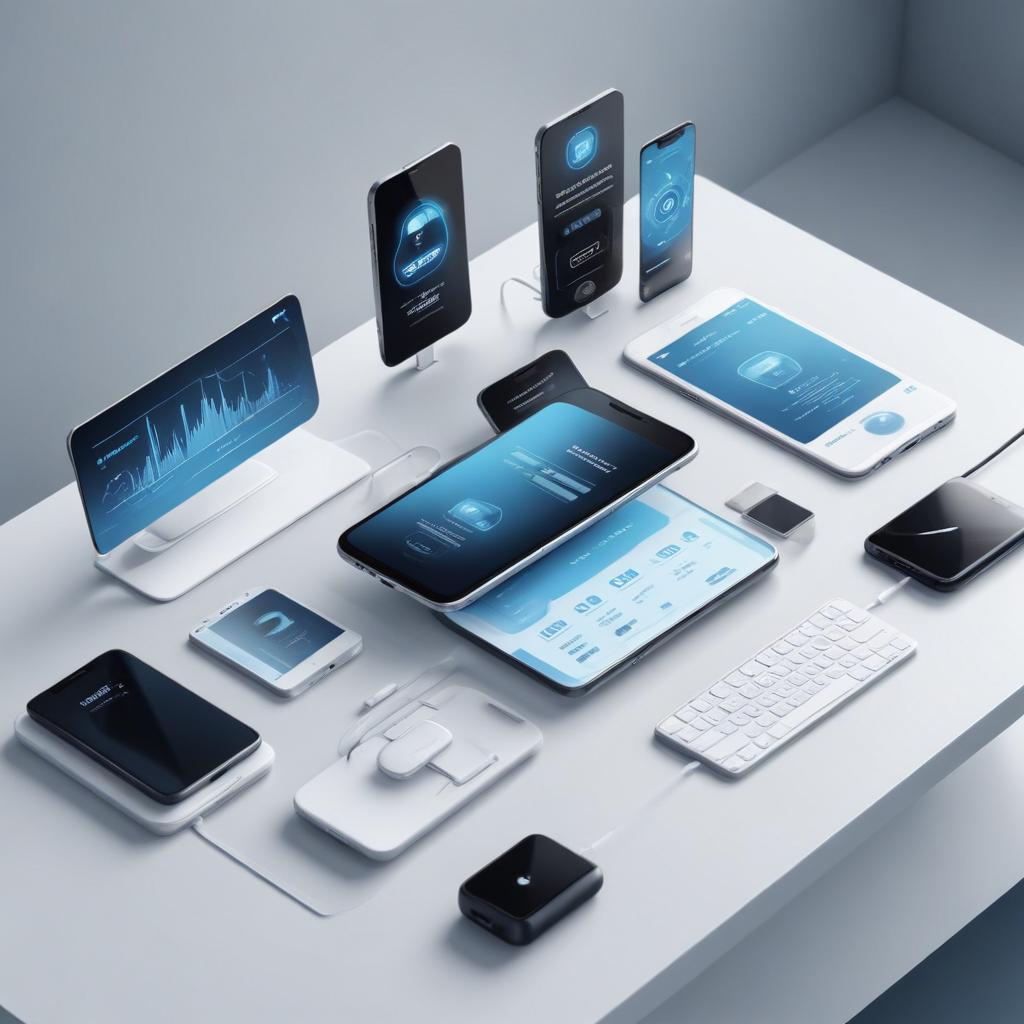
Carrier support is also a critical factor driving eSIM adoption. More network providers across different regions are launching eSIM services, recognizing the value of seamless mobile onboarding and enhanced user flexibility. The growing collaboration between carriers and device manufacturers promotes a more unified mobile technology ecosystem, enabling consumers to switch carriers or manage multiple plans effortlessly.

Current mobile technology trends indicate that eSIM adoption will continue to rise in the coming years, supported by advancements in network infrastructure such as 5G. Analysts predict that eSIM capable devices will account for a substantial share of mobile devices worldwide by 2030, further encouraged by regulatory pushes and consumer demand for convenience and security.

Overall, the combined growth in device compatibility and carrier support is pivotal to eSIM’s expanding role in the mobile landscape, driving faster onboarding and reshaping how consumers connect to mobile networks globally.

Enhanced User Experience and Security

eSIM technology revolutionizes mobile onboarding by significantly enhancing both user experience and security. With eSIMs, users can activate mobile service instantly without the need for physical SIM cards, which eliminates the hassle of visiting stores or waiting for delivery. This seamless activation process drastically improves user convenience, allowing consumers to switch carriers or plans with just a few taps on their device.

Moreover, eSIM security is a paramount advantage in mobile onboarding improvements. Embedded directly within the device, eSIMs are less vulnerable to theft or cloning compared to traditional SIM cards. This technological advancement strengthens the protection of a user’s digital identity, ensuring that personal information and mobile credentials remain secure during activation and use. The secure provisioning and remote management capabilities of eSIMs contribute to preventing unauthorized access and fraud.

By integrating user onboarding with robust eSIM security measures, mobile operators can offer faster, safer, and more flexible service experiences. This not only elevates customer satisfaction but also builds trust by safeguarding sensitive data throughout the digital identity verification process. The overall effect is a smoother, more efficient mobile onboarding journey that aligns with modern expectations for convenience and cybersecurity.

Carriers no longer need to maintain extensive inventories of physical SIM cards or manage complex distribution networks. This reduces the risk of delays caused by lost shipments, customs hold-ups, or errors in delivery. Users benefit as well, as they can activate mobile service instantly without waiting for a SIM card to arrive by mail or purchasing it in-store. This seamless experience accelerates onboarding timelines significantly.

Moreover, eSIM advantages extend beyond convenience. The elimination of physical SIM distribution supports sustainability efforts by cutting down on plastic waste and packaging materials. For carriers, this shift streamlines operations, enhances customer satisfaction, and enables faster scaling of mobile services. Overall, reducing dependency on physical SIM cards transforms mobile connectivity into a more agile, efficient process for all parties involved.

Future Trends and Impact of eSIM on Mobile Onboarding

The evolution of mobile onboarding is being rapidly accelerated by the increasing adoption of eSIM technology. As digital SIM trends continue to shape the telecommunications landscape, the future of mobile onboarding promises to be faster, more convenient, and significantly more user-centric. eSIM future advancements are set to revolutionize not only how consumers connect to networks but also how service providers approach customer acquisition and retention.

One of the key emerging trends in the eSIM future is the seamless integration of eSIM profiles across multiple devices, allowing for instant activation and switching without the need for physical SIM cards. This flexibility greatly enhances the consumer experience, reducing wait times and eliminating the logistical challenges of obtaining, inserting, or swapping SIM cards. Mobile onboarding, in this context, becomes an almost instantaneous process, enabling users to get connected from virtually anywhere.

Moreover, mobile carriers are increasingly investing in automated and cloud-based onboarding solutions, leveraging eSIM technology to streamline identity verification, profile provisioning, and plan customization. These advancements allow new subscribers to complete their onboarding journey entirely online, supported by AI-powered processes that ensure speed without compromising security. This shift marks a critical point in the mobile onboarding evolution, where manual interventions are minimized, and self-service options become the norm.

Another notable trend is the rise of global eSIM marketplaces, which empower consumers to choose from a wide array of mobile plans without geographic restrictions. This global accessibility transforms the onboarding experience, especially for travelers and remote workers, by granting instant access to local networks and data plans wherever they go. The convenience afforded by this model significantly raises the bar for what users expect from mobile onboarding in terms of speed and simplicity.

Looking ahead, innovations in eSIM management platforms will further enhance the consumer experience by offering smart profile management, automatic plan switching based on usage patterns, and improved interoperability between devices and networks. These capabilities will not only expedite the onboarding process but also ensure that consumers remain connected with optimal plans tailored to their needs.

In conclusion, the ongoing evolution driven by digital SIM trends is poised to redefine mobile onboarding. As eSIM technology matures, it brings unprecedented speed, ease, and flexibility to how users engage with mobile networks. This transformation promises a future where onboarding is frictionless, instant, and highly personalized, ultimately elevating the overall consumer experience in the mobile ecosystem.

Growing Adoption Across Devices and Carriers

The adoption rate of eSIM technology is accelerating rapidly as device compatibility and carrier support expand globally. Leading smartphone manufacturers are increasingly embedding eSIM capabilities into their devices, making it easier for users to activate cellular plans without physical SIM cards. This trend is reflected in a widening range of compatible devices, from smartphones and tablets to smartwatches and laptops, which boosts the overall eSIM adoption rate significantly.

Carrier support is also a critical factor driving eSIM adoption. More network providers across different regions are launching eSIM services, recognizing the value of seamless mobile onboarding and enhanced user flexibility. The growing collaboration between carriers and device manufacturers promotes a more unified mobile technology ecosystem, enabling consumers to switch carriers or manage multiple plans effortlessly.

Current mobile technology trends indicate that eSIM adoption will continue to rise in the coming years, supported by advancements in network infrastructure such as 5G. Analysts predict that eSIM capable devices will account for a substantial share of mobile devices worldwide by 2030, further encouraged by regulatory pushes and consumer demand for convenience and security.

Overall, the combined growth in device compatibility and carrier support is pivotal to eSIM’s expanding role in the mobile landscape, driving faster onboarding and reshaping how consumers connect to mobile networks globally.

Enhanced User Experience and Security

eSIM technology revolutionizes mobile onboarding by significantly enhancing both user experience and security. With eSIMs, users can activate mobile service instantly without the need for physical SIM cards, which eliminates the hassle of visiting stores or waiting for delivery. This seamless activation process drastically improves user convenience, allowing consumers to switch carriers or plans with just a few taps on their device.

Moreover, eSIM security is a paramount advantage in mobile onboarding improvements. Embedded directly within the device, eSIMs are less vulnerable to theft or cloning compared to traditional SIM cards. This technological advancement strengthens the protection of a user’s digital identity, ensuring that personal information and mobile credentials remain secure during activation and use. The secure provisioning and remote management capabilities of eSIMs contribute to preventing unauthorized access and fraud.

By integrating user onboarding with robust eSIM security measures, mobile operators can offer faster, safer, and more flexible service experiences. This not only elevates customer satisfaction but also builds trust by safeguarding sensitive data throughout the digital identity verification process. The overall effect is a smoother, more efficient mobile onboarding journey that aligns with modern expectations for convenience and cybersecurity.

Carriers no longer need to maintain extensive inventories of physical SIM cards or manage complex distribution networks. This reduces the risk of delays caused by lost shipments, customs hold-ups, or errors in delivery. Users benefit as well, as they can activate mobile service instantly without waiting for a SIM card to arrive by mail or purchasing it in-store. This seamless experience accelerates onboarding timelines significantly.

Moreover, eSIM advantages extend beyond convenience. The elimination of physical SIM distribution supports sustainability efforts by cutting down on plastic waste and packaging materials. For carriers, this shift streamlines operations, enhances customer satisfaction, and enables faster scaling of mobile services. Overall, reducing dependency on physical SIM cards transforms mobile connectivity into a more agile, efficient process for all parties involved.

Future Trends and Impact of eSIM on Mobile Onboarding

The evolution of mobile onboarding is being rapidly accelerated by the increasing adoption of eSIM technology. As digital SIM trends continue to shape the telecommunications landscape, the future of mobile onboarding promises to be faster, more convenient, and significantly more user-centric. eSIM future advancements are set to revolutionize not only how consumers connect to networks but also how service providers approach customer acquisition and retention.

One of the key emerging trends in the eSIM future is the seamless integration of eSIM profiles across multiple devices, allowing for instant activation and switching without the need for physical SIM cards. This flexibility greatly enhances the consumer experience, reducing wait times and eliminating the logistical challenges of obtaining, inserting, or swapping SIM cards. Mobile onboarding, in this context, becomes an almost instantaneous process, enabling users to get connected from virtually anywhere.

Moreover, mobile carriers are increasingly investing in automated and cloud-based onboarding solutions, leveraging eSIM technology to streamline identity verification, profile provisioning, and plan customization. These advancements allow new subscribers to complete their onboarding journey entirely online, supported by AI-powered processes that ensure speed without compromising security. This shift marks a critical point in the mobile onboarding evolution, where manual interventions are minimized, and self-service options become the norm.

Another notable trend is the rise of global eSIM marketplaces, which empower consumers to choose from a wide array of mobile plans without geographic restrictions. This global accessibility transforms the onboarding experience, especially for travelers and remote workers, by granting instant access to local networks and data plans wherever they go. The convenience afforded by this model significantly raises the bar for what users expect from mobile onboarding in terms of speed and simplicity.

Looking ahead, innovations in eSIM management platforms will further enhance the consumer experience by offering smart profile management, automatic plan switching based on usage patterns, and improved interoperability between devices and networks. These capabilities will not only expedite the onboarding process but also ensure that consumers remain connected with optimal plans tailored to their needs.

In conclusion, the ongoing evolution driven by digital SIM trends is poised to redefine mobile onboarding. As eSIM technology matures, it brings unprecedented speed, ease, and flexibility to how users engage with mobile networks. This transformation promises a future where onboarding is frictionless, instant, and highly personalized, ultimately elevating the overall consumer experience in the mobile ecosystem.

Growing Adoption Across Devices and Carriers

The adoption rate of eSIM technology is accelerating rapidly as device compatibility and carrier support expand globally. Leading smartphone manufacturers are increasingly embedding eSIM capabilities into their devices, making it easier for users to activate cellular plans without physical SIM cards. This trend is reflected in a widening range of compatible devices, from smartphones and tablets to smartwatches and laptops, which boosts the overall eSIM adoption rate significantly.

Carrier support is also a critical factor driving eSIM adoption. More network providers across different regions are launching eSIM services, recognizing the value of seamless mobile onboarding and enhanced user flexibility. The growing collaboration between carriers and device manufacturers promotes a more unified mobile technology ecosystem, enabling consumers to switch carriers or manage multiple plans effortlessly.

Current mobile technology trends indicate that eSIM adoption will continue to rise in the coming years, supported by advancements in network infrastructure such as 5G. Analysts predict that eSIM capable devices will account for a substantial share of mobile devices worldwide by 2030, further encouraged by regulatory pushes and consumer demand for convenience and security.

Overall, the combined growth in device compatibility and carrier support is pivotal to eSIM’s expanding role in the mobile landscape, driving faster onboarding and reshaping how consumers connect to mobile networks globally.

Enhanced User Experience and Security

eSIM technology revolutionizes mobile onboarding by significantly enhancing both user experience and security. With eSIMs, users can activate mobile service instantly without the need for physical SIM cards, which eliminates the hassle of visiting stores or waiting for delivery. This seamless activation process drastically improves user convenience, allowing consumers to switch carriers or plans with just a few taps on their device.

Moreover, eSIM security is a paramount advantage in mobile onboarding improvements. Embedded directly within the device, eSIMs are less vulnerable to theft or cloning compared to traditional SIM cards. This technological advancement strengthens the protection of a user’s digital identity, ensuring that personal information and mobile credentials remain secure during activation and use. The secure provisioning and remote management capabilities of eSIMs contribute to preventing unauthorized access and fraud.

By integrating user onboarding with robust eSIM security measures, mobile operators can offer faster, safer, and more flexible service experiences. This not only elevates customer satisfaction but also builds trust by safeguarding sensitive data throughout the digital identity verification process. The overall effect is a smoother, more efficient mobile onboarding journey that aligns with modern expectations for convenience and cybersecurity.

Understanding eSIM Technology

eSIM technology, short for embedded SIM, represents a significant evolution in mobile connectivity. Unlike traditional SIM cards, which are physical cards inserted into a mobile device to provide network access, the embedded SIM is integrated directly into the device’s hardware. This digital SIM enables mobile users to switch carriers or plans without the need to physically swap SIM cards, making the entire process more streamlined and user-friendly.

The embedded SIM chip is soldered onto the device’s motherboard, eliminating the need for a removable card slot. This design not only enhances device durability by reducing mechanical parts but also offers more flexibility in device design and size. With eSIM technology, users can activate mobile service profiles over the air (OTA), enabling faster and more convenient mobile onboarding.

Traditional SIM cards have long been the standard for mobile connectivity, but they come with certain limitations such as susceptibility to loss or damage and the physical handling needed for card replacement. eSIM technology addresses these issues by providing a secure and tamper-resistant platform that can host multiple mobile profiles simultaneously, allowing users to switch between networks or plans without interruption.

This digital SIM approach supports modern mobile devices such as smartphones, tablets, smartwatches, and IoT devices, offering enhanced connectivity options. It simplifies the process for users who travel frequently, providing the ability to activate local plans instantly without visiting a store or buying physical SIM cards. Moreover, eSIM technology supports better management of multiple profiles, helping businesses and consumers alike optimize their mobile connectivity solutions.

In summary, eSIM technology revolutionizes the way mobile devices connect to networks by embedding the SIM directly into the hardware, enabling digital management of mobile profiles, and expediting the mobile onboarding process. As mobile connectivity demands grow and evolve, the shift towards embedded SIM solutions marks a key step forward in enhancing user experience and operational efficiency.

What is an eSIM?

An eSIM, or embedded SIM, represents the next stage in the evolution of SIM cards, transforming how mobile devices connect to cellular networks. Unlike traditional SIM cards that are physical modules inserted into devices, an eSIM is a small chip embedded directly into the device’s motherboard. This embedded SIM chip stores the subscriber identity and authentication information digitally, eliminating the need for a physical card swap.

The primary feature of an eSIM is its ability to enable remote provisioning. This means that users can activate or change mobile network subscriptions without physically inserting or removing SIM cards. The embedded SIM’s built-in hardware securely stores multiple operator profiles, allowing seamless switching between carriers and plans. These embedded SIM features introduce unprecedented flexibility and convenience compared to conventional SIM cards.

By integrating the SIM directly into the device, eSIM technology supports a smaller device design and enhances durability, as it removes the need for SIM trays and card slots. The eSIM is a fundamental part of the SIM card evolution, meeting modern demand for quicker, easier mobile connectivity. This innovation enables instant cellular connectivity from the moment a device is switched on, accelerating mobile onboarding and providing users with a smoother digital experience.

Comparison Between eSIM and Traditional SIM Cards

When comparing eSIM vs SIM cards, the differences in functionality, flexibility, and user experience are significant. Traditional SIM cards are physical chips that must be manually inserted into a device, limiting flexibility and often requiring users to visit stores or wait for mail delivery to change carriers or plans. In contrast, eSIMs are embedded directly into devices and can be programmed digitally, allowing users to switch carriers and manage multiple profiles remotely without swapping hardware.

Functionality-wise, traditional SIM cards support only one carrier profile at a time, whereas eSIM technology enables the storage of multiple profiles on a single device. This innovation greatly enhances mobile onboarding methods by enabling seamless and rapid activation without physical SIM replacement. eSIM’s embedded design also improves security and reduces the risk of damage or loss compared to traditional cards.

From a user experience perspective, eSIMs offer unparalleled convenience. Users can instantly download new plans or switch carriers through software interfaces, eliminating the need for physical cards, SIM trays, or even visits to retail stores. This flexibility supports a wide range of use cases, from frequent international travelers to those who want to test different mobile plans easily. In contrast, traditional SIM card types involve more manual effort and time-consuming onboarding.

Overall, eSIM technology represents a transformative shift in mobile onboarding methods, offering enhanced functionality and flexibility over traditional SIM cards, and delivering a smoother, faster, and more user-friendly experience.

How eSIM Enables Faster Mobile Onboarding

eSIM technology revolutionizes the mobile onboarding process by significantly reducing the time and effort required for users and service providers to get connected. Traditional SIM cards involve physical handling, shipping delays, and manual installation, all of which slow down onboarding. In contrast, eSIM benefits include quick activation and digital provisioning, offering a seamless experience for everyone involved.

For users, mobile onboarding is streamlined as the need for physical SIM cards is eliminated. With eSIM, users can instantly download carrier profiles directly onto their devices. This digital provisioning means new mobile connections can be set up anywhere, anytime, without waiting for a SIM card delivery or visiting a store. This convenience allows users to switch carriers or activate new services within minutes, enhancing customer satisfaction and engagement.

Service providers also benefit from the efficiency of eSIM-enabled onboarding. Digital provisioning enables carriers to manage user profiles remotely and securely, reducing operational costs associated with producing and distributing physical SIMs. Quick activation processes reduce service downtime and customer support requests, helping providers scale rapidly while maintaining high service quality.

The speed and flexibility of eSIM mobile onboarding support a faster time-to-market for new plans and promotions. Providers can roll out tailored offers, international roaming packages, or trial services with minimal friction. For users, this means more immediate access to new features and better-tailored mobile experiences without the traditional wait times.

Overall, eSIM technology redefines mobile onboarding by marrying convenience, speed, and efficiency through quick activation and digital provisioning. This not only enhances customer experience but also optimizes backend processes for providers, paving the way for a more agile and customer-centric mobile ecosystem.

Instant Activation and Remote Provisioning

eSIM technology revolutionizes the mobile onboarding experience by enabling instant activation of devices. Unlike traditional SIM cards that require physical insertion and often a trip to a store, eSIM allows users to activate their mobile service immediately after purchase. This eliminates waiting times and simplifies the initial setup process. The embedded SIM can be programmed remotely, which means users can download their mobile profile over the air without any manual intervention.

Remote provisioning is a key feature that significantly speeds up mobile onboarding. With eSIM setup, customers can switch carriers or plans directly from their device’s interface, without visiting a physical retail location. This flexibility offers unparalleled convenience, especially for those who travel frequently or prefer to manage their mobile subscriptions digitally. The entire activation process becomes seamless, reducing friction and accelerating time-to-service.

By combining instant activation with remote provisioning, eSIM not only enhances user experience but also optimizes operational efficiency for providers. The mobile onboarding speed increases dramatically, as carriers can instantly deliver service credentials to users globally. This technology supports a more connected and agile approach to mobile connectivity, empowering users to stay online effortlessly from the moment they power on their device.

Reduced Need for Physical SIM Distribution

Eliminating the reliance on physical SIM cards fundamentally addresses many of the traditional challenges associated with SIM distribution. Physical SIM limitations, including the need for manufacturing, packaging, shipping, and physical handling, create bottlenecks that slow down the onboarding process for both carriers and end users. With eSIM technology, these issues are effectively bypassed, simplifying logistics and reducing overhead costs.

Carriers no longer need to maintain extensive inventories of physical SIM cards or manage complex distribution networks. This reduces the risk of delays caused by lost shipments, customs hold-ups, or errors in delivery. Users benefit as well, as they can activate mobile service instantly without waiting for a SIM card to arrive by mail or purchasing it in-store. This seamless experience accelerates onboarding timelines significantly.

Moreover, eSIM advantages extend beyond convenience. The elimination of physical SIM distribution supports sustainability efforts by cutting down on plastic waste and packaging materials. For carriers, this shift streamlines operations, enhances customer satisfaction, and enables faster scaling of mobile services. Overall, reducing dependency on physical SIM cards transforms mobile connectivity into a more agile, efficient process for all parties involved.

Future Trends and Impact of eSIM on Mobile Onboarding

The evolution of mobile onboarding is being rapidly accelerated by the increasing adoption of eSIM technology. As digital SIM trends continue to shape the telecommunications landscape, the future of mobile onboarding promises to be faster, more convenient, and significantly more user-centric. eSIM future advancements are set to revolutionize not only how consumers connect to networks but also how service providers approach customer acquisition and retention.

One of the key emerging trends in the eSIM future is the seamless integration of eSIM profiles across multiple devices, allowing for instant activation and switching without the need for physical SIM cards. This flexibility greatly enhances the consumer experience, reducing wait times and eliminating the logistical challenges of obtaining, inserting, or swapping SIM cards. Mobile onboarding, in this context, becomes an almost instantaneous process, enabling users to get connected from virtually anywhere.

Moreover, mobile carriers are increasingly investing in automated and cloud-based onboarding solutions, leveraging eSIM technology to streamline identity verification, profile provisioning, and plan customization. These advancements allow new subscribers to complete their onboarding journey entirely online, supported by AI-powered processes that ensure speed without compromising security. This shift marks a critical point in the mobile onboarding evolution, where manual interventions are minimized, and self-service options become the norm.

Another notable trend is the rise of global eSIM marketplaces, which empower consumers to choose from a wide array of mobile plans without geographic restrictions. This global accessibility transforms the onboarding experience, especially for travelers and remote workers, by granting instant access to local networks and data plans wherever they go. The convenience afforded by this model significantly raises the bar for what users expect from mobile onboarding in terms of speed and simplicity.

Looking ahead, innovations in eSIM management platforms will further enhance the consumer experience by offering smart profile management, automatic plan switching based on usage patterns, and improved interoperability between devices and networks. These capabilities will not only expedite the onboarding process but also ensure that consumers remain connected with optimal plans tailored to their needs.

In conclusion, the ongoing evolution driven by digital SIM trends is poised to redefine mobile onboarding. As eSIM technology matures, it brings unprecedented speed, ease, and flexibility to how users engage with mobile networks. This transformation promises a future where onboarding is frictionless, instant, and highly personalized, ultimately elevating the overall consumer experience in the mobile ecosystem.

Growing Adoption Across Devices and Carriers

The adoption rate of eSIM technology is accelerating rapidly as device compatibility and carrier support expand globally. Leading smartphone manufacturers are increasingly embedding eSIM capabilities into their devices, making it easier for users to activate cellular plans without physical SIM cards. This trend is reflected in a widening range of compatible devices, from smartphones and tablets to smartwatches and laptops, which boosts the overall eSIM adoption rate significantly.

Carrier support is also a critical factor driving eSIM adoption. More network providers across different regions are launching eSIM services, recognizing the value of seamless mobile onboarding and enhanced user flexibility. The growing collaboration between carriers and device manufacturers promotes a more unified mobile technology ecosystem, enabling consumers to switch carriers or manage multiple plans effortlessly.

Current mobile technology trends indicate that eSIM adoption will continue to rise in the coming years, supported by advancements in network infrastructure such as 5G. Analysts predict that eSIM capable devices will account for a substantial share of mobile devices worldwide by 2030, further encouraged by regulatory pushes and consumer demand for convenience and security.

Overall, the combined growth in device compatibility and carrier support is pivotal to eSIM’s expanding role in the mobile landscape, driving faster onboarding and reshaping how consumers connect to mobile networks globally.

Enhanced User Experience and Security

eSIM technology revolutionizes mobile onboarding by significantly enhancing both user experience and security. With eSIMs, users can activate mobile service instantly without the need for physical SIM cards, which eliminates the hassle of visiting stores or waiting for delivery. This seamless activation process drastically improves user convenience, allowing consumers to switch carriers or plans with just a few taps on their device.

Moreover, eSIM security is a paramount advantage in mobile onboarding improvements. Embedded directly within the device, eSIMs are less vulnerable to theft or cloning compared to traditional SIM cards. This technological advancement strengthens the protection of a user’s digital identity, ensuring that personal information and mobile credentials remain secure during activation and use. The secure provisioning and remote management capabilities of eSIMs contribute to preventing unauthorized access and fraud.

By integrating user onboarding with robust eSIM security measures, mobile operators can offer faster, safer, and more flexible service experiences. This not only elevates customer satisfaction but also builds trust by safeguarding sensitive data throughout the digital identity verification process. The overall effect is a smoother, more efficient mobile onboarding journey that aligns with modern expectations for convenience and cybersecurity.

Carriers no longer need to maintain extensive inventories of physical SIM cards or manage complex distribution networks. This reduces the risk of delays caused by lost shipments, customs hold-ups, or errors in delivery. Users benefit as well, as they can activate mobile service instantly without waiting for a SIM card to arrive by mail or purchasing it in-store. This seamless experience accelerates onboarding timelines significantly.

Moreover, eSIM advantages extend beyond convenience. The elimination of physical SIM distribution supports sustainability efforts by cutting down on plastic waste and packaging materials. For carriers, this shift streamlines operations, enhances customer satisfaction, and enables faster scaling of mobile services. Overall, reducing dependency on physical SIM cards transforms mobile connectivity into a more agile, efficient process for all parties involved.

Future Trends and Impact of eSIM on Mobile Onboarding

The evolution of mobile onboarding is being rapidly accelerated by the increasing adoption of eSIM technology. As digital SIM trends continue to shape the telecommunications landscape, the future of mobile onboarding promises to be faster, more convenient, and significantly more user-centric. eSIM future advancements are set to revolutionize not only how consumers connect to networks but also how service providers approach customer acquisition and retention.

One of the key emerging trends in the eSIM future is the seamless integration of eSIM profiles across multiple devices, allowing for instant activation and switching without the need for physical SIM cards. This flexibility greatly enhances the consumer experience, reducing wait times and eliminating the logistical challenges of obtaining, inserting, or swapping SIM cards. Mobile onboarding, in this context, becomes an almost instantaneous process, enabling users to get connected from virtually anywhere.

Moreover, mobile carriers are increasingly investing in automated and cloud-based onboarding solutions, leveraging eSIM technology to streamline identity verification, profile provisioning, and plan customization. These advancements allow new subscribers to complete their onboarding journey entirely online, supported by AI-powered processes that ensure speed without compromising security. This shift marks a critical point in the mobile onboarding evolution, where manual interventions are minimized, and self-service options become the norm.

Another notable trend is the rise of global eSIM marketplaces, which empower consumers to choose from a wide array of mobile plans without geographic restrictions. This global accessibility transforms the onboarding experience, especially for travelers and remote workers, by granting instant access to local networks and data plans wherever they go. The convenience afforded by this model significantly raises the bar for what users expect from mobile onboarding in terms of speed and simplicity.

Looking ahead, innovations in eSIM management platforms will further enhance the consumer experience by offering smart profile management, automatic plan switching based on usage patterns, and improved interoperability between devices and networks. These capabilities will not only expedite the onboarding process but also ensure that consumers remain connected with optimal plans tailored to their needs.

In conclusion, the ongoing evolution driven by digital SIM trends is poised to redefine mobile onboarding. As eSIM technology matures, it brings unprecedented speed, ease, and flexibility to how users engage with mobile networks. This transformation promises a future where onboarding is frictionless, instant, and highly personalized, ultimately elevating the overall consumer experience in the mobile ecosystem.

Growing Adoption Across Devices and Carriers

The adoption rate of eSIM technology is accelerating rapidly as device compatibility and carrier support expand globally. Leading smartphone manufacturers are increasingly embedding eSIM capabilities into their devices, making it easier for users to activate cellular plans without physical SIM cards. This trend is reflected in a widening range of compatible devices, from smartphones and tablets to smartwatches and laptops, which boosts the overall eSIM adoption rate significantly.

Carrier support is also a critical factor driving eSIM adoption. More network providers across different regions are launching eSIM services, recognizing the value of seamless mobile onboarding and enhanced user flexibility. The growing collaboration between carriers and device manufacturers promotes a more unified mobile technology ecosystem, enabling consumers to switch carriers or manage multiple plans effortlessly.

Current mobile technology trends indicate that eSIM adoption will continue to rise in the coming years, supported by advancements in network infrastructure such as 5G. Analysts predict that eSIM capable devices will account for a substantial share of mobile devices worldwide by 2030, further encouraged by regulatory pushes and consumer demand for convenience and security.

Overall, the combined growth in device compatibility and carrier support is pivotal to eSIM’s expanding role in the mobile landscape, driving faster onboarding and reshaping how consumers connect to mobile networks globally.

Enhanced User Experience and Security

eSIM technology revolutionizes mobile onboarding by significantly enhancing both user experience and security. With eSIMs, users can activate mobile service instantly without the need for physical SIM cards, which eliminates the hassle of visiting stores or waiting for delivery. This seamless activation process drastically improves user convenience, allowing consumers to switch carriers or plans with just a few taps on their device.

Moreover, eSIM security is a paramount advantage in mobile onboarding improvements. Embedded directly within the device, eSIMs are less vulnerable to theft or cloning compared to traditional SIM cards. This technological advancement strengthens the protection of a user’s digital identity, ensuring that personal information and mobile credentials remain secure during activation and use. The secure provisioning and remote management capabilities of eSIMs contribute to preventing unauthorized access and fraud.

By integrating user onboarding with robust eSIM security measures, mobile operators can offer faster, safer, and more flexible service experiences. This not only elevates customer satisfaction but also builds trust by safeguarding sensitive data throughout the digital identity verification process. The overall effect is a smoother, more efficient mobile onboarding journey that aligns with modern expectations for convenience and cybersecurity.

Understanding eSIM Technology

eSIM technology, short for embedded SIM, represents a significant evolution in mobile connectivity. Unlike traditional SIM cards, which are physical cards inserted into a mobile device to provide network access, the embedded SIM is integrated directly into the device’s hardware. This digital SIM enables mobile users to switch carriers or plans without the need to physically swap SIM cards, making the entire process more streamlined and user-friendly.

The embedded SIM chip is soldered onto the device’s motherboard, eliminating the need for a removable card slot. This design not only enhances device durability by reducing mechanical parts but also offers more flexibility in device design and size. With eSIM technology, users can activate mobile service profiles over the air (OTA), enabling faster and more convenient mobile onboarding.

Traditional SIM cards have long been the standard for mobile connectivity, but they come with certain limitations such as susceptibility to loss or damage and the physical handling needed for card replacement. eSIM technology addresses these issues by providing a secure and tamper-resistant platform that can host multiple mobile profiles simultaneously, allowing users to switch between networks or plans without interruption.

This digital SIM approach supports modern mobile devices such as smartphones, tablets, smartwatches, and IoT devices, offering enhanced connectivity options. It simplifies the process for users who travel frequently, providing the ability to activate local plans instantly without visiting a store or buying physical SIM cards. Moreover, eSIM technology supports better management of multiple profiles, helping businesses and consumers alike optimize their mobile connectivity solutions.

In summary, eSIM technology revolutionizes the way mobile devices connect to networks by embedding the SIM directly into the hardware, enabling digital management of mobile profiles, and expediting the mobile onboarding process. As mobile connectivity demands grow and evolve, the shift towards embedded SIM solutions marks a key step forward in enhancing user experience and operational efficiency.

What is an eSIM?

An eSIM, or embedded SIM, represents the next stage in the evolution of SIM cards, transforming how mobile devices connect to cellular networks. Unlike traditional SIM cards that are physical modules inserted into devices, an eSIM is a small chip embedded directly into the device’s motherboard. This embedded SIM chip stores the subscriber identity and authentication information digitally, eliminating the need for a physical card swap.

The primary feature of an eSIM is its ability to enable remote provisioning. This means that users can activate or change mobile network subscriptions without physically inserting or removing SIM cards. The embedded SIM’s built-in hardware securely stores multiple operator profiles, allowing seamless switching between carriers and plans. These embedded SIM features introduce unprecedented flexibility and convenience compared to conventional SIM cards.

By integrating the SIM directly into the device, eSIM technology supports a smaller device design and enhances durability, as it removes the need for SIM trays and card slots. The eSIM is a fundamental part of the SIM card evolution, meeting modern demand for quicker, easier mobile connectivity. This innovation enables instant cellular connectivity from the moment a device is switched on, accelerating mobile onboarding and providing users with a smoother digital experience.

Comparison Between eSIM and Traditional SIM Cards

When comparing eSIM vs SIM cards, the differences in functionality, flexibility, and user experience are significant. Traditional SIM cards are physical chips that must be manually inserted into a device, limiting flexibility and often requiring users to visit stores or wait for mail delivery to change carriers or plans. In contrast, eSIMs are embedded directly into devices and can be programmed digitally, allowing users to switch carriers and manage multiple profiles remotely without swapping hardware.

Functionality-wise, traditional SIM cards support only one carrier profile at a time, whereas eSIM technology enables the storage of multiple profiles on a single device. This innovation greatly enhances mobile onboarding methods by enabling seamless and rapid activation without physical SIM replacement. eSIM’s embedded design also improves security and reduces the risk of damage or loss compared to traditional cards.

From a user experience perspective, eSIMs offer unparalleled convenience. Users can instantly download new plans or switch carriers through software interfaces, eliminating the need for physical cards, SIM trays, or even visits to retail stores. This flexibility supports a wide range of use cases, from frequent international travelers to those who want to test different mobile plans easily. In contrast, traditional SIM card types involve more manual effort and time-consuming onboarding.

Overall, eSIM technology represents a transformative shift in mobile onboarding methods, offering enhanced functionality and flexibility over traditional SIM cards, and delivering a smoother, faster, and more user-friendly experience.

How eSIM Enables Faster Mobile Onboarding

eSIM technology revolutionizes the mobile onboarding process by significantly reducing the time and effort required for users and service providers to get connected. Traditional SIM cards involve physical handling, shipping delays, and manual installation, all of which slow down onboarding. In contrast, eSIM benefits include quick activation and digital provisioning, offering a seamless experience for everyone involved.

For users, mobile onboarding is streamlined as the need for physical SIM cards is eliminated. With eSIM, users can instantly download carrier profiles directly onto their devices. This digital provisioning means new mobile connections can be set up anywhere, anytime, without waiting for a SIM card delivery or visiting a store. This convenience allows users to switch carriers or activate new services within minutes, enhancing customer satisfaction and engagement.

Service providers also benefit from the efficiency of eSIM-enabled onboarding. Digital provisioning enables carriers to manage user profiles remotely and securely, reducing operational costs associated with producing and distributing physical SIMs. Quick activation processes reduce service downtime and customer support requests, helping providers scale rapidly while maintaining high service quality.

The speed and flexibility of eSIM mobile onboarding support a faster time-to-market for new plans and promotions. Providers can roll out tailored offers, international roaming packages, or trial services with minimal friction. For users, this means more immediate access to new features and better-tailored mobile experiences without the traditional wait times.

Overall, eSIM technology redefines mobile onboarding by marrying convenience, speed, and efficiency through quick activation and digital provisioning. This not only enhances customer experience but also optimizes backend processes for providers, paving the way for a more agile and customer-centric mobile ecosystem.

Instant Activation and Remote Provisioning

eSIM technology revolutionizes the mobile onboarding experience by enabling instant activation of devices. Unlike traditional SIM cards that require physical insertion and often a trip to a store, eSIM allows users to activate their mobile service immediately after purchase. This eliminates waiting times and simplifies the initial setup process. The embedded SIM can be programmed remotely, which means users can download their mobile profile over the air without any manual intervention.

Remote provisioning is a key feature that significantly speeds up mobile onboarding. With eSIM setup, customers can switch carriers or plans directly from their device’s interface, without visiting a physical retail location. This flexibility offers unparalleled convenience, especially for those who travel frequently or prefer to manage their mobile subscriptions digitally. The entire activation process becomes seamless, reducing friction and accelerating time-to-service.

By combining instant activation with remote provisioning, eSIM not only enhances user experience but also optimizes operational efficiency for providers. The mobile onboarding speed increases dramatically, as carriers can instantly deliver service credentials to users globally. This technology supports a more connected and agile approach to mobile connectivity, empowering users to stay online effortlessly from the moment they power on their device.

Reduced Need for Physical SIM Distribution

Eliminating the reliance on physical SIM cards fundamentally addresses many of the traditional challenges associated with SIM distribution. Physical SIM limitations, including the need for manufacturing, packaging, shipping, and physical handling, create bottlenecks that slow down the onboarding process for both carriers and end users. With eSIM technology, these issues are effectively bypassed, simplifying logistics and reducing overhead costs.

Carriers no longer need to maintain extensive inventories of physical SIM cards or manage complex distribution networks. This reduces the risk of delays caused by lost shipments, customs hold-ups, or errors in delivery. Users benefit as well, as they can activate mobile service instantly without waiting for a SIM card to arrive by mail or purchasing it in-store. This seamless experience accelerates onboarding timelines significantly.

Moreover, eSIM advantages extend beyond convenience. The elimination of physical SIM distribution supports sustainability efforts by cutting down on plastic waste and packaging materials. For carriers, this shift streamlines operations, enhances customer satisfaction, and enables faster scaling of mobile services. Overall, reducing dependency on physical SIM cards transforms mobile connectivity into a more agile, efficient process for all parties involved.

Future Trends and Impact of eSIM on Mobile Onboarding

The evolution of mobile onboarding is being rapidly accelerated by the increasing adoption of eSIM technology. As digital SIM trends continue to shape the telecommunications landscape, the future of mobile onboarding promises to be faster, more convenient, and significantly more user-centric. eSIM future advancements are set to revolutionize not only how consumers connect to networks but also how service providers approach customer acquisition and retention.

One of the key emerging trends in the eSIM future is the seamless integration of eSIM profiles across multiple devices, allowing for instant activation and switching without the need for physical SIM cards. This flexibility greatly enhances the consumer experience, reducing wait times and eliminating the logistical challenges of obtaining, inserting, or swapping SIM cards. Mobile onboarding, in this context, becomes an almost instantaneous process, enabling users to get connected from virtually anywhere.

Moreover, mobile carriers are increasingly investing in automated and cloud-based onboarding solutions, leveraging eSIM technology to streamline identity verification, profile provisioning, and plan customization. These advancements allow new subscribers to complete their onboarding journey entirely online, supported by AI-powered processes that ensure speed without compromising security. This shift marks a critical point in the mobile onboarding evolution, where manual interventions are minimized, and self-service options become the norm.

Another notable trend is the rise of global eSIM marketplaces, which empower consumers to choose from a wide array of mobile plans without geographic restrictions. This global accessibility transforms the onboarding experience, especially for travelers and remote workers, by granting instant access to local networks and data plans wherever they go. The convenience afforded by this model significantly raises the bar for what users expect from mobile onboarding in terms of speed and simplicity.

Looking ahead, innovations in eSIM management platforms will further enhance the consumer experience by offering smart profile management, automatic plan switching based on usage patterns, and improved interoperability between devices and networks. These capabilities will not only expedite the onboarding process but also ensure that consumers remain connected with optimal plans tailored to their needs.

In conclusion, the ongoing evolution driven by digital SIM trends is poised to redefine mobile onboarding. As eSIM technology matures, it brings unprecedented speed, ease, and flexibility to how users engage with mobile networks. This transformation promises a future where onboarding is frictionless, instant, and highly personalized, ultimately elevating the overall consumer experience in the mobile ecosystem.

Growing Adoption Across Devices and Carriers

The adoption rate of eSIM technology is accelerating rapidly as device compatibility and carrier support expand globally. Leading smartphone manufacturers are increasingly embedding eSIM capabilities into their devices, making it easier for users to activate cellular plans without physical SIM cards. This trend is reflected in a widening range of compatible devices, from smartphones and tablets to smartwatches and laptops, which boosts the overall eSIM adoption rate significantly.

Carrier support is also a critical factor driving eSIM adoption. More network providers across different regions are launching eSIM services, recognizing the value of seamless mobile onboarding and enhanced user flexibility. The growing collaboration between carriers and device manufacturers promotes a more unified mobile technology ecosystem, enabling consumers to switch carriers or manage multiple plans effortlessly.

Current mobile technology trends indicate that eSIM adoption will continue to rise in the coming years, supported by advancements in network infrastructure such as 5G. Analysts predict that eSIM capable devices will account for a substantial share of mobile devices worldwide by 2030, further encouraged by regulatory pushes and consumer demand for convenience and security.

Overall, the combined growth in device compatibility and carrier support is pivotal to eSIM’s expanding role in the mobile landscape, driving faster onboarding and reshaping how consumers connect to mobile networks globally.

Enhanced User Experience and Security

eSIM technology revolutionizes mobile onboarding by significantly enhancing both user experience and security. With eSIMs, users can activate mobile service instantly without the need for physical SIM cards, which eliminates the hassle of visiting stores or waiting for delivery. This seamless activation process drastically improves user convenience, allowing consumers to switch carriers or plans with just a few taps on their device.

Moreover, eSIM security is a paramount advantage in mobile onboarding improvements. Embedded directly within the device, eSIMs are less vulnerable to theft or cloning compared to traditional SIM cards. This technological advancement strengthens the protection of a user’s digital identity, ensuring that personal information and mobile credentials remain secure during activation and use. The secure provisioning and remote management capabilities of eSIMs contribute to preventing unauthorized access and fraud.

By integrating user onboarding with robust eSIM security measures, mobile operators can offer faster, safer, and more flexible service experiences. This not only elevates customer satisfaction but also builds trust by safeguarding sensitive data throughout the digital identity verification process. The overall effect is a smoother, more efficient mobile onboarding journey that aligns with modern expectations for convenience and cybersecurity.

Carriers no longer need to maintain extensive inventories of physical SIM cards or manage complex distribution networks. This reduces the risk of delays caused by lost shipments, customs hold-ups, or errors in delivery. Users benefit as well, as they can activate mobile service instantly without waiting for a SIM card to arrive by mail or purchasing it in-store. This seamless experience accelerates onboarding timelines significantly.

Moreover, eSIM advantages extend beyond convenience. The elimination of physical SIM distribution supports sustainability efforts by cutting down on plastic waste and packaging materials. For carriers, this shift streamlines operations, enhances customer satisfaction, and enables faster scaling of mobile services. Overall, reducing dependency on physical SIM cards transforms mobile connectivity into a more agile, efficient process for all parties involved.

Future Trends and Impact of eSIM on Mobile Onboarding

The evolution of mobile onboarding is being rapidly accelerated by the increasing adoption of eSIM technology. As digital SIM trends continue to shape the telecommunications landscape, the future of mobile onboarding promises to be faster, more convenient, and significantly more user-centric. eSIM future advancements are set to revolutionize not only how consumers connect to networks but also how service providers approach customer acquisition and retention.

One of the key emerging trends in the eSIM future is the seamless integration of eSIM profiles across multiple devices, allowing for instant activation and switching without the need for physical SIM cards. This flexibility greatly enhances the consumer experience, reducing wait times and eliminating the logistical challenges of obtaining, inserting, or swapping SIM cards. Mobile onboarding, in this context, becomes an almost instantaneous process, enabling users to get connected from virtually anywhere.

Moreover, mobile carriers are increasingly investing in automated and cloud-based onboarding solutions, leveraging eSIM technology to streamline identity verification, profile provisioning, and plan customization. These advancements allow new subscribers to complete their onboarding journey entirely online, supported by AI-powered processes that ensure speed without compromising security. This shift marks a critical point in the mobile onboarding evolution, where manual interventions are minimized, and self-service options become the norm.

Another notable trend is the rise of global eSIM marketplaces, which empower consumers to choose from a wide array of mobile plans without geographic restrictions. This global accessibility transforms the onboarding experience, especially for travelers and remote workers, by granting instant access to local networks and data plans wherever they go. The convenience afforded by this model significantly raises the bar for what users expect from mobile onboarding in terms of speed and simplicity.

Looking ahead, innovations in eSIM management platforms will further enhance the consumer experience by offering smart profile management, automatic plan switching based on usage patterns, and improved interoperability between devices and networks. These capabilities will not only expedite the onboarding process but also ensure that consumers remain connected with optimal plans tailored to their needs.

In conclusion, the ongoing evolution driven by digital SIM trends is poised to redefine mobile onboarding. As eSIM technology matures, it brings unprecedented speed, ease, and flexibility to how users engage with mobile networks. This transformation promises a future where onboarding is frictionless, instant, and highly personalized, ultimately elevating the overall consumer experience in the mobile ecosystem.

Growing Adoption Across Devices and Carriers

The adoption rate of eSIM technology is accelerating rapidly as device compatibility and carrier support expand globally. Leading smartphone manufacturers are increasingly embedding eSIM capabilities into their devices, making it easier for users to activate cellular plans without physical SIM cards. This trend is reflected in a widening range of compatible devices, from smartphones and tablets to smartwatches and laptops, which boosts the overall eSIM adoption rate significantly.

Carrier support is also a critical factor driving eSIM adoption. More network providers across different regions are launching eSIM services, recognizing the value of seamless mobile onboarding and enhanced user flexibility. The growing collaboration between carriers and device manufacturers promotes a more unified mobile technology ecosystem, enabling consumers to switch carriers or manage multiple plans effortlessly.

Current mobile technology trends indicate that eSIM adoption will continue to rise in the coming years, supported by advancements in network infrastructure such as 5G. Analysts predict that eSIM capable devices will account for a substantial share of mobile devices worldwide by 2030, further encouraged by regulatory pushes and consumer demand for convenience and security.

Overall, the combined growth in device compatibility and carrier support is pivotal to eSIM’s expanding role in the mobile landscape, driving faster onboarding and reshaping how consumers connect to mobile networks globally.

Enhanced User Experience and Security

eSIM technology revolutionizes mobile onboarding by significantly enhancing both user experience and security. With eSIMs, users can activate mobile service instantly without the need for physical SIM cards, which eliminates the hassle of visiting stores or waiting for delivery. This seamless activation process drastically improves user convenience, allowing consumers to switch carriers or plans with just a few taps on their device.

Moreover, eSIM security is a paramount advantage in mobile onboarding improvements. Embedded directly within the device, eSIMs are less vulnerable to theft or cloning compared to traditional SIM cards. This technological advancement strengthens the protection of a user’s digital identity, ensuring that personal information and mobile credentials remain secure during activation and use. The secure provisioning and remote management capabilities of eSIMs contribute to preventing unauthorized access and fraud.

By integrating user onboarding with robust eSIM security measures, mobile operators can offer faster, safer, and more flexible service experiences. This not only elevates customer satisfaction but also builds trust by safeguarding sensitive data throughout the digital identity verification process. The overall effect is a smoother, more efficient mobile onboarding journey that aligns with modern expectations for convenience and cybersecurity.

Understanding eSIM Technology

eSIM technology, short for embedded SIM, represents a significant evolution in mobile connectivity. Unlike traditional SIM cards, which are physical cards inserted into a mobile device to provide network access, the embedded SIM is integrated directly into the device’s hardware. This digital SIM enables mobile users to switch carriers or plans without the need to physically swap SIM cards, making the entire process more streamlined and user-friendly.

The embedded SIM chip is soldered onto the device’s motherboard, eliminating the need for a removable card slot. This design not only enhances device durability by reducing mechanical parts but also offers more flexibility in device design and size. With eSIM technology, users can activate mobile service profiles over the air (OTA), enabling faster and more convenient mobile onboarding.

Traditional SIM cards have long been the standard for mobile connectivity, but they come with certain limitations such as susceptibility to loss or damage and the physical handling needed for card replacement. eSIM technology addresses these issues by providing a secure and tamper-resistant platform that can host multiple mobile profiles simultaneously, allowing users to switch between networks or plans without interruption.

This digital SIM approach supports modern mobile devices such as smartphones, tablets, smartwatches, and IoT devices, offering enhanced connectivity options. It simplifies the process for users who travel frequently, providing the ability to activate local plans instantly without visiting a store or buying physical SIM cards. Moreover, eSIM technology supports better management of multiple profiles, helping businesses and consumers alike optimize their mobile connectivity solutions.

In summary, eSIM technology revolutionizes the way mobile devices connect to networks by embedding the SIM directly into the hardware, enabling digital management of mobile profiles, and expediting the mobile onboarding process. As mobile connectivity demands grow and evolve, the shift towards embedded SIM solutions marks a key step forward in enhancing user experience and operational efficiency.

What is an eSIM?

An eSIM, or embedded SIM, represents the next stage in the evolution of SIM cards, transforming how mobile devices connect to cellular networks. Unlike traditional SIM cards that are physical modules inserted into devices, an eSIM is a small chip embedded directly into the device’s motherboard. This embedded SIM chip stores the subscriber identity and authentication information digitally, eliminating the need for a physical card swap.

The primary feature of an eSIM is its ability to enable remote provisioning. This means that users can activate or change mobile network subscriptions without physically inserting or removing SIM cards. The embedded SIM’s built-in hardware securely stores multiple operator profiles, allowing seamless switching between carriers and plans. These embedded SIM features introduce unprecedented flexibility and convenience compared to conventional SIM cards.

By integrating the SIM directly into the device, eSIM technology supports a smaller device design and enhances durability, as it removes the need for SIM trays and card slots. The eSIM is a fundamental part of the SIM card evolution, meeting modern demand for quicker, easier mobile connectivity. This innovation enables instant cellular connectivity from the moment a device is switched on, accelerating mobile onboarding and providing users with a smoother digital experience.

Comparison Between eSIM and Traditional SIM Cards

When comparing eSIM vs SIM cards, the differences in functionality, flexibility, and user experience are significant. Traditional SIM cards are physical chips that must be manually inserted into a device, limiting flexibility and often requiring users to visit stores or wait for mail delivery to change carriers or plans. In contrast, eSIMs are embedded directly into devices and can be programmed digitally, allowing users to switch carriers and manage multiple profiles remotely without swapping hardware.

Functionality-wise, traditional SIM cards support only one carrier profile at a time, whereas eSIM technology enables the storage of multiple profiles on a single device. This innovation greatly enhances mobile onboarding methods by enabling seamless and rapid activation without physical SIM replacement. eSIM’s embedded design also improves security and reduces the risk of damage or loss compared to traditional cards.

From a user experience perspective, eSIMs offer unparalleled convenience. Users can instantly download new plans or switch carriers through software interfaces, eliminating the need for physical cards, SIM trays, or even visits to retail stores. This flexibility supports a wide range of use cases, from frequent international travelers to those who want to test different mobile plans easily. In contrast, traditional SIM card types involve more manual effort and time-consuming onboarding.

Overall, eSIM technology represents a transformative shift in mobile onboarding methods, offering enhanced functionality and flexibility over traditional SIM cards, and delivering a smoother, faster, and more user-friendly experience.

How eSIM Enables Faster Mobile Onboarding

eSIM technology revolutionizes the mobile onboarding process by significantly reducing the time and effort required for users and service providers to get connected. Traditional SIM cards involve physical handling, shipping delays, and manual installation, all of which slow down onboarding. In contrast, eSIM benefits include quick activation and digital provisioning, offering a seamless experience for everyone involved.

For users, mobile onboarding is streamlined as the need for physical SIM cards is eliminated. With eSIM, users can instantly download carrier profiles directly onto their devices. This digital provisioning means new mobile connections can be set up anywhere, anytime, without waiting for a SIM card delivery or visiting a store. This convenience allows users to switch carriers or activate new services within minutes, enhancing customer satisfaction and engagement.

Service providers also benefit from the efficiency of eSIM-enabled onboarding. Digital provisioning enables carriers to manage user profiles remotely and securely, reducing operational costs associated with producing and distributing physical SIMs. Quick activation processes reduce service downtime and customer support requests, helping providers scale rapidly while maintaining high service quality.

The speed and flexibility of eSIM mobile onboarding support a faster time-to-market for new plans and promotions. Providers can roll out tailored offers, international roaming packages, or trial services with minimal friction. For users, this means more immediate access to new features and better-tailored mobile experiences without the traditional wait times.

Overall, eSIM technology redefines mobile onboarding by marrying convenience, speed, and efficiency through quick activation and digital provisioning. This not only enhances customer experience but also optimizes backend processes for providers, paving the way for a more agile and customer-centric mobile ecosystem.

Instant Activation and Remote Provisioning

eSIM technology revolutionizes the mobile onboarding experience by enabling instant activation of devices. Unlike traditional SIM cards that require physical insertion and often a trip to a store, eSIM allows users to activate their mobile service immediately after purchase. This eliminates waiting times and simplifies the initial setup process. The embedded SIM can be programmed remotely, which means users can download their mobile profile over the air without any manual intervention.

Remote provisioning is a key feature that significantly speeds up mobile onboarding. With eSIM setup, customers can switch carriers or plans directly from their device’s interface, without visiting a physical retail location. This flexibility offers unparalleled convenience, especially for those who travel frequently or prefer to manage their mobile subscriptions digitally. The entire activation process becomes seamless, reducing friction and accelerating time-to-service.

By combining instant activation with remote provisioning, eSIM not only enhances user experience but also optimizes operational efficiency for providers. The mobile onboarding speed increases dramatically, as carriers can instantly deliver service credentials to users globally. This technology supports a more connected and agile approach to mobile connectivity, empowering users to stay online effortlessly from the moment they power on their device.

Reduced Need for Physical SIM Distribution

Eliminating the reliance on physical SIM cards fundamentally addresses many of the traditional challenges associated with SIM distribution. Physical SIM limitations, including the need for manufacturing, packaging, shipping, and physical handling, create bottlenecks that slow down the onboarding process for both carriers and end users. With eSIM technology, these issues are effectively bypassed, simplifying logistics and reducing overhead costs.

Carriers no longer need to maintain extensive inventories of physical SIM cards or manage complex distribution networks. This reduces the risk of delays caused by lost shipments, customs hold-ups, or errors in delivery. Users benefit as well, as they can activate mobile service instantly without waiting for a SIM card to arrive by mail or purchasing it in-store. This seamless experience accelerates onboarding timelines significantly.

Moreover, eSIM advantages extend beyond convenience. The elimination of physical SIM distribution supports sustainability efforts by cutting down on plastic waste and packaging materials. For carriers, this shift streamlines operations, enhances customer satisfaction, and enables faster scaling of mobile services. Overall, reducing dependency on physical SIM cards transforms mobile connectivity into a more agile, efficient process for all parties involved.

Future Trends and Impact of eSIM on Mobile Onboarding

The evolution of mobile onboarding is being rapidly accelerated by the increasing adoption of eSIM technology. As digital SIM trends continue to shape the telecommunications landscape, the future of mobile onboarding promises to be faster, more convenient, and significantly more user-centric. eSIM future advancements are set to revolutionize not only how consumers connect to networks but also how service providers approach customer acquisition and retention.

One of the key emerging trends in the eSIM future is the seamless integration of eSIM profiles across multiple devices, allowing for instant activation and switching without the need for physical SIM cards. This flexibility greatly enhances the consumer experience, reducing wait times and eliminating the logistical challenges of obtaining, inserting, or swapping SIM cards. Mobile onboarding, in this context, becomes an almost instantaneous process, enabling users to get connected from virtually anywhere.

Moreover, mobile carriers are increasingly investing in automated and cloud-based onboarding solutions, leveraging eSIM technology to streamline identity verification, profile provisioning, and plan customization. These advancements allow new subscribers to complete their onboarding journey entirely online, supported by AI-powered processes that ensure speed without compromising security. This shift marks a critical point in the mobile onboarding evolution, where manual interventions are minimized, and self-service options become the norm.

Another notable trend is the rise of global eSIM marketplaces, which empower consumers to choose from a wide array of mobile plans without geographic restrictions. This global accessibility transforms the onboarding experience, especially for travelers and remote workers, by granting instant access to local networks and data plans wherever they go. The convenience afforded by this model significantly raises the bar for what users expect from mobile onboarding in terms of speed and simplicity.

Looking ahead, innovations in eSIM management platforms will further enhance the consumer experience by offering smart profile management, automatic plan switching based on usage patterns, and improved interoperability between devices and networks. These capabilities will not only expedite the onboarding process but also ensure that consumers remain connected with optimal plans tailored to their needs.

In conclusion, the ongoing evolution driven by digital SIM trends is poised to redefine mobile onboarding. As eSIM technology matures, it brings unprecedented speed, ease, and flexibility to how users engage with mobile networks. This transformation promises a future where onboarding is frictionless, instant, and highly personalized, ultimately elevating the overall consumer experience in the mobile ecosystem.

Growing Adoption Across Devices and Carriers

The adoption rate of eSIM technology is accelerating rapidly as device compatibility and carrier support expand globally. Leading smartphone manufacturers are increasingly embedding eSIM capabilities into their devices, making it easier for users to activate cellular plans without physical SIM cards. This trend is reflected in a widening range of compatible devices, from smartphones and tablets to smartwatches and laptops, which boosts the overall eSIM adoption rate significantly.

Carrier support is also a critical factor driving eSIM adoption. More network providers across different regions are launching eSIM services, recognizing the value of seamless mobile onboarding and enhanced user flexibility. The growing collaboration between carriers and device manufacturers promotes a more unified mobile technology ecosystem, enabling consumers to switch carriers or manage multiple plans effortlessly.

Current mobile technology trends indicate that eSIM adoption will continue to rise in the coming years, supported by advancements in network infrastructure such as 5G. Analysts predict that eSIM capable devices will account for a substantial share of mobile devices worldwide by 2030, further encouraged by regulatory pushes and consumer demand for convenience and security.

Overall, the combined growth in device compatibility and carrier support is pivotal to eSIM’s expanding role in the mobile landscape, driving faster onboarding and reshaping how consumers connect to mobile networks globally.

Enhanced User Experience and Security

eSIM technology revolutionizes mobile onboarding by significantly enhancing both user experience and security. With eSIMs, users can activate mobile service instantly without the need for physical SIM cards, which eliminates the hassle of visiting stores or waiting for delivery. This seamless activation process drastically improves user convenience, allowing consumers to switch carriers or plans with just a few taps on their device.

Moreover, eSIM security is a paramount advantage in mobile onboarding improvements. Embedded directly within the device, eSIMs are less vulnerable to theft or cloning compared to traditional SIM cards. This technological advancement strengthens the protection of a user’s digital identity, ensuring that personal information and mobile credentials remain secure during activation and use. The secure provisioning and remote management capabilities of eSIMs contribute to preventing unauthorized access and fraud.

By integrating user onboarding with robust eSIM security measures, mobile operators can offer faster, safer, and more flexible service experiences. This not only elevates customer satisfaction but also builds trust by safeguarding sensitive data throughout the digital identity verification process. The overall effect is a smoother, more efficient mobile onboarding journey that aligns with modern expectations for convenience and cybersecurity.

Carriers no longer need to maintain extensive inventories of physical SIM cards or manage complex distribution networks. This reduces the risk of delays caused by lost shipments, customs hold-ups, or errors in delivery. Users benefit as well, as they can activate mobile service instantly without waiting for a SIM card to arrive by mail or purchasing it in-store. This seamless experience accelerates onboarding timelines significantly.

Moreover, eSIM advantages extend beyond convenience. The elimination of physical SIM distribution supports sustainability efforts by cutting down on plastic waste and packaging materials. For carriers, this shift streamlines operations, enhances customer satisfaction, and enables faster scaling of mobile services. Overall, reducing dependency on physical SIM cards transforms mobile connectivity into a more agile, efficient process for all parties involved.

Future Trends and Impact of eSIM on Mobile Onboarding

The evolution of mobile onboarding is being rapidly accelerated by the increasing adoption of eSIM technology. As digital SIM trends continue to shape the telecommunications landscape, the future of mobile onboarding promises to be faster, more convenient, and significantly more user-centric. eSIM future advancements are set to revolutionize not only how consumers connect to networks but also how service providers approach customer acquisition and retention.

One of the key emerging trends in the eSIM future is the seamless integration of eSIM profiles across multiple devices, allowing for instant activation and switching without the need for physical SIM cards. This flexibility greatly enhances the consumer experience, reducing wait times and eliminating the logistical challenges of obtaining, inserting, or swapping SIM cards. Mobile onboarding, in this context, becomes an almost instantaneous process, enabling users to get connected from virtually anywhere.

Moreover, mobile carriers are increasingly investing in automated and cloud-based onboarding solutions, leveraging eSIM technology to streamline identity verification, profile provisioning, and plan customization. These advancements allow new subscribers to complete their onboarding journey entirely online, supported by AI-powered processes that ensure speed without compromising security. This shift marks a critical point in the mobile onboarding evolution, where manual interventions are minimized, and self-service options become the norm.

Another notable trend is the rise of global eSIM marketplaces, which empower consumers to choose from a wide array of mobile plans without geographic restrictions. This global accessibility transforms the onboarding experience, especially for travelers and remote workers, by granting instant access to local networks and data plans wherever they go. The convenience afforded by this model significantly raises the bar for what users expect from mobile onboarding in terms of speed and simplicity.

Looking ahead, innovations in eSIM management platforms will further enhance the consumer experience by offering smart profile management, automatic plan switching based on usage patterns, and improved interoperability between devices and networks. These capabilities will not only expedite the onboarding process but also ensure that consumers remain connected with optimal plans tailored to their needs.

In conclusion, the ongoing evolution driven by digital SIM trends is poised to redefine mobile onboarding. As eSIM technology matures, it brings unprecedented speed, ease, and flexibility to how users engage with mobile networks. This transformation promises a future where onboarding is frictionless, instant, and highly personalized, ultimately elevating the overall consumer experience in the mobile ecosystem.

Growing Adoption Across Devices and Carriers

The adoption rate of eSIM technology is accelerating rapidly as device compatibility and carrier support expand globally. Leading smartphone manufacturers are increasingly embedding eSIM capabilities into their devices, making it easier for users to activate cellular plans without physical SIM cards. This trend is reflected in a widening range of compatible devices, from smartphones and tablets to smartwatches and laptops, which boosts the overall eSIM adoption rate significantly.

Carrier support is also a critical factor driving eSIM adoption. More network providers across different regions are launching eSIM services, recognizing the value of seamless mobile onboarding and enhanced user flexibility. The growing collaboration between carriers and device manufacturers promotes a more unified mobile technology ecosystem, enabling consumers to switch carriers or manage multiple plans effortlessly.

Current mobile technology trends indicate that eSIM adoption will continue to rise in the coming years, supported by advancements in network infrastructure such as 5G. Analysts predict that eSIM capable devices will account for a substantial share of mobile devices worldwide by 2030, further encouraged by regulatory pushes and consumer demand for convenience and security.

Overall, the combined growth in device compatibility and carrier support is pivotal to eSIM’s expanding role in the mobile landscape, driving faster onboarding and reshaping how consumers connect to mobile networks globally.

Enhanced User Experience and Security

eSIM technology revolutionizes mobile onboarding by significantly enhancing both user experience and security. With eSIMs, users can activate mobile service instantly without the need for physical SIM cards, which eliminates the hassle of visiting stores or waiting for delivery. This seamless activation process drastically improves user convenience, allowing consumers to switch carriers or plans with just a few taps on their device.

Moreover, eSIM security is a paramount advantage in mobile onboarding improvements. Embedded directly within the device, eSIMs are less vulnerable to theft or cloning compared to traditional SIM cards. This technological advancement strengthens the protection of a user’s digital identity, ensuring that personal information and mobile credentials remain secure during activation and use. The secure provisioning and remote management capabilities of eSIMs contribute to preventing unauthorized access and fraud.

By integrating user onboarding with robust eSIM security measures, mobile operators can offer faster, safer, and more flexible service experiences. This not only elevates customer satisfaction but also builds trust by safeguarding sensitive data throughout the digital identity verification process. The overall effect is a smoother, more efficient mobile onboarding journey that aligns with modern expectations for convenience and cybersecurity.

Carriers no longer need to maintain extensive inventories of physical SIM cards or manage complex distribution networks. This reduces the risk of delays caused by lost shipments, customs hold-ups, or errors in delivery. Users benefit as well, as they can activate mobile service instantly without waiting for a SIM card to arrive by mail or purchasing it in-store. This seamless experience accelerates onboarding timelines significantly.

Moreover, eSIM advantages extend beyond convenience. The elimination of physical SIM distribution supports sustainability efforts by cutting down on plastic waste and packaging materials. For carriers, this shift streamlines operations, enhances customer satisfaction, and enables faster scaling of mobile services. Overall, reducing dependency on physical SIM cards transforms mobile connectivity into a more agile, efficient process for all parties involved.

Future Trends and Impact of eSIM on Mobile Onboarding

The evolution of mobile onboarding is being rapidly accelerated by the increasing adoption of eSIM technology. As digital SIM trends continue to shape the telecommunications landscape, the future of mobile onboarding promises to be faster, more convenient, and significantly more user-centric. eSIM future advancements are set to revolutionize not only how consumers connect to networks but also how service providers approach customer acquisition and retention.

One of the key emerging trends in the eSIM future is the seamless integration of eSIM profiles across multiple devices, allowing for instant activation and switching without the need for physical SIM cards. This flexibility greatly enhances the consumer experience, reducing wait times and eliminating the logistical challenges of obtaining, inserting, or swapping SIM cards. Mobile onboarding, in this context, becomes an almost instantaneous process, enabling users to get connected from virtually anywhere.

Moreover, mobile carriers are increasingly investing in automated and cloud-based onboarding solutions, leveraging eSIM technology to streamline identity verification, profile provisioning, and plan customization. These advancements allow new subscribers to complete their onboarding journey entirely online, supported by AI-powered processes that ensure speed without compromising security. This shift marks a critical point in the mobile onboarding evolution, where manual interventions are minimized, and self-service options become the norm.

Another notable trend is the rise of global eSIM marketplaces, which empower consumers to choose from a wide array of mobile plans without geographic restrictions. This global accessibility transforms the onboarding experience, especially for travelers and remote workers, by granting instant access to local networks and data plans wherever they go. The convenience afforded by this model significantly raises the bar for what users expect from mobile onboarding in terms of speed and simplicity.

Looking ahead, innovations in eSIM management platforms will further enhance the consumer experience by offering smart profile management, automatic plan switching based on usage patterns, and improved interoperability between devices and networks. These capabilities will not only expedite the onboarding process but also ensure that consumers remain connected with optimal plans tailored to their needs.

In conclusion, the ongoing evolution driven by digital SIM trends is poised to redefine mobile onboarding. As eSIM technology matures, it brings unprecedented speed, ease, and flexibility to how users engage with mobile networks. This transformation promises a future where onboarding is frictionless, instant, and highly personalized, ultimately elevating the overall consumer experience in the mobile ecosystem.

Growing Adoption Across Devices and Carriers

The adoption rate of eSIM technology is accelerating rapidly as device compatibility and carrier support expand globally. Leading smartphone manufacturers are increasingly embedding eSIM capabilities into their devices, making it easier for users to activate cellular plans without physical SIM cards. This trend is reflected in a widening range of compatible devices, from smartphones and tablets to smartwatches and laptops, which boosts the overall eSIM adoption rate significantly.

Carrier support is also a critical factor driving eSIM adoption. More network providers across different regions are launching eSIM services, recognizing the value of seamless mobile onboarding and enhanced user flexibility. The growing collaboration between carriers and device manufacturers promotes a more unified mobile technology ecosystem, enabling consumers to switch carriers or manage multiple plans effortlessly.

Current mobile technology trends indicate that eSIM adoption will continue to rise in the coming years, supported by advancements in network infrastructure such as 5G. Analysts predict that eSIM capable devices will account for a substantial share of mobile devices worldwide by 2030, further encouraged by regulatory pushes and consumer demand for convenience and security.

Overall, the combined growth in device compatibility and carrier support is pivotal to eSIM’s expanding role in the mobile landscape, driving faster onboarding and reshaping how consumers connect to mobile networks globally.

Enhanced User Experience and Security

eSIM technology revolutionizes mobile onboarding by significantly enhancing both user experience and security. With eSIMs, users can activate mobile service instantly without the need for physical SIM cards, which eliminates the hassle of visiting stores or waiting for delivery. This seamless activation process drastically improves user convenience, allowing consumers to switch carriers or plans with just a few taps on their device.

Moreover, eSIM security is a paramount advantage in mobile onboarding improvements. Embedded directly within the device, eSIMs are less vulnerable to theft or cloning compared to traditional SIM cards. This technological advancement strengthens the protection of a user’s digital identity, ensuring that personal information and mobile credentials remain secure during activation and use. The secure provisioning and remote management capabilities of eSIMs contribute to preventing unauthorized access and fraud.

By integrating user onboarding with robust eSIM security measures, mobile operators can offer faster, safer, and more flexible service experiences. This not only elevates customer satisfaction but also builds trust by safeguarding sensitive data throughout the digital identity verification process. The overall effect is a smoother, more efficient mobile onboarding journey that aligns with modern expectations for convenience and cybersecurity.

Understanding eSIM Technology

eSIM technology, short for embedded SIM, represents a significant evolution in mobile connectivity. Unlike traditional SIM cards, which are physical cards inserted into a mobile device to provide network access, the embedded SIM is integrated directly into the device’s hardware. This digital SIM enables mobile users to switch carriers or plans without the need to physically swap SIM cards, making the entire process more streamlined and user-friendly.

The embedded SIM chip is soldered onto the device’s motherboard, eliminating the need for a removable card slot. This design not only enhances device durability by reducing mechanical parts but also offers more flexibility in device design and size. With eSIM technology, users can activate mobile service profiles over the air (OTA), enabling faster and more convenient mobile onboarding.

Traditional SIM cards have long been the standard for mobile connectivity, but they come with certain limitations such as susceptibility to loss or damage and the physical handling needed for card replacement. eSIM technology addresses these issues by providing a secure and tamper-resistant platform that can host multiple mobile profiles simultaneously, allowing users to switch between networks or plans without interruption.

This digital SIM approach supports modern mobile devices such as smartphones, tablets, smartwatches, and IoT devices, offering enhanced connectivity options. It simplifies the process for users who travel frequently, providing the ability to activate local plans instantly without visiting a store or buying physical SIM cards. Moreover, eSIM technology supports better management of multiple profiles, helping businesses and consumers alike optimize their mobile connectivity solutions.

In summary, eSIM technology revolutionizes the way mobile devices connect to networks by embedding the SIM directly into the hardware, enabling digital management of mobile profiles, and expediting the mobile onboarding process. As mobile connectivity demands grow and evolve, the shift towards embedded SIM solutions marks a key step forward in enhancing user experience and operational efficiency.

What is an eSIM?

An eSIM, or embedded SIM, represents the next stage in the evolution of SIM cards, transforming how mobile devices connect to cellular networks. Unlike traditional SIM cards that are physical modules inserted into devices, an eSIM is a small chip embedded directly into the device’s motherboard. This embedded SIM chip stores the subscriber identity and authentication information digitally, eliminating the need for a physical card swap.

The primary feature of an eSIM is its ability to enable remote provisioning. This means that users can activate or change mobile network subscriptions without physically inserting or removing SIM cards. The embedded SIM’s built-in hardware securely stores multiple operator profiles, allowing seamless switching between carriers and plans. These embedded SIM features introduce unprecedented flexibility and convenience compared to conventional SIM cards.

By integrating the SIM directly into the device, eSIM technology supports a smaller device design and enhances durability, as it removes the need for SIM trays and card slots. The eSIM is a fundamental part of the SIM card evolution, meeting modern demand for quicker, easier mobile connectivity. This innovation enables instant cellular connectivity from the moment a device is switched on, accelerating mobile onboarding and providing users with a smoother digital experience.

Comparison Between eSIM and Traditional SIM Cards

When comparing eSIM vs SIM cards, the differences in functionality, flexibility, and user experience are significant. Traditional SIM cards are physical chips that must be manually inserted into a device, limiting flexibility and often requiring users to visit stores or wait for mail delivery to change carriers or plans. In contrast, eSIMs are embedded directly into devices and can be programmed digitally, allowing users to switch carriers and manage multiple profiles remotely without swapping hardware.

Functionality-wise, traditional SIM cards support only one carrier profile at a time, whereas eSIM technology enables the storage of multiple profiles on a single device. This innovation greatly enhances mobile onboarding methods by enabling seamless and rapid activation without physical SIM replacement. eSIM’s embedded design also improves security and reduces the risk of damage or loss compared to traditional cards.

From a user experience perspective, eSIMs offer unparalleled convenience. Users can instantly download new plans or switch carriers through software interfaces, eliminating the need for physical cards, SIM trays, or even visits to retail stores. This flexibility supports a wide range of use cases, from frequent international travelers to those who want to test different mobile plans easily. In contrast, traditional SIM card types involve more manual effort and time-consuming onboarding.

Overall, eSIM technology represents a transformative shift in mobile onboarding methods, offering enhanced functionality and flexibility over traditional SIM cards, and delivering a smoother, faster, and more user-friendly experience.

How eSIM Enables Faster Mobile Onboarding

eSIM technology revolutionizes the mobile onboarding process by significantly reducing the time and effort required for users and service providers to get connected. Traditional SIM cards involve physical handling, shipping delays, and manual installation, all of which slow down onboarding. In contrast, eSIM benefits include quick activation and digital provisioning, offering a seamless experience for everyone involved.

For users, mobile onboarding is streamlined as the need for physical SIM cards is eliminated. With eSIM, users can instantly download carrier profiles directly onto their devices. This digital provisioning means new mobile connections can be set up anywhere, anytime, without waiting for a SIM card delivery or visiting a store. This convenience allows users to switch carriers or activate new services within minutes, enhancing customer satisfaction and engagement.

Service providers also benefit from the efficiency of eSIM-enabled onboarding. Digital provisioning enables carriers to manage user profiles remotely and securely, reducing operational costs associated with producing and distributing physical SIMs. Quick activation processes reduce service downtime and customer support requests, helping providers scale rapidly while maintaining high service quality.

The speed and flexibility of eSIM mobile onboarding support a faster time-to-market for new plans and promotions. Providers can roll out tailored offers, international roaming packages, or trial services with minimal friction. For users, this means more immediate access to new features and better-tailored mobile experiences without the traditional wait times.

Overall, eSIM technology redefines mobile onboarding by marrying convenience, speed, and efficiency through quick activation and digital provisioning. This not only enhances customer experience but also optimizes backend processes for providers, paving the way for a more agile and customer-centric mobile ecosystem.

Instant Activation and Remote Provisioning

eSIM technology revolutionizes the mobile onboarding experience by enabling instant activation of devices. Unlike traditional SIM cards that require physical insertion and often a trip to a store, eSIM allows users to activate their mobile service immediately after purchase. This eliminates waiting times and simplifies the initial setup process. The embedded SIM can be programmed remotely, which means users can download their mobile profile over the air without any manual intervention.

Remote provisioning is a key feature that significantly speeds up mobile onboarding. With eSIM setup, customers can switch carriers or plans directly from their device’s interface, without visiting a physical retail location. This flexibility offers unparalleled convenience, especially for those who travel frequently or prefer to manage their mobile subscriptions digitally. The entire activation process becomes seamless, reducing friction and accelerating time-to-service.

By combining instant activation with remote provisioning, eSIM not only enhances user experience but also optimizes operational efficiency for providers. The mobile onboarding speed increases dramatically, as carriers can instantly deliver service credentials to users globally. This technology supports a more connected and agile approach to mobile connectivity, empowering users to stay online effortlessly from the moment they power on their device.

Reduced Need for Physical SIM Distribution

Eliminating the reliance on physical SIM cards fundamentally addresses many of the traditional challenges associated with SIM distribution. Physical SIM limitations, including the need for manufacturing, packaging, shipping, and physical handling, create bottlenecks that slow down the onboarding process for both carriers and end users. With eSIM technology, these issues are effectively bypassed, simplifying logistics and reducing overhead costs.

Carriers no longer need to maintain extensive inventories of physical SIM cards or manage complex distribution networks. This reduces the risk of delays caused by lost shipments, customs hold-ups, or errors in delivery. Users benefit as well, as they can activate mobile service instantly without waiting for a SIM card to arrive by mail or purchasing it in-store. This seamless experience accelerates onboarding timelines significantly.

Moreover, eSIM advantages extend beyond convenience. The elimination of physical SIM distribution supports sustainability efforts by cutting down on plastic waste and packaging materials. For carriers, this shift streamlines operations, enhances customer satisfaction, and enables faster scaling of mobile services. Overall, reducing dependency on physical SIM cards transforms mobile connectivity into a more agile, efficient process for all parties involved.

Future Trends and Impact of eSIM on Mobile Onboarding

The evolution of mobile onboarding is being rapidly accelerated by the increasing adoption of eSIM technology. As digital SIM trends continue to shape the telecommunications landscape, the future of mobile onboarding promises to be faster, more convenient, and significantly more user-centric. eSIM future advancements are set to revolutionize not only how consumers connect to networks but also how service providers approach customer acquisition and retention.

One of the key emerging trends in the eSIM future is the seamless integration of eSIM profiles across multiple devices, allowing for instant activation and switching without the need for physical SIM cards. This flexibility greatly enhances the consumer experience, reducing wait times and eliminating the logistical challenges of obtaining, inserting, or swapping SIM cards. Mobile onboarding, in this context, becomes an almost instantaneous process, enabling users to get connected from virtually anywhere.

Moreover, mobile carriers are increasingly investing in automated and cloud-based onboarding solutions, leveraging eSIM technology to streamline identity verification, profile provisioning, and plan customization. These advancements allow new subscribers to complete their onboarding journey entirely online, supported by AI-powered processes that ensure speed without compromising security. This shift marks a critical point in the mobile onboarding evolution, where manual interventions are minimized, and self-service options become the norm.

Another notable trend is the rise of global eSIM marketplaces, which empower consumers to choose from a wide array of mobile plans without geographic restrictions. This global accessibility transforms the onboarding experience, especially for travelers and remote workers, by granting instant access to local networks and data plans wherever they go. The convenience afforded by this model significantly raises the bar for what users expect from mobile onboarding in terms of speed and simplicity.

Looking ahead, innovations in eSIM management platforms will further enhance the consumer experience by offering smart profile management, automatic plan switching based on usage patterns, and improved interoperability between devices and networks. These capabilities will not only expedite the onboarding process but also ensure that consumers remain connected with optimal plans tailored to their needs.

In conclusion, the ongoing evolution driven by digital SIM trends is poised to redefine mobile onboarding. As eSIM technology matures, it brings unprecedented speed, ease, and flexibility to how users engage with mobile networks. This transformation promises a future where onboarding is frictionless, instant, and highly personalized, ultimately elevating the overall consumer experience in the mobile ecosystem.

Growing Adoption Across Devices and Carriers

The adoption rate of eSIM technology is accelerating rapidly as device compatibility and carrier support expand globally. Leading smartphone manufacturers are increasingly embedding eSIM capabilities into their devices, making it easier for users to activate cellular plans without physical SIM cards. This trend is reflected in a widening range of compatible devices, from smartphones and tablets to smartwatches and laptops, which boosts the overall eSIM adoption rate significantly.

Carrier support is also a critical factor driving eSIM adoption. More network providers across different regions are launching eSIM services, recognizing the value of seamless mobile onboarding and enhanced user flexibility. The growing collaboration between carriers and device manufacturers promotes a more unified mobile technology ecosystem, enabling consumers to switch carriers or manage multiple plans effortlessly.

Current mobile technology trends indicate that eSIM adoption will continue to rise in the coming years, supported by advancements in network infrastructure such as 5G. Analysts predict that eSIM capable devices will account for a substantial share of mobile devices worldwide by 2030, further encouraged by regulatory pushes and consumer demand for convenience and security.

Overall, the combined growth in device compatibility and carrier support is pivotal to eSIM’s expanding role in the mobile landscape, driving faster onboarding and reshaping how consumers connect to mobile networks globally.

Enhanced User Experience and Security

eSIM technology revolutionizes mobile onboarding by significantly enhancing both user experience and security. With eSIMs, users can activate mobile service instantly without the need for physical SIM cards, which eliminates the hassle of visiting stores or waiting for delivery. This seamless activation process drastically improves user convenience, allowing consumers to switch carriers or plans with just a few taps on their device.

Moreover, eSIM security is a paramount advantage in mobile onboarding improvements. Embedded directly within the device, eSIMs are less vulnerable to theft or cloning compared to traditional SIM cards. This technological advancement strengthens the protection of a user’s digital identity, ensuring that personal information and mobile credentials remain secure during activation and use. The secure provisioning and remote management capabilities of eSIMs contribute to preventing unauthorized access and fraud.

By integrating user onboarding with robust eSIM security measures, mobile operators can offer faster, safer, and more flexible service experiences. This not only elevates customer satisfaction but also builds trust by safeguarding sensitive data throughout the digital identity verification process. The overall effect is a smoother, more efficient mobile onboarding journey that aligns with modern expectations for convenience and cybersecurity.