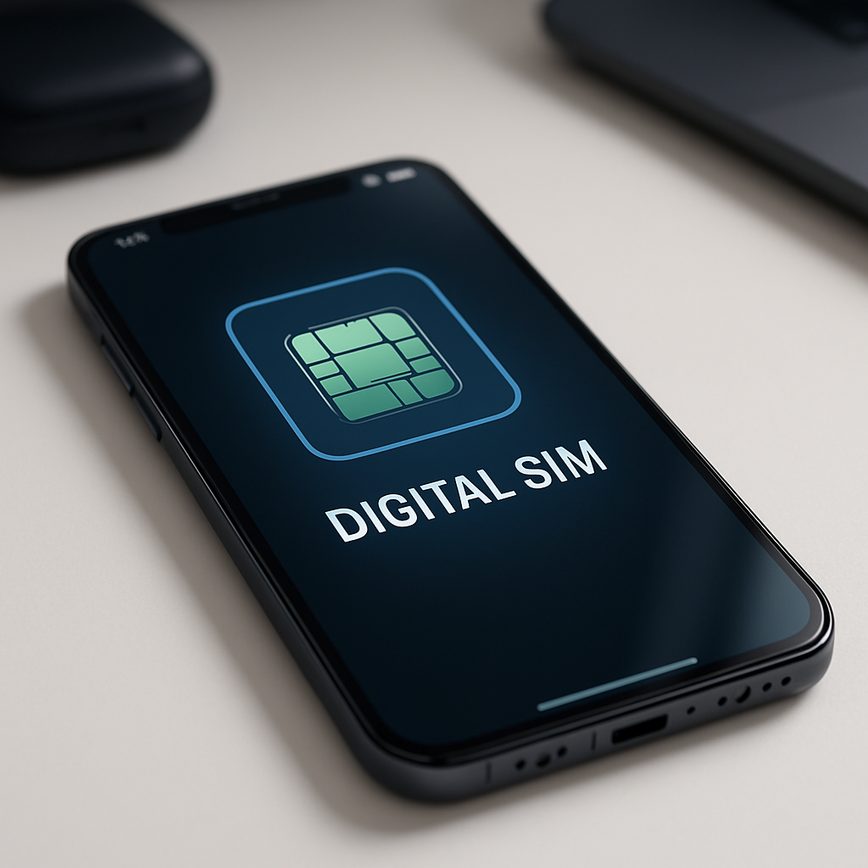
How digital SIM technology reduces plastic
20/04/2026
Introduction to Digital SIM Technology
Digital SIM technology, commonly known as eSIM, represents a revolutionary shift in how mobile connectivity is managed and delivered. Unlike traditional SIM cards, which are physical chips inserted into mobile devices, a digital SIM is embedded directly into the device itself. This embedded SIM can be reprogrammed remotely, allowing users to switch carriers, plans, or activate service without the need to physically change the SIM card.
The evolution of SIM technology began with the classic plastic SIM card, which served as the key component enabling mobile phones to connect to cellular networks. Over time, the demand for more flexible, efficient, and environmentally friendly solutions led to the development of the electronic SIM, or eSIM. This new form eliminates the need for physical handling and supports multiple profiles, making it ideal for IoT devices, wearables, and modern smartphones.
At its core, digital SIM technology simplifies mobile connectivity by integrating seamlessly with devices’ hardware and software. eSIMs store all necessary subscriber information digitally, which can be downloaded and activated over the air, greatly enhancing convenience for users. This capability supports faster, more flexible service activation and reduces the dependency on physical SIM cards historically associated with SIM technology.
Moreover, digital SIM technology plays a crucial role in modern mobile connectivity by enabling more efficient network management and facilitating global roaming without the need to swap SIM cards. The eSIM standard is supported by major mobile carriers worldwide, allowing users to manage multiple mobile plans on a single device with ease. This not only improves user experience but also contributes to a reduction in plastic waste, as fewer physical SIM cards are produced and discarded.
In summary, the advancement from traditional SIM to digital SIM (eSIM) technology represents a significant milestone in mobile connectivity. Offering flexibility, convenience, and sustainability, eSIM technology is becoming a fundamental element of modern mobile devices, transforming how we connect in an increasingly digital world.
What is a Digital SIM?
A digital SIM, commonly known as an eSIM or embedded SIM, is a modern alternative to the traditional plastic SIM card used in mobile devices. Unlike physical SIM cards that you insert into your phone, a digital SIM is built directly into the device’s hardware. This integration eliminates the need for a separate, removable card, enabling users to activate cellular plans digitally without swapping out physical cards.
The eSIM definition highlights its embedded nature, meaning it is soldered onto the device’s motherboard during manufacturing. This allows for seamless switching between network providers and plans with just a few taps, without the hassle of obtaining and inserting a new SIM card. Digital SIM technology makes it simpler for travelers and users who require multiple cellular profiles on the same device.
One of the key differences between a digital SIM and a traditional plastic SIM card is convenience. While plastic SIM cards are prone to getting lost, damaged, or outdated, embedded SIMs provide a more durable and environmentally friendly option. By reducing the production and disposal of physical SIM cards, digital SIMs contribute to reducing plastic waste, aligning with the growing demand for sustainable technology solutions.
Overall, the embedded SIM represents a significant advancement in mobile connectivity technology, offering flexibility, ease of use, and environmental benefits that traditional SIM cards cannot match.
Advantages of Using Digital SIMs
Digital SIMs offer numerous benefits that are transforming the experience for mobile users worldwide. One of the primary advantages is flexibility. Unlike traditional physical SIM cards, digital SIMs allow users to switch between different carriers and plans seamlessly without needing to swap out any hardware. This flexibility ensures that mobile users can adapt quickly to changing connectivity needs, whether for travel, business, or personal use.
Ease of use is another significant benefit of digital SIM technology. Activation is instant and can be done remotely through an app or provider portal, eliminating the hassle of visiting a store or waiting for a SIM card to arrive in the mail. This streamlined process saves valuable time and removes many of the common barriers to mobile connectivity.
Cost savings are also a key advantage. Digital SIMs reduce expenses related to manufacturing, shipping, and handling of physical cards. Additionally, users can often find more competitive plans and switch providers without penalty, encouraging better pricing and service options in the market. For mobile users, this means more affordable and customizable connectivity solutions.
Finally, the environmental impact of digital SIMs is profoundly positive. By eliminating the need for plastic SIM cards and their packaging, digital SIM technology significantly reduces plastic waste and resource consumption. This eco-friendly approach contributes to sustainability efforts and supports a greener future.
How Digital SIM Technology Reduces Plastic Waste
Digital SIM technology, commonly known as eSIM, is revolutionizing the telecommunications industry by significantly reducing plastic consumption and waste. Traditional physical SIM cards are made from plastic and require manufacturing, packaging, and distribution processes that generate considerable environmental impact. By replacing these plastic cards with embedded software-based solutions, eSIM technology offers a sustainable alternative that contributes to the overall reduction of plastic waste.
One of the primary eSIM benefits is the elimination of the need for physical SIM card production. Each physical SIM card involves plastic injection molding, often combined with metal chips and other materials, which collectively contribute to environmental degradation during production and disposal. Switching to digital SIMs means no plastic cards are produced, which directly lessens the volume of plastic entering the waste stream.
Beyond just the material savings, digital SIM technology also reduces the carbon footprint associated with logistics. Traditional SIM cards require packaging and shipping to retail stores or consumers worldwide. This logistics chain involves fuel consumption and emissions contributing to global environmental impact. With eSIMs, activation is done remotely without the need for physical delivery, thus lowering transportation-related emissions and resources.
Moreover, digital SIM technology supports sustainability by enabling users to switch between mobile operators or plans without acquiring new plastic SIM cards. This flexibility reduces the need for consumers to repeatedly dispose of old SIM cards, which often end up as electronic waste. By consolidating multiple profiles on one embedded chip, eSIMs prevent redundant plastic waste and promote a circular economy approach within telecommunications.
In summary, the integration of eSIM technology in mobile devices plays a vital role in plastic reduction efforts. By doing away with physical SIM cards, digital SIMs help lower plastic production and waste, reduce transportation emissions, and encourage sustainable consumption patterns through easy operator switching. As the telecom industry continues to adopt eSIM solutions, the positive environmental impact and contribution to sustainability will only grow stronger.
Elimination of Physical SIM Cards
The shift from traditional physical SIM cards to cutting-edge digital SIM technology, commonly known as eSIM, marks a significant step in reducing plastic waste. Unlike no physical SIM alternatives such as embedded SIMs, eSIMs do not require any plastic card to be manufactured, shipped, or disposed of. This transition contributes substantially to the reduction of plastic pollution generated by billions of SIM cards globally each year.
Physical SIM cards are typically made from plastic materials, which add to environmental degradation once discarded. The production process involves resource extraction, packaging, and transportation—all adding to the carbon footprint. By adopting the digital SIM format, users can activate mobile services without waiting for a plastic SIM card, helping to eliminate the waste associated with SIM cards that are often lost, damaged, or replaced unnecessarily.
The eSIM impact extends beyond just reducing plastic waste; it also streamlines mobile connectivity by allowing multiple profiles on a single device without the need for physical swapping. This innovation reduces the demand for physical SIM manufacturing, packaging, and logistics, thereby lowering environmental impact at multiple stages.
Overall, the adoption of no physical SIM technology directly tackles the environmental issues related to plastic SIM cards, making it a sustainable choice for users and mobile operators alike. With eSIM adoption gaining momentum worldwide, a significant reduction in plastic pollution related to SIM cards is becoming an achievable reality.
Environmental Benefits Beyond Plastic
Digital SIM technology offers significant environmental advantages beyond merely reducing plastic waste. One of the key benefits is the considerable reduction in carbon footprint associated with both manufacturing and transportation processes. Traditional physical SIM cards require extensive production steps involving plastic molding, packaging, and shipping to retailers and consumers worldwide. In contrast, digital SIMs are embedded directly into devices or remotely provisioned, eliminating the need for these energy-intensive stages.
This shift results in lower greenhouse gas emissions throughout the supply chain, as less energy is consumed in production facilities and fewer delivery vehicles are needed for distribution. Moreover, because digital SIMs enable seamless remote activation and management, they reduce the necessity for frequent physical replacements, further minimizing waste and the ongoing energy use associated with manufacturing new cards.
Sustainable technology like digital SIMs aligns with the growing global emphasis on waste reduction and energy efficiency. By decreasing reliance on plastic components and streamlining logistics, digital SIMs contribute to a greener telecommunications ecosystem. These innovations support companies and consumers alike in adopting more eco-friendly habits, ultimately helping to mitigate the broader impacts of electronic waste and carbon emissions on the environment.
Future Implications and Industry Adoption
The growing adoption of eSIM technology by telecom carriers and device manufacturers marks a significant shift in the industry’s approach to connectivity. This transition is more than just a technological upgrade; it represents a pivotal move towards sustainability trends that are increasingly shaping the future of telecommunications. As more carriers globally embrace eSIM adoption, the dependency on physical SIM cards diminishes, paving the way for a reduction in plastic waste and a lower environmental footprint.
Telecom providers are rapidly integrating digital SIM technology into their service offerings, recognizing both the operational efficiencies and environmental benefits. eSIMs eliminate the need for plastic card production, packaging, and logistics, which traditionally contribute to resource consumption and carbon emissions. Devices equipped with eSIM capabilities allow users to switch carriers and manage plans remotely without physical SIM swaps, streamlining the customer experience while supporting eco-friendly initiatives.
Looking ahead, the future technology landscape appears increasingly aligned with sustainability objectives powered by eSIM innovation. The telecom industry is expected to further accelerate eSIM adoption as regulatory frameworks and consumer demand evolve towards greener and more efficient solutions. This adoption not only curtails plastic pollution but also stimulates new business models focused on digital-first connectivity services.
Moreover, the integration of eSIM technology fosters collaboration among device makers, carriers, and software developers to create seamless ecosystems that prioritize both user convenience and environmental responsibility. As sustainability trends continue to influence telecom strategies, the widespread implementation of eSIMs stands as a key driver in reducing the ecological impact of mobile communications on a global scale.
Current Industry Adoption Rates
The adoption of eSIM technology has seen significant growth across the telecommunications industry, with many mobile carriers worldwide embracing this innovation. Major carriers such as AT&T, Verizon, Vodafone, and Deutsche Telekom have integrated eSIM adoption into their service offerings, allowing customers to activate mobile plans without the need for physical SIM cards. This transition supports environmental sustainability by reducing plastic waste generated from traditional SIM cards.
Device compatibility has played a crucial role in driving market trends related to digital SIM adoption. Leading smartphone manufacturers like Apple, Samsung, and Google have incorporated eSIM capabilities into an increasing number of their devices, ranging from flagship models to mid-tier options. For example, Apple’s iPhone 14 series and later models rely heavily on eSIM technology, while Samsung’s Galaxy series offers dual-SIM functionality with one physical SIM and one eSIM slot, catering to diverse user preferences.
Market trends indicate a steady rise in eSIM activation rates, especially in regions like North America, Europe, and parts of Asia, where both consumers and enterprises prioritize seamless connectivity and convenience. Additionally, the Internet of Things (IoT) ecosystem benefits from eSIMs, as device makers integrate embedded SIMs into smartwatches, tablets, and other connected devices, supporting the expansion of digital SIM technology beyond traditional mobile phones.
In summary, the widespread eSIM adoption by mobile carriers and extensive device compatibility highlight a clear industry trend towards digital SIM technology, reinforcing its role in creating more sustainable and flexible mobile connectivity solutions.
Potential Impact on Plastic Reduction Goals
The widespread adoption of digital SIM technology holds significant promise for advancing plastic reduction goals within the telecom sector and beyond. Traditional physical SIM cards, typically made from plastic, contribute to substantial plastic waste globally. By replacing these with virtual SIMs embedded in devices, telecom companies can drastically cut down the need for plastic manufacturing, packaging, and distribution.
This shift aligns closely with broader environmental targets set by governments and organizations aiming for more sustainable telecom practices. Removing plastic SIM cards from the supply chain reduces the carbon footprint linked to plastic production and disposal. Moreover, it supports circular economy principles by minimizing material waste and encouraging digital innovation in device connectivity.
As digital SIM technology becomes the standard, it empowers telecom providers to meet sustainability goals more effectively. Governments can incorporate these advancements into regulatory frameworks to promote greener communications infrastructure. The future impact of this trend extends beyond plastic reduction, fostering a holistic approach to sustainable development within the tech industry.
In summary, the transition to digital SIMs is a powerful step toward environmental responsibility. It enables both telecom companies and policymakers to achieve their plastic reduction goals, supporting a sustainable telecom ecosystem that benefits the planet and future generations alike.

I’m a lifelong traveler who fell in love with the freedom that eSIM technology offers. Exploring new places while staying seamlessly connected has become my personal mission, and I love sharing practical tips on managing mobile data abroad. When I’m not testing the latest eSIM platforms, I’m mapping out the next adventure.