Why telecom providers adopt eSIM
18/03/2026
Understanding eSIM Technology
eSIM technology, also known as embedded SIM or digital SIM, represents a significant leap in telecom innovation. Unlike traditional SIM cards, which are physical chips that must be inserted into a device, eSIM is a programmable embedded chip integrated directly into a device’s motherboard. This allows telecom providers and users to activate cellular plans without needing to swap out physical cards, streamlining connectivity and enhancing flexibility.
The core components of eSIM technology include the embedded hardware chip itself and the software interface that manages profile downloads and network settings. This embedded SIM chip is designed to securely store multiple network profiles, enabling a user to switch between mobile carriers or data plans remotely without physically changing the SIM card. The software enables remote provisioning, which means activation, management, and switching of the network can be done over the air (OTA) through a digital portal or app.
One of the key differences between eSIM technology and traditional SIM cards lies in physicality and convenience. Traditional SIM cards are removable plastic chips that require handling, carrier visits, or delivery for activation and replacement. In contrast, eSIM eliminates the need for physical swapping and supports multiple profiles on a single embedded chip. This results in faster activation times, better security against SIM card loss or theft, and the ability for devices to seamlessly switch between networks, especially useful for travelers or those needing multiple plans.
Furthermore, eSIM technology enables telecom providers to innovate their service offerings by making it easier to deploy new connectivity options and manage customer accounts digitally. For users, the advantages include reduced device size due to the absence of a SIM card slot and improved device durability as there are fewer physical components susceptible to wear and tear. This paradigm shift towards embedded SIMs signals a new era in digital SIM functionality and telecom infrastructure evolution.
Overall, as telecom providers embrace this embedded SIM standard, the benefits of eSIM technology extend beyond convenience to encompass enhanced flexibility, security, and support for the growing array of connected devices in today’s digital landscape.
What is an eSIM?
An eSIM, or embedded SIM card, is a digital SIM technology that is embedded directly into a device, eliminating the need for a physical SIM card. Unlike traditional SIM cards that require manual insertion and swapping, the eSIM is built into the device’s hardware and can be programmed remotely by mobile carriers. This innovative SIM technology offers several key benefits that make it increasingly popular among telecom providers and consumers alike.
One of the primary advantages of an eSIM is its convenience and flexibility. Users can switch carriers or plans without having to physically change the SIM card, making the process faster and seamless. This also means that devices can support multiple profiles, enabling users to have several mobile numbers or data plans on a single device, which is especially beneficial for frequent travelers or business users.
The eSIM benefits extend to device design and durability as well. Since there is no need for a physical SIM slot, manufacturers have more freedom to design slimmer, waterproof, and more compact devices. Additionally, the embedded nature of the eSIM enhances security, as it is harder to remove or tamper with compared to a traditional SIM card.
Overall, the eSIM definition encompasses a transformative technology that streamlines mobile connectivity, offering enhanced convenience, security, and design possibilities that traditional physical SIM cards cannot match.
How eSIM Works in Devices
eSIM functionality is revolutionizing how mobile and IoT devices connect to cellular networks. Unlike traditional SIM cards, an eSIM is embedded directly into a device’s hardware, eliminating the need for a physical card. This integration allows manufacturers to save space and improve device durability.
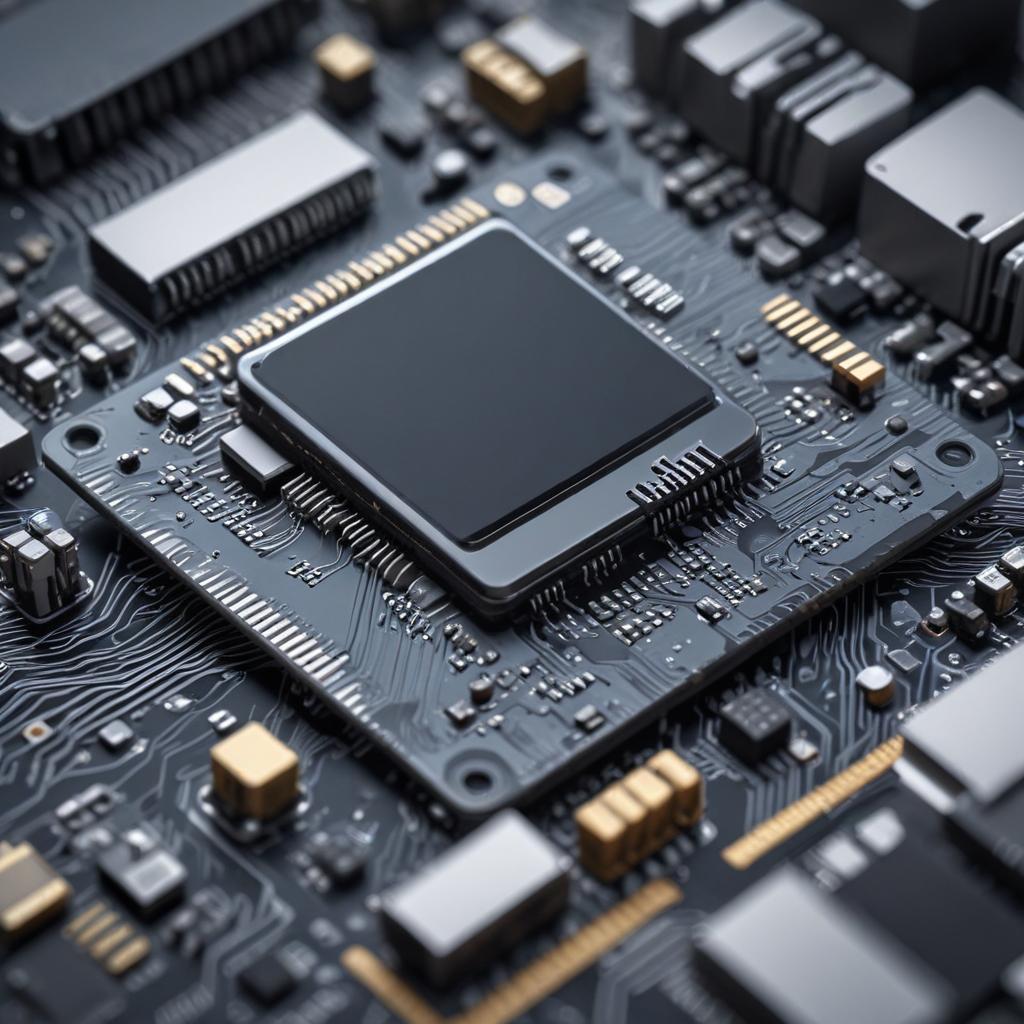
When it comes to device integration, the eSIM chip is soldered onto the device’s motherboard during production. This compact module stores multiple carrier profiles securely and can switch between them via software without physical swapping. This capability is particularly beneficial for IoT devices, which often require consistent connectivity in various locations without manual SIM changes.
The eSIM activation process begins with the user or the device receiving a QR code or activation code from the telecom provider. Once scanned or entered, the device downloads the carrier profile directly to the embedded eSIM. This process is highly secure and can be managed remotely, simplifying the activation experience compared to traditional SIM cards. Additionally, users can activate multiple plans or switch networks seamlessly, enhancing flexibility.
Overall, eSIM functionality and its integration into devices streamline connectivity, reduce physical dependencies, and open new possibilities for device design and user convenience. These advances make eSIM activation faster and more efficient for consumers and IoT ecosystems alike.
Reasons Telecom Providers Adopt eSIM
Telecom providers are rapidly embracing eSIM adoption as a transformative trend in the telecommunications industry. The primary motivations behind this shift center around unlocking significant business benefits while addressing evolving telecom trends. eSIM technology offers telecom companies enhanced operational efficiency, cost savings, and improved customer experience, making it a pivotal innovation for staying competitive.
One of the foremost reasons telecom providers adopt eSIM is the operational flexibility it brings. Unlike traditional SIM cards, eSIMs are embedded directly into devices and can be remotely programmed. This eliminates the logistical challenges and expenses tied to producing, distributing, and replacing physical SIM cards. Consequently, telecom companies can reduce costs associated with inventory management and streamline activation processes, hastening customer onboarding and boosting overall efficiency.
From a business benefits perspective, eSIM adoption enables telecom providers to expand their market reach more effectively. Consumers and businesses increasingly demand seamless connectivity options for multiple devices like smartphones, tablets, wearables, and IoT products. eSIM technology supports these needs by allowing users to switch carriers or plans without hassle, fostering customer satisfaction and loyalty. This agility also opens opportunities for tailored plans and innovative service bundles, further enhancing revenue streams.
Furthermore, telecom trends show a growing emphasis on digital transformation and network modernization. eSIM adoption aligns perfectly with these trends by facilitating remote provisioning and management of mobile subscriptions, which supports emerging 5G networks and IoT ecosystems. The ability to update or change network profiles over the air increases agility in responding to market demands and regulatory requirements while reducing dependency on physical infrastructure.
Security is another critical factor driving eSIM adoption. Embedded SIMs offer enhanced protection against SIM-related fraud and theft due to their secure hardware design and remote management capabilities. Telecom providers benefit by mitigating risks and improving customer trust, which is paramount in today’s digital era.
In summary, telecom providers adopt eSIM technology to capitalize on operational efficiencies, expand their service offerings, adapt to digital and network trends, and enhance security. These motivating factors collectively contribute to a robust and forward-looking telecom ecosystem that meets modern connectivity demands while driving sustainable business growth.
Enhanced Customer Experience
eSIM technology significantly enhances the customer experience by offering unparalleled convenience through instant activation and greater device flexibility. Unlike traditional SIM cards, which require physical swapping and can cause delays, eSIMs allow users to activate mobile plans immediately, straight from their device without waiting for a physical card to arrive. This instant activation eliminates downtime and provides users with swift access to network services, especially beneficial when switching providers or plans.
Moreover, eSIMs simplify the process of switching between devices. Customers can easily transfer their mobile plan data from one device to another without the hassle of managing multiple SIM cards or visiting a store. This seamless device flexibility enables users to conveniently use multiple devices with a single cellular plan, enhancing mobility and user satisfaction. The ability to manage connectivity remotely empowers users to stay connected on their terms, improving overall convenience.
By integrating eSIM technology, telecom providers deliver an upgraded customer experience that addresses common pain points such as activation delays and device limitations. The instant activation feature combined with effortless device switching aligns perfectly with modern users’ expectations for speed and flexibility. Ultimately, eSIM adoption leads to higher customer satisfaction and loyalty through improved service accessibility and user-friendly connectivity management.
Operational and Cost Efficiency
eSIM technology brings significant cost savings and operational efficiency to telecom providers by eliminating the need for physical SIM cards. Traditional SIM production incurs considerable expenses related to manufacturing, packaging, and distributing physical cards globally. With eSIM, these costs are drastically reduced as digital SIMs can be remotely provisioned and managed without physical logistics.
Furthermore, the reduction in physical SIM inventory lowers warehousing costs and minimizes losses due to damaged or lost cards. The simplified logistics chain also means fewer delays and less complexity in activating new customers or switching between plans, enhancing the overall customer experience. These streamlined operations translate directly into better resource allocation and reduced operational burden for telecom providers.
From a support perspective, eSIM benefits include fewer issues related to SIM card malfunctions or customer errors in SIM installation. This reduction in support calls and troubleshooting frees up service teams to focus on higher-value tasks, thereby increasing operational efficiency. Ultimately, adopting eSIM technology helps providers cut costs, optimize logistics, and improve service delivery, positioning them favorably in a competitive market.
New Market and Service Opportunities
eSIM technology unlocks vast new market and service opportunities for telecom providers, particularly as they seek to expand their reach into the rapidly evolving IoT market. By enabling remote provisioning and management of connectivity, eSIM empowers providers to offer a wide range of innovative digital transformation solutions that cater to the diverse needs of connected devices. This facilitates seamless integration across industries such as automotive, healthcare, smart cities, and industrial automation.
One of the most significant advantages of eSIM is its ability to drastically simplify the deployment of IoT devices. Telecom providers can now easily activate and manage connectivity for thousands or even millions of devices without the traditional hassles related to physical SIM card distribution. This connectivity expansion supports a dynamic, scalable approach, allowing providers to introduce new services swiftly and reach previously untapped customer segments.
Furthermore, eSIM enhances the user experience by supporting multi-network selection and seamless switching, ensuring uninterrupted service and optimized connectivity. This flexibility helps telecom companies differentiate themselves by delivering tailored solutions to both consumers and enterprises, accelerating their digital transformation journey. As a result, eSIM not only drives growth but also positions providers as key enablers of the connected future.
Challenges and Future Outlook of eSIM Adoption
The adoption of eSIM technology by telecom providers brings with it several challenges that must be addressed to ensure smooth integration and widespread acceptance. Among the primary eSIM challenges is interoperability across different devices and networks. While eSIMs promise seamless connectivity, variations in implementation standards can complicate the user experience, causing frustration for consumers and additional burden for providers. Ensuring compatibility across diverse hardware platforms remains a significant hurdle for the telecom industry.
Security concerns also rank high in the list of obstacles faced during technology adoption. With eSIMs being programmable remotely, protecting subscriber data and preventing unauthorized access requires robust encryption and stringent regulatory compliance. Telecom operators must invest in advanced security measures to build trust and safeguard sensitive information, which can be resource-intensive but essential for long-term success.
Another challenge lies in the transformation of existing business models. Traditional SIM card sales generate considerable revenue and customer interaction points. The shift to eSIM-enabled services demands new strategies for customer acquisition, service activation, and billing. Telecom providers need to innovate and adapt their workflows to maintain revenue streams and customer engagement in this evolving landscape.
Looking ahead, the future of telecom is poised for substantial evolution driven by market trends favoring greater device connectivity and user flexibility. As more manufacturers and service providers adopt eSIM standards globally, consumers will benefit from simplified multi-device management and instant network switching without physical SIM swaps. This is expected to open avenues for new types of service plans, enhanced IoT integrations, and cross-border connectivity solutions.
The continued improvement of eSIM technology and standardization efforts will likely mitigate many current challenges. Telecom providers that embrace these developments early can gain competitive advantages by offering innovative services and improved customer experiences. Overall, the future outlook for eSIM adoption suggests a gradual but steady transformation aligned with broader digitalization trends, signaling an exciting era for technology adoption in the telecom sector.
Security and Privacy Concerns
While the adoption of eSIM technology offers numerous benefits for telecom providers and users alike, it also raises important questions about eSIM security and privacy issues. One of the main concerns revolves around the increased risk of unauthorized access to the embedded SIM profile, potentially leading to data breaches and identity theft. Since eSIMs are remotely programmable, they require robust encryption and secure authentication protocols to protect users’ data and prevent malicious activities.
Privacy issues also come to the forefront as eSIM technology can potentially be used to track users’ location data and usage patterns more closely than traditional SIM cards. Telecom providers must therefore implement strict data protection measures and comply with regulatory frameworks to ensure users’ personal information remains confidential and secure. This includes employing end-to-end encryption and limiting data sharing with third parties.
To address these challenges, the telecom industry is continuously working on enhancing eSIM security by adopting advanced security standards such as 3GPP’s remote SIM provisioning specifications. Additionally, multi-factor authentication and secure element hardware designs help strengthen the overall telecom safety framework. Awareness and education regarding potential risks and best security practices also play a crucial role in mitigating privacy concerns associated with eSIM technology.
Regulatory and Compatibility Issues
The adoption of eSIM technology by telecom providers faces several regulatory and compatibility challenges that slow its widespread market adoption. Regulatory hurdles vary significantly across regions, as governments and telecommunications authorities work to establish clear guidelines for eSIM usage. These regulations are crucial for ensuring consumer protection and data security but can also delay the deployment of eSIM services. Navigating this complex regulatory landscape remains a major obstacle for providers aiming to expand eSIM availability globally.
In addition to regulatory concerns, network compatibility issues pose significant challenges. Not all devices and networks fully support eSIM technology, which can hinder seamless integration. This lack of universal compatibility is partly due to varying industry standards and the pace at which device manufacturers and network operators adopt new specifications. Without consistent standards, ensuring interoperability across different carriers and devices becomes difficult, limiting the potential reach of eSIM services.
Moreover, compatibility problems extend to device hardware and software, where older models may not support eSIM functionality, creating fragmentation in the market. Telecom providers must balance the cost and effort of supporting both traditional SIM cards and eSIM technology during this transitional phase. These combined regulatory and compatibility challenges significantly impact the rate at which eSIM solutions can achieve broader market adoption, despite their advantages in flexibility and convenience.
The Future of eSIM in Telecom
The eSIM future is poised for significant transformation, especially as it integrates more deeply with emerging technologies like 5G. This next-generation network enables faster, more reliable connectivity, which complements the digital SIM evolution by enhancing user experience and operational efficiency for telecom providers. As 5G adoption grows, eSIMs will become an essential feature of devices, allowing seamless connectivity management without the need for physical SIM cards.
Industry trends indicate a move toward complete digitalization of SIM technology, which aligns with the increasing demand for flexible and remote SIM provisioning. This advancement will empower consumers to switch carriers effortlessly, subscribe to multiple plans, or activate new services instantly. Telecom companies adopting eSIM technology will gain competitive advantages through cost savings on production and distribution, as well as the ability to innovate with customized service offerings.
Moreover, the integration of eSIM with 5G networks will accelerate the growth of Internet of Things (IoT) applications by providing scalable and secure connectivity solutions for billions of devices. This evolution is expected to reshape the telecom sector by enabling smarter, more connected ecosystems and driving new revenue streams. Overall, the synergy between eSIM and 5G marks a pivotal shift in telecom, positioning eSIM as a cornerstone technology in the digital future of connectivity.

I’m a lifelong traveler who fell in love with the freedom that eSIM technology offers. Exploring new places while staying seamlessly connected has become my personal mission, and I love sharing practical tips on managing mobile data abroad. When I’m not testing the latest eSIM platforms, I’m mapping out the next adventure.