How digital SIM technology supports tourism
31/07/2026
Digital SIM technology, commonly known as eSIM, is transforming the way tourists connect to mobile networks while traveling. This innovative technology offers numerous advantages over traditional SIM cards, making it an essential tool for today’s travelers. With the increasing demand for seamless connectivity, eSIMs are becoming a preferred option for those exploring new destinations. This article delves into how eSIM technology supports tourism by enhancing connectivity, convenience, and user experience.
Understanding eSIM Technology
eSIM technology represents a significant advancement in mobile connectivity. Unlike traditional SIM cards that require physical swapping, eSIMs are embedded directly into devices and can be activated remotely. This means travelers can easily switch between different mobile networks without needing to purchase and insert a physical SIM card. The convenience of eSIMs allows tourists to manage their mobile data plans from their devices, making it easier to stay connected while abroad.
The adoption of eSIM technology is growing rapidly, with many smartphones, tablets, and wearable devices now supporting it. According to industry reports, the global eSIM market is expected to reach $26 billion by 2025. This surge is driven by the increasing need for flexible mobile data solutions among travelers who require reliable connectivity during their journeys.
Seamless Connectivity for Travelers
One of the primary benefits of eSIM technology is the ability to maintain seamless connectivity. Tourists often face challenges with traditional SIM cards, such as high roaming charges or limited data plans. eSIMs alleviate these issues by allowing users to choose local data plans from various carriers, often at more competitive rates. This flexibility ensures that travelers can access the internet without worrying about exorbitant fees.
Moreover, eSIMs enable users to switch networks based on their needs. For instance, if a traveler arrives in a new country and finds that their current plan is not offering adequate coverage or speed, they can quickly switch to a local carrier with better service. This adaptability is particularly beneficial in regions where network quality can vary significantly.
Cost-Effective Solutions for Tourists
Cost considerations are paramount for many travelers, especially those on a budget. eSIM technology offers a more economical solution compared to traditional roaming options. Tourists can purchase local data plans directly from their devices, often at a fraction of the cost of international roaming fees. This cost-effectiveness encourages tourists to stay connected without overspending, allowing them to share their experiences in real-time.
For example, a traveler visiting Japan might opt for an eSIM plan that offers unlimited data for a week at a reasonable price. This plan not only provides the necessary connectivity for navigation and communication but also allows them to share photos and updates on social media without fear of incurring additional charges. This financial advantage is a significant draw for tourists seeking to maximize their travel experiences.
Enhanced User Experience and Convenience
eSIM technology significantly enhances the user experience for travelers. The process of activating a new mobile plan is streamlined and hassle-free. Tourists can simply scan a QR code provided by the carrier to activate their eSIM, eliminating the need to visit a physical store. This ease of use is particularly beneficial for those who may not speak the local language or are unfamiliar with the local telecommunications market.
Additionally, the ability to manage multiple eSIM profiles on a single device allows travelers to keep their home number active while using a local plan. This dual-use capability ensures that they can receive important calls or messages without incurring extra charges, providing peace of mind while exploring new destinations.
Supporting Local Economies
The rise of eSIM technology also supports local economies by encouraging tourists to purchase local data plans. When travelers buy eSIMs from local carriers, they contribute to the economic growth of the regions they visit. This influx of spending can benefit local businesses, particularly those in the tourism sector, such as hotels, restaurants, and tour operators, who rely on connectivity to enhance their services.
Local carriers often offer tailored packages that cater specifically to tourists, including data plans that allow for easy access to popular tourist attractions, navigation apps, and social media platforms. This not only boosts the local economy but also enhances the overall travel experience by providing tourists with the resources they need to explore their surroundings effectively.
Improving Safety and Security for Tourists
Safety is a primary concern for travelers, and eSIM technology can enhance security. With a reliable internet connection, tourists can easily access maps, emergency services, and contact information for their country’s embassy or consulate. This capability is crucial in unfamiliar environments where assistance may be needed quickly.
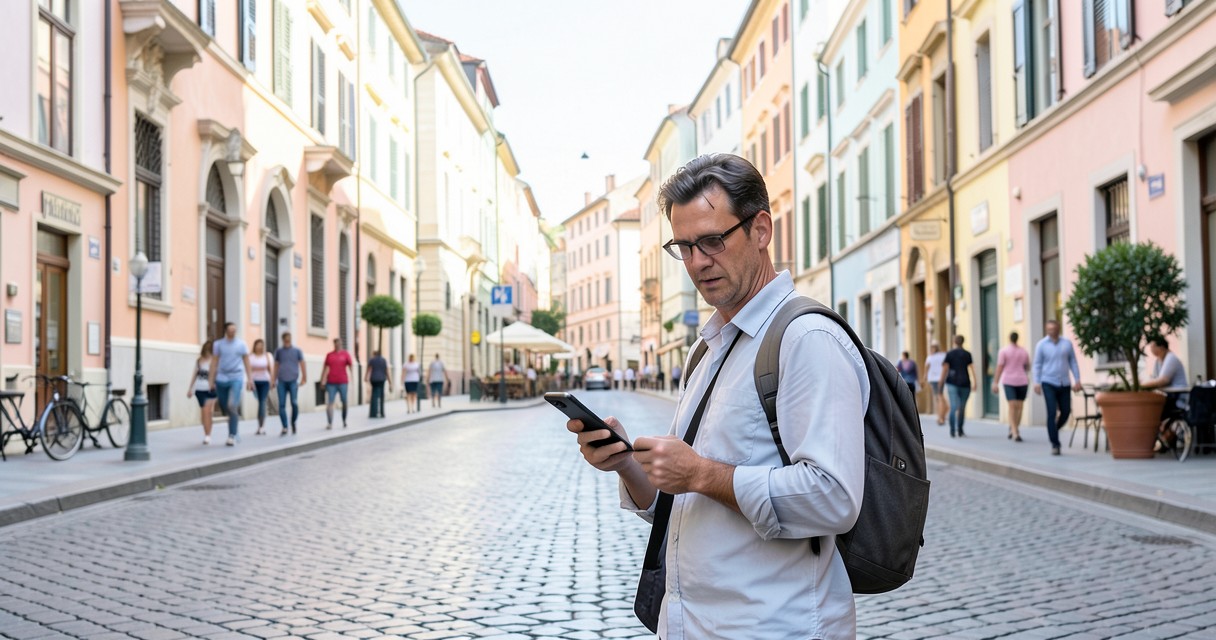
Furthermore, eSIMs allow travelers to stay connected with friends and family back home, providing an added layer of security. Sharing travel itineraries and location updates can help ensure that loved ones are aware of their whereabouts, which is particularly important in emergency situations. The ability to communicate effectively can significantly reduce the anxiety associated with traveling in new places.
The Future of eSIM in Tourism
As eSIM technology continues to evolve, its impact on tourism is likely to grow even more significant. With advancements in mobile network infrastructure, such as the rollout of 5G, travelers can expect faster and more reliable connectivity. This enhancement will further improve the travel experience, allowing for high-quality video calls, streaming services, and real-time navigation.
Moreover, as more devices become eSIM-compatible, the technology’s adoption will likely expand beyond smartphones to include laptops, tablets, and IoT devices. This widespread integration will create a more connected travel ecosystem, empowering tourists to stay in touch and access information anytime, anywhere.

I’m a lifelong traveler who fell in love with the freedom that eSIM technology offers. Exploring new places while staying seamlessly connected has become my personal mission, and I love sharing practical tips on managing mobile data abroad. When I’m not testing the latest eSIM platforms, I’m mapping out the next adventure.