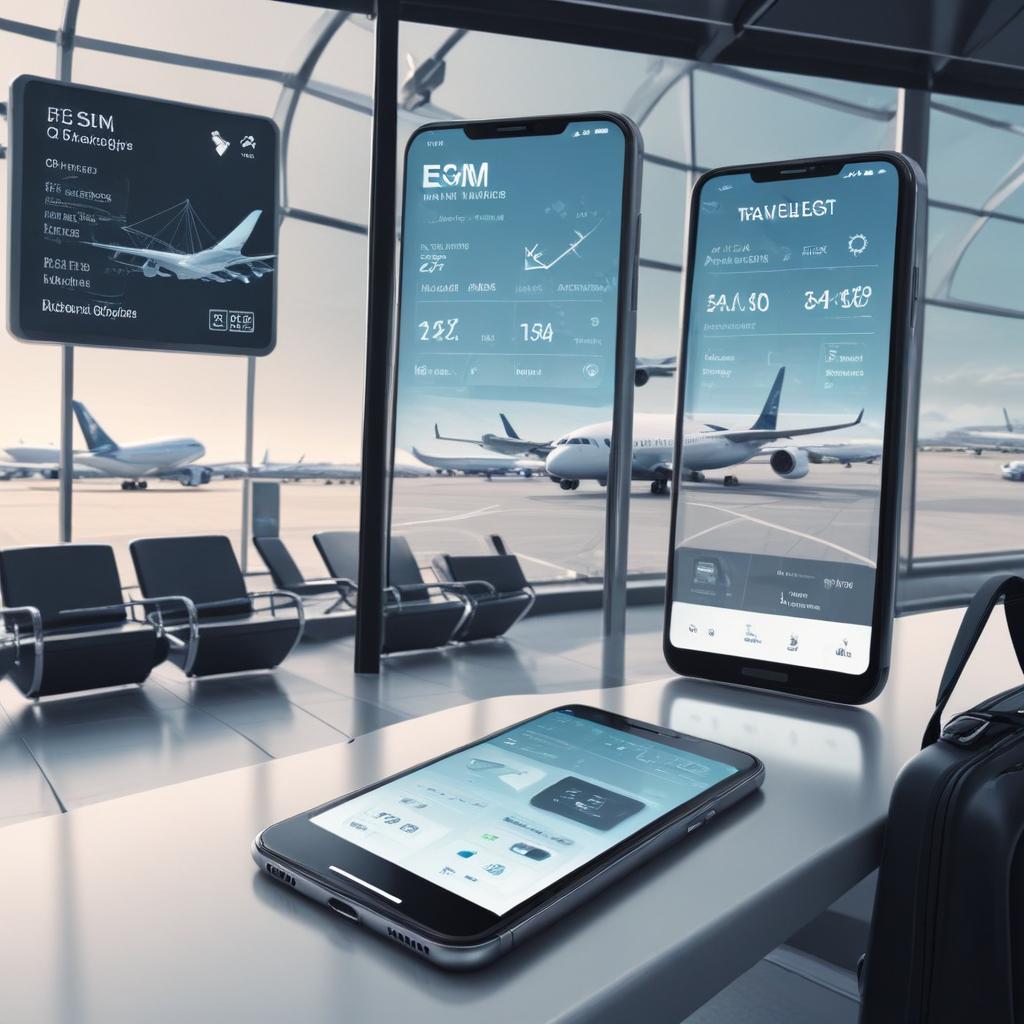
Why travelers prefer eSIM over SIM cards
22/02/2026
Advantages of eSIM Technology for Travelers
eSIM technology offers numerous benefits that make it highly appealing for travelers looking to stay connected without hassle. One of the key eSIM benefits is its unparalleled flexibility. Unlike traditional SIM cards that require physical swapping, eSIMs are embedded directly into the device, allowing travelers to switch between carriers and plans digitally. This adaptability means you can quickly activate a local data plan upon arrival at your destination, avoiding roaming charges and ensuring seamless mobile connectivity worldwide.
Ease of use is another significant advantage of eSIM technology. With just a few taps on your smartphone or tablet, you can download and install a new network profile without the need to visit a store or wait for a physical SIM card to arrive in the mail. This streamlined process eliminates many travel-related inconveniences and enhances the overall user experience. Moreover, having multiple eSIM profiles stored on your device allows you to manage personal and work numbers efficiently, making it a smart choice for frequent travelers who rely on smooth communication.
Cost savings also contribute to the growing popularity of this digital SIM solution among travelers. Traditional roaming fees can be expensive and unpredictable, but eSIMs enable users to choose affordable local or international plans tailored to their travel needs. By avoiding exorbitant roaming charges, travelers can control their budgets better and enjoy uninterrupted connectivity without financial stress. Additionally, eSIM technology supports quick plan changes, so you can switch to cost-effective options anytime during your journey.
Ultimately, eSIM technology represents a major innovation in travel tech, combining convenience, efficiency, and savings. For travelers prioritizing flexibility, ease of use, and affordable mobile access, eSIMs provide the perfect solution to stay connected effortlessly wherever their adventures take them.
Convenience and Flexibility
One of the standout advantages of eSIM convenience is the ability it gives travelers to switch instantly between carriers and plans without ever needing a physical SIM card. This digital solution eradicates the traditional hassle of swapping tiny SIM cards when arriving in a new country. Instead, users can simply download new carrier profiles directly to their device with just a few taps.
The flexibility of eSIM also means that travelers can manage multiple plans simultaneously. Whether choosing a local data plan for cost savings or a global roaming package for seamless connectivity, users can activate or deactivate plans as needed without restrictions. This flexibility is especially beneficial for frequent travelers who visit multiple destinations within a short timeframe.
Instant activation is another significant benefit enabled by eSIM technology. Forget waiting in lines at local shops or airports to purchase and activate SIM cards; eSIM plans can be bought online and activated immediately upon arrival, or even before leaving home. This speed and ease of setup not only save precious travel time but also reduce stress, allowing travelers to stay connected effortlessly throughout their trip.
Overall, the combination of instant switching, flexible plans, and quick activation makes eSIM the preferred choice for modern travelers seeking convenience and enhanced control over their mobile connectivity wherever they go.
Cost Efficiency and Savings
One of the standout advantages of using an eSIM for travelers is the significant cost savings it offers. Traditional SIM cards often tie travelers into expensive roaming charges when they use their home carrier’s service abroad. These roaming fees can quickly add up, making international travel data usage surprisingly costly. In contrast, eSIM technology enables travelers to easily switch to local carriers, allowing them to avoid hefty roaming charges altogether.
With an eSIM, travelers gain access to affordable travel data plans that are tailored to their specific destinations. Many local carriers offer competitive prices for data services, and eSIM users can select and activate the best plan directly from their device without the need to purchase a physical SIM card. This flexibility not only reduces costs but also simplifies the process of staying connected while abroad.
Moreover, the digital nature of eSIMs means travelers can compare various carriers and plans in real time, ensuring they choose the most cost-effective option. This dynamic approach to managing mobile data leads to greater control over expenses and eliminates the surprise of exorbitant roaming fees on a traveler’s bill. Ultimately, eSIM cost savings make international communication and navigation more accessible, enhancing the overall travel experience.
Comparing eSIMs with Traditional SIM Cards
When comparing eSIM vs SIM cards, especially in the context of travel, several factors such as usability, compatibility, and security come into sharp focus. These aspects define the mobile network options available to travelers and can significantly impact their mobile experience abroad.
Usability is one of the major differences between eSIMs and traditional SIM cards. Traditional SIM cards require physical swapping, which can be inconvenient while on the move, particularly if you need to switch between multiple networks during your travels. In contrast, eSIMs offer a digital alternative where profiles can be downloaded and activated remotely without ever needing to handle a physical card. This makes managing multiple travel SIMs effortless and eliminates the risk of losing or damaging a SIM card while abroad.
Compatibility is another crucial factor in the travel SIM comparison. Traditional SIM cards have been universally accepted for years and work with a vast majority of unlocked mobile devices worldwide. However, not all devices currently support eSIM technology, which could limit your options if your device isn’t compatible. On the other hand, eSIM technology is rapidly expanding, and many modern smartphones, tablets, and wearables are now eSIM-enabled, affording travelers more flexibility in choosing their mobile network options without being tied to a physical card.
Security is increasingly important when selecting between eSIM and traditional SIM cards. eSIMs enhance security by reducing physical tampering risks — since the eSIM is embedded within the device, it cannot be easily removed or swapped without the user’s authorization. This added layer of protection is particularly valuable to travelers who need to safeguard their mobile connections against unauthorized use. Meanwhile, traditional SIM cards can be lost, stolen, or cloned, posing higher security risks during travel.
In summary, while traditional SIM cards remain a reliable and widely compatible choice, eSIMs offer clear advantages in usability and security, making them a superior option for today’s traveling needs. The decision between eSIM vs SIM ultimately depends on your device compatibility and your preference for convenience and enhanced security in your mobile network options as you travel the world.
Compatibility and Device Support
Device compatibility plays a crucial role in the growing preference for eSIM technology among travelers. eSIM devices are becoming increasingly common in smartphones, tablets, and wearable gadgets. Major manufacturers such as Apple, Samsung, Google, and Huawei now equip many of their latest models with eSIM capability, allowing users to activate mobile plans without the need for a physical SIM card. This marks a significant shift from traditional SIM card phones, which require a physical SIM swap to change carriers or connect to local networks abroad.
For travelers, this technological advancement offers substantial convenience and flexibility. With eSIM devices, they can seamlessly switch between multiple mobile network providers without carrying an array of physical SIM cards. This also eliminates the risk of losing tiny SIM cards while on the move. Moreover, device compatibility with eSIM means travelers can manage their mobile connectivity directly from their device settings, often through carrier apps or QR code scans, making it easier to stay connected no matter where they are.
In contrast, users of traditional SIM card phones face the inconvenience of physically replacing SIM cards when crossing borders, which can be time-consuming and result in limited network choices. Additionally, finding and purchasing SIM cards in foreign countries can be a hassle. eSIM technology, supported by a growing number of devices, therefore represents a game changer for travelers who prioritize effortless connectivity and want to avoid the complexities and limitations tied to SIM card phones.
Security and Privacy Benefits
eSIM technology offers significant advantages in terms of security and mobile privacy compared to traditional SIM cards. One of the primary benefits is the reduced risk of SIM theft. Unlike physical SIM cards that can be easily removed or swapped, an eSIM is embedded directly into the device, making it much harder for thieves to access or misuse your mobile identity. This inherent design reduces the chance of SIM swapping attacks, which are a common method used by cybercriminals to intercept calls, texts, and two-factor authentication codes.
In addition to theft prevention, eSIM security extends to improved data protection. Since the provisioning process of eSIMs is digital and conducted over secure channels, there is less risk of interception or tampering during activation. This secure environment helps protect sensitive information related to your mobile account and ensures that your connection remains private. Furthermore, mobile carriers can quickly and remotely update security policies and encryption protocols on eSIMs, enhancing ongoing protection against emerging threats.
Overall, the increased security measures that come with eSIM technology directly contribute to better mobile privacy for users. By minimizing physical vulnerabilities and enabling secure remote management, eSIMs provide a safer mobile experience free from many traditional SIM card risks. Travelers, in particular, benefit from these advancements as they rely on secure, uninterrupted connectivity without compromising their personal data or privacy.
Future Trends: eSIM Adoption in Global Travel
The future of travel technology is rapidly evolving, and one of the most significant shifts is the increasing adoption of eSIM technology across the globe. As travelers seek more convenience and flexibility, eSIMs are emerging as a transformative solution, replacing traditional SIM cards and reshaping how we stay connected during our journeys. The eSIM future looks promising, especially as the technology continues to integrate seamlessly with the growing demands of global travel.
Travel technology trends indicate that eSIM adoption is on an upward trajectory, fueled by advancements in mobile networks, device compatibility, and user preferences. More smartphone manufacturers are now embedding eSIM capabilities in their latest devices, making it easier for users to switch carriers or plans without needing to physically change SIM cards. This convenience dramatically appeals to international travelers who require access to multiple networks without the hassle of visiting local stores or purchasing multiple SIM cards.
Global eSIM adoption is also supported by an expanding ecosystem of service providers and travel operators who recognize the benefits of this technology. eSIMs enable travelers to activate local data plans instantly upon arrival or even before leaving their home country, providing immediate connectivity and reducing roaming charges. This trend is particularly important for frequent flyers, digital nomads, and business travelers who demand reliable, cost-effective mobile data options worldwide.
Moreover, the rise of eSIM adoption ties closely with broader innovations in travel technology trends, such as 5G networks and IoT connectivity. These advancements enhance mobile data speeds and device interconnectivity, creating a more immersive and efficient travel experience. As more airlines, hotels, and travel platforms integrate eSIM services into their offerings, travelers can expect a smoother, more connected journey at every step.
Looking ahead, eSIM future development will likely focus on improving user interface, security features, and international roaming agreements, making global eSIM adoption even more accessible. Governments and regulatory bodies are also starting to adapt policies that support the widespread use of eSIMs, paving the way for a truly global, hassle-free mobile experience for travelers everywhere. In summary, eSIM technology is not just a passing trend but a fundamental shift in how we approach connectivity in the travel industry.
Airline and Travel Industry Integration
The integration of airline eSIM technology is revolutionizing how the travel industry leverages digital travel tools to improve passenger experience and connectivity. Airlines and travel companies are increasingly adopting eSIM solutions to provide seamless mobile data access for travelers without the hassle of physical SIM card swaps. This shift not only simplifies the process of staying connected abroad but also enhances convenience by enabling instant activation and management of mobile plans directly from smartphones or devices.
With travel industry technology advancing rapidly, airlines are embedding eSIM services into their offerings, allowing passengers to purchase and activate data plans tailored to their journey before or during travel. These digital travel tools facilitate continuous connectivity that supports real-time updates, personalized travel information, and easy communication across borders. By integrating eSIM into their ecosystems, travel companies ensure a smoother and more connected experience, reducing customer stress and boosting satisfaction.
Moreover, airline eSIM adoption enables better operational efficiency and cost management for travel providers. It simplifies logistics by eliminating the need to distribute physical SIMs and supports sustainable travel practices by reducing plastic waste. The synergy between travel industry technology and eSIM enhances the digital travel landscape, making travel more agile, user-friendly, and reliably connected for modern travelers worldwide.
Challenges and Limitations to Overcome
Despite its growing popularity, eSIM technology faces several challenges that currently limit its widespread adoption among travelers. One of the main hurdles is limited device compatibility. While many newer smartphones, tablets, and wearable devices support eSIM, a significant portion of older or budget devices do not. This limitation can restrict travelers who want the convenience of an eSIM but are unable to use it due to their hardware. Additionally, carrier support for eSIMs remains inconsistent across regions. Not all mobile network providers offer eSIM plans or enable easy activation, creating barriers for users who rely on local carriers for affordable and reliable connectivity while abroad.
Other tech barriers include the complexity of eSIM management and a lack of standardized processes for activation and switching between carriers. These issues can cause confusion and hesitation among travelers who are not tech-savvy. However, the industry is actively working to overcome these obstacles. As more device manufacturers integrate eSIM support into their products and more carriers expand their offerings, these travel limitations are expected to diminish significantly. Standardization efforts are also underway to simplify eSIM use, making it more accessible to a broader audience.
Looking ahead, advances in technology and growing consumer demand will likely drive improvements in eSIM compatibility and carrier support, effectively breaking down current tech barriers. This evolution will help eSIMs become a preferred and seamless choice for travelers worldwide, enabling greater flexibility and connectivity on the go.

I’m a lifelong traveler who fell in love with the freedom that eSIM technology offers. Exploring new places while staying seamlessly connected has become my personal mission, and I love sharing practical tips on managing mobile data abroad. When I’m not testing the latest eSIM platforms, I’m mapping out the next adventure.