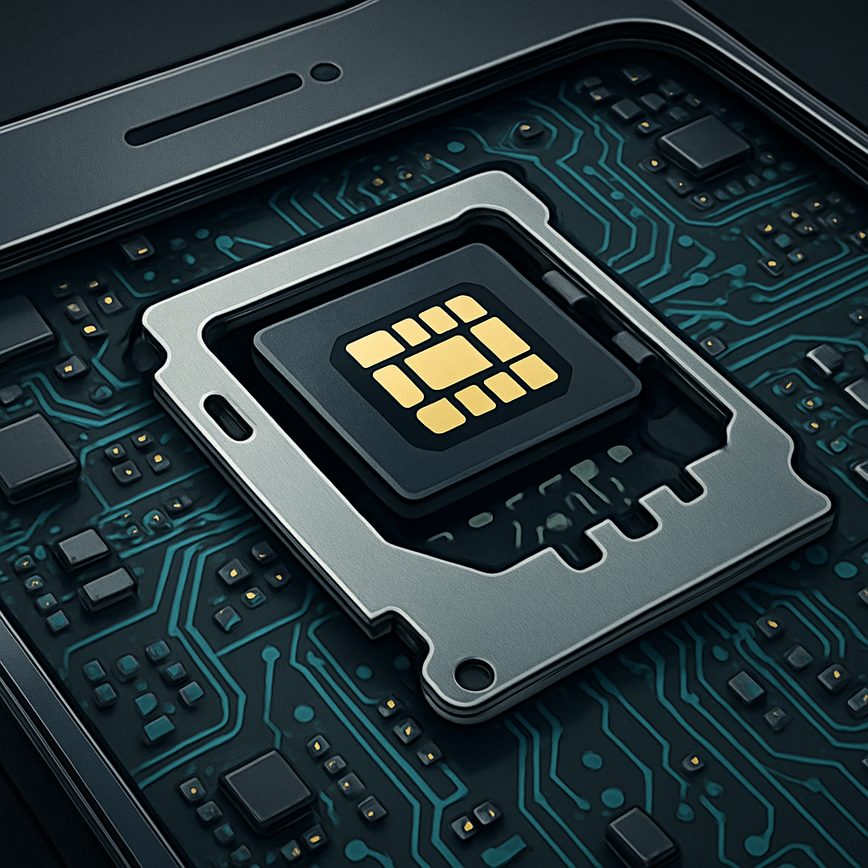
How eSIM benefits connected devices
03/04/2026
Introduction to eSIM Technology
eSIM technology, also known as embedded SIM, represents a significant evolution in the way devices connect to mobile networks. Unlike traditional SIM cards, which are physical chips that need to be inserted into a device, an eSIM is a digital SIM that is embedded directly into the device’s hardware. This embedded SIM is programmable and allows users to activate a cellular plan without the need for a physical card swap. This advancement offers greater flexibility and convenience, particularly for connected devices that require seamless and reliable network connections.
The primary difference between eSIM technology and traditional SIM cards lies in their form factor and functionality. Traditional SIM cards are removable and come in various sizes such as standard, micro, and nano SIMs. They require physical handling to be swapped between devices or to change service providers. On the other hand, the embedded SIM eliminates the need for a physical card by integrating the SIM chip into the device’s circuit board. This embedded nature means that the eSIM is rewritable through software, allowing multiple profiles to be stored and managed remotely by the user or carrier. This capability makes eSIM technology especially suited for connected devices.
Connected devices—ranging from smartphones and tablets to IoT gadgets, wearables, and automotive systems—benefit immensely from the adoption of eSIM technology. As these devices often operate in varied environments and may require frequent switching between networks, the digital SIM capability streamlines this process without the complexity and limitations of physical SIM cards. With eSIMs, connected devices can easily manage multiple network subscriptions, switch operators, or update credentials over the air, enabling a truly global and always-connected experience.
In essence, the relevance of eSIM technology to connected devices lies in its ability to enhance connectivity, reduce hardware constraints, and simplify network management. This digital SIM technology enables device manufacturers to design sleeker, more compact devices by eliminating SIM trays and card slots, improving durability and water resistance. For users and businesses, it offers newfound convenience, reducing dependency on physical logistics and empowering flexible, on-demand connectivity solutions for an increasingly interconnected world.
What is an eSIM?
An eSIM, or embedded SIM, is a modern evolution of the traditional SIM card used in mobile devices. Unlike physical SIM cards, which are removable and require manual insertion, an eSIM is embedded directly into the device’s hardware. This embedded nature means the eSIM is permanently installed inside the device, eliminating the need for a physical card slot.
One of the key features of an eSIM is its flexibility. It allows users to switch carriers or update their mobile network information remotely without needing to change the physical SIM. This ability makes managing multiple SIM card types more convenient and efficient, especially for travelers and those who use multiple networks. The eSIM definition also highlights its compact size, which frees up physical space within devices, enabling manufacturers to design slimmer and more compact gadgets.
Compared to traditional SIM card types, the embedded SIM offers improved durability since it is less prone to damage or loss. It supports multiple profiles, allowing users to store various network subscriptions on the same chip. This feature is particularly advantageous for connected devices, such as smartwatches, tablets, and IoT devices, ensuring continuous connectivity across different regions and networks. Overall, the eSIM’s embedded nature and advanced features make it a revolutionary upgrade over traditional physical SIM cards.
How eSIM Works in Connected Devices
The eSIM functionality fundamentally changes how connected devices access mobile networks. Unlike traditional SIM cards that require physical insertion, an eSIM is embedded directly into the device’s hardware. This embedded SIM enables devices to activate cellular service digitally, eliminating the need for physical swapping or handling of SIM cards. When a device with an eSIM is powered on, it communicates with the mobile network provider to download the necessary profile and credentials. This process, known as remote SIM provisioning, allows seamless activation and management of mobile network connectivity.
By supporting remote provisioning, eSIM technology enhances device connectivity by enabling users to switch between different mobile network operators without changing the card itself. This flexibility facilitates uninterrupted access to mobile data and voice services, making it especially valuable for travelers or IoT devices deployed in various regions. Moreover, since the eSIM is soldered into the device, it offers improved security and reliability compared to physical SIM cards, which can be lost or damaged.
In summary, the operational mechanism of eSIM integrates device hardware with mobile network activation protocols to provide a smooth, efficient way for connected devices to establish cellular service. This advancement supports broader connectivity options and simplifies the management of mobile subscriptions across multiple networks and devices.
Benefits of eSIM for Connected Devices
The evolution of technology has ushered in an era where connected devices are indispensable to daily life and industrial applications alike. One transformative innovation fueling this connectivity revolution is the eSIM. Embedded SIM technology offers numerous eSIM benefits that greatly enhance the functionality and versatility of connected devices.
First and foremost, flexible connectivity stands out as a primary advantage of eSIMs. Unlike traditional SIM cards that require physical swapping to change network providers, eSIMs enable users to switch carriers and plans digitally, without the need to handle the device physically. This flexibility is especially beneficial for IoT devices deployed across regions or those that travel frequently, ensuring uninterrupted connectivity and reducing downtime.
Security improvements also set eSIM technology apart. With eSIMs, the authentication data is securely stored within the device and managed remotely. This makes it much harder to tamper with or clone the SIM, enhancing the overall security posture of connected devices. The authentication and provisioning processes are streamlined and encrypted, protecting sensitive user and device information from potential cyber threats.
Moreover, network management becomes far more efficient through the deployment of eSIM technology. Enterprises and service providers can activate, change, or deactivate network subscriptions remotely across thousands of devices simultaneously. This centralization simplifies the traditionally complex and costly logistics associated with managing physical SIM cards, leading to significant cost savings and faster operational execution.
The agility afforded by eSIMs supports the expanding ecosystem of connected devices, from smartwatches and wearables to industrial sensors and autonomous vehicles. Manufacturers and operators benefit from streamlined device lifecycle management, while end users enjoy seamless network connectivity tailored to their needs and environments. This convergence of flexibility, security, and management efficiency highlights the connected devices advantages unlocked by eSIM technology.
In conclusion, eSIMs represent a critical step forward in the connectivity landscape, delivering robust benefits that empower connected devices to perform more reliably and securely. As industries increasingly rely on vast networks of devices, the adoption of eSIM technology will be pivotal in maintaining flexible, secure, and efficient network management.
Enhanced Flexibility and Connectivity
eSIM technology significantly enhances device connectivity through flexible network options and seamless remote SIM provisioning. Unlike traditional SIM cards that are physically tied to a single carrier, eSIMs allow devices to support multiple networks. This multi-network support empowers users to switch carriers or connect to different networks without needing to insert a new SIM card, providing unparalleled adaptability especially in global or changing environments.
Remote SIM provisioning is another game-changing feature enabled by eSIMs. It allows the SIM profile to be downloaded and activated over the air, eliminating the need for physical SIM swaps or visits to carrier stores. This remote capability not only simplifies the process of managing network subscriptions but also ensures that devices remain connected no matter where they are located. Users can effortlessly activate new plans or change their service provider digitally, promoting continuous connectivity and convenience.
Together, flexible network capabilities and remote SIM provisioning expand the connectivity options for connected devices, making them more versatile and future-proof. Whether for IoT devices, smartphones, or wearables, these features ensure devices stay online through the best available network. This enhanced flexibility not only improves user experience but also supports a broader range of applications requiring reliable and dynamic network connections.
Improved Security and Privacy
eSIM technology offers significant advancements in eSIM security compared to traditional SIM cards. By integrating the SIM directly into the device hardware, eSIMs reduce vulnerabilities associated with physical SIM swapping, making it much harder for unauthorized users to tamper with the device’s identity or network access. This intrinsic security feature ensures a higher level of data protection for connected devices.
Additionally, the remote provisioning and management capabilities of eSIMs allow users and network operators to securely update credentials and profiles over encrypted channels. This eliminates the need for physical SIM cards, which can be lost or stolen, thereby enhancing device privacy. The encrypted data transfer helps maintain confidentiality and prevents interception or manipulation, which is crucial for safeguarding sensitive information on connected devices.
Moreover, eSIM technology supports multiple profiles on a single device, enabling users to switch between networks without exposing their primary number or personal data. This feature further strengthens device privacy by providing users with greater control over their connectivity and minimizing the risk of data leakage. Overall, eSIM security and privacy enhancements make it an ideal choice for connected devices in a world where data protection is paramount.
Simplified Device Management and Deployment
eSIM technology revolutionizes device management by streamlining setup and provisioning processes, making IoT deployment more efficient than ever. Unlike traditional SIM cards, eSIMs eliminate the need for physical swapping or manual SIM installations, enabling remote provisioning that drastically reduces the complexity of managing connected devices. This capability is particularly valuable in large-scale IoT deployments where managing a fleet of devices can quickly become cumbersome.
With eSIM, device management is centralized and seamless. Operators can remotely activate, update, or switch carrier profiles over the air, saving both time and operational costs. This flexibility enhances fleet management, allowing businesses to easily monitor and control numerous IoT devices from a single interface, regardless of geographic location. The result is optimized deployment schedules and quicker time-to-market for new IoT solutions.
Moreover, remote provisioning capabilities decrease the reliance on physical logistics, reducing the need for manual labor and the risks of device downtime associated with SIM card errors or replacements. This ensures higher reliability and continuous connectivity, essential characteristics for IoT applications such as smart cities, industrial automation, and connected healthcare. Ultimately, eSIM empowers organizations to scale their operations efficiently while maintaining robust device management protocols across their IoT ecosystems.
Future Trends and Use Cases of eSIM in Connected Devices
The future of eSIM technology is poised to revolutionize the landscape of connected devices, bringing unprecedented flexibility and efficiency to IoT applications, wearables, and smart devices. As eSIM adoption increases, it supports a seamless and dynamic approach to connectivity that transcends traditional SIM cards, enabling devices to switch carriers or data plans without physical alterations.
One of the most significant future trends in eSIM technology is its integration within the expanding IoT ecosystem. IoT applications benefit from eSIM by allowing millions of devices to be managed remotely with ease, from smart meters and industrial sensors to connected vehicles. This eliminates the logistical challenges of manually configuring or replacing SIM cards, thus reducing operational costs and improving scalability.
Wearables are another key area where eSIM technology is making a substantial impact. Smartwatches, fitness trackers, and health monitoring devices leverage eSIM to maintain constant connectivity without relying on a paired smartphone. This autonomy facilitates real-time data transmission and enhances user convenience, fostering broader adoption of health and lifestyle wearables.
Smart devices, ranging from home automation products to advanced security systems, also stand to gain from eSIM integration. With eSIM, these devices can switch networks automatically to optimize performance and cost-efficiency. This capability is crucial for global travelers and businesses that operate across regions, ensuring uninterrupted access to mobile data.
Moreover, eSIM future developments foresee multi-profile support, allowing a single device to manage multiple plans and carriers simultaneously. This innovation is especially beneficial for dual-purpose devices used in personal and professional settings, providing seamless transitions between networks based on location or usage demands.
In conclusion, the continuous evolution of eSIM technology will drive new use cases and enhance existing connected device functionalities. From IoT applications to wearables and smart devices, eSIM’s flexibility and scalability position it as a cornerstone for the future of connectivity in an increasingly interconnected world.
eSIM in IoT and Industrial Devices
eSIM technology is transforming IoT connectivity by providing a flexible and scalable solution for managing large fleets of connected devices. In industrial IoT settings, where smart sensors and other devices operate in remote or challenging environments, eSIM enables seamless over-the-air provisioning and switching of network operators without the need for physical SIM card replacements. This capability significantly reduces maintenance costs and downtime, ensuring continuous connectivity for critical applications.
With industrial IoT deployments growing rapidly, the need for efficient, centralized management of device connectivity becomes essential. eSIM offers scalable management solutions that allow enterprises to remotely control and update network profiles, enhancing operational efficiency and security. This dynamic approach supports a wide range of IoT devices, from smart sensors monitoring environmental conditions to complex machinery requiring real-time data exchange.
Ultimately, eSIM technology empowers industries to optimize their IoT connectivity by providing agility and reliability that traditional SIM cards cannot match. The ability to easily switch carriers or adjust connectivity plans over the air ensures uninterrupted service, which is crucial for the performance and longevity of smart sensors and other industrial devices deployed worldwide.
Adoption of eSIM in Consumer Electronics
The adoption of eSIM technology in consumer electronics is rapidly growing, transforming the way we use connected devices such as wearables and smartphones. Unlike traditional SIM cards, eSIMs are embedded directly into the device, allowing seamless switching between mobile networks without the need for physical cards. This innovation is particularly beneficial for consumer devices where space and convenience are essential.
Wearables like smartwatches have seen significant advancements thanks to eSIM integration. By eliminating the need for a physical SIM card slot, manufacturers can design more compact and water-resistant devices. Users also enjoy the flexibility of managing multiple mobile plans digitally, enhancing their connectivity on the go. This capability is crucial as wearables increasingly rely on constant internet access for features like health tracking, notifications, and GPS services.
Smartphones are another major category benefiting from eSIM adoption. Many new models now come equipped with eSIMs alongside traditional SIM slots, enabling dual-SIM functionality without extra hardware. Consumers appreciate the convenience of easily switching carriers or adding international plans when traveling. Furthermore, the integration of eSIM technology helps future-proof devices in an evolving mobile landscape where digital connectivity continues to be paramount.
Overall, the growing uptake of eSIM in consumer devices reflects a trend towards more flexible, reliable, and user-friendly mobile connectivity. As more manufacturers adopt this technology, wearables and smartphones will become even more seamlessly connected, enhancing the everyday experience of users worldwide.

I’m a lifelong traveler who fell in love with the freedom that eSIM technology offers. Exploring new places while staying seamlessly connected has become my personal mission, and I love sharing practical tips on managing mobile data abroad. When I’m not testing the latest eSIM platforms, I’m mapping out the next adventure.