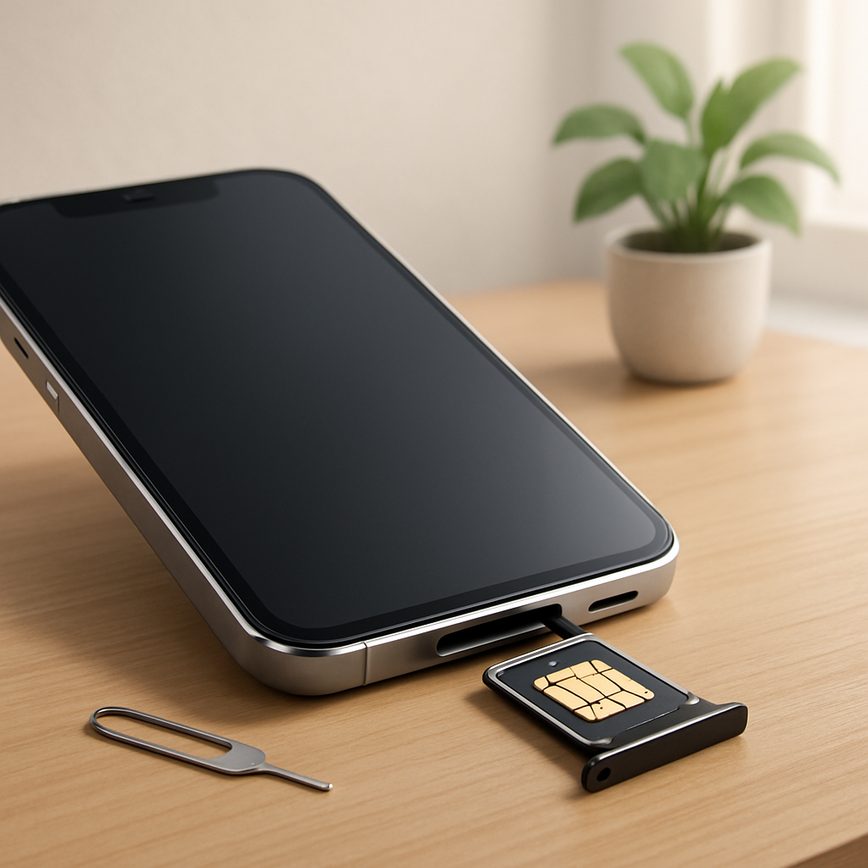
How eSIM reduces dependency on physical cards
29/04/2026
Understanding eSIM Technology
eSIM technology, also known as embedded SIM or digital SIM, represents a transformative shift in mobile connectivity. Unlike traditional SIM cards that require physical insertion into devices, an eSIM is a small chip embedded directly into the device’s hardware during manufacture. This embedded SIM allows users to activate and manage mobile network plans digitally without the need for a physical card.
The core function of eSIM technology is to store multiple mobile network profiles securely within the chip itself. Users can switch between carriers and plans through software interfaces, often via the device’s settings menu or a dedicated app. This eliminates the need to physically change SIM cards when switching networks or traveling internationally, providing remarkable flexibility and convenience.
Compared to traditional SIM cards, the digital nature of eSIM technology offers significant advantages. While conventional SIM cards are removable pieces of plastic that hold your subscriber identity and authentication credentials, eSIMs are soldered into the device, making them less prone to loss or damage. This embedded solution also facilitates slimmer device designs as it eliminates the physical SIM tray, allowing manufacturers to optimize internal space for other components or improve water resistance.
Another key difference lies in the activation process. Traditional SIM cards require users to obtain a physical card, activate it by inserting into their mobile device, and sometimes endure waiting periods for shipping or store visits. eSIM technology enables instant provisioning of mobile plans digitally, often instantly downloaded over the air (OTA), which accelerates the process and supports a seamless user experience.
From the perspective of mobile connectivity, eSIM technology inherently supports multiple profiles concurrently. This means users can maintain separate personal and business numbers or switch regional carriers without juggling physical cards. It simplifies life for travelers by enabling quick access to local networks without additional hardware. Furthermore, network providers benefit from the flexibility to offer innovative plans and services through this digital SIM ecosystem.
In summary, eSIM technology redefines how mobile connectivity is managed by embedding the SIM directly into the device and replacing the physical card with a digital alternative. This embedded SIM solution enhances convenience, flexibility, and device design while offering advantages over traditional SIM cards that have long been a staple of mobile communication. As eSIM adoption grows, it promises to streamline connectivity experiences worldwide.
What is an eSIM?
An eSIM, short for embedded SIM, is a digital SIM card that is integrated directly into a device’s hardware. Unlike traditional physical SIM cards that require manual insertion and removal, the eSIM is built into the device’s motherboard, making it an internal component rather than a removable one. This embedded SIM technology allows users to activate cellular plans without swapping out physical cards, providing greater convenience and flexibility.
Physically, an eSIM is a small chip soldered onto the device’s circuit board during manufacturing. It occupies minimal space, enabling manufacturers to create slimmer, more compact devices without the need for separate SIM trays. Devices such as smartphones, tablets, smartwatches, and laptops increasingly incorporate eSIMs to streamline connectivity options.
The integration of the eSIM into devices simplifies how users manage mobile networks. Through phone settings or specialized carrier apps, users can download and switch between multiple profiles on a single eSIM, eliminating the dependency on physical SIM cards. This digital SIM card technology not only enhances user experience but also supports the growing demand for global connectivity and multi-carrier access without the hassle of changing physical components.
How eSIMs Work
eSIM functionality centers around the process of remote SIM provisioning, a technology that enables mobile devices to download and manage mobile network profiles without needing a physical SIM card. This process begins when an eSIM-enabled device connects to the network and requests the downloading of a particular mobile profile associated with a cellular carrier. The profile, which contains the subscriber’s credentials and network settings, is securely delivered over the air, ensuring seamless activation.
Unlike traditional SIM cards that require manual insertion and replacement, eSIMs store multiple mobile profiles digitally. Users can switch between different profiles or carriers directly from their device settings, offering unparalleled flexibility. Remote SIM provisioning is governed by standards set by the GSMA to maintain security and interoperability across networks and devices.
This digital management of mobile profiles eliminates the need for physical SIM cards, reducing dependency on their distribution and replacement logistics. It also facilitates instant carrier switching or plan adjustments, which is particularly beneficial for travelers or those requiring multiple network access. Through secure over-the-air updates, eSIMs ensure that users remain connected without the hassle of physical card handling.
In summary, the eSIM’s ability to remotely provision and manage mobile profiles revolutionizes mobile connectivity by simplifying activation, enhancing flexibility, and reducing reliance on physical SIM cards.
Benefits of eSIM Over Physical SIM Cards
The emergence of eSIM technology marks a significant advancement in mobile communication, offering numerous benefits that reduce the dependence on physical SIM cards. One of the primary eSIM benefits is the elimination of the need to physically swap SIM cards when changing carriers or switching devices. This digital SIM solution provides unparalleled mobile flexibility, allowing users to activate and manage multiple carrier plans on a single device without having to handle physical cards.
This seamless capability enhances user experience by simplifying the process of switching between networks, which is especially beneficial for frequent travelers and business professionals who need access to multiple carriers simultaneously. The advantages of eSIM extend to space-saving design in devices, as manufacturers can reduce the size reserved for SIM card slots, allowing for slimmer, lighter, and more durable gadgets.
Additionally, eSIM technology contributes to increased security since eSIM profiles can be remotely managed and are harder to steal or lose compared to physical SIM cards. Users can also benefit from faster activation times and the convenience of instant carrier enrollment directly from their device settings. This eliminates the traditional delays and risks associated with mailing or procuring physical SIM cards.
Moreover, the physical SIM replacement provided by eSIMs promotes environmental sustainability by reducing plastic waste and packaging materials associated with traditional SIM cards. This eco-friendly aspect aligns with the growing demand for greener technology solutions and supports carriers and manufacturers in reducing their carbon footprint.
In summary, the major eSIM benefits include enhanced user convenience, increased device design efficiency, improved security, faster connectivity, and a positive environmental impact. These factors collectively drive the transition towards eSIM technology, significantly reducing reliance on physical SIM cards while vastly improving the overall mobile experience.
Eliminating the Need for Physical Cards
The advent of eSIM technology is revolutionizing digital connectivity by completely eliminating the need for a physical SIM card. Unlike traditional SIM cards that require a physical card to be inserted into a device, eSIMs are embedded directly into the device’s hardware. This innovation removes the dependency on carrying or swapping physical SIM cards, allowing users to switch carriers or plans digitally without visiting a store or handling small, fragile cards.
With no physical SIM involved, activating cellular service becomes a seamless, software-driven process. Users can download carrier profiles over the air and manage multiple subscriptions on a single device with ease. This not only simplifies device connectivity but also reduces the environmental impact associated with the production and disposal of plastic SIM cards.
Physical card elimination through eSIM technology enhances flexibility and convenience for consumers, businesses, and network operators alike. It supports instant global connectivity, making device setup and switching more straightforward than ever. By adopting eSIMs, the need to rely on fragile physical cards is eradicated, ushering in an era of smarter, more efficient digital connectivity.
Improved Convenience and User Experience
eSIM technology significantly enhances user convenience by simplifying the process of switching mobile carriers. With traditional physical SIM cards, swapping between providers often requires obtaining a new card and physically replacing it in the device, which can be time-consuming and inconvenient. eSIM allows for easy SIM switching digitally, enabling users to activate new carriers or plans directly from their device settings without any hardware changes. This feature not only saves time but also eliminates the need to visit physical stores or wait for delivery of SIM cards.
For international travelers, eSIM offers a seamless mobile experience by allowing them to switch to local carriers quickly and effortlessly upon arrival in a new country. This reduces roaming costs and the hassle of purchasing local SIM cards while ensuring continuous connectivity. Users can manage multiple eSIM profiles on one device, making it simple to toggle between home and travel plans as needed.
The overall user convenience provided by eSIM enhances the mobile experience by offering flexibility, speed, and control. Consumers can enjoy faster carrier switching, optimized mobile data usage, and a more streamlined approach to managing their mobile connections. Ultimately, eSIM technology empowers users with more freedom and a superior mobile experience, catering to the dynamic needs of modern life.
Impact of eSIM on the Mobile Industry
The widespread adoption of eSIM technology is driving significant transformation across the mobile industry, shaping the future of telecom innovation and redefining the roles of carriers, device manufacturers, and consumers alike. This innovation has profound implications on how mobile services are provisioned, managed, and experienced, presenting both opportunities and challenges across the mobile ecosystem.
From the perspective of carriers, the eSIM reduces dependency on physical SIM cards, which streamlines logistics, reduces costs, and enhances operational flexibility. Telecom providers can now offer remote SIM provisioning and management, allowing users to switch carriers or plans effortlessly without visiting a store or swapping cards. This capability intensifies competition but also pushes carriers to innovate by offering more personalized and dynamic service plans. The mobile industry impact here is notable, as carriers must invest in robust digital infrastructure to support seamless and secure eSIM onboarding processes.
Device manufacturers stand to benefit from the integration of eSIM technology, as it encourages sleeker, more compact device designs by eliminating the need for a physical SIM slot. This innovation opens up internal space for additional components, such as larger batteries or enhanced hardware features, catering to consumer demand for more powerful and longer-lasting devices. Moreover, eSIM’s inclusion is becoming a competitive differentiator among manufacturers who want to lead the charge in telecom innovation and cater to the future of SIM cards.
For consumers, eSIM technology offers unparalleled convenience and flexibility. Users can activate multiple mobile profiles on a single device, seamlessly switch between personal and business lines, or connect to local carriers when traveling internationally without changing SIM cards. This level of control enhances the user experience, reduces friction, and supports an increasingly connected lifestyle. Additionally, eSIM integration strengthens security by reducing risks associated with lost or stolen physical cards and enabling remote management of SIM profiles.
In conclusion, the adoption of eSIM technology is reshaping the mobile ecosystem by driving the mobile industry impact on carriers, device manufacturers, and consumers. Telecom innovation propelled by eSIM promises a future where the traditional SIM card is no longer a physical necessity, creating new business models and user experiences. As device manufacturers continue to embrace this technology and carriers evolve their service offerings, the mobile industry is poised to benefit from greater efficiency, enhanced security, and unprecedented flexibility in mobile connectivity.
Changes in Carrier Operations and Plans
As eSIM technology continues to gain traction, carriers are rapidly adapting their operations to accommodate this shift from traditional SIM cards. To support eSIM-enabled devices, carriers are overhauling their SIM management systems, enabling remote provisioning and activation, which drastically reduces the need for physical SIM distribution and in-store visits.
One of the most significant changes involves creating more flexible mobile plans that leverage the advantages of eSIM technology. Carriers are developing plans that allow users to switch carriers or data packages seamlessly without needing to replace physical SIM cards. This flexibility encourages customer retention and attracts users who value convenience and instant plan adjustments.
Furthermore, carriers are enhancing their customer service models to support eSIM-related queries and activation processes digitally. This shift includes comprehensive online portals and apps that empower users to manage multiple eSIM profiles, switch between them, and monitor data usage easily. These upgrades in telecommunications infrastructure are critical for carriers to keep pace with the evolving mobile landscape.
Overall, carrier adaptation involves integrating sophisticated SIM management tools and redesigning mobile plans to fit the dynamic nature of eSIM technology. By doing so, carriers can offer users a seamless and modern mobile experience, ultimately driving the broader adoption of eSIM-enabled devices worldwide.
Future Trends with eSIM Technology
The eSIM future looks promising as technology trends continue to evolve, revolutionizing mobile connectivity trends across multiple sectors. Emerging advancements foresee eSIM technology becoming a fundamental component not only in smartphones but also in a wide array of IoT devices, from wearables and smart home gadgets to connected vehicles. This expansion reflects the growing demand for seamless and flexible connectivity that eSIMs provide.
One key trend is the integration of eSIMs into more diverse devices beyond traditional mobile phones. For example, smartwatches, fitness trackers, and even laptops are increasingly adopting eSIM technology to enable constant internet access without relying on physical SIM swaps. Additionally, IoT ecosystems benefit from enhanced manageability and lower costs in device connectivity, making eSIMs pivotal in smart city infrastructure, industrial automation, and healthcare monitoring systems.
Furthermore, the ability to remotely provision and manage network profiles supports businesses aiming for global reach with reduced logistical complexity. Future potential uses of eSIM technology could also include more dynamic network switching capabilities, allowing users to effortlessly toggle between carriers for optimal coverage, pricing, and service quality. This shift will spark new business models and improve user experience significantly.
Overall, as mobile connectivity trends progress, eSIM technology will drive innovation and flexibility, establishing itself as a cornerstone in the next generation of connected devices.

I’m a lifelong traveler who fell in love with the freedom that eSIM technology offers. Exploring new places while staying seamlessly connected has become my personal mission, and I love sharing practical tips on managing mobile data abroad. When I’m not testing the latest eSIM platforms, I’m mapping out the next adventure.