How eSIM supports long-term travel
29/01/2026
Introduction to eSIM Technology
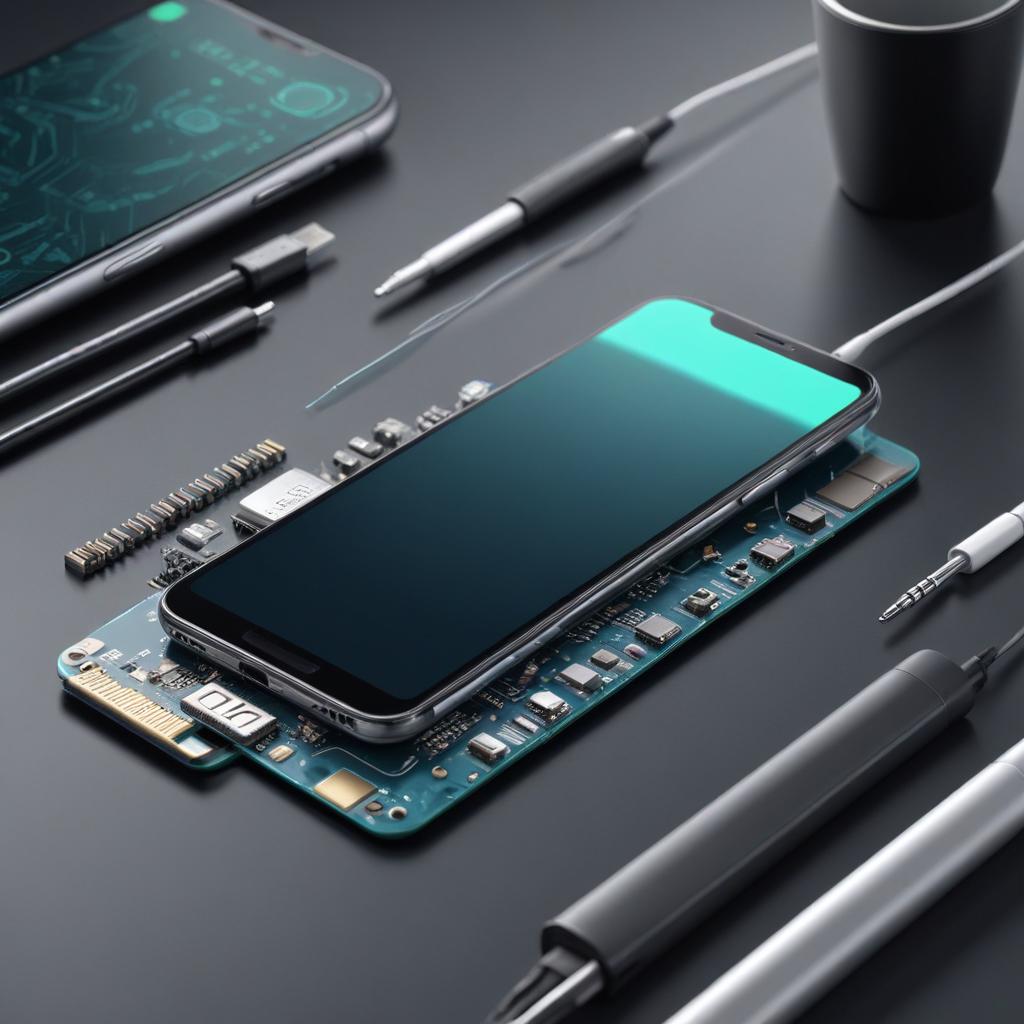
eSIM, or embedded SIM, is a revolutionary advancement in travel technology that is transforming mobile connectivity for travelers around the globe. Unlike traditional SIM cards, which are physical chips that need to be inserted into a device, an eSIM is built directly into the hardware of the device itself. This embedded technology allows users to switch mobile networks digitally without the hassle of swapping physical cards, making it an especially convenient option for those frequently on the move.
Traditional SIM cards have long been the standard for enabling mobile connectivity, requiring users to purchase and physically install a new SIM every time they switch carriers or travel internationally. This process can be cumbersome, especially for frequent travelers who need to maintain consistent mobile access across different countries. eSIM technology eliminates this barrier by storing multiple carrier profiles digitally within the same device, allowing seamless transitions between networks without any physical intervention.
From a traveler’s perspective, the benefits of eSIM technology are considerable. With an embedded SIM, you can activate a new data plan instantly without needing to visit a store or wait for a physical SIM card to arrive. This flexibility is especially useful for international travel, where connectivity options and costs can vary greatly. Travelers can easily access local carriers’ plans, often at more competitive rates, without the risk of losing or damaging a traditional SIM card.
Moreover, eSIM technology supports the trend toward more compact, water-resistant, and durable devices by removing the need for a physical SIM slot. This change enhances device design while contributing to more reliable mobile connectivity. The ability to manage multiple mobile plans on a single device also means that travelers can seamlessly switch between business and personal numbers, or between various regions, all without carrying extra SIM cards.
In summary, eSIM technology is a game-changer in travel technology that significantly improves mobile connectivity for long-term travelers. Its embedded nature, combined with the elimination of physical SIM swaps, offers unparalleled convenience and flexibility, making it an essential feature of modern travel and communication devices.
What is an eSIM?
An eSIM, or embedded SIM, is a digital SIM that is built directly into your device. Unlike traditional physical SIM cards that need to be inserted and swapped manually, an eSIM is embedded within the hardware of smartphones, tablets, and other connected gadgets. This technology allows users to activate a cellular plan without the need for a physical card, simply by downloading a carrier profile over the air.
The primary advantage of an eSIM is its convenience and flexibility. Users can switch carriers or cellular plans remotely without having to visit a store or wait for a new SIM card to arrive. This is especially useful for long-term travelers or those who frequently move between countries, as it enables easy access to local networks and competitive data rates without physical SIM swaps.
Functionally, the eSIM operates like a traditional SIM by authenticating the user’s device to the cellular network, but it adds improved security features and greater integration with modern device designs. This results in more space inside devices for other components or larger batteries. Additionally, managing multiple eSIM profiles on one device is possible, allowing seamless switching between personal and business numbers, for example.
Overall, the eSIM definition highlights a significant step forward from physical SIM cards to digital SIM technology, offering enhanced convenience, better functionality, and stronger mobility support for today’s connected lifestyles.
How eSIM Works for Travelers
The activation process of eSIM for travelers is designed to be quick and hassle-free, enabling seamless mobile connectivity across multiple countries without the need to physically swap SIM cards. When a traveler arrives at their destination, they can activate a new eSIM profile by scanning a QR code provided by their mobile carrier or eSIM provider. This instant activation enables access to local mobile networks without visiting a store or waiting for delivery of a physical SIM.
With eSIM travel, users can pre-purchase multiple plans covering various countries and regions, allowing them to switch networks with a few taps on their device. This flexibility supports uninterrupted mobile connectivity as travelers cross borders, eliminating the usual complications of roaming charges or manual SIM replacement. The process also benefits from remote SIM activation, where carriers push updated network profiles directly to the eSIM device, ensuring mobile service continuity.
In essence, eSIM activation simplifies global travel by replacing the traditional SIM card with a digital equivalent, streamlining how users manage their mobile subscriptions. This modern approach to SIM activation not only reduces downtime but also enhances the convenience of staying connected worldwide, making it an essential component for today’s globetrotters seeking reliable and flexible mobile connectivity.
Benefits of Using eSIM for Long-Term Travel
For long-term travelers, eSIM technology offers a range of significant benefits that enhance the overall travel experience. One of the most prominent advantages is flexibility. Unlike traditional SIM cards, eSIMs allow travelers to switch carriers and data plans without physically swapping out SIM cards. This flexibility is invaluable when journeying through multiple countries, as it enables seamless connectivity without the hassle of constantly purchasing new physical SIMs.
Another key benefit of eSIMs for long-term travel is cost-effectiveness. International roaming charges can quickly add up and become a financial burden for globe-trotters. With eSIM, travelers can select local or regional data plans that offer better rates, avoiding expensive roaming fees. This leads to substantial cost savings, making it easier to stay connected without breaking the bank. Additionally, eSIM providers often offer a variety of plans tailored to different usage needs, allowing travelers to optimize their spending based on their data consumption and travel itinerary.
Convenience is also a major selling point of eSIM technology. The activation process is straightforward and can be done remotely without visiting a store or waiting for a physical SIM card to be shipped. This instant activation means travelers can get online immediately upon arrival in a new destination. Managing multiple profiles on a single device is effortless with eSIMs, giving users quick access to various plans according to their location and preferences. Such convenience reduces stress and makes managing mobile connectivity smoother during extended trips.
Overall, the benefits of eSIM for long-term travel—including unmatched flexibility, potential for significant cost savings, and unparalleled convenience—make it an essential technology for modern travelers. By embracing eSIM, individuals can enjoy reliable international roaming without the typical complications and expenses, leading to a more connected and enjoyable travel experience.
Cost Efficiency and Flexible Plans
eSIM technology revolutionizes the way travelers manage their mobile connectivity by offering a variety of eSIM plans that cater to different needs and budgets without the hassle of swapping physical SIM cards. This digital solution allows users to pick flexible data plans that provide substantial travel cost savings compared to traditional international SIM cards.
With an eSIM, travelers can easily switch between multiple service providers and plans directly from their device, ensuring they always have access to the most affordable and suitable options for their destination. This flexibility eliminates the need to purchase and insert new physical SIM cards when crossing borders, simplifying the process and reducing expenses.
Many providers offer competitive pricing on eSIM plans designed specifically for international travel, which means users can select the best data packages tailored to their length of stay and data consumption patterns. The convenience of having multiple eSIM profiles stored on one device also enables travelers to switch plans seamlessly, avoiding roaming fees and unexpected charges.
Overall, eSIM technology enhances travel experiences by combining cost efficiency with the freedom to choose from a wide array of flexible data plans. It empowers travelers to stay connected worldwide without the limitations imposed by physical SIM cards, making eSIM a smart choice for anyone seeking reliable and affordable international mobile connectivity.
Convenience and Seamless Connectivity
eSIM technology revolutionizes the way travelers stay connected by offering seamless travel connectivity without interruptions. Unlike traditional SIM cards that require physical swapping when crossing borders, eSIMs enable effortless switching between providers or countries directly from the device settings. This eliminates the hassle of searching for local SIM cards upon arrival or dealing with cumbersome installs, enhancing overall convenience for long-term travelers.
With an eSIM, users gain the flexibility of a multi-country SIM experience, allowing them to activate regional or global plans suited for their travel itinerary. This travel tech advancement ensures uninterrupted internet access as travelers move between countries, avoiding costly roaming charges and connectivity blackouts. The ability to switch networks instantly maintains continuous communication, essential for navigation, work, and emergencies.
Moreover, eSIMs simplify managing multiple travel data plans via a single device interface, making it easy to monitor usage and costs. This convenience supports a smoother travel experience, leaving more time to focus on exploration rather than connectivity logistics. By integrating eSIM technology, travelers embrace a superior, streamlined connectivity solution that keeps them online effortlessly, no matter where their journey takes them.
Challenges and Considerations for Using eSIM on Long Trips
While eSIM technology offers significant convenience and flexibility for travelers, there are several challenges and considerations to keep in mind, especially when using eSIM on long trips. One of the primary issues travelers face is device compatibility. Not all smartphones, tablets, or laptops support eSIM functionality, and among those that do, compatibility with different carriers may vary. This can limit the ability to switch carriers or use local networks while abroad.
Another significant challenge is network coverage and availability. Although eSIMs are designed to work globally, network coverage depends on partnerships between eSIM providers and local carriers. In some remote or less developed regions, travelers may find that their eSIM does not connect to any network or only provides limited service. This travel limitation can be inconvenient for those requiring consistent connectivity throughout varied locations on a long trip.
Additionally, managing multiple eSIM profiles can become complex, especially when switching between networks during an extended journey. Travelers must ensure their devices support multiple profiles and can easily switch without disrupting service. Some devices and eSIM plans may also impose restrictions on the number of times an eSIM can be activated or switched, which can be a barrier on long-term travel adventures.
Security and privacy considerations are also relevant. Using eSIMs from unfamiliar providers or unverified networks may expose travelers to risks, including data interception or unauthorized access. It’s important to choose reliable providers with established security practices to mitigate these risks.
In summary, while eSIM technology provides an innovative way to stay connected during extensive travels, it carries challenges related to device compatibility, network coverage, travel limitations, and user management. Travelers should carefully research and prepare ahead to ensure a smooth experience with eSIMs when embarking on long trips.
Device and Carrier Compatibility
When planning long-term travel with an eSIM, ensuring device compatibility is essential. Many of the latest smartphones come with eSIM capability, including popular models from Apple, Google, and Samsung. Devices such as the iPhone XS and newer, Google Pixel 3 and later, and Samsung Galaxy S20 and above typically support eSIM functionality. However, not all phones have this feature, so verifying your specific model is crucial before relying on an eSIM for your travels.
Carrier compatibility is equally important. While eSIM technology is increasingly common, not all carriers support it yet. To avoid connectivity issues, travelers should check if their current or intended carriers offer eSIM service. Most carriers provide this information on their websites or customer support channels. Additionally, third-party eSIM providers often list supported carriers and device compatibility to help you choose the best option.
Before traveling, confirm that your device is unlocked and compatible with the eSIM carriers you plan to use abroad. This precaution ensures seamless activation and service continuity. By understanding device compatibility and researching supported carriers, you can fully leverage the benefits of eSIM technology for uninterrupted connectivity throughout your long-term travels.
Network Limitations and Coverage Issues
While eSIM technology offers great convenience for travelers, it is important to be aware of potential network coverage and regional connectivity problems. In certain remote or less developed regions, network coverage may be spotty or even unavailable due to limited infrastructure. This can result in difficulties staying connected even with a valid eSIM profile.
Another factor to consider is eSIM roaming limits imposed by some carriers. These limits sometimes restrict the number of regions or countries where the eSIM can be used without incurring extra charges or losing connectivity. This may cause interruptions in service or increased costs when moving between regions not fully supported by your eSIM provider.
To mitigate these connectivity issues, travelers should research and select eSIM plans that offer broad regional coverage and flexible roaming options. It is wise to choose providers known for strong network partnerships worldwide. Additionally, having a backup local SIM card or dual-SIM device can help ensure continuous access in areas where eSIM coverage is limited.
Monitoring network status before and during travel, updating device software regularly, and configuring appropriate APN settings can also improve connectivity. Ultimately, understanding network limitations associated with eSIM technology and preparing accordingly can make long-term travel more seamless and enjoyable.

I’m a lifelong traveler who fell in love with the freedom that eSIM technology offers. Exploring new places while staying seamlessly connected has become my personal mission, and I love sharing practical tips on managing mobile data abroad. When I’m not testing the latest eSIM platforms, I’m mapping out the next adventure.