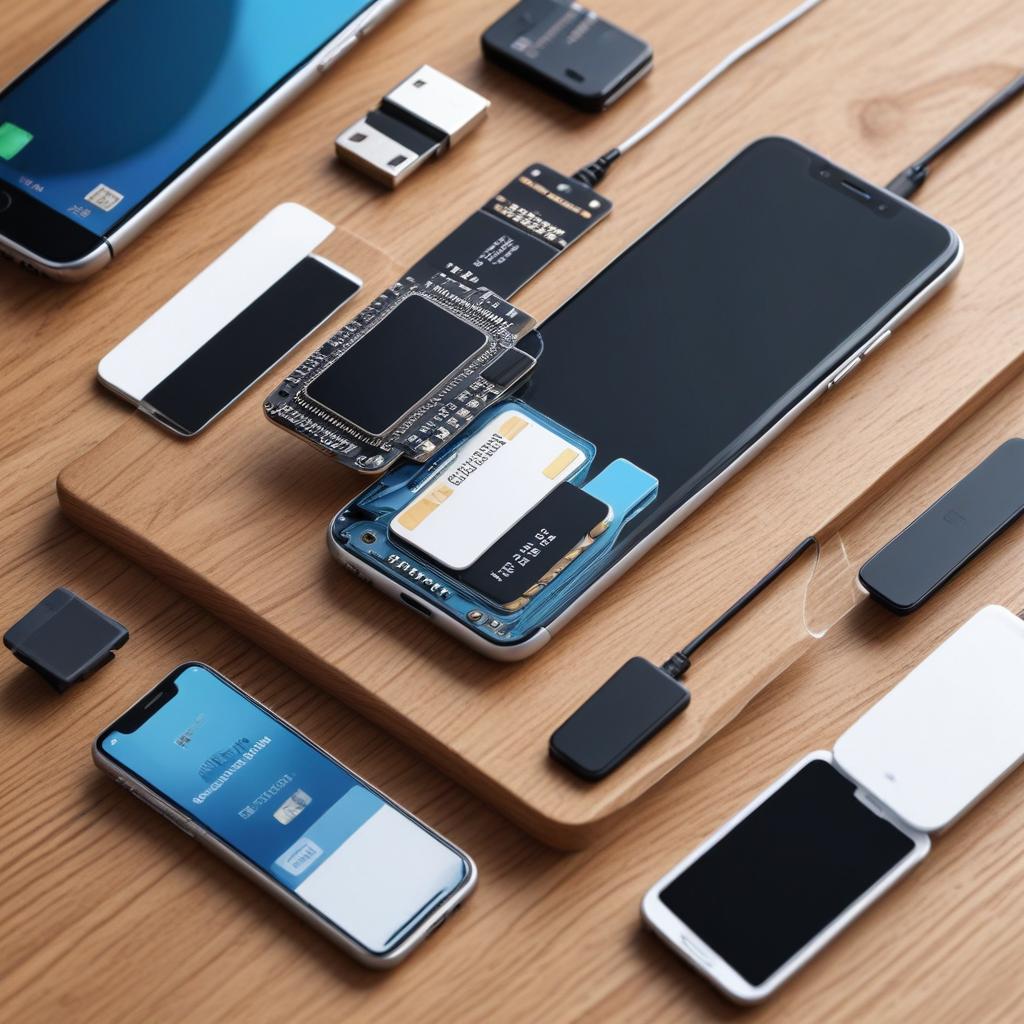
How eSIM supports multiple devices
28/02/2026
Introduction to eSIM Technology
eSIM technology, short for embedded SIM, represents a significant advancement in mobile connectivity by integrating the SIM card directly into a device’s hardware. Unlike traditional SIM cards, which are physical cards that must be inserted into a device, an eSIM is a digital SIM that is soldered onto the device’s motherboard. This embedded nature allows for easier management and greater flexibility in how mobile networks are accessed and switched between.
The primary difference between traditional SIM cards and eSIM technology lies in their physical form and functionality. Traditional SIM cards are removable plastic chips that store the subscriber’s information and are needed to connect a device to a cellular network. Users have to physically swap these cards when changing carriers or plans. eSIMs, however, work through software that can be remotely programmed to connect to different networks. This eliminates the need for swapping SIM cards, making it effortless to switch carriers, manage multiple profiles, or activate service without visiting a store.
Because eSIMs are digital SIMs embedded into the device, they offer greater convenience and security. The embedded SIM cannot be lost or damaged like a physical card, and it supports better device design by reducing space needed for SIM slots, which is particularly beneficial for compact or wearable devices. Additionally, eSIM technology supports remote provisioning, allowing carriers to update or change network subscriptions without any physical interaction from the user, a functionality inaccessible to traditional SIM cards.
In summary, eSIM technology marks a transformative shift from the physical SIM card model to a more versatile and integrated digital SIM approach. By embedding the SIM in the device and enabling remote management, eSIM technology simplifies the mobile experience, allowing users to easily switch between networks and manage their connections with enhanced efficiency and flexibility.
How eSIM Enables Multiple Device Support
The concept of using eSIM to support multiple devices simultaneously is revolutionizing the way we stay connected. Unlike traditional SIM cards tied to a single device, eSIM technology allows for enhanced eSIM compatibility across various gadgets, making device connectivity seamless and efficient.
At the core of eSIM’s ability to support multiple devices lies its digital nature. The eSIM is embedded in the device and can store multiple network profiles securely. This means users can activate cellular service on more than one device without physically swapping SIM cards. Instead, they can switch or share their cellular plan across different devices, such as smartphones, tablets, smartwatches, and laptops, providing a level of flexibility that traditional SIM cards cannot offer.
By leveraging cloud-based carrier provisioning, eSIM sharing between devices becomes possible. When a user purchases an eSIM plan, the profile is downloaded and managed via the device’s settings or carrier app, allowing for instant and synchronized connectivity across all compatible devices. This mechanism ensures that each device connected via the eSIM remains in sync with the user’s cellular plan, providing uninterrupted access to data and calls even as the user switches between devices.
Furthermore, the management of multiple device profiles within a single eSIM enhances device connectivity. Users can prioritize devices, control which device uses the network at any given time, and even allocate different data limits or plans per device depending on their needs. This dynamic control is facilitated through the eSIM interface, often integrated into the device’s operating system or carrier app, simplifying the process of managing multiple device connections simultaneously.
Overall, the mechanism by which eSIM supports multiple devices not only increases convenience but also optimizes network usage and reduces the need for multiple physical SIM cards. Its digital provisioning, flexibility in sharing, and enhanced control over connectivity make eSIM a cornerstone technology for users managing multiple devices in today’s connected world.
eSIM Profiles and Switching
Devices that support eSIM technology offer the convenience of storing multiple eSIM profiles simultaneously. This capability allows users to have different mobile carrier profiles on a single device without the need for physical SIM cards. Each eSIM profile corresponds to a specific mobile plan, and users can effortlessly switch between these profiles based on their connectivity needs. For example, one profile can be dedicated to work-related communications, while another can be used for personal calls or international travel.
The process of profile switching on eSIM-enabled devices is straightforward and usually managed through the device’s settings menu. Users can activate or deactivate profiles without physically changing SIM cards, providing a seamless experience when transitioning between carriers or regions. This flexibility is particularly beneficial for frequent travelers who can maintain local profiles in multiple countries without purchasing separate SIMs.
Moreover, having multiple profiles stored on a single device reduces downtime and enhances connectivity options. The technology behind eSIM profile switching ensures that users stay connected without interruption, choosing the best available network at any given time. As a result, eSIM profiles empower users with broader mobile flexibility, eliminating the constraints of a single carrier and enabling dynamic management of mobile connections.
Device Compatibility and Synchronization
eSIM technology is designed to support a wide range of devices, making it highly versatile for users who want seamless connectivity across multiple gadgets. Smartphones, tablets, laptops, and even smartwatches are increasingly equipped with eSIM capabilities, enhancing both device compatibility and user convenience. Major brands and manufacturers have integrated eSIM into their latest models, recognizing the growing demand for flexible mobile data management.
Device compatibility with eSIM ensures that users can easily switch between carriers or plans without the hassle of physical SIM cards. This flexibility is particularly beneficial for travelers and remote workers who require reliable connectivity across different locations. By syncing eSIM data, users enjoy instant activation and management of mobile services, which streamlines the overall wireless experience.
Cross-device usage is made possible through advanced synchronization features that allow multiple devices sharing the same eSIM profile to maintain consistent connectivity. For instance, a tablet and a smartphone linked to the same eSIM plan can automatically update and share cellular information, enabling smooth transitions between calls, messages, and data usage. This syncing eSIM functionality is vital for users who depend on multiple devices throughout their day.
In summary, device compatibility and eSIM synchronization work together to deliver a unified mobile experience, reducing friction and enhancing connectivity across all supported gadgets. This synergy highlights the growing importance of eSIM technology in modern multi-device ecosystems.
Benefits of Multi-Device eSIM Usage
Using a multi-device eSIM offers significant benefits, starting with unparalleled flexibility. Unlike traditional SIM cards, an eSIM allows users to switch between multiple devices seamlessly without the need for physical swapping. This flexibility means that whether you have a smartphone, tablet, smartwatch, or laptop, you can stay connected using the same mobile plan, simplifying how you manage your devices.
Another key advantage is efficient connectivity management. Managing multiple devices with a single eSIM reduces the hassle of juggling different SIM cards or multiple mobile accounts. It streamlines data usage monitoring and billing, making it easier to keep all your devices connected under one cohesive service. This level of simplified management saves time and eliminates confusion for users who depend on multiple gadgets daily.
For travelers, the benefits of multi-device eSIM usage are particularly pronounced. It offers travel convenience by enabling users to switch to local carriers without changing physical SIMs, reducing roaming charges and improving network access abroad. Travelers can activate local plans on several devices instantly, ensuring continuous and reliable connectivity during trips, enhancing both communication and work capabilities while on the move.
Overall, the benefits of multi-device eSIM usage include enhanced flexibility, simplified device management, and superior travel convenience. These advantages make it a smart choice for anyone seeking efficient and hassle-free mobile connectivity across their devices.
Challenges and Future of eSIM for Multiple Devices
The adoption of eSIM technology has dramatically transformed the landscape of mobile connectivity, especially in supporting multiple devices. However, despite its many advantages, there are still significant eSIM challenges that need to be addressed to unlock its full potential. One of the main obstacles is the lack of universal compatibility across all devices and carriers. While many new smartphones, tablets, and laptops come with eSIM capabilities, older models and certain network providers have yet to fully embrace this technology, limiting seamless multi-device support.
Another challenge lies in the user experience. Managing multiple profiles and switching between devices can become complex for average consumers, necessitating more intuitive interfaces and standardization. Security and privacy concerns also persist, as eSIM profiles enable remote provisioning, which requires robust encryption and authentication mechanisms to prevent unauthorized access or hacking.
From a technological perspective, the evolution of eSIM standards is critical. Efforts like the GSMA’s eSIM specifications are continuously being refined to enhance interoperability, but global alignment on these standards is still a work in progress. Additionally, the integration of eSIM functionality in IoT (Internet of Things) devices introduces new dimensions of complexity, as these devices often have stringent power and size constraints.
Looking ahead, the future trends in eSIM technology are promising. The rise of integrated SIMs and embedded SIMs that support multiple profiles simultaneously will revolutionize multi-device support. This means users could seamlessly manage cellular connectivity across phones, smartwatches, laptops, and even connected cars without the need for physical SIM swaps or complex reconfigurations.
Moreover, advancements in cloud-based SIM management and network slicing are expected to provide greater flexibility and efficiency. These innovations will allow personalized connectivity experiences based on user preferences and usage patterns while optimizing network resources.
In conclusion, while current eSIM challenges highlight the technology’s infancy stage in the multi-device ecosystem, ongoing technology evolution and industry collaboration promise a more connected and convenient future. As standards mature and adoption broadens, eSIM solutions will become indispensable for consumers and enterprises seeking to manage multiple devices effortlessly and securely.
Security and Privacy Concerns
While eSIM technology provides convenience and flexibility by allowing multiple devices to share a single SIM profile, there are important security and privacy concerns that users should be aware of. One significant security risk is the potential for unauthorized access to the eSIM profile. Since the profile is stored digitally, hackers might try to exploit vulnerabilities to clone or hijack the eSIM, leading to identity theft or fraudulent use of the user’s mobile service.
Privacy is also a major consideration when using eSIM across multiple devices. Because eSIM enables centralized management of multiple connections, it could potentially allow for increased tracking of user behavior and location if adequate data protection measures are not implemented. The transfer of sensitive data between devices must be secured to prevent interception or misuse by malicious actors.
Moreover, the dependence on software and cloud-based systems to activate and manage eSIM profiles introduces additional eSIM risks. These include vulnerabilities in the backend systems of mobile operators or device manufacturers that could be targeted to compromise user data. Users should ensure that their devices and carriers employ strong encryption and authentication protocols to mitigate these risks.
In summary, while eSIM enhances connectivity, users need to remain vigilant about security and privacy. Ensuring robust data protection and understanding the potential eSIM risks are crucial steps to safely leveraging this technology across multiple devices.
Emerging Technologies and Market Trends
eSIM technology is rapidly evolving in tandem with significant market trends, particularly the deployment of 5G and the proliferation of IoT devices. As 5G networks expand, they bring unparalleled speed, lower latency, and enhanced connectivity, which create a fertile environment for the adoption and advancement of 5G eSIM. This progression allows eSIMs to better handle the demands of multiple devices connected simultaneously, supporting more seamless and efficient device management.
Additionally, IoT devices, which range from smart home gadgets to industrial sensors, are becoming more prevalent. The compact and flexible nature of eSIM technology makes it ideal for these devices that often require reliable connectivity without the constraints of physical SIM cards. Technology advancements in eSIM enable remote provisioning and management, which is crucial for scaling IoT ecosystems efficiently and securely.
Together, these technology advancements are reshaping the telecommunications landscape. The integration of eSIMs with 5G connectivity ensures that users and businesses can enjoy enhanced performance, heightened security, and greater convenience across a broad spectrum of devices. As market trends continue to favor interconnected ecosystems, eSIM technology stands at the forefront, driving innovation and enabling the next generation of connected experiences.

I’m a lifelong traveler who fell in love with the freedom that eSIM technology offers. Exploring new places while staying seamlessly connected has become my personal mission, and I love sharing practical tips on managing mobile data abroad. When I’m not testing the latest eSIM platforms, I’m mapping out the next adventure.