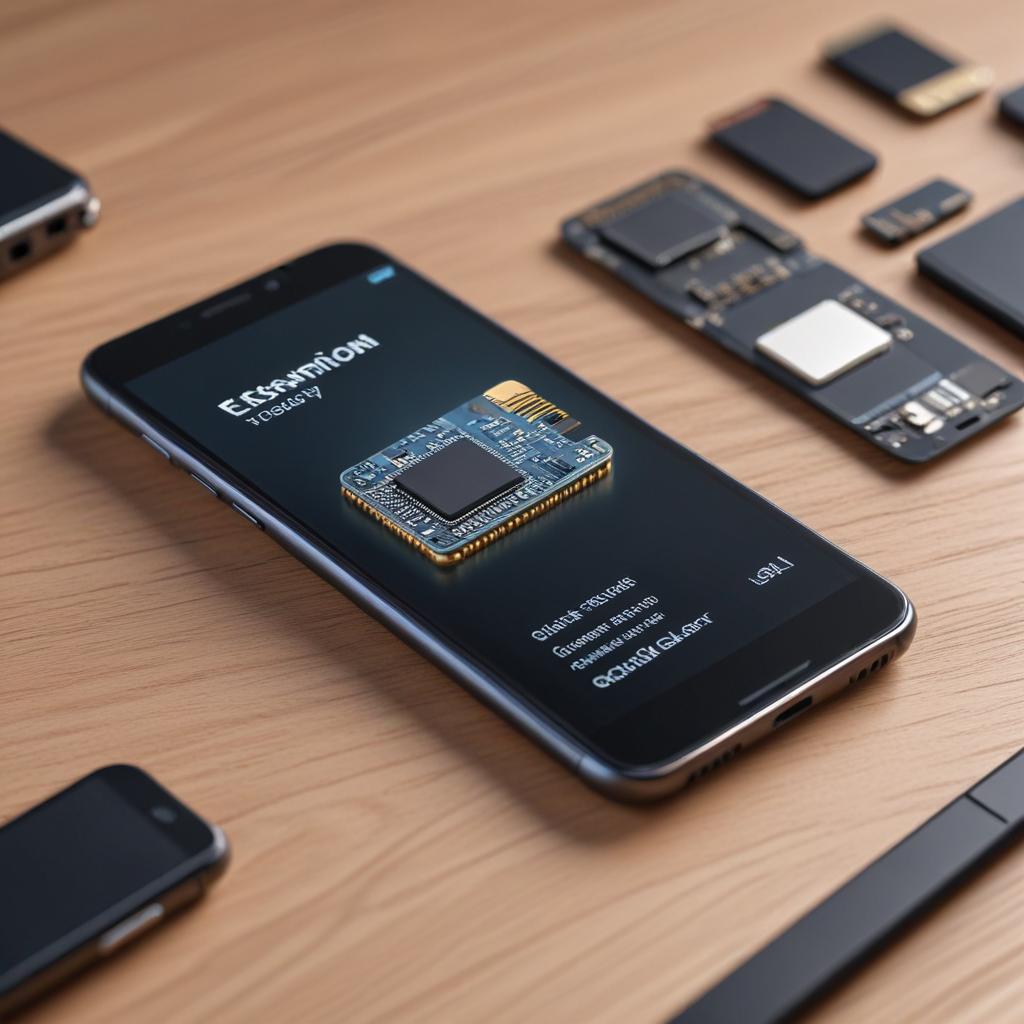
Understanding device support for eSIM
18/03/2026
Introduction to eSIM Technology
eSIM technology, short for embedded SIM, represents a significant evolution from traditional physical SIM cards. Unlike conventional SIM cards that require a physical slot and manual swapping, an eSIM is a programmable chip embedded directly into a device. This embedded SIM enables users to activate cellular plans without needing to insert or replace a physical card, offering enhanced convenience and flexibility.
The concept of eSIM is not entirely new; it emerged as a response to the growing demand for more versatile and compact mobile connectivity solutions. Introduced and standardized by the GSMA (GSM Association) in the mid-2010s, eSIM technology was designed to address the limitations of physical SIM cards, paving the way for future-ready devices such as smartphones, tablets, wearables, and IoT gadgets. Early adopters began incorporating eSIMs into devices around 2016-2017, and since then, the technology has steadily gained traction globally.
The core advantage of eSIM lies in its ability to simplify device management and improve user experience. One of the key benefits of an embedded SIM is that it allows multiple cellular profiles to be stored on a single chip, enabling users to switch carriers or plans with just a few taps on their device settings. This eliminates the hassle of physically changing SIM cards, which is particularly useful for frequent travelers and those who require multiple phone numbers for work and personal use.
Moreover, eSIMs offer improved security features compared to traditional SIM cards. Since the eSIM is soldered inside the device, it is much harder to tamper with or remove, reducing risks related to theft or fraud. The remote provisioning capability also means that carriers can securely update SIM profiles over the air without physical intervention.
From a design perspective, the embedded SIM allows device manufacturers to save space and increase durability by eliminating the need for SIM card trays. This can lead to slimmer, more water-resistant devices with improved internal layout possibilities. Overall, the eSIM overview highlights a transformative shift in mobile connectivity, blending technical innovation with user-centric benefits, and setting a foundation for more integrated and seamless communication technology.
Supported Devices for eSIM
eSIM technology has gained significant traction in recent years, transforming how users connect their devices to cellular networks. As the ecosystem grows, more devices are becoming eSIM compatible, broadening the accessibility and convenience of eSIM usage. Understanding device support is crucial for those looking to transition from traditional SIM cards to the more versatile eSIM. This section details the types of devices that support eSIM, including smartphones, tablets, and wearables, along with specific examples of popular models.
| Device Type | Examples | eSIM Compatibility Details |
|---|---|---|
| Smartphones | Apple iPhone 13 series, Google Pixel 6, Samsung Galaxy S22 | Most recent flagship smartphones from leading brands support eSIM. These devices typically allow dual SIM use, combining a physical SIM with an eSIM for flexible connectivity options. |
| Tablets | Apple iPad Pro (2021 and later), Microsoft Surface Pro LTE, Samsung Galaxy Tab S7 LTE | Tablets with cellular connectivity increasingly include eSIM to provide seamless mobile data access without needing a physical SIM. |
| Wearables | Apple Watch Series 7, Samsung Galaxy Watch 4, Fitbit Sense | Wearables with independent cellular functionality often incorporate eSIM to enable phone-free connectivity for calls, messages, and data usage. |
Device support for eSIM continues to expand, with manufacturers integrating eSIM capabilities into a wide range of electronics. eSIM smartphones are the most common category, benefiting users who want the flexibility of managing multiple mobile plans or traveling internationally without swapping physical SIMs. Tablets equipped with eSIM offer an added layer of convenience, particularly for professionals who require reliable cellular connections on the go. Meanwhile, wearables leverage eSIM to offer standalone connectivity, enhancing the user experience by freeing devices from dependence on a paired smartphone.
When selecting an eSIM compatible device, it’s essential to verify the device’s specific eSIM support and your carrier’s compatibility. While many top-tier smartphones, tablets, and wearables support eSIM, regional differences and carrier restrictions may affect availability. Overall, the versatility and growing device support for eSIM signal a future where seamless, embedded connectivity becomes the norm across all mobile and wearable technology categories.
Smartphones with eSIM Support
Many major smartphone manufacturers have embraced eSIM technology, integrating it into various flagship and mid-range models. This adoption reflects a growing trend toward more flexible and user-friendly mobile connectivity options.
- Apple eSIM: Apple has been a pioneer in eSIM adoption, starting with the iPhone XS, XS Max, and XR models. More recent releases, including the iPhone 11 series, iPhone 12, 13, 14, and the latest iPhone 15 models, all support eSIM alongside traditional SIM cards. Apple also extends eSIM support to the cellular-enabled iPads and the Apple Watch, making it a versatile ecosystem for users who need multiple devices on one plan.
- Android eSIM: On the Android side, multiple manufacturers support eSIM technology. Google Pixel models, beginning with the Pixel 3 and continuing through Pixel 4, 5, 6, 7, and newer, include eSIM capabilities. Samsung offers eSIM on its Galaxy S20, S21, S22, S23 series, and the latest foldable devices like the Galaxy Z Fold and Z Flip. Other brands such as Motorola, Huawei, and OnePlus have also started incorporating eSIMs in selected recent models.
The adoption of eSIM technology by these manufacturers simplifies switching carriers, managing multiple lines, and enhancing device designs by eliminating the physical SIM tray in some models. This trend is expected to grow as network operators expand eSIM support globally, making it an essential feature in modern smartphones.
eSIM in Tablets and Laptops
eSIM technology is increasingly being integrated into tablets and laptops, enhancing mobile computing by providing seamless connectivity without the need for physical SIM cards. Many modern tablets now come with built-in eSIM functionality, allowing users to easily switch carriers or data plans directly from their device settings. Similarly, a growing number of laptops feature embedded eSIM, offering users the flexibility to stay connected on the go without relying on Wi-Fi hotspots or tethering.
With eSIM tablets and laptops, users benefit from improved convenience and versatility. They can activate mobile data plans instantly, which is particularly advantageous for frequent travelers or remote workers who need reliable internet access anywhere. Laptop eSIM support also means fewer hardware components and no risk of losing or damaging physical SIM cards, resulting in a more streamlined device design.
| Device Type | eSIM Features | User Benefits |
|---|---|---|
| Tablets | Integrated eSIM allows easy carrier switching and connection management through software. | On-the-go connectivity, no physical SIM usage, flexibility in data plans, and enhanced portability. |
| Laptops | Embedded eSIM supports multiple carriers and provides connectivity without external devices. | Reliable internet anywhere, reduced hardware bulk, easier setup of mobile internet plans. |
Wearables with eSIM Compatibility
Wearables with eSIM compatibility have revolutionized the way we stay connected without relying on traditional SIM cards. Devices such as smartwatches and fitness trackers frequently utilize eSIM technology to offer seamless mobile connectivity. This integration allows users to access cellular networks directly from their wearable devices, enabling calls, messaging, and data usage on the go without needing a paired smartphone.
Smartwatches with eSIM are particularly popular among users who desire independence from their phones. These devices are ideal for fitness enthusiasts who want to track their workouts, heart rate, and GPS data while remaining reachable in real-time. The eSIM wearables ensure that even during runs, bike rides, or gym sessions, users can stay connected without carrying bulky phones. Additionally, fitness trackers with eSIM technology help monitor health indicators and sync data across devices efficiently.
Common use cases for eSIM wearables include making emergency calls, receiving notifications, and streaming music wirelessly. Travelers also benefit from these devices as they can easily switch between carriers without swapping physical SIM cards, enhancing convenience and reducing roaming charges. Ultimately, eSIM-enabled wearables such as smartwatches and fitness trackers offer enhanced mobility, improved user experience, and greater flexibility in managing cellular connectivity.
How to Check if Your Device Supports eSIM
Verifying whether your device supports eSIM is an essential step before you proceed with the eSIM activation process. Not all devices are equipped with eSIM technology, so checking device compatibility first can save you time and effort. Follow these clear steps to check eSIM support and ensure a smooth activation experience.
- Check the Device Specifications: Start by visiting the official website of your device manufacturer. Search for your specific model and check the technical specifications section to see if eSIM support is listed. Many modern smartphones, tablets, and some laptops now come with built-in eSIM functionality.
- Look in Device Settings: On a compatible device, you can often find eSIM options in the settings menu. For example, on many smartphones, navigate to Settings > Cellular or Mobile Data, then look for an option like “Add eSIM” or “Add Mobile Plan.” If you see these options, your device supports eSIM.
- Consult Carrier or Provider Resources: Mobile carriers and service providers typically provide lists of supported devices for eSIM activation. Check your carrier’s website or contact customer support to confirm whether your device is compatible with their eSIM services. This is also a good chance to inquire about the activation process specific to your carrier.
- Use Online Compatibility Checkers: Some carriers and third-party websites offer tools to automatically check device compatibility by entering your device model or IMEI number. These tools simplify the process and give you quick confirmation.
- Prepare for eSIM Activation: Once you confirm that your device supports eSIM, make sure you have a stable internet connection. Then follow your carrier’s instructions to activate the eSIM. This usually involves scanning a QR code or entering an activation code provided by the carrier.
- Update Your Device Software: Ensure your device’s operating system is up to date, as eSIM support and activation features might require the latest software version to function correctly.
By following these steps, you can confidently check eSIM support on your device and proceed with device compatibility verification and eSIM activation. This careful preparation ensures a seamless switch to the benefits of eSIM technology, including more flexibility and convenience in managing your mobile plans.
Checking Device Specifications
To verify if your device supports eSIM functionality, the most reliable method is to consult the official manufacturer resources. Device specs are typically detailed on the manufacturer’s website, which provides comprehensive information about the model’s features, including whether it includes the eSIM feature. This ensures you are getting accurate and updated details directly from the source.
Start by locating your device’s exact model number, then visit the manufacturer’s support or specifications page. Here, you can confirm the presence of eSIM support in the device specs section or under connectivity features. In some cases, manufacturers also publish detailed user manuals or FAQs that explain how to activate and use the eSIM feature.
Additionally, you can double-check eSIM compatibility directly on your device by navigating to the settings menu. For example, on many smartphones, the eSIM option can be found under Mobile Network or Cellular settings, where you may see options to add or manage eSIM profiles if the device supports it. This method offers a quick confirmation without needing to reference external sources.
By leveraging both manufacturer info and device settings, you can confidently determine whether your device supports eSIM technology and be fully informed before attempting to activate or switch to an eSIM plan.
Using Carrier Tools to Confirm eSIM Support
Mobile carriers increasingly offer dedicated tools or apps designed to help users verify carrier compatibility with eSIM technology. These tools simplify the process of checking whether a specific device can activate eSIM plans by guiding users through a few straightforward steps. Typically, a mobile carrier’s website will provide a compatibility checker where users can input their device model or IMEI number to quickly confirm eSIM eligibility.
Many carriers also provide apps that include verification features for eSIM activation. These apps not only manage your mobile carrier services and plans but also ensure that your device’s hardware and software settings support eSIM functionality. By using these carrier tools, users avoid potential issues during activation and can conveniently view available eSIM plans tailored to their device and location.
Furthermore, some carriers integrate automated diagnostic tools within their customer service portals. These tools help confirm if the device is fully compatible with the carrier’s eSIM infrastructure before users commit to a plan. Ultimately, carrier compatibility tools provide peace of mind by verifying eSIM support ahead of time, ensuring smooth setup and optimal use of eSIM plans.

I’m a lifelong traveler who fell in love with the freedom that eSIM technology offers. Exploring new places while staying seamlessly connected has become my personal mission, and I love sharing practical tips on managing mobile data abroad. When I’m not testing the latest eSIM platforms, I’m mapping out the next adventure.