How eSIM supports short-term connectivity
03/03/2026
Understanding eSIM Technology
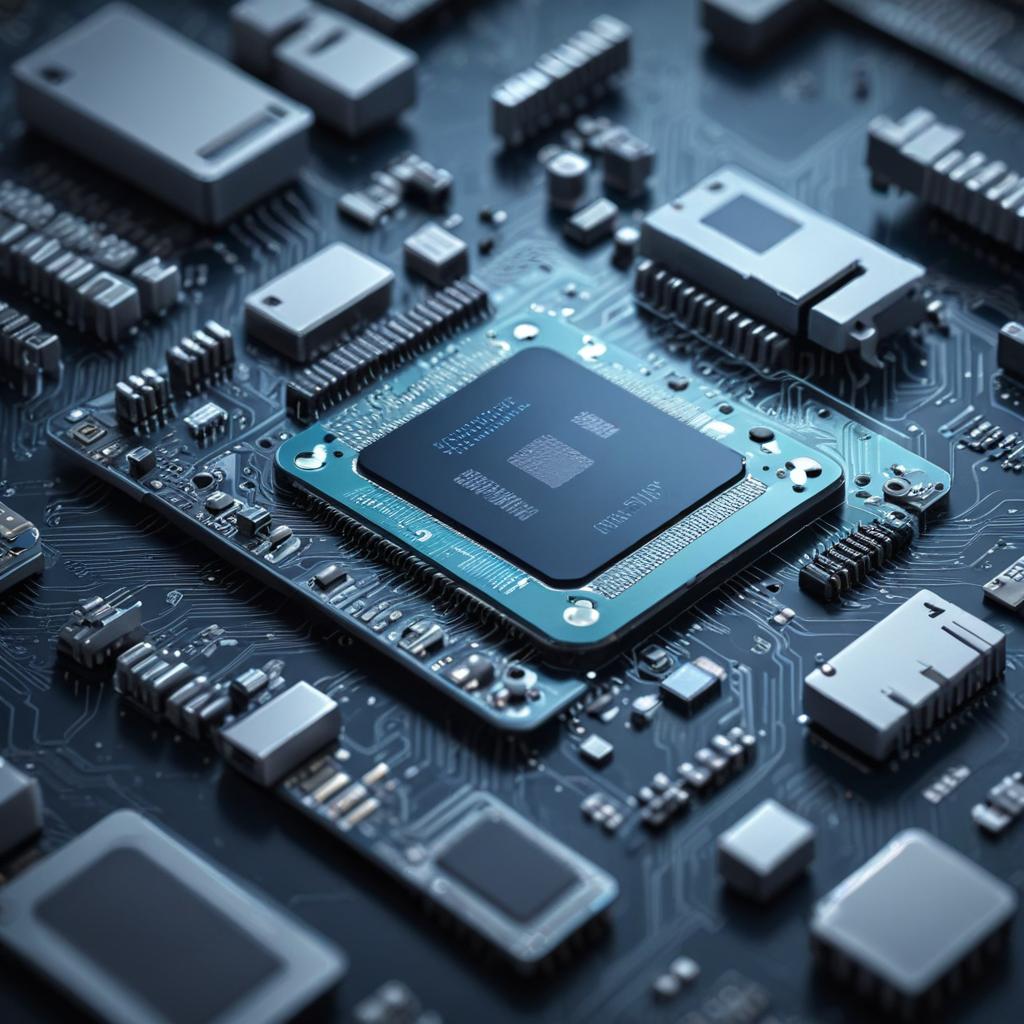
eSIM, also known as embedded SIM or digital SIM, represents a revolutionary advancement in mobile connectivity. Unlike traditional SIM cards, which are physical chips that must be inserted into a device, an eSIM is a small chip embedded directly into the device’s motherboard. This embedded SIM technology eliminates the need for removable SIM cards, providing users with a more streamlined and flexible mobile experience.
Traditional SIM cards are physical cards that store the subscriber’s information and connect the device to a mobile network. These cards must be purchased, activated, and physically swapped whenever a user changes their mobile carrier or travels internationally. In contrast, the digital SIM technology of eSIMs allows users to download and activate mobile carrier profiles remotely without needing a physical card. This difference makes switching providers or plans much faster and more convenient.
The integration of eSIM technology into modern devices has grown rapidly in recent years. Many smartphones, tablets, smartwatches, and even laptops now come equipped with embedded SIMs. Device manufacturers are embracing eSIMs because they save internal space, improve water resistance by reducing SIM tray openings, and support multiple profiles on a single device. This integration supports users who need flexible connectivity options, especially in markets where changing carriers frequently or accessing local networks while traveling is common.
Moreover, eSIM technology enhances mobile connectivity by enabling seamless switching between different data plans and networks without the hassle of physically swapping SIM cards. This capability is particularly beneficial for short-term connectivity solutions, such as travel or temporary data usage, as users can quickly activate and manage multiple profiles right from their device settings.
In summary, the embedded SIM or digital SIM represents a significant evolution from traditional SIM cards, offering greater convenience, flexibility, and integration into modern devices. As eSIM adoption continues to expand, it will further transform how users access mobile connectivity and manage their mobile plans.
What is an eSIM?
An eSIM, or embedded SIM card, is a modern type of SIM technology integrated directly into a device’s motherboard, rather than being a removable physical card. Unlike traditional SIM cards, the eSIM is soldered onto the device, making it a virtual SIM that can store multiple carrier profiles and be programmed remotely. This capability allows users to switch between different mobile network operators without needing to physically replace the SIM card.
Technically, the eSIM is a secure element compliant with GSMA standards that securely hosts the subscriber’s identity and credentials. It supports remote provisioning, which means that telecom operators can download and manage profiles over the air without user intervention or visiting a store. The embedded SIM technology enhances device designs by saving space and improving durability, as the absence of a SIM card tray reduces the risk of damage and water ingress.
As a virtual SIM, the eSIM simplifies the management of cellular plans especially for devices with limited physical space such as smartwatches, tablets, and modern smartphones. It also supports multiple profiles simultaneously, allowing users to maintain business and personal numbers on a single device or switch local carriers while traveling, thereby supporting flexibility and connectivity like never before.
Advantages over traditional SIM cards
The transition from physical SIM cards to eSIM technology offers numerous eSIM benefits that greatly enhance mobile flexibility for users. Unlike traditional SIM cards, which require physical swapping to change carriers or plans, eSIMs are embedded directly into devices, allowing users to switch providers or activate new data plans remotely and instantly. This eliminates the need to visit a store or wait for a SIM card by mail, offering unparalleled convenience and saving time.
From a SIM card comparison perspective, eSIMs dramatically reduce the risk of losing a physical SIM card or damaging it during handling. They support multiple carrier profiles simultaneously, enabling users to store and manage several numbers or plans on a single device. This is especially beneficial for frequent travelers or short-term connectivity needs, as switching between networks no longer requires multiple physical cards.
Moreover, eSIMs contribute to device design improvements by saving internal space, allowing manufacturers to produce smaller, thinner gadgets or allocate more room for advanced hardware components. The efficiency of software-driven SIM management reduces operational overhead for carriers and improves overall network security through encrypted provisioning processes.
In summary, the shift to eSIM technology offers mobile users enhanced freedom, simplified connectivity management, and greater efficiency compared to traditional SIM cards. With increasing adoption worldwide, eSIM benefits are reshaping how users connect, making mobile experiences more seamless and adaptable.
How eSIM Supports Short-Term Connectivity
In today’s fast-paced world, the demand for quick, on-demand cellular connectivity is growing rapidly, especially for short-term or temporary use cases. eSIM technology plays a crucial role in meeting these needs by providing a flexible and efficient solution to access mobile networks without the constraints of traditional SIM cards. The benefits of eSIM extend far beyond convenience, making it a pivotal tool for anyone seeking short-term connectivity.
One of the most significant eSIM benefits is the ability to activate temporary mobile plans instantly without needing to visit a store or wait for a physical SIM card to be delivered. Users can download a carrier profile directly onto their device, enabling immediate network access. This seamless process allows travelers, business professionals, and temporary residents to stay connected wherever they go, without the hassle of swapping SIM cards or negotiating long-term contracts.
Flexible network access through eSIMs makes short-term connectivity highly accessible. Since multiple carrier profiles can be stored on a single device, users can switch between networks depending on their location or service needs. This flexibility is especially advantageous for international travelers who can switch to local carriers with temporary plans, reducing roaming charges and improving network reliability.
Moreover, eSIM technology supports quick reconfiguration, allowing users to update, change, or disable their mobile subscriptions on demand. This means users can try different providers or plans to find the one that best suits their temporary needs without long-term commitments. Such adaptability not only enhances user experience but also encourages competitive pricing and service improvements among carriers.
In summary, eSIM enhances short-term connectivity by enabling instant access to mobile networks through temporary mobile plans and flexible network options. Its on-demand activation, multiple carrier support, and easy profile management make it an ideal solution for users requiring convenient, short-duration mobile internet access. As eSIM adoption grows, it promises to revolutionize the way we connect to cellular networks, making short-term connectivity smoother and more efficient than ever before.
Instant activation and provisioning
One of the standout features of eSIM technology is the ability to achieve instant activation and seamless eSIM provisioning. Unlike traditional SIM cards that require physically visiting a store or manually swapping cards, eSIM allows users to activate their mobile service virtually anytime and anywhere. This instant activation capability eliminates delays and simplifies mobile setup significantly.
With eSIM provisioning, users can download their mobile plan directly onto their device through a secure digital profile. This means there is no need to handle physical cards or wait for delivery. The entire process can be completed within minutes, making it exceptionally convenient for travelers, temporary visitors, or anyone needing quick connectivity on short notice. Mobile setup becomes a straightforward, user-driven experience without dependency on carrier stores or intermediate steps.
The technology supports multiple profiles as well, so users can switch between mobile plans or carriers effortlessly without swapping SIMs. This instant activation combined with flexible provisioning empowers users to stay connected smoothly, even in dynamic situations where immediate mobile access is critical. Overall, eSIM’s approach redefines how mobile services are activated and configured, providing unmatched convenience and speed.
Flexibility in choosing carriers and plans
One of the standout benefits of eSIM technology is the unparalleled carrier flexibility it offers. Unlike traditional SIM cards, which can lock users into a single carrier or require physical card swaps, eSIMs allow users to easily switch carriers digitally. This is particularly advantageous for travelers and individuals who require temporary mobile connectivity solutions.
With eSIM roaming capabilities, users can select temporary plans that are perfectly suited to their short-term needs. Whether visiting a foreign country or needing an additional line for a brief period, eSIM enables seamless activation of these plans without the usual hassle of buying and inserting new SIM cards. This flexibility supports users in staying connected without being tied to long-term contracts or expensive roaming fees from their primary carrier.
Moreover, the ability to switch carriers quickly means users can explore a range of offers and pricing options, ensuring they choose the best deals available on the market. This dynamic approach to connectivity empowers users to adapt their mobile plans based on location, budget, and duration, making eSIM an ideal solution for modern, on-the-go lifestyles seeking temporary plans with reliable service.
Use cases for short-term connectivity
Short-term connectivity solutions powered by eSIM technology unlock a world of convenience for various real-world scenarios. Travelers benefit immensely from the flexibility of travel connectivity, as eSIMs allow them to instantly activate temporary data plans without switching physical SIM cards. This eliminates the hassle of hunting for local SIMs or paying exorbitant roaming fees, ensuring seamless access to short-term internet throughout the journey.
Business trips present another compelling use case. Professionals on tight schedules can meet temporary mobile needs efficiently by activating eSIM profiles tailored for a specific region or duration. This enables smooth communication on international trips, access to critical work apps, and reliable connectivity without the need for long-term commitments.
Aside from travel and business, eSIM use cases extend to events, temporary relocations, or short-term projects where traditional mobile contracts fall short. Users can quickly subscribe to data plans that match their precise timeframe, avoiding unnecessary expenses. The ability to manage multiple eSIM profiles on a single device further enhances convenience, making short-term internet access easy, cost-effective, and adaptable to changing needs.

I’m a lifelong traveler who fell in love with the freedom that eSIM technology offers. Exploring new places while staying seamlessly connected has become my personal mission, and I love sharing practical tips on managing mobile data abroad. When I’m not testing the latest eSIM platforms, I’m mapping out the next adventure.