Understanding carrier switching with digital SIM
28/04/2026
Introduction to Carrier Switching with Digital SIM
Carrier switching refers to the process of changing your mobile network provider. Traditionally, this required physically swapping out a SIM card in your phone, which could be inconvenient and time-consuming. However, with the advent of digital SIM technology, also known as eSIMs, this process has become much more streamlined and user-friendly.
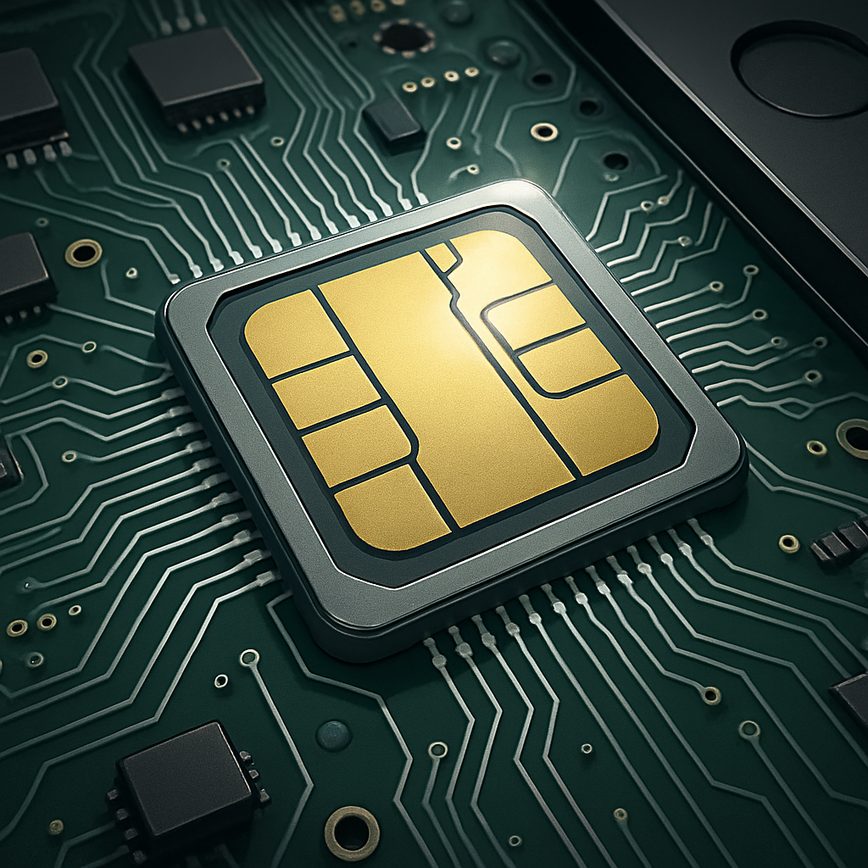
A digital SIM, or eSIM, is a programmable SIM that is embedded directly into your device. Unlike traditional SIM cards, which are physical chips that must be inserted or removed, eSIMs use software to store your mobile network credentials. This innovation simplifies carrier switching by allowing users to download and activate new mobile network profiles without needing to handle physical SIM cards.
Understanding eSIM basics reveals many benefits over traditional SIM technology. With digital SIMs, you can switch carriers remotely and instantly, which is especially useful for frequent travelers or people who want to take advantage of better mobile plans as they become available. This flexibility is a significant advancement in how mobile networks connect with users, reducing the need for physical intervention.
Moreover, carrier switching with digital SIMs enhances convenience by enabling multiple mobile network profiles on a single device. This allows users to maintain work and personal numbers on the same phone or quickly change to a local network when abroad without purchasing a new SIM card. As mobile networks continue to evolve, digital SIM technology is shaping the future of seamless connectivity and improved user experience.
What is a Digital SIM?
A digital SIM, often referred to as an eSIM or embedded SIM, is a modern evolution of the traditional physical SIM card. Unlike standard SIM cards, which are detachable pieces of hardware inserted into a device, digital SIMs are built directly into devices as a tiny embedded chip. This innovation allows users to activate mobile service plans without needing to swap physical cards, streamlining connectivity and providing immense convenience.
Practically, a digital SIM functions much like a virtual SIM. It stores your mobile network credentials securely within the device’s hardware and can be programmed remotely by carriers through eSIM technology. This means you can switch between carriers or manage multiple cellular plans on a single device without physically changing the SIM card. Devices equipped with digital SIMs can download operator profiles over the air, making setup and carrier switching faster and more flexible.
The underlying technology behind digital SIMs is embedded SIM technology, often called eSIM. Unlike traditional SIM cards, which rely on physical plastic cards, the embedded SIM is permanently integrated into a device’s motherboard. It is designed to be rewritable and secure, enabling mobile network operators to update subscription details remotely. This embedded SIM solution is at the core of the move towards a more connected, versatile, and user-friendly mobile experience, supporting everything from smartphones to IoT devices.
Benefits of Using Digital SIMs
Digital SIMs offer several significant benefits that enhance the overall mobile experience. One of the primary advantages is the flexibility they provide in switching carriers. Unlike traditional physical SIM cards, digital SIMs allow users to effortlessly change their mobile network operator without the need to physically swap cards, making it ideal for travelers and those seeking better plans or coverage.
Additionally, digital SIMs simplify the activation process. Activation can be done instantly through software interfaces, eliminating delays commonly associated with receiving and inserting physical SIM cards. This ease of activation means users can get connected faster and more conveniently, often just by scanning a QR code or entering a confirmation code.
Another notable benefit is the ability to manage multiple carrier profiles on a single device. Users can store several digital SIM profiles and switch between them seamlessly, allowing for separate personal and business numbers or access to different carriers’ plans based on location or usage needs. This multi-profile management expands carrier options without requiring multiple devices, enhancing usability and cost-efficiency.
Overall, the benefits of digital SIMs—such as increased flexibility, straightforward activation, and the capacity to handle multiple profiles—make them an attractive option for anyone looking to optimize their mobile connectivity.
How Carrier Switching Works with Digital SIMs
The carrier switching process using digital SIM technology is streamlined and efficient, eliminating the need for physical SIM cards. This method allows users to activate a new carrier service, download profiles, and select carriers directly from their devices. Below is a detailed step-by-step explanation of how this process unfolds.
- Initiate the Carrier Switching Process: The user begins by accessing the device’s settings or the specific app provided by their digital SIM service. Here, they select the option to switch carriers, which triggers the digital SIM activation workflow.
- Choose the Desired Carrier: The device displays a list of available carriers supported by the digital SIM platform. The user selects the carrier they wish to switch to, ensuring they choose the appropriate service plan and coverage for their needs.
- Download the Carrier Profile: Once a carrier is selected, the device connects securely to the carrier’s server to download the digital SIM profile. This profile contains all necessary credentials and configuration details required for the network connection.
- Activate the Digital SIM Profile: After the profile download completes, the device automatically activates the profile. This activation replaces or supplements any existing profiles, enabling the device to connect to the new carrier’s network.
- Manage Multiple Profiles: Digital SIM technology allows for multiple profiles to be stored on a single device. Users can easily switch between different carrier profiles without removing SIM cards, managing their preferences conveniently via device settings.
- Confirm Network Connection and Test: Finally, the device verifies the network connection with the new carrier. The user should test calling, texting, or data usage to ensure the carrier switching process has been successfully completed and the digital SIM is functioning correctly.
This streamlined carrier switching process with digital SIMs offers unparalleled flexibility and convenience, eliminating physical constraints and making carrier selection and profile management seamless directly on users’ devices.
Understanding Profile Management
Profile management on a digital SIM is a seamless process that allows users to add, remove, or switch carrier profiles conveniently through device settings. Digital SIM settings serve as the control center where all carrier profiles are organized and managed. Users can download new carrier profiles directly from supported carriers without needing a physical SIM card, enabling effortless profile addition.
Switching profiles on a digital SIM is as simple as selecting the desired carrier profile from the list in the device’s digital SIM settings. This functionality is especially useful for travelers who want to switch between local and home carriers without physically swapping SIM cards. When a profile is activated, the device connects to the corresponding carrier network, allowing immediate use of voice, messaging, and data services associated with that profile.
Removing a carrier profile is equally straightforward; users can delete profiles they no longer need through the same management interface. This helps in maintaining an organized set of carrier profiles and frees up space for new ones. The digital SIM settings govern this entire process, providing a user-friendly interface that ensures efficient and secure management of multiple carrier profiles on one device.
By using profile management features inherent to digital SIM technology, users gain unparalleled flexibility and control over their mobile connectivity. This removes the physical limitations of traditional SIM cards and creates a dynamic environment where switching profiles is quick, secure, and hassle-free.
Compatibility and Device Requirements
- Apple iPhone XS, XR, 11 series and newer support digital SIMs, offering seamless carrier switching with dual SIM functionality.
- Google Pixel 3 and later models are equipped for eSIM, providing flexibility for multiple carrier profiles without physical SIM cards.
- Samsung Galaxy S20 and subsequent models include digital SIM support, though carrier compatibility may vary by region.
- Microsoft Surface Duo devices incorporate digital SIM capabilities designed for multi-carrier use, enhancing mobile productivity.
Device compatibility heavily depends on the integration of an eSIM chip within the hardware, which is now standard in many newer smartphones and tablets. To enable successful carrier switching, the device must support the GSMA eSIM specification, ensuring interoperability across networks.
Carrier support is crucial; not all carriers offer eSIM plans or allow digital SIM provisioning. Users should verify that their chosen carrier supports eSIM technology and provides Service Profile management compatible with the device.
Hardware requirements involve having a built-in secure element where the digital SIM profile is stored, enabling remote provisioning and activation. This eliminates the need for physical SIM swapping, allowing for instant switching between supported carriers.
–>Potential Challenges and Considerations
While digital SIM technology offers unprecedented convenience in carrier switching, several challenges and considerations remain that users should be aware of. One of the primary carrier switching challenges involves network restrictions imposed by certain mobile operators. Some carriers may limit the activation of digital SIMs to specific devices or geographic regions, creating hurdles for users attempting to switch freely between networks. These limitations can delay the switching process or even prevent successful activation on the new carrier’s network.
Another significant concern is the inherent digital SIM limitations that impact compatibility and usability. Not all smartphones support multiple active digital SIM profiles simultaneously, meaning users might have to deactivate one carrier before activating another, reducing the seamlessness of switching. Additionally, older devices or carriers without full support for digital SIM technology can hinder the fluid transition that users expect.
Data security is also a key consideration when switching carriers using digital SIMs. While digital SIM technology eliminates the need for physical cards, it introduces new vectors for potential cyber threats, such as unauthorized access during remote provisioning or profile transfers. Ensuring strong encryption and secure authentication protocols is essential to prevent interception or tampering with sensitive subscriber information. Users should be cautious about where and how they manage their digital SIM profiles and ensure their devices are kept up to date with security patches.
Network restrictions can also extend beyond device compatibility to contractual and regional policies. Some carriers may enforce lock-in periods or contractual obligations that restrict users from switching frequently or at all without penalties. Moreover, in some areas, regulatory frameworks may limit the activation of digital SIM profiles across networks to protect infrastructure or for security reasons. These policies can complicate the expectations around instant carrier switching.
In summary, while digital SIM technology is transforming how users approach carrier switching, navigating carrier switching challenges, digital SIM limitations, network restrictions, and data security concerns are essential for a smooth and secure experience. Users should stay informed about their carriers’ policies and device capabilities to successfully leverage the flexibility digital SIMs promise.
Network and Carrier Restrictions
Network locks and carrier policies play a significant role in how digital SIM activation and switching are managed. Certain carriers implement restrictions that can limit a user’s ability to activate a digital SIM or switch carriers freely. These restrictions often stem from contractual agreements or network compatibility issues, causing digital SIMs to be locked to a specific carrier for a set period or until certain conditions are met. Users should be aware that these locks may prevent them from taking full advantage of the flexibility that digital SIM technology offers.
Another critical aspect to consider is regional limitations imposed by carriers or network providers. In some areas, digital SIM activation might be restricted due to regulatory policies or infrastructure constraints, which means users could face difficulties when trying to activate or switch a digital SIM outside designated regions. These regional policies can lead to activation issues, such as failed attempts to register a new digital SIM profile or network connectivity problems after switching.
To avoid unexpected activation issues, users should familiarize themselves with the carrier policies and network locks applicable to their region and chosen carrier. It is advisable to check whether the carrier supports digital SIMs without restrictions and if the device is compatible with the carrier’s network standards. Understanding these factors helps mitigate service interruptions and ensures smoother transitions when switching carriers or activating new digital SIMs.
Ensuring Data Privacy and Security
When switching carriers using digital SIM technology, ensuring data privacy and SIM security is paramount. Digital SIMs use advanced encryption methods to protect user information, making it difficult for unauthorized parties to intercept or manipulate the data. This encryption safeguards the personal details stored within the SIM, including authentication credentials and network access information, providing a secure environment for mobile connectivity.
Despite these robust security measures, users should remain aware of potential digital SIM risks. For instance, since digital SIM profiles can be downloaded and managed remotely, there is a risk of unauthorized access if proper security protocols are not followed by carriers or the device itself. Additionally, phishing attacks aimed at stealing carrier account credentials may lead to unauthorized SIM profile changes, potentially disrupting service or compromising sensitive information.
To mitigate these risks, users should ensure their devices have the latest software updates and enable strong authentication methods such as biometric verification or multi-factor authentication. Choosing carriers that adhere to strict security standards and transparent privacy policies also helps protect users from data breaches. Understanding these precautions and maintaining vigilance can safeguard your digital SIM experience against privacy threats and security vulnerabilities.

I’m a lifelong traveler who fell in love with the freedom that eSIM technology offers. Exploring new places while staying seamlessly connected has become my personal mission, and I love sharing practical tips on managing mobile data abroad. When I’m not testing the latest eSIM platforms, I’m mapping out the next adventure.