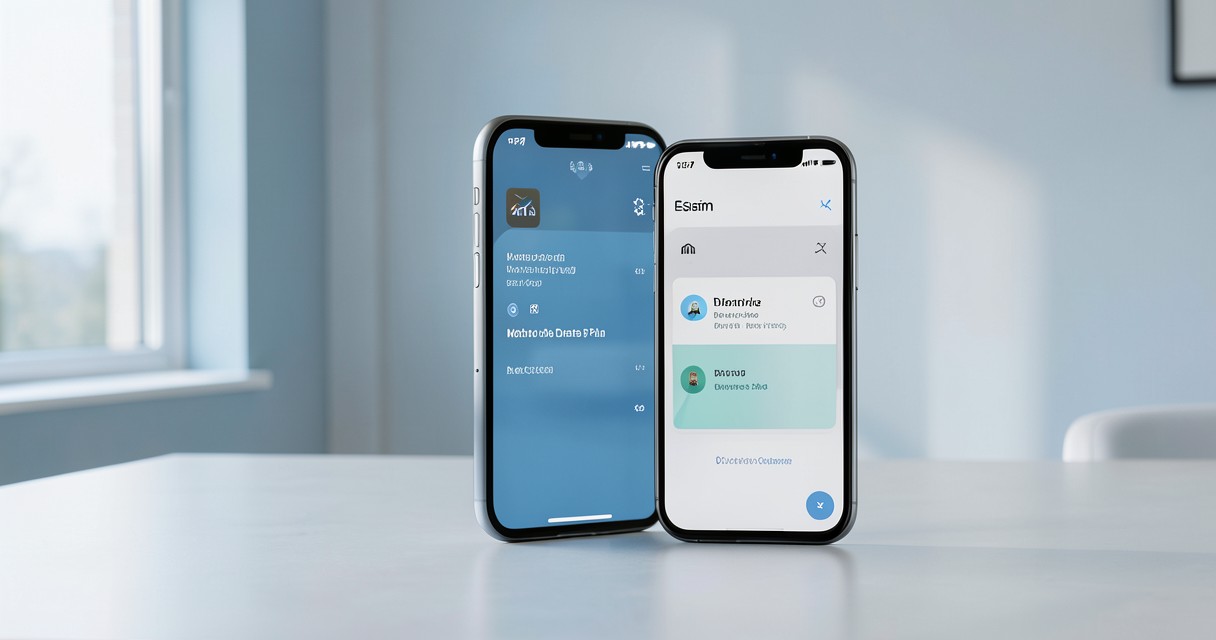
Understanding data expiration on eSIM
19/07/2026
As eSIM technology continues to gain traction among travelers and mobile data users, understanding how data expiration works is crucial. Unlike traditional SIM cards, eSIMs offer flexibility and convenience, but they also come with specific terms regarding data usage and expiration. This article will explore the intricacies of data expiration on eSIMs, helping users navigate their mobile data plans effectively while traveling or at home.
What is an eSIM?
An eSIM, or embedded SIM, is a digital version of a traditional SIM card that is embedded directly into a device. This technology allows users to activate cellular plans without the need for a physical SIM card. eSIMs are particularly advantageous for travelers, as they enable users to switch between different carriers and plans without the hassle of changing physical cards. Many modern smartphones, tablets, and wearables support eSIM technology, providing users with more options for connectivity while on the go.
The convenience of eSIMs comes with the added responsibility of managing data plans effectively. Users must understand how data expiration works, as this can impact their mobile experience significantly. With eSIMs, data plans can often be purchased for specific durations, and knowing the terms of these plans is essential for ensuring uninterrupted service.
How Does Data Expiration Work on eSIMs?
data expiration on eSIMs typically refers to the period during which purchased mobile data can be used. When you buy a data plan, it usually comes with a set amount of data and a validity period. This means that once the data is consumed or the validity period expires, the user may lose access to the service unless they purchase additional data or renew their plan. The specifics of data expiration can vary widely depending on the provider and plan chosen.
For instance, some providers offer plans that expire after a set number of days, while others may allow data to remain valid until it is fully consumed. This distinction is crucial for travelers who may not use their data daily. Understanding these terms can help avoid unexpected costs or interruptions in service while abroad.
Different Types of Data Plans
When selecting an eSIM data plan, users will encounter various types of plans, including temporary eSIM plans with different expiration terms. Pay-as-you-go plans offer flexibility, allowing users to purchase data as needed without a fixed expiration date. However, they may charge higher rates per megabyte, making it essential to monitor usage closely.
On the other hand, prepaid plans often come with a set amount of data and a specified validity period. These plans can be more economical for travelers who can estimate their data needs. For example, a traveler might purchase a 5GB plan valid for 30 days, ensuring they have enough data for navigation, social media, and communication while abroad. Understanding these options can help users choose the best plan for their specific travel needs.
Factors Influencing Data Expiration
Several factors influence data expiration on eSIMs, including the type of plan, the data provider, and even the user’s location. Providers often have different policies regarding how long data remains valid and under what conditions it might expire. For instance, some providers may impose restrictions based on the country where the eSIM is activated, which could affect travelers who frequently cross borders.
Additionally, the frequency of data usage can impact how quickly a plan is consumed. For example, a user who streams videos and uses navigation apps heavily will deplete their data faster than someone who mainly uses their device for occasional messaging and browsing. Being aware of these factors will help users manage their data more effectively and avoid running out unexpectedly.
Managing Data Usage Effectively
To make the most of an eSIM data plan, users should actively monitor their data consumption. Many devices offer built-in tools to track data usage, allowing users to see how much data has been consumed and how much remains. This feature can be particularly useful for travelers who may not have access to Wi-Fi and need to conserve data for essential tasks.
Another strategy for managing data usage is to download content for offline use whenever possible. For example, travelers can download maps, music, or videos to their devices before heading out, reducing the need for data while on the go. This proactive approach can extend the life of a data plan and ensure users stay connected without exceeding their limits.
Renewing or Upgrading Your eSIM Data Plan
Once your data plan nears its expiration or you find yourself running low on data, you may need to consider renewing or upgrading your eSIM plan. Many providers offer straightforward processes for purchasing additional data or upgrading to a new plan directly through their apps or websites. This convenience allows travelers to stay connected without interruption during their journeys.
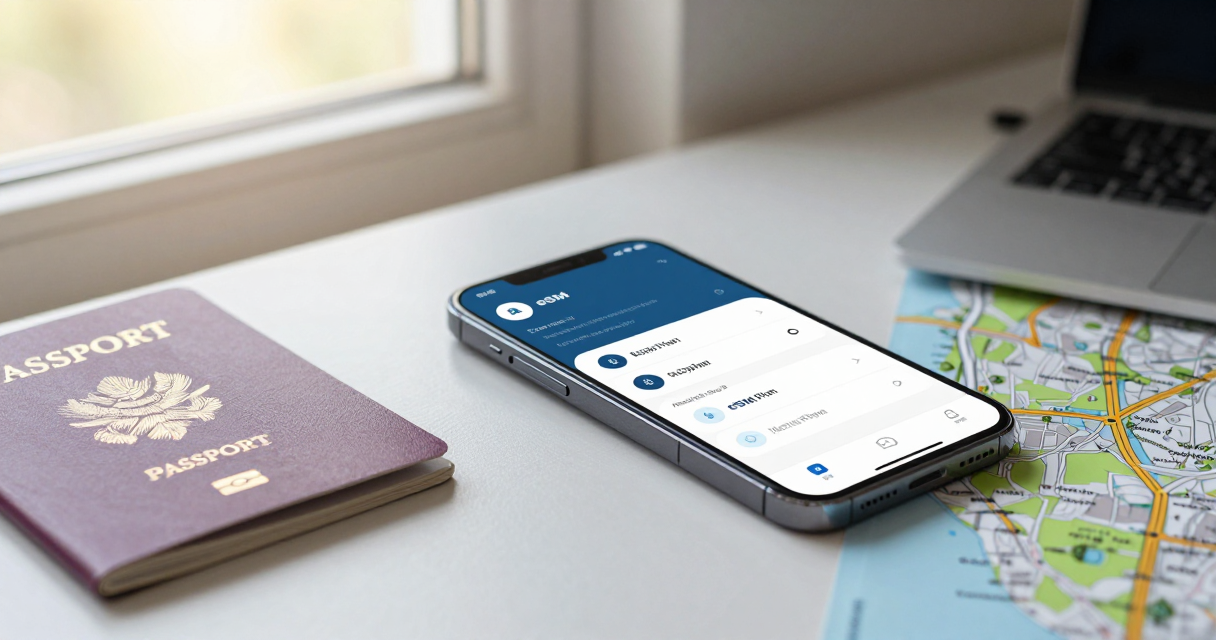
It is essential to review the terms of any new plan carefully. Some plans may offer better rates for bulk data purchases or longer validity periods, which can be beneficial for extended travel. Additionally, users should ensure that their new plan will work in their desired locations, as roaming charges may apply if the plan is not valid internationally.
Understanding International Data Plans
Travelers often face unique challenges when it comes to data expiration, particularly with international eSIM plans. Many providers offer specific plans designed for international travel, which can include unique expiration terms and conditions. These plans may allow users to access data in multiple countries without incurring additional roaming fees, making them an attractive option.
However, it is crucial to understand the limitations of these international plans. Some may restrict data usage to certain countries or regions, while others might impose lower data limits. Users should research and compare options to find the best plan that aligns with their travel itinerary, ensuring they have reliable connectivity throughout their journey.
Future Trends in eSIM Technology and Data Expiration
The eSIM landscape is continually evolving, and future trends may influence how data expiration works. As more carriers adopt eSIM technology, we can expect greater competition and improved offerings for consumers. This could lead to more flexible plans with better expiration terms, allowing users to tailor their data usage to their specific needs.
Additionally, advancements in network technology, such as 5G, may also impact data consumption and expiration. Faster speeds and increased capacity could change how users interact with their devices, potentially leading to different data usage patterns. As these trends unfold, staying informed about changes in the eSIM market will be vital for users seeking the best mobile connectivity solutions.

I’m a lifelong traveler who fell in love with the freedom that eSIM technology offers. Exploring new places while staying seamlessly connected has become my personal mission, and I love sharing practical tips on managing mobile data abroad. When I’m not testing the latest eSIM platforms, I’m mapping out the next adventure.