
Understanding eSIM validity periods
29/06/2026
When you buy a travel eSIM, the first thing you see is a number of days, weeks or months attached to the product. That figure is not a marketing gimmick; it is the period during which the embedded profile will stay active and allow you to consume data, send messages or make calls. Understanding how that clock works, what resets it and how it interacts with roaming agreements can save you from unexpected cut‑offs while you are on the road.
What the term “validity period” really covers
In the context of eSIMs, the validity period is the span of calendar time that the carrier promises to keep the profile provisioned on your device. During this span you can draw down the data allowance that belongs to the plan. If the clock runs out before you have exhausted the gigabytes, the remaining traffic simply disappears. Conversely, if you use up the data before the period ends, the profile stays online but cannot deliver any more traffic until you purchase a top‑up or a new plan.
Most operators tie the period to the date you first activate the profile, not to the date you order it. This distinction matters because a traveler who buys a plan days before departure may see the clock start ticking while the suitcase is still at home, effectively shortening the usable window.
Fixed term versus usage based expiration models
Some providers adopt a strict calendar approach: a 14 day plan expires exactly two weeks after activation, regardless of how much data you have used. Others combine a time limit with a data cap, meaning the profile disappears when either the days run out or the allocated gigabytes are consumed. The latter model is common among budget‑oriented carriers that want to prevent heavy users from draining resources without paying extra.
There are also pure usage models where the profile stays alive until the data quota is exhausted, with no explicit date attached. These are rare for travel eSIMs because they make cost forecasting difficult for tourists who need to budget daily expenses. A hybrid model gives both predictability and flexibility, which is why many travel‑focused brands have adopted it.
Typical time frames you will encounter on the market
Most travel eSIMs fall into three buckets: short stay, medium stay and long stay. Short stay options range from 3 to 7 days and are marketed to business travelers who need a quick connection after landing. Medium stay plans cover 14 to 30 days and are popular among vacationers who explore several cities. Long stay packages extend to 60, 90 or even 180 days, catering to digital nomads who work from cafés across continents.
on Airalo they explain eSIM validity periods, you can watch it right here
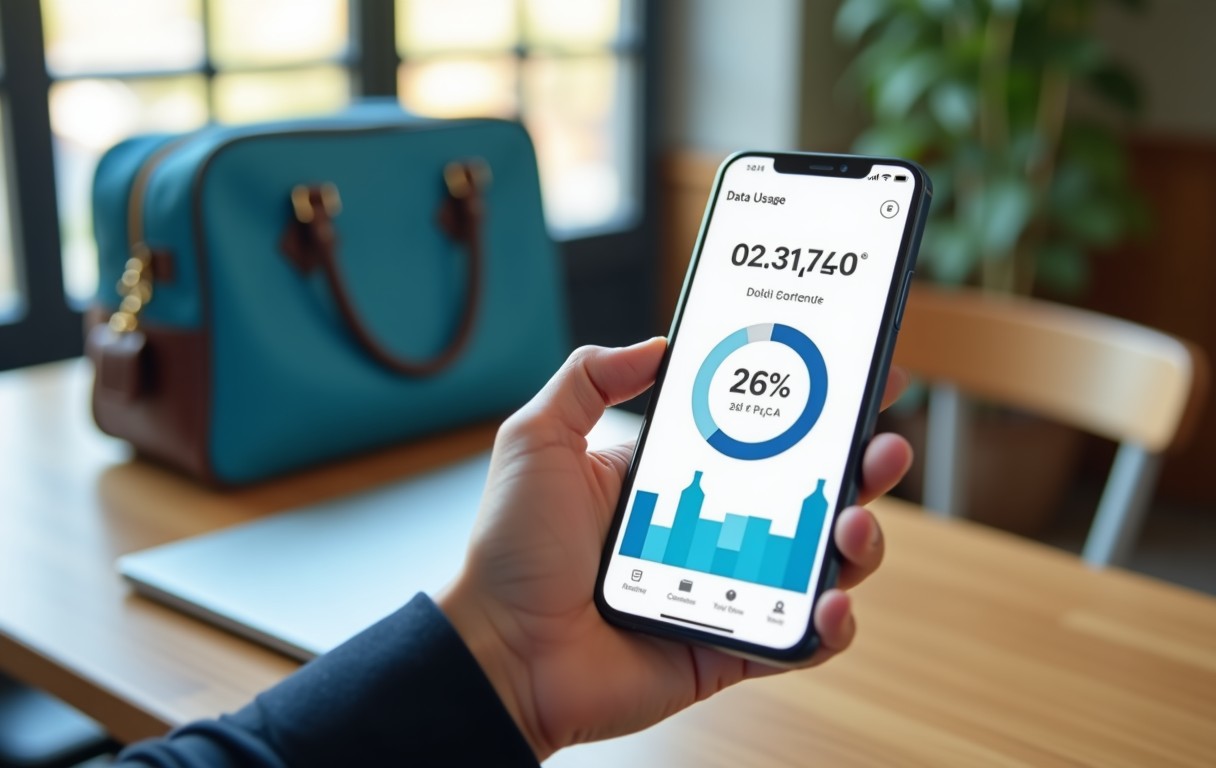
For example, a European provider may offer a 30 day plan with 10 GB of data for €20, while a Middle Eastern carrier could provide a 60 day plan with 20 GB for $35. The price per gigabyte often drops as the period lengthens, but the total cost of the plan still rises because the carrier must reserve network capacity for a longer stretch.
How activation date influences the countdown
When you scan the QR code or download the profile from a carrier’s app, the moment the profile is successfully installed on your device is recorded as the activation timestamp. From that point the calendar starts. If you delay the activation until you are already at the airport, you maximise the usable days. Some providers allow you to set a future activation date, but most simply lock the start time as soon as the profile is recognized by the SIM manager.
Because the activation moment is device dependent, switching phones after activation does not reset the clock. The profile can be transferred to a new device, but the original start date travels with it. This behavior prevents users from “resetting” the period by moving the eSIM to a fresh handset.
Renewal strategies and how to avoid service gaps
Most eSIM platforms send a push notification a day or two before the validity window closes. The alert usually contains a link to purchase an extension or a new plan. If you ignore the reminder, the profile will become inactive at midnight in the carrier’s time zone, and you will lose connectivity until you manually reactivate a fresh profile.
One practical method is to align the renewal with a natural break in your itinerary, such as the night before a long train ride. Buying a 30 day extension while you are still within the original period guarantees continuous coverage. Some providers even let you purchase a “rolling” extension that adds a set number of days to the existing expiration date, rather than starting a new calendar.
How roaming agreements affect the effective life of a plan
Travel eSIMs rely on roaming contracts that the issuing carrier has negotiated with local operators in each destination. If a destination is covered by a strong partner, the data you consume will be routed efficiently and the profile will stay active for the full advertised period. In regions where the carrier has only limited agreements, the network may impose additional throttling or even early termination of the profile.
For instance, M:tel BH’s eSIM Travel product lists 120 countries with full access, but in a few remote islands the service falls back to a 2 G fallback that still counts against the data allowance. In such cases the user may feel that the plan “ended early” because the connection quality deteriorates, even though the calendar is still ticking.
Choosing the right validity length for your travel itinerary
Match the plan length to the longest continuous stretch you expect to be abroad without returning to a home network. If you are crossing multiple time zones in a short burst, a 7 day plan with a generous data pool may be cheaper than a 30 day plan with a smaller allowance. On the other hand, if you intend to work remotely for several months, a 90 day plan with a higher data ceiling will reduce the administrative overhead of frequent renewals.
Consider also the cost of over‑age fees. Some carriers charge $10 per additional gigabyte after the quota is exhausted, while others simply block traffic. Knowing the penalty helps you decide whether a slightly larger plan is worth the extra upfront expense.

I’m a lifelong traveler who fell in love with the freedom that eSIM technology offers. Exploring new places while staying seamlessly connected has become my personal mission, and I love sharing practical tips on managing mobile data abroad. When I’m not testing the latest eSIM platforms, I’m mapping out the next adventure.