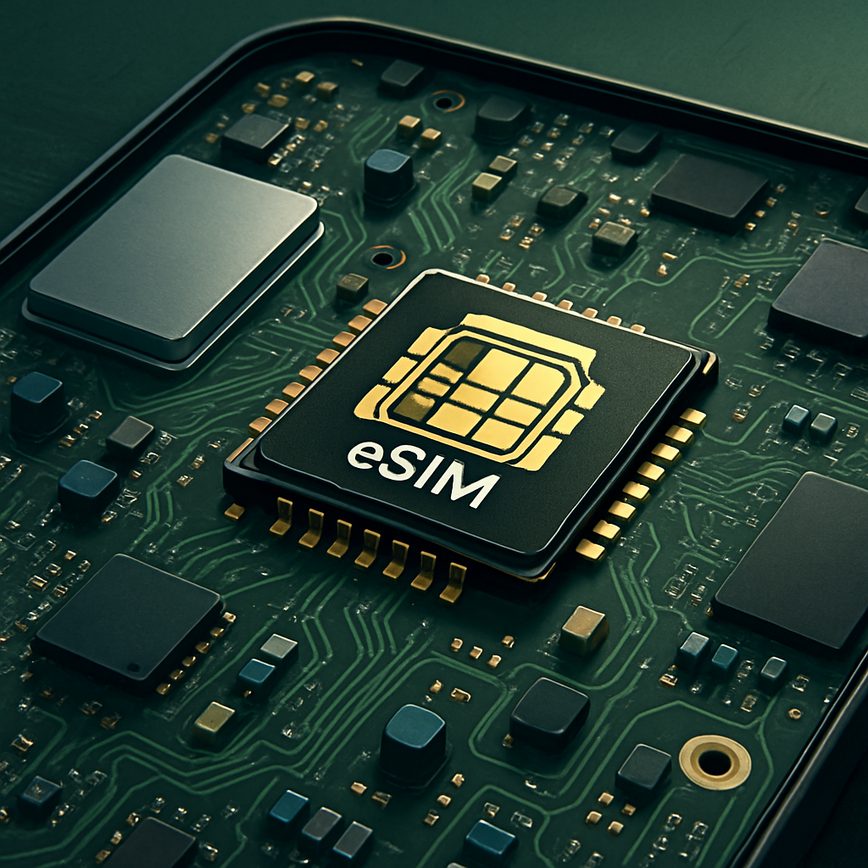
Understanding device firmware support for eSIM
24/04/2026
Overview of eSIM Technology
eSIM technology, short for embedded SIM, represents a significant advancement in mobile connectivity compared to traditional SIM cards. Unlike conventional SIM cards, which are physical chips that users insert into their devices, an eSIM is a small chip embedded directly into a device’s motherboard during manufacturing. This embedded design eliminates the need for a removable card slot, offering a more seamless integration within modern devices.
One of the primary differences between eSIM technology and traditional SIM cards is flexibility. Traditional SIM cards require physical swapping to change carriers or plans, which can be cumbersome and inconvenient, especially for frequent travelers. In contrast, eSIMs allow users to digitally switch between multiple carriers and data plans without ever needing to remove or replace a physical card. This is because the eSIM securely stores multiple profiles that can be managed and activated remotely.
Another key advantage of the embedded SIM is space optimization. By integrating the SIM functionality directly into the device, manufacturers can save space, enabling slimmer, more compact designs or freeing up room for additional features and components. This is particularly beneficial in smaller devices like smartwatches, fitness trackers, and IoT gadgets where size constraints are critical.
In terms of device connectivity, eSIM technology enhances user convenience by supporting instant provisioning and activation of cellular service. Users can download their preferred carrier profile over the air without needing to visit a store or wait for a SIM card delivery. This ease of activation fosters better connectivity options and quicker network access, making eSIMs ideal for the increasingly mobile and connected lifestyles of today’s consumers.
Moreover, eSIMs offer improved security since the embedded chip is less vulnerable to physical damage or theft compared to removable SIM cards. This security aspect, combined with the ability to manage profiles remotely, helps protect users’ data and connectivity infrastructure.
In summary, eSIM technology represents a transformative step forward in embedded SIM design, offering advantages such as enhanced flexibility, better device integration, streamlined activation, and improved security. As more devices adopt this technology, users can expect a more seamless and efficient experience in managing their device connectivity and cellular plans through eSIM basics and capabilities.
What is an eSIM?
An eSIM, or embedded SIM card, is a modern alternative to the traditional physical SIM card used in mobile devices. Unlike a physical SIM, which is a removable chip that you insert into your phone or tablet, an eSIM is built directly into the device’s hardware. This digital SIM eliminates the need for a physical card slot, allowing for a more streamlined and compact device design.
The eSIM definition centers around its functionality as a programmable SIM, which can securely store multiple carrier profiles and switch between them without needing to physically swap cards. This is particularly useful for people who travel frequently or want to manage multiple phone numbers on a single device. With an eSIM, users can activate a cellular plan digitally by scanning a QR code or using an app, making the process much quicker and more flexible compared to traditional SIM cards.
In modern devices, the role of the eSIM continues to grow as more manufacturers adopt this technology. It enables better connectivity options, supports remote provisioning, and enhances the overall user experience by reducing the dependency on physical hardware. As networks and carriers increasingly support eSIMs, this digital SIM solution is poised to become the standard, paving the way for more innovative and versatile mobile device designs.
Benefits of Using eSIM
eSIM technology brings a range of significant advantages to both consumers and manufacturers, making it a key innovation in modern device firmware support. One of the primary eSIM advantages is flexible connectivity. Unlike traditional SIM cards, an eSIM allows users to activate and switch between multiple mobile carriers without physically changing the SIM card. This flexibility is particularly beneficial for frequent travelers who need seamless access to various networks worldwide without the hassle of purchasing new SIM cards for every destination.
For consumers, eSIMs offer unparalleled convenience. The ability to manage mobile plans digitally means no longer worrying about losing or damaging a small physical card. Activation is often instant, which reduces wait times and enhances user experience. Additionally, eSIMs reduce device clutter and open up internal space within devices, enabling manufacturers to design slimmer or more compact products, or to enhance battery life by reallocating saved space.
Manufacturers also benefit from simpler device management with eSIM technology. They can streamline production and inventory by shipping devices without pre-installed carrier SIMs, thus increasing efficiency and reducing costs. The digital nature of eSIMs supports over-the-air updates and remote provisioning, facilitating easier maintenance and upgrades. This dynamic capability not only improves product lifecycle management but also aligns with the growing demand for connected IoT devices and smart gadgets.
Overall, the flexible connectivity, enhanced convenience, and streamlined device management offered by eSIMs represent a transformative leap forward for mobile technology, benefiting end-users and manufacturers alike.
Device Firmware Support for eSIM
Device firmware plays a crucial role in the functionality and overall performance of eSIM technology within modern devices. Firmware acts as the intermediary software layer that controls hardware operations, managing the device’s communication with the embedded SIM hardware. Without appropriate device firmware support, eSIM compatibility cannot be ensured, leading to potential issues in activation, network switching, and profile management.
Since eSIM is embedded directly into the device, its successful operation depends heavily on the firmware’s ability to support the specific eSIM standards and protocols. Manufacturers often release firmware updates designed to enhance device support for eSIM capabilities, addressing bugs, improving security, and expanding compatibility with new carriers and regions. This dynamic nature of eSIM technology means firmware updates are frequently necessary to maintain seamless functionality as network technologies evolve.
Furthermore, firmware updates also enable devices to handle multiple eSIM profiles, which is a key advantage of eSIM technology. The firmware governs how profiles are stored, activated, and switched, which directly affects user experience. Devices that lack firmware support for multi-profile management may find their eSIM features severely limited, reducing the overall benefit of the technology.
In addition to functional support, firmware ensures the security and integrity of eSIM operations. Secure firmware protocols protect sensitive subscriber information stored on the eSIM and guard against unauthorized access or tampering. Maintaining up-to-date firmware is critical to safeguarding these security features and ensuring compliance with carrier and industry security standards.
In summary, device firmware is fundamental to the successful implementation and operation of eSIM technologies. It directly impacts device compatibility, user experience, profile management, and security. Therefore, keeping device firmware updated and optimized for eSIM capabilities is essential for both manufacturers and users who want to leverage the full potential of eSIM technology.
Role of Firmware in eSIM Functionality
Firmware plays a critical role in the operation of eSIMs by acting as the essential device software that enables and manages eSIM features. Unlike traditional SIM cards, which rely on physical hardware to store subscriber information, eSIMs depend heavily on the device’s internal software to function effectively.
The firmware is responsible for facilitating communication between the device’s operating system and the embedded SIM hardware. It ensures that the eSIM profiles, which consist of mobile network credentials, can be securely downloaded, activated, and switched without the need to physically replace a card. This dynamic management of profiles is fundamental to the flexibility offered by eSIM technology.
Moreover, firmware handles the secure storage and encryption of eSIM data, protecting sensitive information from unauthorized access. It supports remote provisioning processes and updates, allowing users to manage subscriptions and connectivity options seamlessly. This software layer also plays a vital role in troubleshooting and recovery, making it possible to restore or reset eSIM functionality if issues arise.
In summary, the firmware acts as the backbone for eSIM operation within a device, orchestrating the interaction between hardware and software components to deliver a smooth and secure user experience. Understanding the firmware role is essential for grasping how modern devices leverage eSIM technology for improved connectivity and convenience.
Firmware Compatibility and Updates
Firmware updates play a crucial role in enhancing device capabilities, especially when it comes to eSIM support. As manufacturers release new firmware versions, they often include improvements that optimize how the device handles eSIM technology, ensuring smoother activation and better performance. These updates can also add eSIM support to devices that did not originally support it, expanding user options without the need for hardware changes.
Compatibility issues are common challenges with eSIM adoption, as different devices and network providers may have varying standards and protocols. Firmware updates address these concerns by incorporating necessary fixes and compatibility enhancements that ensure the eSIM functions correctly across different networks and regions. This continuous improvement process helps prevent connectivity problems and reduces user frustration.
Regularly updating device firmware ensures users benefit from the latest security patches and feature enhancements related to eSIM technology. This is particularly important as the eSIM ecosystem evolves, with new carriers and services becoming available. Timely firmware updates guarantee that devices remain capable of supporting these advancements, maintaining seamless and reliable eSIM functionality over time.
Challenges and Future Trends in eSIM Firmware Support
The integration of eSIM technology into devices brings profound benefits but is also accompanied by significant challenges, particularly in the realm of firmware support. One of the primary eSIM challenges stems from the firmware limitations that restrict seamless interoperability across diverse devices and network operators. Firmware must be capable of securely managing multiple profiles and enabling smooth transitions between them, yet many current firmware implementations are constrained by outdated architectures and security protocols.
Firmware limitations also affect device evolution, as manufacturers need to continuously update and optimize firmware to meet the increasing complexity of eSIM functionality. These updates are crucial to support new network standards, enhance device security, and improve user experience. However, the update process itself can be problematic due to fragmentation in device ecosystems and varying regulations across regions, which can delay or hinder timely firmware upgrades.
Despite these challenges, future trends in eSIM firmware support are promising and indicative of the technology’s potential. Emerging standards for eSIM management aim to simplify the firmware stack and create more unified protocols that could reduce compatibility issues. Innovations in secure element technology within the firmware are also becoming a focal point, enhancing the security and reliability of profile management on eSIM-enabled devices.
Moreover, the evolution of device firmware is closely tied to broader industry movements such as 5G adoption and the Internet of Things (IoT). As devices grow increasingly interconnected, firmware will need to support dynamic eSIM capabilities that can adapt in real-time to different network conditions and user demands. This adaptability will be critical to unlocking the full potential of eSIMs in diverse applications ranging from smartphones to wearables, automotive systems, and beyond.
In summary, while eSIM firmware support currently faces challenges including limited flexibility, update difficulties, and security concerns, the ongoing advancements and future trends in firmware design are set to drive device evolution and unlock new possibilities. Stakeholders across the industry must collaborate to overcome existing obstacles, facilitating a more seamless and secure eSIM experience for users worldwide.
Common Firmware Challenges in eSIM Devices
Firmware issues remain one of the key obstacles in the widespread adoption and optimal performance of eSIM devices. Many eSIM problems arise due to outdated or incompatible firmware that fails to support the dynamic nature of embedded SIM technology. Device manufacturers often face limitations in updating firmware efficiently, which can result in delayed support for new carriers or network features. These firmware challenges can manifest as connectivity disruptions, failed profile downloads, or incompatibility with specific mobile network operators.
Another common limitation is the lack of standardized firmware updates across different device models and manufacturers. This fragmentation complicates the seamless activation and management of eSIM profiles, leading to user frustration and reduced confidence in the technology. Security vulnerabilities in firmware also pose risks, potentially exposing sensitive subscriber data or allowing unauthorized access to the device’s eSIM components.
Addressing these firmware issues requires collaboration between device makers, chipset manufacturers, and carriers to ensure timely updates and robust support for all aspects of eSIM functionality. Improving firmware adaptability and streamlining update processes are essential steps toward overcoming device limitations and unlocking the full potential of eSIM technology in mobile connectivity.
Emerging Trends in eSIM Firmware Development
Firmware innovation in the eSIM landscape is accelerating, driven by the need for enhanced device compatibility and more seamless user experiences. Advancements in this area promise to greatly improve how devices manage and integrate eSIM technology. One significant trend is the move towards more modular and updatable firmware architectures, allowing devices to quickly adopt new eSIM standards and features without requiring complete hardware overhauls.
Another key development is the integration of AI and machine learning within firmware to optimize eSIM operation, enabling smarter network selection and adaptive connectivity management. This not only improves device performance but also enhances the user’s ability to switch carriers effortlessly and efficiently. Furthermore, security protocols embedded in firmware are becoming more robust, addressing the growing concerns around eSIM data protection and preventing unauthorized access.
Looking towards the eSIM future, software trends emphasize interoperability across a broader range of devices and ecosystems. This means firmware will increasingly support multi-profile capabilities, allowing users to manage multiple eSIM profiles on a single device with ease. Collectively, these firmware innovations are setting the stage for a more flexible, secure, and user-friendly eSIM experience, ultimately driving broader adoption and integration across diverse device categories.

I’m a lifelong traveler who fell in love with the freedom that eSIM technology offers. Exploring new places while staying seamlessly connected has become my personal mission, and I love sharing practical tips on managing mobile data abroad. When I’m not testing the latest eSIM platforms, I’m mapping out the next adventure.