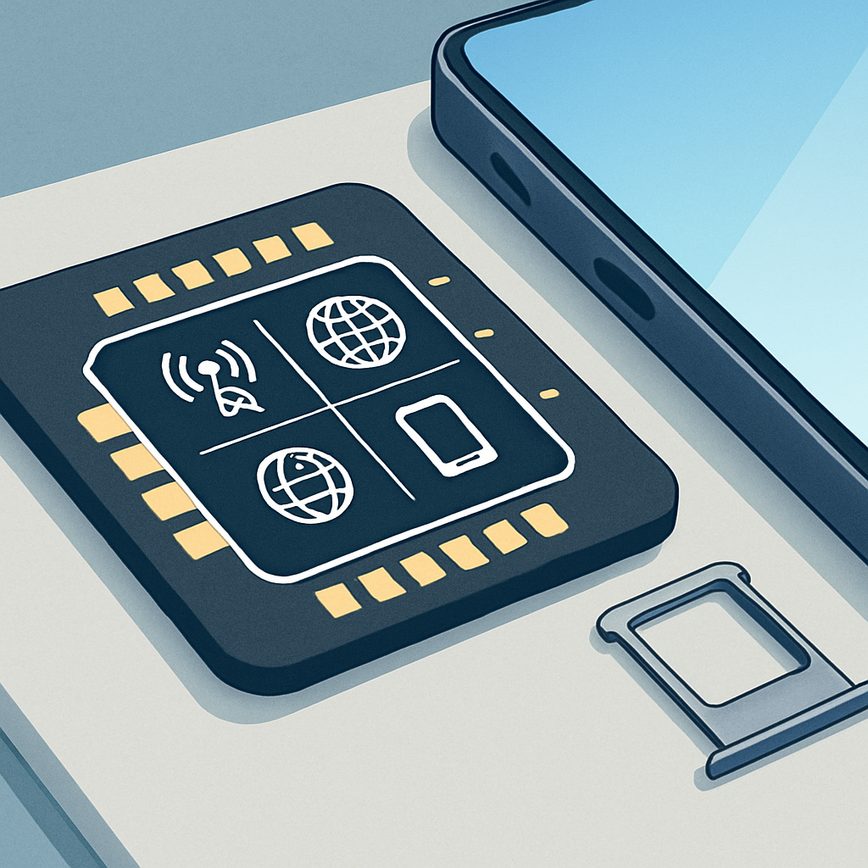
Understanding network profiles in eSIM
16/04/2026
Introduction to Network Profiles in eSIM
Network profiles play a pivotal role in the world of eSIM technology, serving as the digital credentials that enable mobile devices to connect to cellular networks without the need for a physical SIM card. In essence, a network profile contains all the necessary information that a mobile device requires to authenticate and access a specific mobile network operator’s services.
Understanding eSIM basics starts with recognizing the function of these network profiles. Unlike traditional SIM cards, which are physical chips that must be inserted into a device, eSIMs (embedded SIMs) are built directly into the device’s hardware. This embedded SIM can store multiple network profiles, which can be programmed and managed remotely, allowing users to switch carriers or plans without swapping physical cards.
Each network profile on an eSIM contains data such as the International Mobile Subscriber Identity (IMSI), authentication keys, and network configurations, which collectively enable seamless mobile connectivity. When a user activates a network profile, the device registers with the corresponding mobile network, granting access to voice, data, and messaging services.
The flexibility of network profiles within the embedded SIM system means that users can maintain multiple profiles on a single device. This is particularly beneficial for frequent travelers, who can switch between local carriers to avoid roaming charges, or for individuals who wish to keep separate personal and business numbers on one phone.
Moreover, the management of these network profiles is facilitated through software interfaces provided by device manufacturers and mobile operators. This software-based approach enhances convenience and security, allowing network profiles to be downloaded, activated, suspended, or erased over the air without requiring physical access to the device.
In summary, network profiles are at the heart of eSIM technology, empowering users with unprecedented control over their mobile connectivity. By embedding these profiles digitally, eSIM technology revolutionizes how mobile devices interact with networks, making connectivity more adaptable, agile, and user-friendly than ever before.
What is an eSIM?
An eSIM, or embedded SIM, is a digital SIM technology that is revolutionizing the way devices connect to mobile networks. Unlike traditional SIM cards, which are physical cards that must be inserted into a device, an eSIM is built directly into the device’s hardware. This means there is no need for a physical card to activate a mobile plan.
The eSIM definition emphasizes its embedded nature—it’s soldered onto the device’s motherboard during manufacturing. This embedded SIM can store multiple mobile network profiles, allowing users to switch between different carriers and plans without physically changing SIM cards. This flexibility is particularly beneficial for frequent travelers and those who want to manage multiple lines on a single device.
Compared to traditional SIM cards, the digital SIM offers a more streamlined and secure experience. Users can download network profiles over the air using QR codes or apps, eliminating the need to visit stores or wait for physical cards to arrive. Furthermore, eSIMs contribute to device design improvements, enabling slimmer devices or more internal space for other components since they remove the SIM tray mechanism.
Overall, the eSIM represents a significant advancement in mobile connectivity technology, providing a more convenient, flexible, and future-ready alternative to conventional SIM cards.
Network Profile Overview
A network profile is an essential component of an eSIM, serving as the detailed digital blueprint that stores all necessary information to enable mobile connectivity. This profile includes crucial operator data such as the carrier’s unique identifier, access point names (APNs), authentication credentials, and subscription details. These elements collectively ensure that the mobile device can securely connect to the network and receive services seamlessly.
Included within the network profile are configuration settings that govern how the eSIM interacts with the operator’s infrastructure. These settings define parameters like preferred network types (e.g., 4G, 5G), roaming permissions, and data usage policies. The profile also contains encryption keys and certificates that guarantee secure communication between the device and the mobile network, preserving privacy and preventing unauthorized access.
In essence, a network profile acts as the mobile profile for the user, encoding all the necessary eSIM data to facilitate cellular connectivity without the need for a physical SIM card. As users download new profiles or switch between operators, these network profiles allow for flexible and dynamic management of mobile subscriptions.
Understanding the composition of a network profile is critical for grasping how eSIM technology streamlines mobile connectivity, offering convenience and enhanced control over mobile data access. The operator data and configuration settings embedded within the profile ensure that users experience reliable and efficient network connections at all times.
How Network Profiles Work in eSIM
The operation of a network profile on an eSIM device involves a seamless process of downloading, storing, and activating the profile, fundamentally enabling the eSIM functionality that modern users rely on. Unlike traditional SIM cards that require physical swapping, the eSIM allows for remote provisioning of network profiles that can be managed digitally, offering unmatched convenience and flexibility.
The first step in network profile operation on an eSIM device is downloading the profile. This typically happens when the user selects a mobile network provider or plans to switch carriers. The eSIM device connects to a secure server where the network operator stores their profile information. This profile contains all necessary details such as the subscriber identity, authentication keys, and service parameters required to access and use the mobile network. The profile is transmitted over-the-air using encrypted communication protocols to ensure security and privacy during download.
Once downloaded, the network profile is stored securely within the eSIM’s embedded secure element. This tamper-resistant hardware module protects sensitive data from unauthorized access and manipulation. Storing profiles digitally in this manner eliminates the risk associated with physical SIM cards, such as loss or damage. Additionally, multiple profiles can be stored simultaneously, although only one can be active at any given time, allowing users to switch between different carriers and plans effortlessly.
After the profile is downloaded and stored, the activation process begins. Activation involves setting the selected profile as the active one, enabling the device to authenticate with the network operator and establish connectivity. This step is managed via the device’s settings interface, where users can switch between stored profiles according to their needs. The eSIM functionality supports over-the-air updates, meaning network operators can push changes or renew profiles dynamically without requiring user intervention or a physical SIM replacement.
Profile management is critical in maintaining smooth network operations and user control. eSIM devices simplify profile management by allowing users to add, activate, or delete profiles directly from their device interfaces. This flexibility empowers users in travel scenarios or multi-network environments to switch carriers without hassle. The entire process exemplifies the advanced eSIM functionality that underpins modern mobile connectivity, blending convenience with robust security and operational efficiency.
Downloading and Installing Profiles
Downloading and installing network profiles on an eSIM-enabled device is a seamless process that eliminates the need for physical SIM card changes. When you choose to download an eSIM profile, your device connects securely to the carrier’s server to retrieve the network profile data remotely. This means that instead of inserting a physical card, your device adopts the digital profile, simplifying connectivity especially when switching networks or traveling abroad.
To install a network profile, users typically scan a QR code provided by their carrier or use a dedicated app to initiate the download. Once the eSIM profile is downloaded, the device prompts the user to activate the new profile. This profile activation process ensures that the network settings and authentication credentials are correctly applied, enabling immediate network access without any further manual configuration. The entire procedure is designed to be user-friendly and efficient, allowing quick transitions between network providers.
This remote method to download eSIM profiles greatly enhances convenience by supporting multiple profiles on one device, allowing users to easily switch between carriers without swapping physical SIM cards. It also provides greater flexibility for managing mobile data plans, especially for frequent travelers who require different profiles for various countries. Overall, the ability to download and install network profiles digitally transforms how users connect to mobile networks.
Switching Between Multiple Profiles
One of the key advantages of a multi-profile eSIM is the ability to seamlessly switch between different network profiles on a single eSIM-enabled device. This profile switching capability allows users to manage eSIM profiles efficiently without the need to physically change SIM cards. Whether you want to switch between personal and work numbers, domestic and international carriers, or various data plans, eSIM technology makes this process straightforward and convenient.
Managing multiple profiles on an eSIM-enabled device means that you can activate or deactivate profiles via the device settings, giving you full control over which network you are connected to at any time. Many devices support storing several profiles but only allow one active profile to be used at once. This flexibility is especially useful for travelers who need to switch to local carriers to avoid roaming charges or for users who want to optimize their connectivity depending on location and usage needs.
The process of profile switching is typically quick and does not require restarting the device. With the right mobile carrier support and device compatibility, managing eSIM profiles lets users enjoy a smooth transition between networks, maintaining uninterrupted service and communication. Thus, the multi-profile eSIM feature significantly enhances the user experience by making network management simple and adaptable to various scenarios.
Benefits and Challenges of Using Network Profiles in eSIM
eSIM technology offers a transformative approach to mobile connectivity by embedding the SIM functionality directly into devices. One of the standout features within this technology is the use of network profiles, which bring significant benefits alongside some challenges that users and providers need to consider.
Among the primary eSIM benefits is the convenience of managing multiple network profiles on a single device. Users can switch seamlessly between carriers without physically changing SIM cards, enabling greater flexibility especially for international travelers or those who require separate personal and business lines. This flexibility also supports better cost management, as users can choose tariffs or data plans that best suit their needs without being locked into a single provider.
Network profiles advantages extend to the operational side for mobile operators as well. They can remotely provision and update network settings, significantly reducing logistical challenges and costs related to physical SIM distribution. Furthermore, this digital approach enhances user experience by speeding up the activation process and providing instant access to new network options.
Despite these strong benefits, adopting eSIM network profiles comes with challenges. One major concern is security; managing multiple profiles digitally increases the risk of unauthorized access or profile cloning if proper safeguards are not implemented. As a result, carriers and device manufacturers must ensure robust encryption and authentication mechanisms.
Another challenge involves compatibility and interoperability. While eSIM adoption is growing, not all devices or carriers fully support the technology, which can lead to limited functionality or connectivity issues. Consumers must verify device compatibility and network profile availability before relying entirely on eSIM solutions.
In summary, eSIM network profiles deliver several advantages including enhanced flexibility, cost efficiency, and operational ease. Nonetheless, addressing security and compatibility challenges is essential to unlocking the full potential of this innovative technology and ensuring a smooth user experience.
Advantages of Network Profiles in eSIM
Network profiles in eSIM technology bring unparalleled flexibility for users by enabling the easy switching of carriers without the need to physically replace SIM cards. This convenience means you can quickly change your network provider or plan directly from your device settings, saving time and effort.
Moreover, network profiles enhance device flexibility. Instead of being tied to one network or device, you can store multiple profiles on a single eSIM-enabled device and switch between them as needed. This feature is particularly useful for those who manage separate personal and business lines or want to use different operators for coverage or pricing advantages.
Global connectivity is another significant benefit of network profiles in eSIM technology. Travelers no longer need to buy local SIM cards or face roaming charges. Instead, they can download and activate a local or international profile anywhere in the world, ensuring seamless mobile data and voice access across borders. This global convenience supports continuous communication and productivity wherever you go.
In summary, network profiles in eSIM provide a powerful combination of flexibility, convenience, and international usability, making mobile connectivity simpler, smarter, and more adaptable for modern users.
Potential Challenges and Limitations
While eSIM technology offers many benefits, it also presents some potential challenges and limitations that users should be aware of. One major concern involves compatibility issues. Not all devices support eSIM functionality, and even among those that do, there can be discrepancies in how the technology is implemented. This can lead to difficulties when trying to switch carriers or use multiple profiles on a single device.
Another significant limitation is the variability of carrier support. Although the number of carriers offering eSIM services is steadily increasing, certain regions and smaller providers have yet to adopt this technology fully. This limited carrier support can restrict users’ choices and reduce the overall convenience that eSIM promises, particularly for travelers who rely on local network access.
Security issues also pose a potential drawback of eSIM adoption. Since eSIM profiles are digitally managed, there is an inherent risk of unauthorized access or hacking if security protocols are not robustly implemented. While carriers and device manufacturers have put measures in place to safeguard user data, users should remain vigilant and ensure their devices are updated with the latest security patches to mitigate these risks.
In summary, while eSIM technology revolutionizes how we connect to mobile networks, users must consider these technical limitations, compatibility challenges, limited carrier support, and security concerns when deciding to adopt this innovative solution.

I’m a lifelong traveler who fell in love with the freedom that eSIM technology offers. Exploring new places while staying seamlessly connected has become my personal mission, and I love sharing practical tips on managing mobile data abroad. When I’m not testing the latest eSIM platforms, I’m mapping out the next adventure.