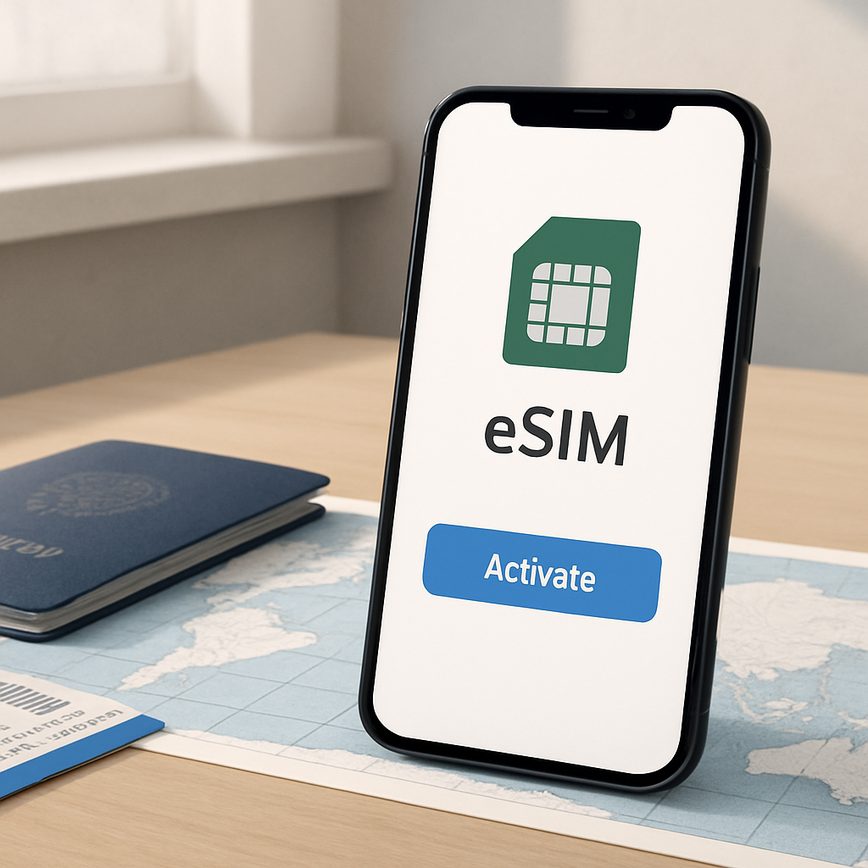
Why global travelers rely on eSIM
24/04/2026
Introduction to eSIM technology for global travelers
eSIM technology represents a significant advancement in how global travelers stay connected while on the move. Unlike traditional physical SIM cards, which require a tangible chip to be inserted into a mobile device, eSIMs are digital SIM cards embedded directly into a smartphone, tablet, or other compatible device. This shift to digital SIM cards is transforming travel connectivity by offering increased convenience and flexibility for users around the world.
For global travelers, maintaining seamless connectivity is not just a luxury but a necessity. Whether for navigating unfamiliar places, accessing important work emails, or simply staying in touch with family and friends, reliable mobile data is essential. eSIM technology caters precisely to these needs by enabling travelers to switch between cellular networks without the hassle of physically changing SIM cards. This means that users can easily activate local mobile plans in different countries directly from their device, reducing roaming charges and avoiding the inconvenience of purchasing and storing multiple physical SIM cards.
Furthermore, eSIM technology supports multiple profiles on a single device, allowing global travelers to maintain both personal and business numbers, or multiple regional plans, without juggling different SIM cards. This digital innovation streamlines the management of mobile connectivity and enhances the overall travel experience by simplifying the process of staying online everywhere.
The transition from physical SIM cards to digital SIM cards highlights a broader trend toward increased digitalization and mobility in the telecommunications industry. As eSIM technology continues to advance and become more widely adopted, it is expected to become an essential feature for all travelers who seek hassle-free, efficient, and cost-effective travel connectivity options globally.
What is an eSIM and how does it work?
An eSIM, or embedded SIM, is a revolutionary technology that replaces the traditional physical SIM card with a small chip embedded directly into a device. Unlike conventional SIM cards that need to be inserted manually, an eSIM is built into the hardware of smartphones, tablets, and other connected devices. This embedded SIM technology provides a more flexible and convenient way to manage mobile connectivity.
The process of how an eSIM works starts with its integration during the manufacturing of a device. The eSIM chip stores multiple profiles, each representing a SIM from different mobile carriers. When a user wants to activate mobile service, they do not need to physically switch the SIM card. Instead, the activation happens remotely by downloading the carrier’s profile over the air (OTA). This can be done through QR codes or activation codes provided by the carrier, making it easy to switch between operators without needing a new physical SIM.
This technology overview highlights the eSIM’s role in simplifying mobile connectivity, especially for global travelers who often require access to different networks. Remote activation and the ability to manage multiple carrier plans on a single embedded SIM are key advantages of eSIMs. In summary, the eSIM definition encompasses both its form as an embedded chip and its dynamic capability for remote, software-based activation and management, fundamentally changing how users engage with mobile networks.
Benefits of eSIMs over traditional SIM cards
eSIM technology offers several distinct advantages over traditional SIM cards, making it a game-changer for global travelers. One of the foremost eSIM advantages is the unparalleled convenience it provides. Unlike physical SIM cards that require manual insertion and switching between devices, eSIMs enable users to activate multiple carriers digitally, often directly from their device settings. This eliminates the need to carry and switch out physical cards, streamlining the travel experience significantly.
Flexibility is another major benefit when comparing eSIMs to traditional SIM cards. Travelers can easily switch between different mobile networks and plans without visiting a store or waiting for a new SIM card to arrive. This rapid adaptability means users can choose the best data or voice plan for their destination instantly, enhancing connectivity throughout their journey.
Cost savings also play a crucial role in why many prefer eSIMs. Using an eSIM allows travelers to avoid expensive roaming charges by purchasing local data plans on-demand. This not only reduces unexpected bills but also gives them control over their data usage and spending. The cost efficiency combined with the ease of use makes eSIMs a superior choice to traditional SIM cards in terms of travel convenience and budget management.
In conclusion, the eSIM advantages in terms of convenience, flexibility, and cost efficiency highlight why global travelers increasingly rely on this innovative technology over traditional SIM cards for their communication needs.
Why global travelers rely on eSIMs
Global travelers increasingly depend on eSIM technology because of its unparalleled reliability and numerous benefits that address the challenges of international roaming. Unlike traditional SIM cards, eSIMs offer a seamless and flexible experience without the need to swap physical cards while crossing borders. This eliminates the risk of losing a SIM card or being stuck without connectivity, ensuring that frequent travelers remain connected throughout their journeys.
One of the key reasons global travelers prefer eSIMs is the convenience of instant activation. With eSIM technology, travelers can download service profiles directly to their devices, often via mobile apps or QR codes, making it easy to switch carriers or plans without leaving their destination country. This on-demand flexibility significantly enhances the roaming experience, allowing users to avoid exorbitant roaming fees typically charged by traditional providers.
The reliability of eSIMs is another crucial factor. Since these SIMs are embedded within the device, they are less prone to damage or theft, providing a stable connection that global travelers can trust. Moreover, many eSIM providers offer extensive networks that cover multiple countries, meaning users can enjoy continuous service without frequent disruptions or the hassle of buying new SIM cards in every country they visit.
eSIM benefits extend beyond convenience and reliability. They support multiple profiles on a single device, enabling travelers to maintain separate personal and business numbers or easily switch plans to suit their destination’s needs. This multi-profile capability is especially valuable for international business travelers who require stable, reliable connectivity for video calls, emails, and other essential communications.
In summary, the combination of seamless activation, multi-network accessibility, enhanced security, and the elimination of physical SIM cards makes eSIMs an indispensable tool for global travelers. Their reliability and the numerous eSIM benefits tailored for handling international roaming make them the technology of choice for anyone looking to stay connected effortlessly while exploring the world.
Seamless connectivity across multiple countries
For global travelers, maintaining reliable travel connectivity is essential, and eSIM technology offers a superior solution. Unlike traditional physical SIM cards that require manual swapping when crossing borders, eSIMs provide multi-country coverage by allowing users to switch carriers and international data plans digitally. This eliminates the hassle of purchasing new SIM cards or dealing with local providers in each destination.
With eSIMs, travelers can activate local or regional data plans instantly through a simple profile download, ensuring continuous roaming without interruptions. This flexibility enhances convenience as it supports seamless transitions between networks based on competitive pricing or data availability. Such effortless carrier switching preserves uninterrupted service, enabling users to stay connected for navigation, communication, and entertainment, regardless of where they travel.
The ability to manage multiple data plans on a single device also reduces costs by avoiding expensive roaming charges from home operators. Users can select plans that suit their travel itinerary, optimizing their data usage while enjoying reliable mobile internet access. Ultimately, eSIM technology revolutionizes international connectivity by simplifying access to diverse mobile networks and empowering travelers to remain connected without physical SIM card constraints.
Time and cost efficiency with eSIMs
eSIM technology offers significant advantages in terms of cost efficiency and time-saving for global travelers. Traditional SIM card purchases abroad often require visiting physical stores, dealing with unfamiliar providers, and completing paperwork—all of which can consume valuable travel time. With eSIMs, travelers enjoy instant activation, eliminating the need to search for local SIM cards upon arrival.
This instant activation feature means travelers can connect to local or global networks as soon as they land, streamlining their communication setup. Moreover, eSIMs empower users to access competitive local plans, which often provide better rates for data, calls, and texts than international roaming charges. This access translates into meaningful travel savings, making eSIMs a cost-effective alternative for staying connected.
Because eSIM users can compare options and switch between plans digitally, they maximize their savings by selecting the most affordable packages tailored to their destinations. This flexibility enhances the overall travel experience by reducing the hassle and expenses traditionally linked to mobile connectivity abroad. Consequently, eSIMs stand out as a smart travel companion that optimizes both time and budget for the modern traveler.
How to get started with eSIMs for your travel
Getting started with eSIMs for your international trips has never been easier. Follow this step-by-step guide to ensure a smooth eSIM activation and travel setup, allowing you to stay connected wherever you go with activated eSIM plans tailored for your destination.
- Check Device Compatibility: Before anything else, ensure that your smartphone or device supports eSIM technology. Most newer models from major brands have this feature built-in.
- Choose Your eSIM Provider: Research and select from various eSIM providers that offer data plans for your travel destinations. Many providers offer flexible and cost-effective activated eSIM plans specifically for travelers.
- Purchase an eSIM Plan: Once you’ve chosen a provider, buy your desired travel plan online. This will often come with a QR code or activation details needed for your eSIM activation.
- Activate the eSIM: Open your device’s cellular settings and look for the option to add a mobile plan. Scan the QR code or enter the activation details provided by your eSIM plan, and confirm the activation.
- Configure Your Settings: After the eSIM is activated, configure your device’s settings to prioritize the new eSIM for data roaming and calls, ensuring you use the correct plan during your travels.
- Test Connectivity: Before departing, test your activated eSIM by connecting to the internet or making a call. This confirms that your travel setup is working as expected.
- Manage Multiple eSIMs: If you frequently travel to different countries, you can store multiple eSIM profiles on your device but activate only one at a time, making switching effortless.
- Monitor Usage and Refill: Use the provider’s app or website to monitor your data usage and refill your activated eSIM plans if needed, maintaining seamless connectivity throughout your journey.
By following these steps, you’ll master your eSIM activation and travel setup, ensuring that your international trips are hassle-free with reliable mobile data and connectivity. Stay connected, informed, and connected wherever your travels take you.
Choosing the right eSIM provider
When selecting the best eSIM provider for your global travels, it’s essential to prioritize reliability and extensive coverage. Not all eSIM providers offer the same network reach, so opt for those with proven global coverage to ensure seamless connectivity no matter where your journey takes you. This is particularly important for travelers who frequently visit multiple countries, as switching providers mid-trip can be inconvenient and costly.
Comparing pricing is another crucial factor. While some providers offer competitive rates, their travel data plans may come with limitations such as data caps or restricted speeds. Look for transparent pricing models that align with your travel habits and budget. Many of the best eSIM providers offer flexible packages tailored to various trip durations and data needs, from short vacations to extended stays.
Carefully examine the travel data plans included by each provider, taking note of data allowances, validity periods, and any additional features such as data rollover or customer support. A thorough provider comparison will help you find the plan that offers the best value and convenience.
Ultimately, choosing the right eSIM provider means balancing coverage, pricing, and data packages to suit your personal travel requirements. Investing time to research and compare providers ensures that you stay connected effortlessly, making your global adventures more enjoyable and stress-free.
Activating and managing your eSIM profile
The eSIM activation process varies depending on your device, but it generally involves scanning a QR code or manually entering activation details provided by your carrier or eSIM service provider. On most smartphones, such as iPhones and Android devices, you can add an eSIM by navigating to the cellular or mobile data settings, selecting the option to add a mobile plan, and then scanning the QR code or inputting information directly. Compatibility is crucial; ensure your device supports eSIM technology before purchasing an eSIM plan to avoid any activation issues.
Managing multiple eSIM profiles during travel is straightforward but requires some organization. Many devices allow you to store several eSIM profiles but only enable one at a time. It’s wise to label your profiles clearly, indicating the country or plan type, so switching between them is seamless. This avoids confusion and helps keep your connectivity optimized as you move across regions. Also, periodically review and delete inactive or expired eSIM profiles to maintain an efficient profile list.
Understanding the activation process and how to manage your profiles effectively ensures you stay connected without hassle. Always follow the activation instructions provided by your eSIM carrier carefully, and leverage your device’s built-in profile management tools to balance multiple plans. This combination of device compatibility, careful activation, and profile management makes eSIM an ideal choice for global travelers seeking flexibility and convenience.

I’m a lifelong traveler who fell in love with the freedom that eSIM technology offers. Exploring new places while staying seamlessly connected has become my personal mission, and I love sharing practical tips on managing mobile data abroad. When I’m not testing the latest eSIM platforms, I’m mapping out the next adventure.