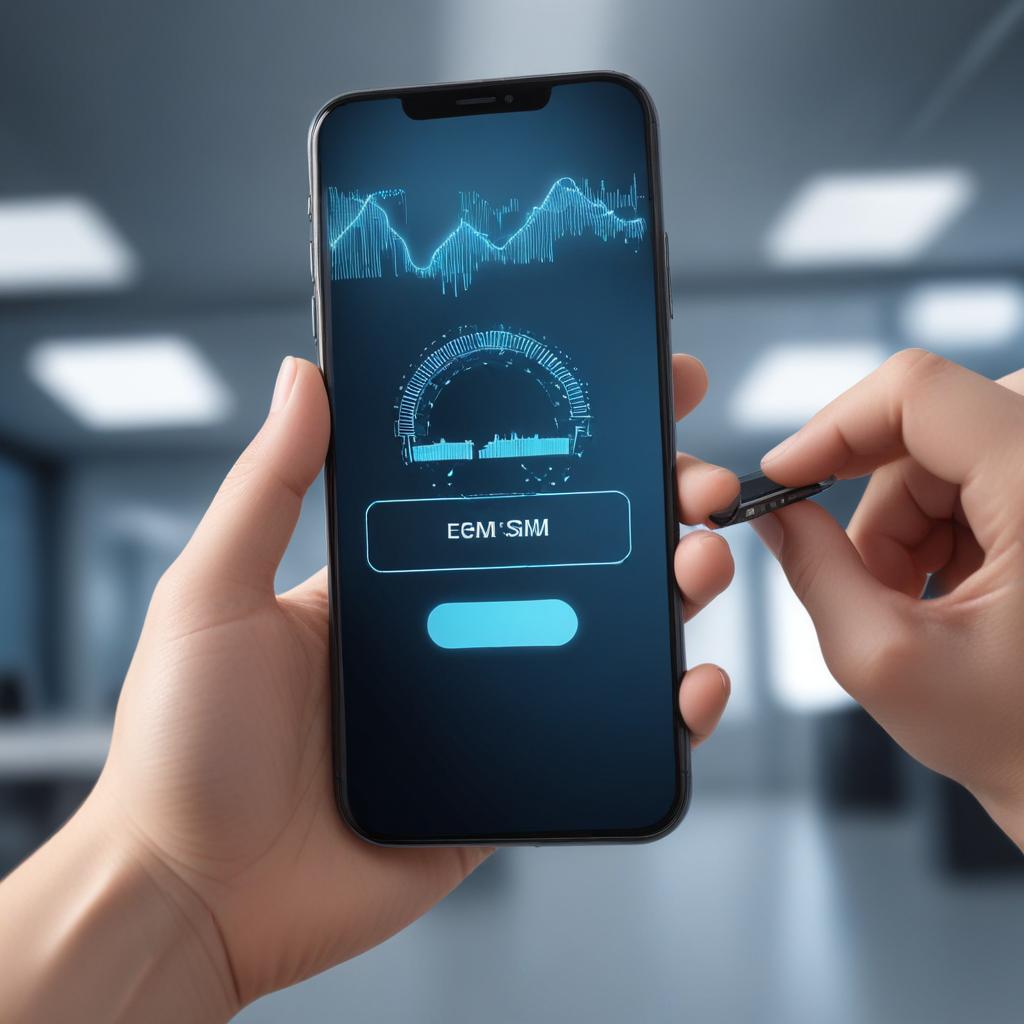
Why smartphones are moving to eSIM
11/03/2026
Introduction to eSIM Technology
eSIM technology, also known as embedded SIM, represents a significant shift from traditional SIM cards used in mobile devices. Unlike conventional SIM cards that are physical, removable chips inserted into a smartphone, an eSIM is a small programmable chip embedded directly into the device’s motherboard. This embedded SIM allows users to activate a cellular plan without needing to swap out physical SIM cards, simplifying the process of switching carriers or managing multiple lines.
The concept of eSIM technology dates back to the early 2010s when telecom providers and device manufacturers began exploring ways to improve connectivity and device design. Early adoption was slow, primarily because of the traditional reliance on physical SIM cards and the initial lack of support from carriers. However, as technology advanced and smartphones became more versatile, the industry embraced eSIM basics as a means to streamline connectivity and enhance user convenience.
One of the key differences between traditional SIM cards and eSIM technology is the method of activation. Traditional SIM cards require a manual swap, often involving physically removing one card and inserting another. In contrast, eSIMs can be remotely programmed by carriers via software updates, allowing users to download and activate profiles directly on their devices. This flexibility is particularly beneficial for frequent travelers, as it eliminates the hassle of purchasing and changing SIM cards for different countries.
In recent years, eSIM adoption has grown rapidly among smartphone manufacturers. Leading brands like Apple, Google, and Samsung have integrated eSIMs into many of their flagship models. The current adoption status sees eSIM technology becoming a standard feature in premium smartphones, with many mid-range and budget devices beginning to follow suit. This shift towards embedded SIMs not only helps manufacturers create more compact phones by freeing up SIM card slots but also supports the trend toward wearable and IoT devices that require seamless connectivity.
As carriers continue to expand their support for eSIM plans, consumers can expect broader compatibility and increased ease of use. Understanding eSIM basics is essential for anyone looking to stay ahead in the mobile connectivity landscape, as embedded SIM technology promises to redefine how devices connect to networks in the future.
What is an eSIM?
An eSIM, short for embedded SIM, is a digital SIM card that is built directly into a device, eliminating the need for a physical removable SIM card. Unlike traditional SIM cards that require manual insertion and swapping, an eSIM is a small chip soldered onto a device’s motherboard, offering a seamless and more durable solution.
The main advantage of an eSIM lies in its functionality. It allows users to activate cellular plans remotely without needing to visit a store or insert a physical card. This embedded SIM technology simplifies switching between carriers or plans by using software to manage profiles, providing greater flexibility and convenience. Additionally, eSIMs support multiple profiles at once, enabling users to have several numbers or service providers on the same device without the hassle of changing SIM cards.
Physically, the eSIM’s embedded nature means there is no exposed SIM tray or card slot, which contributes to improved design aesthetics, better water and dust resistance, and more internal space for other components or larger batteries. This embedded SIM explanation highlights how modern smartphones and connected devices are moving towards digital SIM card technology to enhance user experience, reliability, and device efficiency.
How eSIM Works in Smartphones
The eSIM functionality in smartphones revolutionizes how users connect to mobile networks by allowing the embedded SIM to be activated and managed remotely. Unlike traditional physical SIM cards, an eSIM is a digital SIM embedded directly into the device’s hardware. This enables users to switch carriers or plans without the need to swap out physical cards, streamlining the experience significantly.
Activation of an eSIM typically involves scanning a QR code provided by the carrier or entering activation details directly within the smartphone’s settings. Once activated, the embedded SIM downloads the necessary carrier profile over the air (OTA). Carrier support for eSIMs is broadening globally, with many major providers offering seamless eSIM activation and management options. This ensures users can easily select or change their mobile plan without visiting a store or waiting for SIM card delivery.
From the user experience perspective, managing a smartphone eSIM is intuitive and flexible. Users can store multiple carrier profiles on a single device but use only one at a time, making it ideal for travelers or those wanting to separate work and personal phone numbers. The smartphone interface typically allows quick switching between profiles, activation status monitoring, and plan management, providing full control over the mobile connection. This digital-first approach to eSIM activation and management offers convenience and expands carrier options for end users.
Benefits of Moving to eSIM in Smartphones
The transition to eSIM technology in smartphones brings a variety of significant eSIM benefits that positively impact both users and manufacturers. One of the most notable advantages of eSIM is the convenience it offers in managing mobile connectivity. Unlike traditional SIM cards, eSIMs are embedded directly into the device, allowing users to switch carriers or plans without needing to physically swap SIM cards. This seamless process delivers a more user-friendly experience, making it easier to stay connected on the go, especially when traveling internationally or switching networks frequently.
For manufacturers, the adoption of eSIM technology opens up new possibilities in smartphone device design. Without the need for a physical SIM slot, smartphone makers can optimize internal space, leading to slimmer and more compact devices. This extra internal room can be used to enhance other features such as larger batteries, improved cameras, or additional hardware components. The removal of physical SIM trays also contributes to better device durability, potentially improving water and dust resistance, which enhances the overall build quality.
Improved smartphone connectivity is another key advantage of eSIM. Since eSIM profiles are digitally programmable, users can store multiple profiles on a single device, enabling automatic switching between networks based on signal strength, data speed, or cost efficiency. This flexibility ensures more reliable and consistent connectivity without interruption. Additionally, eSIMs support faster activation times for new plans, which benefits users by reducing wait times and simplifying carrier onboarding.
From a broader perspective, the advantages of eSIM extend to enhanced security and environmental benefits. eSIMs are harder to remove or tamper with compared to physical SIM cards, which adds an extra layer of security for users. Moreover, the reduction in plastic SIM card production contributes to environmental sustainability efforts by minimizing electronic waste. This aligns with the growing demand for greener technology solutions in the smartphone industry.
In summary, the move to eSIM technology offers multiple eSIM benefits, including greater convenience for users, innovative device design opportunities for manufacturers, and improved smartphone connectivity. These advantages collectively contribute to a superior mobile experience by simplifying how devices connect and operate in an increasingly digital world.
Enhanced User Convenience
One of the standout benefits of eSIM technology is the significant enhancement in user convenience it offers. Unlike traditional physical SIM cards, eSIMs eliminate the need to physically swap cards when changing carriers or plans. This seamless switching capability enables users to effortlessly transition between multiple carriers and service plans directly from their device settings, without the hassle of visiting a store or waiting for a new SIM delivery.
eSIM flexibility is particularly advantageous for individuals who travel frequently or who need different carriers for personal and business use. With an eSIM, switching networks can be done in seconds, empowering users to choose the best plan for their needs at any given time. This ease of management improves the overall user experience by making mobile connectivity simpler, faster, and more adaptable.
Moreover, this technology supports the activation of multiple plans on a single device, allowing users to toggle between them without any disruption in service. The convenience of managing multiple profiles digitally means that users no longer have to carry multiple SIM cards or worry about losing them. This streamlining of mobile connectivity through eSIMs ultimately leads to a more efficient and user-friendly mobile experience, aligning perfectly with today’s demand for flexibility and ease of use.
Improved Device Design and Durability
Eliminating the SIM card tray has become a game-changer for device design in modern smartphones. By removing this mechanical component, manufacturers can develop slimmer devices without compromising internal space. This leads to sleeker, more aesthetically pleasing smartphones that meet consumer demand for lightweight and compact technology.
The absence of a SIM slot also contributes significantly to enhanced smartphone durability. The SIM tray often serves as a vulnerable point where water and dust can enter, reducing overall device resistance. Without this slot, smartphones are more easily designed to be water-resistant, offering better protection against environmental damage and extending the lifespan of the device.
Furthermore, the simplification of the internal structure by removing the SIM slot allows for more robust chassis construction. This boosts the impact resistance and overall build quality, making smartphones less prone to physical damage from drops or bumps. Thus, the focus on improved device design and smartphone durability is closely linked to the transition towards eSIM technology.
In summary, the shift to eSIM technology removes the need for a traditional SIM card tray, enabling manufacturers to create slimmer, more water-resistant, and durable smartphones. This evolution enhances the user experience by combining sleek design with practical improvements in robustness and longevity.
Challenges and Future Outlook of eSIM Adoption
The adoption of eSIM technology brings a revolutionary shift to how we connect our smartphones to mobile networks, yet it is not without its challenges. Several key difficulties are currently slowing down widespread eSIM adoption, particularly concerning carrier support, privacy concerns, and regulatory hurdles.
One of the primary eSIM challenges lies in carrier support. Many mobile network operators are still hesitant in fully embracing eSIM infrastructure due to the need for new systems and investments. Some carriers may prioritize physical SIM cards because of existing business models or concerns over losing control of customer activation processes. This lack of uniform carrier support creates fragmentation in the market, limiting consumers’ ability to easily switch between networks using eSIMs and reducing the technology’s overall appeal.
Privacy concerns form another significant barrier to eSIM adoption. As an embedded chip that stores subscriber information digitally, eSIMs require robust security measures to prevent unauthorized access or data breaches. Consumers worry about their personal data being vulnerable, and this fosters skepticism about the shift from physical to embedded SIMs. Mobile operators and device manufacturers must focus on enhancing encryption standards and transparency in data handling to build trust and alleviate these privacy concerns.
Furthermore, regulatory environments worldwide vary significantly, complicating the future of eSIM implementation. Some countries have strict telecommunications laws that govern how SIM cards must be managed, including customer authentication and data retention requirements. Current regulations may not fully accommodate the digital nature of eSIMs, causing delays and limiting available services in certain regions. Clear, internationally harmonized guidelines and updated telecom policies are critical to overcoming these adoption barriers.
Looking forward, the future of eSIM technology hinges on addressing these core issues. Greater collaboration between carriers, regulators, and device makers will be essential to creating seamless eSIM experiences. Efforts to develop universal standards and regulatory frameworks will help streamline deployment and improve global availability. Alongside these structural advances, educating consumers about eSIM benefits and security can accelerate acceptance and use of this innovative technology.
In conclusion, while eSIM challenges such as carrier reluctance, privacy concerns, and inconsistent regulations currently act as adoption barriers, they are not insurmountable. Through coordinated industry action and technological improvements, the future of eSIM looks promising as a foundational technology for the next generation of mobile connectivity.
Carrier and Regulatory Challenges
Mobile carriers play a critical role in the adoption of eSIM technology, as their support determines how smoothly users can switch between networks. However, carrier support for eSIM is still inconsistent globally, with some providers hesitant due to concerns over revenue loss from easier switching and potential security risks. This hesitation slows down widespread acceptance and complicates the user experience, limiting eSIM’s potential benefits.
Regulatory environments also significantly impact the rollout of eSIM technology. Many countries lack clear eSIM regulations, which creates uncertainty for carriers and device manufacturers. These regulations must address issues such as consumer privacy, security standards, and the rights to switch carriers without undue restriction. Without cohesive global regulatory frameworks, manufacturers and carriers face barriers in offering seamless eSIM services across borders.
Network compatibility is another challenge tied closely to carrier and regulatory issues. For eSIM adoption to increase, networks need to ensure their infrastructure supports the technology and is compatible with a variety of devices and eSIM profiles. Interoperability standards must be widely implemented to enable secure and efficient activation and management of eSIMs across different carriers and countries.
To accelerate eSIM adoption, carriers need to embrace more open policies that foster flexibility and user convenience, while regulators must establish clear, unified guidelines that protect consumers and encourage innovation. Ultimately, overcoming these carrier and regulatory challenges will be essential to unlocking the full potential of eSIM technology worldwide.
Privacy and Security Considerations
The adoption of eSIM technology brings forward important privacy and security considerations that users should be aware of. Unlike traditional SIM cards, eSIMs store the subscriber profile embedded directly within the device, which introduces unique aspects to eSIM security. These embedded profiles are protected using advanced cryptographic methods and secure elements within the device hardware, designed to prevent unauthorized access or cloning. This elevated protection helps safeguard personal data and account credentials from physical tampering.
However, while eSIMs reduce certain risks associated with removable SIM cards—such as theft or damage—they also introduce new vulnerabilities. For instance, the remote provisioning process, which allows carriers to update or switch the eSIM profile over the air, must be carefully secured to avoid interception or abuse. Weaknesses in the communication protocols or inadequate authentication could expose users to attacks or unauthorized profile changes, raising potential privacy issues.
Users should also be mindful of how their data is managed by mobile network operators during the remote profile management process. Ensuring that operators comply with robust data protection standards and privacy regulations is critical to maintaining trust. Furthermore, it’s advisable to keep device software up to date to protect against emerging threats targeting the embedded SIM functionality. By understanding these nuances, users can better navigate the balance between convenience and security in the era of eSIM-enabled devices.

I’m a lifelong traveler who fell in love with the freedom that eSIM technology offers. Exploring new places while staying seamlessly connected has become my personal mission, and I love sharing practical tips on managing mobile data abroad. When I’m not testing the latest eSIM platforms, I’m mapping out the next adventure.