How to choose the right eSIM plan
14/12/2025
Understanding eSIM Technology
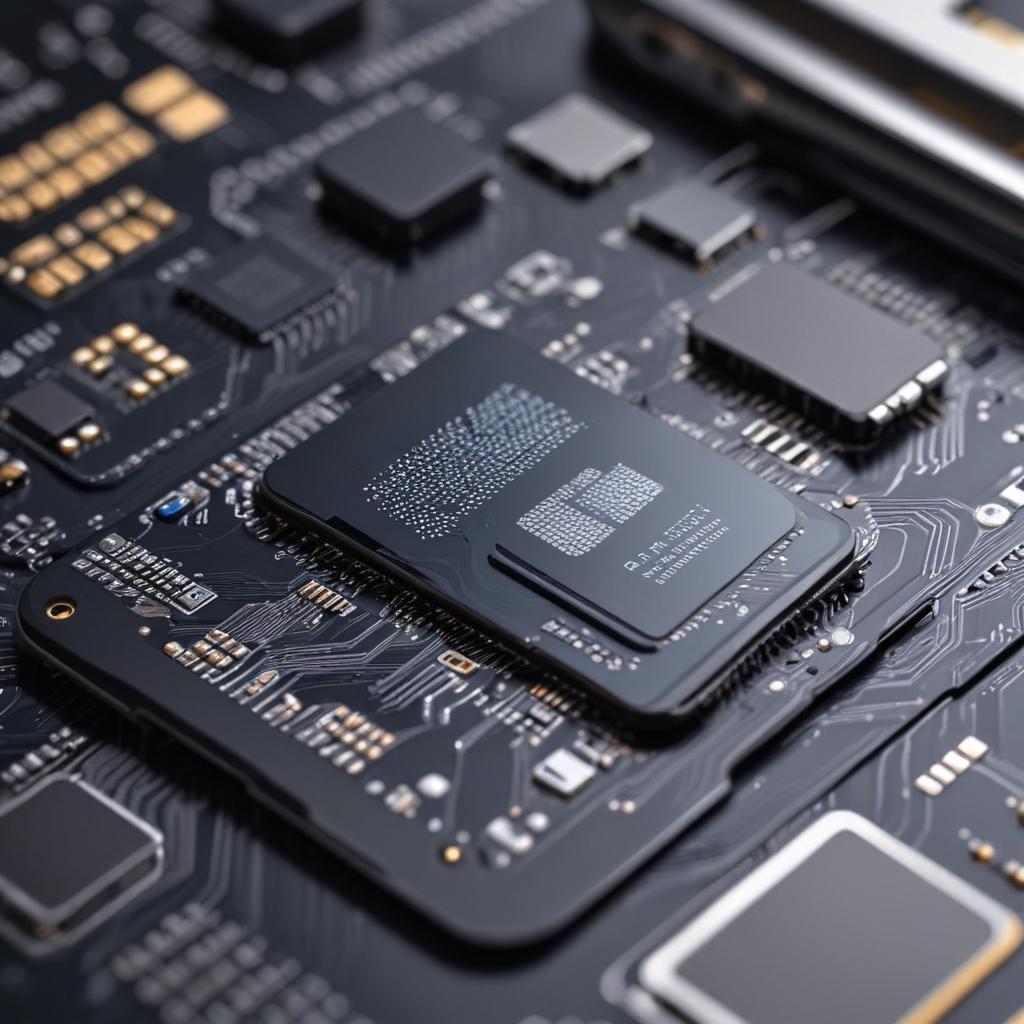
The core concept of eSIM revolves around a digital SIM that replaces a conventional physical SIM card. Unlike traditional SIM cards that require you to insert a small chip into your device, eSIM technology is embedded directly within the device’s motherboard. This integrated SIM allows users to activate and change cellular plans without having to swap out the SIM card.
An eSIM is essentially a programmable chip integrated into smartphones, tablets, wearables, and other connected devices. Instead of relying on a physical card, an eSIM can store multiple cellular profiles in the cloud. To switch carriers or start a new plan, you simply download a new profile wirelessly. This process is fast, seamless, and typically more secure than handling physical SIM cards.
One significant advantage of eSIM technology is convenience. You can skip the trip to a store or the wait for a physical SIM card to arrive. With eSIM, activating your cellular plan is instant through a QR code, an app, or carrier settings. This ease of use is especially beneficial for travelers looking to avoid roaming charges by quickly and easily linking up with local networks.
Another benefit is the enhanced design of devices. By eliminating the need for a SIM card slot, eSIMs allow manufacturers to save space within devices, leading to more streamlined designs, better water resistance, and the possibility of adding larger components like bigger batteries. This efficient use of space supports the ongoing trend towards thinner and more durable technology.
In addition, eSIM technology supports multiple profiles on a single device. This feature helps users maintain distinct work and personal numbers without requiring two separate phones. The digitally controlled dual-SIM functionality improves convenience, enabling users to depend on one device for different communication needs.
eSIMs improve security as well. Because the profile is embedded and managed digitally, it offers increased protection against theft, loss, or cloning compared to traditional SIM cards. Users and carriers gain enhanced control over their mobile identity, as the digital SIM can be managed, deactivated, or updated from a distance.
To sum up, understanding the basics of eSIM demonstrates how this innovation in digital SIM technology enhances convenience, device aesthetics, flexibility, and security. As more carriers adopt eSIM technology, it is becoming the preferred choice over traditional SIM cards for managing mobile connectivity in a smarter and more efficient way.
How eSIMs Differ from Physical SIM Cards
When comparing a physical SIM card to an eSIM, the differences primarily lie in usability and convenience. A physical SIM is a small, detachable chip that you insert into your device, while an eSIM is a digital SIM embedded directly into the device’s hardware. This fundamental difference leads to distinct advantages and disadvantages in daily use.
One significant benefit of evaluating SIM choices is the ease of switching carriers or plans. With a physical SIM, you have to physically swap out the card to change providers or phone numbers, which can be inconvenient and might require visiting a store. In contrast, eSIMs allow you to activate new plans remotely by simply scanning a QR code or downloading a profile, making the process smoother and increasing flexibility.
From a usability standpoint, eSIMs remove the hassles associated with misplaced or broken SIM cards, as their built-in structure safeguards against physical wear and tear. Furthermore, they support multiple profiles on one device, making it simple to alternate between personal and work numbers without requiring multiple SIM cards. This feature significantly improves user convenience when compared to traditional physical SIM cards.
In conclusion, while physical SIM cards have been standard for a long time, the benefits of eSIMs focus on enhancing the user experience by offering greater flexibility, convenience, and adaptability. As telecom companies worldwide adopt eSIM technology, understanding these distinctions is crucial for choosing the optimal SIM solution that meets your requirements.
Benefits of Using an eSIM
The benefits of eSIM technology extend far beyond those of conventional SIM cards, offering a variety of enhancements that significantly enhance mobile connectivity. One major benefit is the ability to store multiple profiles on a single device. This feature allows users to keep several phone numbers or plans from different carriers, making it easy to switch between them without the hassle of changing SIM cards. This capability for multiple profiles provides exceptional flexibility, especially for travelers or those managing both personal and professional lines.
One major advantage of eSIM technology is the ease it offers in switching carriers. With a traditional SIM card, changing providers meant having to request a new SIM, wait for its delivery, and then physically replace it. eSIM simplifies this by allowing users to download new plans directly onto their device through software. This improvement speeds up the carrier-switching process, making it not only more convenient but often more cost-effective, enabling consumers to capitalize on competitive offers without requiring any physical alterations.
In the end, eSIM technology is crucial for improving device design. By removing the need for a physical SIM card slot, manufacturers can create slimmer, more refined devices with fewer mechanical components. This not only increases aesthetic appeal but can also improve durability and make room for additional hardware innovations, like larger batteries or extra sensors. Collectively, these benefits of eSIM contribute to a smoother and more efficient mobile connectivity experience.
Factors to Consider When Choosing an eSIM Plan
When choosing eSIM plans, it’s crucial to take into account various key factors to ensure you identify the best mobile data options for your needs. With the growing variety of eSIM offerings, understanding what to prioritize can assist you in steering clear of additional expenses and connectivity issues.
First and foremost, coverage is a vital aspect to take into account. Before you choose an eSIM plan, check the network coverage in the areas where you frequently use your device. This includes your home, workplace, and destinations you travel to. Some mobile data plans may offer excellent coverage in urban areas but could fall short in rural or remote locations. Selecting an eSIM with strong and reliable coverage guarantees that you stay connected without interruptions.
Next, examine the pricing structure of the eSIM plans you are considering. Prices can vary widely depending on the provider, the data allowance, and any additional features like international roaming. Look for transparent pricing without hidden fees to avoid surprises on your bill. Some providers offer flexible plans that allow you to pay only for the data you use, which can be ideal if your data needs fluctuate. Comparing prices among different eSIM plans helps you find a balance between cost and value.
Data limits are crucial when choosing eSIM plans. Assess your typical data consumption to find a plan that fits your requirements while staying within your financial limits. If you frequently stream videos, play online games, or download large files, you’ll need a plan with higher data limits or an unlimited option. Conversely, if your phone usage mainly involves basic browsing and messaging, a smaller data plan might suffice. Keep in mind that exceeding your plan’s data limit could result in reduced speeds or additional charges.
Ultimately, evaluating device compatibility is essential when choosing eSIM plans. Not all devices support eSIM technology, and even those that do may have varying levels of carrier support. If you plan to switch plans frequently, ensure that your smartphone, tablet, or laptop is both eSIM-compatible and unlocked for use with different carriers. This assessment of compatibility is vital to avoid any technical issues that could impede the activation or functionality of your chosen eSIM.
In conclusion, when choosing eSIM plans, prioritize reliable coverage, transparent and competitive pricing, adequate data allowances tailored to your requirements, and full device compatibility. Taking these factors into account will help you discover the perfect mobile data plans that keep you seamlessly connected wherever your travels take you.
Network Coverage and Reliability
Choosing an eSIM plan involves thoughtful evaluation of network coverage and dependability as essential elements. Strong network coverage ensures that your connection stays reliable regardless of where you are, reducing the chances of dropped calls, sluggish data speeds, or complete signal failure. This factor is especially crucial for those who depend on their mobile connections for professional tasks, communication, or navigation.
The quality of the carrier network plays a crucial role in your experience with an eSIM plan. Even if a plan offers generous data limits or appealing prices, these benefits can be overshadowed by inadequate or inconsistent network coverage. A reliable connection facilitates seamless streaming, quick downloads, and steady video calls, making daily usage easy and trouble-free.
When assessing network coverage, it’s crucial to take into account the carrier’s availability at your home, workplace, and other frequently visited locations. Many providers supply coverage maps that illustrate their signal strength in different regions, which can be a valuable tool in your decision-making process. Additionally, reading reviews and asking about real user experiences can give you a better understanding of the actual reliability of a carrier’s network.
Ultimately, strong network coverage paired with a reliable connection will maximize the benefits of your eSIM plan, ensuring minimal interruptions. Paying attention to these factors will help you select an eSIM plan that truly fits your needs and lifestyle.
Data Usage and Pricing Options
Choosing the right eSIM plan necessitates a solid understanding of the various data plans and pricing models to pinpoint an affordable eSIM that meets your needs. Data plans typically range from capped, fixed data packages to unlimited or pay-as-you-go options. Fixed data plans provide a set quantity of data for a specified cost, making them suitable for those with consistent and predictable usage. Conversely, unlimited plans deliver the benefit of endless internet access, but they often come with a higher monthly charge that might not be necessary for occasional users.
Pricing models can vary widely among different providers. Some eSIM providers charge a set monthly fee for a specific data cap, while others offer tiered pricing that rises with larger data packages. Pay-as-you-go plans allow users to purchase data on an as-needed basis without committing to a monthly subscription, making them ideal for occasional travelers or those with fluctuating data needs. Additionally, certain providers bundle data plans with extra services, such as international calling or messaging, which can add value but might also affect the overall price.
To find a data plan that suits your requirements, start by assessing your average monthly data consumption, considering activities like streaming, browsing, and app usage. If your usage is minimal, a low-data or pay-as-you-go plan could be the most cost-effective eSIM solution. For heavy data users, choosing an unlimited or high-capacity plan can prevent additional fees and ensure a smooth experience. Ultimately, carefully comparing various data plans and their pricing can help you get the best value while meeting your specific connectivity demands.
Device Compatibility and Support
Selecting an eSIM plan necessitates thoughtful evaluation of device compatibility to ensure a smooth and efficient experience. As not all devices are designed with eSIM technology, it’s important to verify whether your phone, tablet, smartwatch, or other gadgets support eSIM prior to purchasing a plan. Numerous recent smartphones from manufacturers like Apple, Samsung, Google, and Microsoft are equipped with eSIM functionality, but older versions may lack this feature.
Devices that support eSIM, such as the latest iPhone models, Google Pixel phones, and select Samsung Galaxy devices, come equipped with integrated eSIM functionality. This allows users to establish cellular plans online without needing a physical SIM card. Additionally, numerous smartwatches, tablets, and laptops now incorporate eSIM technology, broadening the options for those looking for seamless connectivity across multiple devices.
Confirming that your device works with your chosen eSIM plan is crucial because attempting to activate an eSIM on an unsupported device can lead to activation problems or limited network access. Before finalizing your eSIM plan, check the manufacturer’s specifications or your device settings to confirm eSIM compatibility. Furthermore, contact your carrier or service provider to clarify which devices are compatible, helping you avoid unforeseen issues and guaranteeing full support for your device.
In conclusion, it’s essential to confirm that your device is both compatible and supported when choosing the right eSIM plan. This guarantees that your eSIM device functions seamlessly with your selected plan, providing reliable service without interruptions or technical issues.
How to Activate and Manage Your eSIM Plan

Activating an eSIM has become an easy process, enabling users to seamlessly switch carriers or manage various plans on a single device. To begin the eSIM activation process, ensure that your device supports eSIM technology and that your carrier offers compatible services. The majority of modern smartphones, tablets, and smartwatches are equipped with eSIM functionality. Once you obtain an eSIM plan, your carrier typically provides a QR code or detailed instructions to complete the eSIM setup.
To configure your eSIM, start by navigating to the cellular or mobile network settings on your device. For iOS users, go to Settings > Cellular > Add Cellular Plan and scan the QR code provided by your carrier. For Android users, the process may differ slightly, usually found under Settings > Network & Internet > Mobile Network > Advanced > Carrier > Add Carrier. If prompted, enter the activation code or scan the QR code to download and set up your eSIM profile. Once installation is complete, you will need to label your plan and modify settings such as your default voice and data lines.
Managing eSIM plans offers significant benefits, especially if you want to switch between personal and work numbers or take advantage of local plans while traveling, all without the hassle of swapping physical SIM cards. Many devices can store multiple eSIM profiles, but they usually permit the activation of just one or two at a time, depending on your device’s specifications. For effective management of your eSIMs, go to your device’s cellular settings, where you’ll find all the eSIM profiles installed. From there, you can select which profile to use for calls, texts, and data, or remove any profiles you no longer need.
In addition, keeping track of the expiration dates and data usage of your eSIM plans is crucial. Numerous carriers provide companion apps or web portals that make it easier to manage your eSIM account and plan details. If you frequently travel or switch carriers, clearly labeling your eSIM profiles can help avoid confusion. Make sure to save any important activation details before deleting an eSIM profile, as reinstalling it may require contacting your carrier once more.
In conclusion, the eSIM setup process is designed to be simple, offering convenience and adaptability. To activate your eSIM, all you have to do is scan a QR code or enter a code given by your carrier. Additionally, managing eSIM profiles on your device allows you to effortlessly utilize multiple plans at once. By following these tips and recommendations, you can fully leverage the advantages of your eSIM plan and stay connected wherever you go.
Activation Process Step-by-Step
Activating your eSIM is an easy process that can be accomplished by scanning a QR code provided by your carrier or by utilizing their designated app. Check out this detailed eSIM setup guide to ensure a smooth and successful activation of your new eSIM plan.
- Start by accessing your device’s settings and navigating to the cellular or mobile data section where you will find the option to add a new cellular plan.
- If you have received a QR code from your carrier, select the option to scan the QR code. Use your device’s camera to scan the code exactly as provided, ensuring that it is fully visible.
- Once scanned, your device will recognize the eSIM profile and prompt you to confirm the installation. Follow the on-screen instructions to proceed.
- Alternatively, if your carrier offers an app for managing eSIMs, download and open the app. Log in to your account and select the option to activate an eSIM.
- The carrier app will guide you through the activation process, which typically involves selecting your plan, verifying your identity, and installing the eSIM profile directly without the need for scanning a QR code.
- After installation, your device may require a restart to complete the activation and enable your new cellular plan.
- Verify that your cellular service is active by checking for signal bars or carrier name in the status bar.
- If any issues arise during activation, consult the carrier’s support resources or contact customer service for assistance.
Managing Multiple eSIM Profiles
Managing multiple eSIMs on a single device offers great flexibility, especially for users wanting to separate their work and personal contacts or for frequent travelers. To effectively handle profiles, it’s important to understand how to switch between plans seamlessly while keeping your connection intact.
Numerous modern smartphones support multiple eSIM profiles, allowing you to maintain various plans on one device. However, only one eSIM profile can be active at a time for cellular data and voice calls, necessitating profile switching. Typically, this can be managed within your phone’s settings, particularly in the cellular or mobile data section. Here, you will see all the stored eSIM profiles and can select which one to activate.
When switching plans, it’s essential to deactivate one profile before enabling another to avoid complications. Some devices allow for easy switching, making it easier to alternate between different eSIMs, especially while traveling or when using a data plan that better suits a specific region. Additionally, take advantage of any carrier apps that offer streamlined profile management and notifications about plan usage.
To effectively manage your profiles, it’s important to categorize your plans with clear labels for each eSIM, such as “Work” or “Travel.” This strategy prevents accidental usage on the wrong profile. By becoming proficient in switching and overseeing your different eSIMs, you can improve your mobile experience and enjoy the ease of having all your connectivity choices in one device.

I’m a lifelong traveler who fell in love with the freedom that eSIM technology offers. Exploring new places while staying seamlessly connected has become my personal mission, and I love sharing practical tips on managing mobile data abroad. When I’m not testing the latest eSIM platforms, I’m mapping out the next adventure.