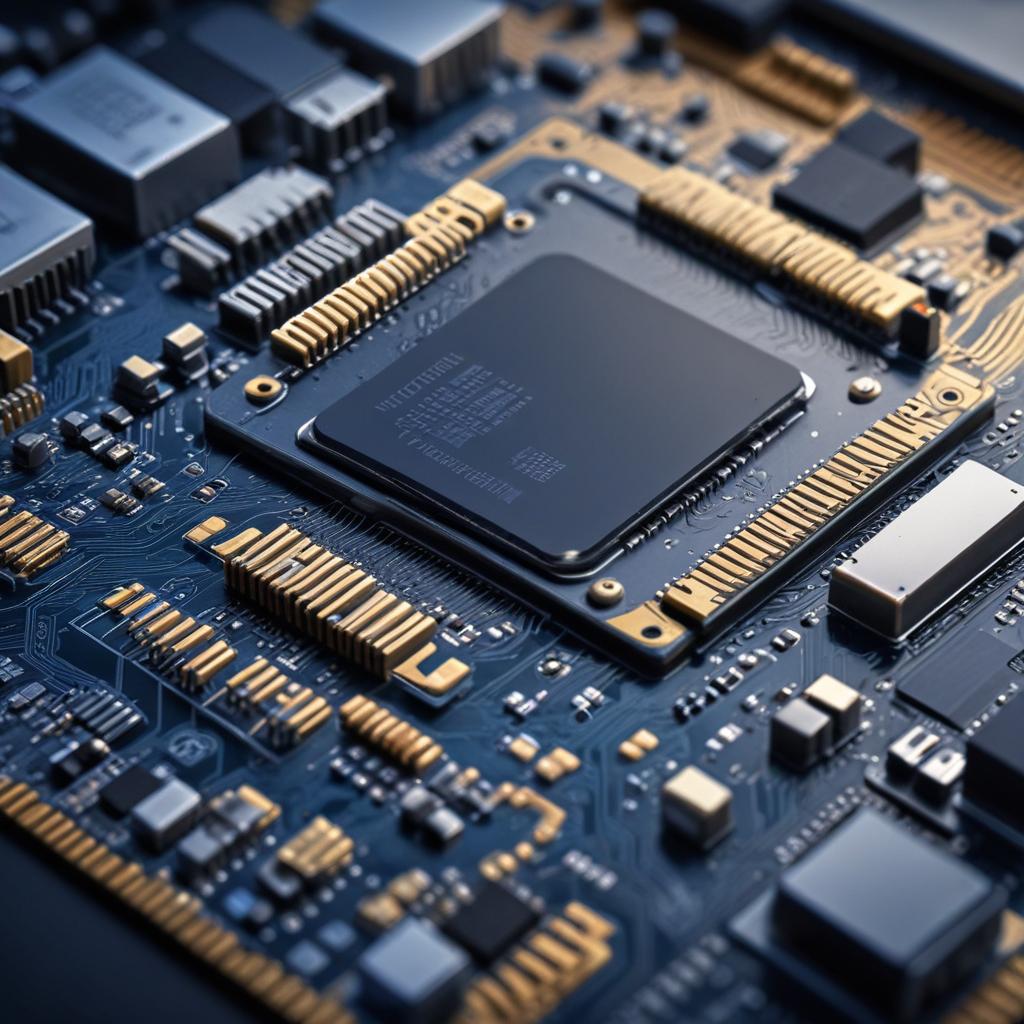
How eSIM simplifies mobile setup
06/01/2026
Introduction to eSIM Technology
eSIM technology represents a significant evolution in how mobile devices connect to cellular networks. Unlike traditional SIM cards, which are physical chips that need to be inserted into a phone or tablet, eSIM stands for embedded SIM, a digital SIM that is built directly into the device’s hardware. This means that the eSIM is permanently embedded in the device, allowing users to activate mobile plans without swapping physical cards.
The primary difference between eSIM technology and conventional SIM cards lies in their form and functionality. Traditional SIM cards are removable plastic cards that carry subscriber information and authenticate the user on a mobile network. Users must physically insert or replace these cards when switching carriers or plans. In contrast, an eSIM eliminates this hassle by allowing multiple profiles to be stored digitally within the device itself. Users can switch between carriers or plans via software without ever opening the device or changing a physical card.
Digital SIMs, as implemented with eSIM technology, also offer greater flexibility and convenience in mobile setup. For example, travelers can add local carrier profiles to their eSIM temporarily without purchasing new SIM cards. Similarly, businesses can easily manage and provision devices remotely, streamlining mobile device management on a large scale. This digital approach to SIM management simplifies the process of setting up and maintaining mobile connections.
eSIM functionality is rapidly gaining adoption in an expanding range of mobile hardware, as manufacturers prioritize flexible connectivity solutions. Today’s flagship smartphones, tablets, and select laptops ship with built-in eSIM support, giving both individual users and corporate IT teams more adaptable network options. Telecom providers across the globe have responded by launching fully digital activation processes that sit alongside their legacy physical SIM plans. This shift reduces reliance on plastic cards while streamlining the onboarding experience for new customers. Enterprises benefit from simplified fleet management, since devices can be provisioned remotely without shipping replacement hardware. The growing carrier ecosystem ensures that eSIM adoption continues to accelerate across diverse markets and device categories.
eSIM technology redefines how users configure their devices by eliminating the need for physical SIM cards in favor of a digital profile embedded directly into the hardware. This shift delivers substantial convenience while adding layers of flexibility and efficiency to how mobile connections are managed. It represents a clear departure from the limitations of traditional SIM card models, offering a more streamlined approach to managing cellular access on modern smartphones and tablets.
What is an eSIM?
An embedded SIM, widely recognized as an eSIM, functions as a digital SIM card integrated directly into the hardware of your mobile device. While conventional SIM cards demand physical insertion or swapping, an eSIM is permanently soldered to the motherboard during the production phase. This fixed installation eliminates any requirement for handling plastic cards, enabling users to change network providers or data plans entirely through remote software updates without touching internal hardware components.
An eSIM stands apart from traditional SIM cards because it functions as a built-in, software-based identifier rather than a physical chip you can pull out. This digital format allows the device to hold several carrier profiles simultaneously, which suits travelers who switch networks often or users who prefer to juggle distinct phone numbers on a single handset. Because activation happens remotely via cellular data, the process skips the need for swapping hardware, resulting in a quicker and more precise configuration experience.
Embedded SIM technology delivers distinct benefits over traditional plastic cards by freeing up internal hardware space, which enables engineers to fit larger batteries or design thinner chassis in modern smartphones. The digital nature of the chip also strengthens device security, as there is no physical component for a thief to steal or damage accidentally. This flexibility further empowers users to switch between mobile providers instantly, fostering greater market competition and pushing carriers to offer more competitive rates and faster network speeds. Consequently, the shift toward eSIMs represents a significant improvement in user experience, making initial device setup far more intuitive and adaptable than previous generations of physical connectivity allowed.
How eSIM Works
eSIM technology streamlines how you configure mobile connectivity by handling cellular profile management entirely through digital means. Because the eSIM is built into the device’s internal hardware, the onboarding experience skips the physical steps required for traditional SIM cards. During activation, users simply scan a QR code or input a specific code from their carrier to trigger the automatic download of the network profile onto the embedded chip. This method eliminates the need to remove or swap out any physical components, making the entire process quicker and far less fiddly than conventional methods.
Remote provisioning stands out as a core advantage of eSIM technology. Carriers use this mechanism to push and refresh network profiles directly to your device over the air. This capability removes the hassle of store visits or waiting for physical SIM mail, allowing you to change providers entirely through digital means. Additionally, a single eSIM can hold several active profiles at once. That setup lets you jump between different carriers or data plans on demand without ever handling a physical card again.
eSIM for travel setups become significantly easier when you can toggle between profiles straight from your device settings, ensuring the active mobile network reflects your immediate needs without delay. This level of direct control proves particularly useful during trips abroad, when separating work and personal numbers, or while evaluating a new carrier’s service quality. By removing the need to physically swap cards, the process remains flexible and adapts quickly to changing circumstances. The broader integration of eSIM technology with remote provisioning and straightforward profile management reduces friction in how users activate and oversee their mobile connectivity on a daily basis.
Benefits of eSIM in Mobile Setup
Mobile configuration has evolved considerably with the adoption of eSIM technology, which reshapes how users activate and control their devices. This embedded, programmable chip eliminates the need for physical SIM swapping, delivering a level of convenience that traditional cards simply cannot match. By simplifying the setup workflow, eSIM enhances the overall experience while offering flexible management options that align with modern digital habits.
A major benefit of eSIM advantages is the speed and ease it brings to getting connected. There is no longer a need to wait for a mail delivery or make an in-person trip to buy a physical card. Instead, network providers share digital activation codes, allowing you to install your service profile directly on your hardware within moments. This direct method removes unnecessary waiting periods and cuts down on common user frustrations, resulting in a quicker and more straightforward setup experience for all users. Whether you are changing providers or configuring fresh equipment, the eSIM option bypasses the handling of physical cards entirely, creating a noticeably smoother transition from start to finish.
Adaptable connectivity serves as a defining key benefit of the eSIM ecosystem. Conventional physical SIMs restrict users to a single network provider and typically demand manual hardware replacement whenever a new plan or device is introduced. By comparison, digital SIM modules accommodate several active profiles at once, enabling seamless transitions between service providers through standard software settings rather than physical component swaps. This structural advantage particularly benefits international travelers seeking immediate local coverage abroad, as well as professionals who prefer to separate personal and work communications on one handset. Beyond eliminating the logistical friction of card exchanges, this architectural design significantly broadens the scope of how individuals can integrate mobile services into their daily routines.
eSIM technology streamlines the activation process by handling every step digitally, which removes the typical delays associated with traditional physical cards. This immediate setup capability significantly improves how users interact with their mobile plans and daily connectivity. Phone manufacturers also gain a practical advantage since removing the physical SIM slot allows them to allocate that internal space toward larger batteries or other hardware components. Consequently, many modern devices feature noticeably slimmer profiles without sacrificing essential performance or battery life. The shift away from plastic cards also reduces electronic waste, aligning mobile technology with more sustainable environmental practices. Together, these factors create a mobile ecosystem that balances technical efficiency with thoughtful design and ecological responsibility.
eSIM technology transforms mobile connectivity by prioritizing convenience, flexibility, and operational efficiency. This approach enhances the overall user experience through immediate activation, robust multi-profile management, and a more streamlined device architecture. As carrier and manufacturer adoption continues to expand, consumers can anticipate mobile setups that adapt fluidly to their changing connectivity needs.
Simplified Activation Process
Switching carriers or setting up a new line used to mean a trip to a retail location, waiting for a physical chip to arrive in the mail, and carefully inserting that tiny card into your phone’s tray. That workflow is slow, clunky, and prone to minor headaches like bent metal tabs or lost paperwork. eSIM technology removes those physical bottlenecks entirely by digitizing the entire provisioning step. You simply scan a code or tap a confirmation button on your screen, and the profile downloads directly to the device. The result is a faster, cleaner experience that fits easily into a busy schedule without requiring any hardware handling.
With eSIM technology, swapping out and storing micro-SIM cards is no longer part of your routine. Activation happens entirely online, letting you install carrier profiles straight onto your smartphone. You skip the trip to a retail kiosk or the delay of a postal shipment, finishing your setup in minutes whether you are at home or traveling. Most of the time, scanning a provided QR code or entering a few activation details is enough for your phone to sync with the network automatically.
By streamlining the setup phase, this method removes most of the friction associated with adopting a new mobile plan. Whether you are provisioning a fresh device, migrating between networks, or stacking additional lines, the eSIM format keeps the workflow fast and largely free of administrative drag. Because the profile is delivered digitally, the activation window typically shrinks to just a few minutes, giving users instant network access without the usual delays tied to physical components.
By removing the need to handle physical cards or visit retail locations, eSIM technology streamlines how users connect their devices to carriers. This shift cuts down onboarding time significantly while offering a level of convenience that traditional SIM swapping simply cannot match. As more operators adopt this digital approach, instant activation is positioned to become the baseline expectation for modern mobile service plans. The result is a more flexible and efficient ecosystem where switching networks or adding new lines happens in a matter of minutes rather than days.
Multiple Carrier Profiles on One Device
eSIM technology stands out for its capacity to hold several carrier profiles within a single device. This feature transforms how users handle mobile connectivity, particularly for individuals who depend on different carriers to meet specific requirements. While standard SIM cards restrict users to one network provider per physical chip, eSIMs offer dual SIM functionality or support for multiple lines without the need to exchange physical cards.
Having several carriers loaded on a single eSIM gives users a level of network choice that physical SIMs cannot match. This setup allows you to move between different providers instantly, depending on what matters most at the moment: better coverage, lower costs, or a specific service preference. Whether you are navigating abroad, separating work and personal usage, or simply hunting for the strongest signal in your area, the transition happens without swapping hardware or restarting your device.
Running several carrier profiles on a single device cuts down on downtime and removes the hassle of swapping physical SIM cards. You can jump from one network provider to another right inside your phone’s settings, often requiring only a couple of taps. This setup also streamlines the initial mobile configuration, since new profiles can be added remotely without needing to visit a retail store or wait for a replacement SIM card to arrive in the mail.
eSIM technology shifts control back to the user by allowing several carriers to reside on a single device at once. This setup removes the physical constraints of standard SIM cards, enabling seamless transitions between networks without hardware swaps. The flexibility inherent in eSIM architecture supports diverse connectivity needs, from personal travel to business requirements. As a result, managing multiple carrier plans becomes a simple digital process rather than a logistical hassle. This evolution streamlines mobile experience by prioritizing user choice and operational convenience over legacy infrastructure limits.
Future Implications of eSIM Technology
eSIM technology represents a pivotal shift in the trajectory of mobile connectivity, fundamentally altering the dynamic between end users and telecom carriers. As the eSIM future progresses, this innovation is poised to foster greater flexibility and uninterrupted network access. This evolution will significantly impact broader global patterns in how mobile communication services are delivered and consumed by modern subscribers.
The practical advantage of embedded SIM technology is how it streamlines device setup and ongoing management. Physical cards force users to handle hardware swaps, a process that limits flexibility and can slow down access to fresh network options or data plans. Embedded profiles eliminate this friction by allowing remote carrier changes and service activations in real time. This direct control creates a more agile experience for end users while pushing mobile providers to compete on speed and variety. The result is a market environment where service offerings become more responsive and tailored to individual needs rather than hardware constraints.
Flexible eSIM architecture positions mobile ecosystems to capitalize on expanding device diversity. By eliminating reliance on physical SIM cards, the technology enables smartphones, tablets, smartwatches, and IoT modules to switch carriers or plans instantly while preserving continuous network access. This adaptability directly addresses the projected proliferation of connected endpoints in the coming years, streamlining cross-device interoperability. Users can manage multiple profiles on a single chip, reducing hardware clutter and simplifying provisioning workflows for both consumers and enterprise fleets. The result is a more efficient connectivity layer that scales with demand without requiring additional physical infrastructure or manual card swaps.
eSIM technology gives carriers a distinct edge in the competitive telecom market by enabling flexible service architectures. Operators can now launch on-demand data packages that adjust to real-time usage, while global roaming features eliminate the need for physical SIM card replacements during travel. The embedded remote management capabilities also allow for tighter security controls, which builds trust among enterprise and individual users alike. This shift creates additional revenue channels and opens access to previously underserved customer segments. By adopting these eSIM-driven models, providers position themselves as forward-looking players in the ongoing digital transformation of connectivity services [[L0]].
The shift toward eSIM also supports broader environmental goals by cutting down on the plastic waste generated by traditional physical cards. By eliminating the need for disposable components, carriers can lower their overall ecological footprint while offering subscribers a cleaner, more efficient way to manage connections. This green angle strengthens the case for adopting digital SIM technology in long-term connectivity plans, aligning with growing consumer demand for sustainable options and regulatory expectations around responsible manufacturing practices.
Looking ahead, the trajectory of eSIM adoption is deeply connected to ongoing shifts in mobile connectivity and wider telecom development. As carriers and device makers expand support for this technology, we can expect a noticeable move toward more adaptable, streamlined, and environmentally conscious network architectures. Operators that integrate eSIM features thoughtfully into their service offerings stand to gain a distinct market advantage, ultimately shaping the next phase of digital connectivity for both individual users and corporate clients.
Impact on Mobile Device Design
Integrating eSIM technology directly into the hardware allows engineers to shrink physical dimensions while unlocking new avenues for creative design. Conventional SIM cards demand a dedicated tray and slot, which consumes limited internal real estate and often dictates the placement of other structural elements. Once that mechanical requirement is removed, builders can redirect the saved space toward larger batteries, improved camera arrays, or entirely slimmer chassis profiles. This shift fundamentally alters how phones, tablets, and wearables are assembled, moving away from fixed physical constraints toward more flexible electronic layouts.
eSIM technology enables manufacturers to produce slimmer, more space-efficient hardware without sacrificing processing power. By eliminating the need for a physical tray, engineers can reduce overall thickness while simultaneously strengthening the device’s defense against water and dust ingress. This design choice also contributes to a more streamlined and visually cohesive exterior finish. Furthermore, the freed-up internal reallocation permits novel component arrangements that were previously impractical. Specifically, teams can now position larger batteries, advanced camera arrays, and antenna systems in configurations that optimize both performance and structural integrity.
Design innovation driven by eSIM technology extends beyond size reduction. The flexibility to switch network operators digitally encourages manufacturers to create devices that seamlessly cater to global connectivity needs without modifying hardware. As a result, eSIM facilitates a more user-friendly and adaptable mobile experience, while device miniaturization thanks to its embedded nature pushes the boundaries of what modern smartphones and wearable gadgets can look like and how they perform.
Global Adoption and Challenges
eSIM uptake continues to climb worldwide, fueled by users seeking adaptable connectivity options and hardware makers embedding the feature into everything from flagship phones to smartwatches. Regions like Europe and North America lead in rollout pace, supported by robust carrier partnerships and regulatory environments that prioritize digital innovation. Still, global penetration remains patchy, as numerous markets face delays tied to outdated infrastructure and restrictive policy frameworks.
Regulatory fragmentation remains a significant barrier to widespread eSIM adoption. Nations enforce distinct protocols for identity verification, data privacy, and device activation, preventing carriers from implementing a uniform global strategy. In jurisdictions with strict oversight, operators face constrained autonomy when launching eSIM features, while lengthy approval cycles frequently postpone market entry. Authorities also monitor how eSIM technology affects market competition and consumer protections, adding another layer of compliance complexity that slows down deployment timelines.
Carrier infrastructure remains a critical bottleneck in the expansion of eSIM technology. Major telecom operators in advanced markets have largely embraced digital plans, yet many regional providers struggle with the operational costs required for migration. This disparity leaves a segment of users with fewer choices and hampers broader industry progress. The transition demands substantial investment in backend systems and staff training to support remote provisioning workflows. Consequently, smaller networks often delay adoption due to financial constraints and limited technical expertise. These internal hurdles directly influence how quickly the ecosystem can scale and serve diverse customer needs effectively.
Broadening eSIM adoption hinges on aligning regulatory frameworks to simplify activation and number portability, while simultaneously pushing carriers toward unified technical standards. Educating end users on the practical advantages of embedded SIMs also remains a critical gap that needs addressing. Public policy bodies and industry consortiums are uniquely positioned to draft transparent guidelines that encourage healthy competition across markets. As the technology expands globally, coordinated action in these areas is necessary to dismantle existing regulatory barriers and secure consistent support from major network operators.

I’m a lifelong traveler who fell in love with the freedom that eSIM technology offers. Exploring new places while staying seamlessly connected has become my personal mission, and I love sharing practical tips on managing mobile data abroad. When I’m not testing the latest eSIM platforms, I’m mapping out the next adventure.