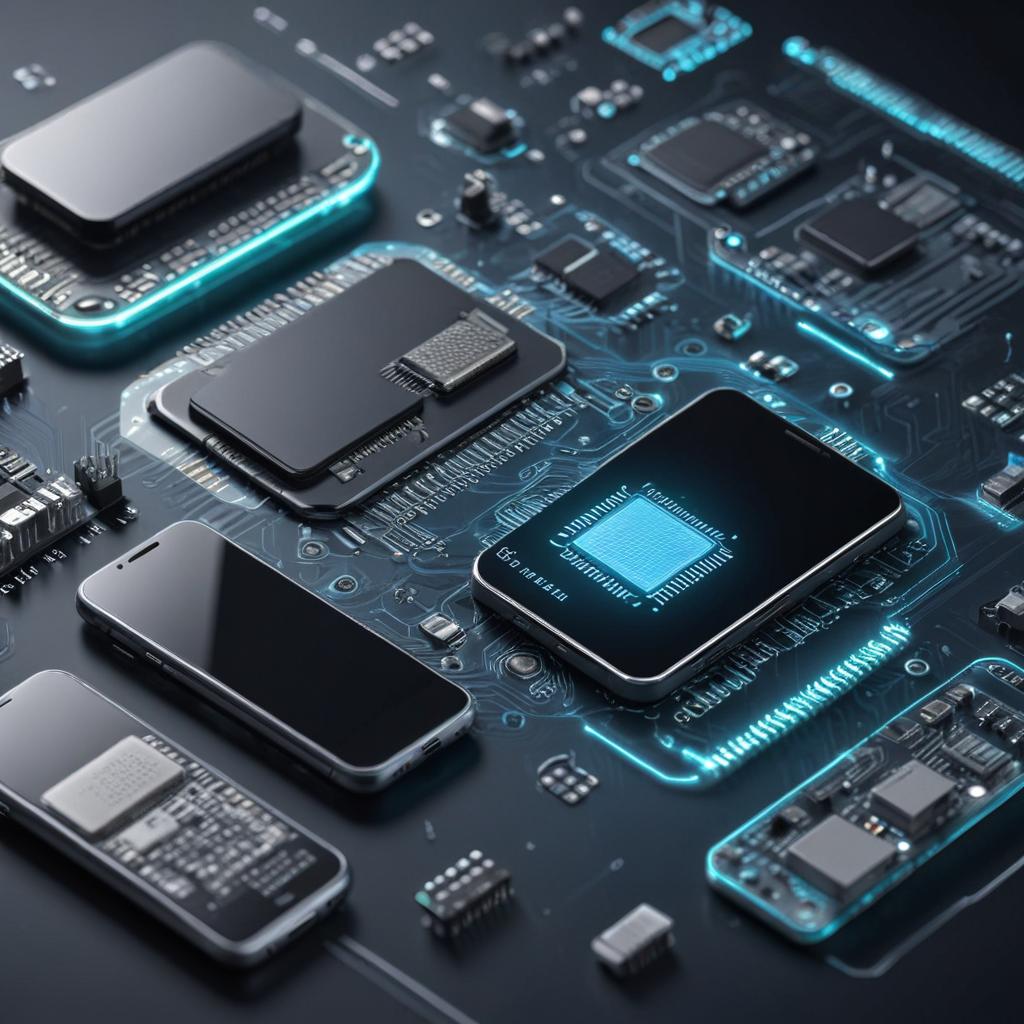
Why eSIM is becoming more popular
16/12/2025
Another obstacle is the pushback from legacy systems and entrenched consumer habits. Many users continue to favor conventional SIM cards and service contracts that require face-to-face activations. Transitioning to eSIMs requires modifications in infrastructure, customer service processes, and user education, which can hinder the rate of adoption. Additionally, some consumers may be cautious about the idea of SIMs that can be configured remotely due to concerns over control and privacy.
To conclude, the prospects for eSIM are significant, offering ample chances for market growth driven by its user-friendliness, flexibility, and support for the increasing number of connected devices. However, to overcome the challenges of adoption, stakeholders must address standardization issues, enhance security measures, and facilitate customer transitions through clear communication and improved infrastructure. Successfully navigating these obstacles will be essential for unlocking the full potential of eSIM technology on a global scale.
Predicted Market Trends
The outlook for the eSIM market indicates a substantial growth over the coming decade. Analysts expect that the usage of eSIM technology will rise sharply as individuals and companies recognize its benefits. Estimates indicate a compound annual growth rate (CAGR) that exceeds that of traditional SIM cards, driven by an increasing demand for seamless connectivity among multiple devices.
Consumer trends show a growing preference for devices that utilize eSIM technology, such as smartphones, wearables, tablets, and laptops. This shift is encouraged by the convenience of quick carrier transitions, the elimination of physical SIM card swaps, and enhanced design flexibility for devices. Experts forecast that eSIM adoption will become widespread within the next 5 to 10 years, supported by improvements in ecosystem compatibility and increased global carrier support.
Industry reports underscore the crucial importance of eSIMs in propelling the expansion of IoT applications, smart vehicles, and connected healthcare devices. As eSIM technology progresses, the market is set to attract significant investment, fostering new innovations and enhanced accessibility. Professionals in the sector largely concur that the future of the eSIM market is extremely promising, signaling a substantial shift in how mobile connectivity is managed globally.
Technical and Regulatory Challenges
While eSIM technology is gaining traction, several technical and regulatory challenges remain that may impede its widespread adoption. One major technical obstacle is ensuring seamless compatibility across a diverse range of devices and mobile carriers. Each carrier may implement distinct backend systems for eSIM provisioning, which can lead to interoperability complications. Furthermore, the security infrastructure for eSIMs must be robust enough to protect against unauthorized access or profile duplication, a serious issue for both users and providers. Any vulnerabilities in security could erode consumer confidence and slow progress.
When it comes to regulation, many countries still lack comprehensive guidelines for the use and management of eSIM technology. These regulatory hurdles vary widely by region, with some governments imposing strict telecommunications rules that hinder the activation of eSIMs or the transition between service providers. Such challenges could deter manufacturers and service providers from making significant investments in eSIM solutions, especially in areas where regulations are ambiguous or excessively limiting. Additionally, compliance with privacy laws adds further complexity, as carriers must ensure the secure handling of user data associated with eSIM profiles.
In summary, while eSIM offers significant advantages, a combination of technical challenges, security concerns associated with eSIM, and differing regulatory obstacles pose issues that need to be addressed. Tackling these challenges will be crucial for promoting smoother adoption and unlocking the full potential of eSIM technology worldwide.
Introduction to eSIM Technology
eSIM technology, known as an embedded SIM or digital SIM, represents a significant advancement in mobile connectivity. Unlike traditional SIM cards that are tangible chips placed into devices, an eSIM is a small chip embedded directly within the motherboard of a device. This integration signifies that it is a component of the hardware, eliminating the need for users to handle or swap out physical SIM cards.
At its core, the basics of eSIM involve the remote installation of the SIM profile, which holds information like your phone number and carrier settings. Instead of relying on a physical card, the eSIM can be wirelessly configured with multiple carrier profiles. This capability allows users to effortlessly switch mobile networks without the hassle of obtaining a new SIM card or visiting a store.
The built-in SIM integrates smoothly with the device’s system, enhancing flexibility. For example, you can store multiple carrier profiles on a single eSIM and activate them as needed, which is especially advantageous for frequent travelers or those with several phone numbers. This contrasts with traditional SIM cards, which require a physical swap to change carriers or plans.
One significant benefit of the digital SIM experience is the convenience and efficiency it provides. Service providers have the ability to send updates and change profiles remotely, streamlining the activation process considerably. This reduces the wait times typically associated with ordering SIM cards or collecting them from retail locations. Furthermore, as eSIMs are embedded during manufacturing, devices can be designed to be slimmer, creating extra room for additional components or larger batteries.
Functionally, an eSIM works the same way behaves similarly to a traditional SIM card after activation. It authenticates the user’s identity with the network and enables voice calls, messaging, and data services. What sets it apart is its capability to handle SIM profiles digitally, offering a more adaptable and user-friendly experience. This is why eSIM technology is becoming increasingly popular not only in smartphones but also in tablets, smartwatches, laptops, and IoT devices.
In summary, understanding the basics of eSIM technology and its built-in SIM features highlights the shift towards a more seamless and flexible digital SIM option. This advancement enhances user experience, device design, and network flexibility, paving the way for the future of mobile connectivity.
What is an eSIM?
An eSIM, or embedded SIM card, represents a modern evolution in SIM card technology. Unlike traditional SIM cards that are removable physical components, an eSIM is built directly into the device’s hardware. This means that the eSIM is a small chip that is soldered onto the device’s motherboard during production, making it an essential part of the device rather than a separate entity.
The idea behind eSIM lies in its ability to provide the same functionalities as a conventional SIM card, such as holding subscriber information and facilitating network authentication, but in a more efficient and flexible manner. As it is built-in, users do not need to insert or replace a physical card when switching carriers or plans. Instead, the device can be set up remotely to wirelessly download and activate the correct carrier profile.
An embedded SIM card functions with secure components similar to a standard SIM to safely store network credentials. The eSIM brings notable technological advancements, including reprogrammability and the elimination of the need to swap physical cards. This advantage is especially useful for modern smartphones, smartwatches, tablets, and IoT devices, where space limitations and convenience are essential. In conclusion, the eSIM simplifies connectivity and offers greater versatility in relation to traditional SIM cards.
How eSIM Works
The eSIM functionality differs significantly from traditional physical SIM cards offers improved convenience and versatility. Instead of relying on a physical card, an eSIM is embedded directly within your device. This built-in chip can securely store multiple SIM profiles, serving as digital equivalents of the information usually present on a physical SIM card.
Activating an eSIM involves downloading a SIM profile straight to your device. When you sign up with a mobile service provider, instead of receiving a physical SIM card, you’ll be given a QR code or an activation code. By scanning the QR code or entering the code, your device connects to the mobile network and securely retrieves the appropriate SIM profile instantly.
This digital download approach simplifies the process of changing carriers or plans, as there’s no need to swap out physical SIM cards. The SIM profile contains all essential network information, such as your phone number, authentication data, and carrier settings. It allows your device to authenticate and link with the carrier’s network in the same way a traditional SIM card would.
Once you have downloaded and activated the SIM profile, switching between different profiles stored on the eSIM becomes a breeze, eliminating the need for physical card swaps. This feature also improves dual SIM capabilities, enabling users to manage both personal and work numbers on one device. In conclusion, eSIM technology revolutionizes how users connect to cellular networks by offering a seamless and efficient activation process centered on remotely downloaded SIM profiles.
Reasons for Growing Popularity of eSIMs

The increasing popularity of eSIMs stems from various factors that benefit both users and mobile service providers. At the forefront are the significant advantages of eSIMs, including enhanced mobile convenience, greater flexibility, and an improved user experience. These advantages are driving up user adoption rates and prompting mobile carriers to embrace eSIM technology more widely than before.
A significant reason behind the rising appeal of eSIMs is the convenience they offer to users. Unlike traditional SIM cards, eSIMs are embedded directly within devices, eliminating the need to replace physical cards. This enables users to easily switch between carriers or data plans without visiting stores, waiting for deliveries, or handling physical SIM cards. The simplified process significantly reduces hassle and enhances mobile convenience, allowing users to swiftly activate or change plans with just a few taps on their device.
A key benefit of eSIM technology is its ability to support multiple profiles on a single device. This feature enables users to manage different numbers and plans, such as personal and work lines or local data packages for traveling abroad, all from one device. As a result, users can manage their mobile connectivity more effectively and cost-efficiently. This increased flexibility and control contributes to a rising adoption rate among users who appreciate these advantages.
From the perspective of mobile service operators, eSIMs streamline operations by reducing the physical logistics and production costs associated with traditional SIM cards. Operators can remotely configure and update eSIM profiles, which accelerates service rollout and boosts customer satisfaction. This efficiency creates a win-win scenario where carriers can cut expenses while offering cutting-edge, user-centric services — further advancing the worldwide adoption of eSIM technology.
Moreover, the growing compatibility of eSIMs with various devices, including smartphones, tablets, wearables, and laptops, has expanded the ecosystem and improved accessibility for users. As more manufacturers integrate eSIM capabilities, users enjoy a smoother and more cohesive connectivity experience. This extensive adoption fosters increased user engagement and reinforces the mobile convenience provided by eSIMs.
In conclusion, the growing popularity of eSIMs is driven by a compelling combination of benefits for users and efficiency improvements for service providers. The unparalleled ease of use, the capability to handle multiple plans seamlessly, and the expanding compatibility with various devices contribute to the rising choice of eSIMs for both consumers and carriers. These elements establish eSIMs as a vital breakthrough in the evolution of mobile connectivity, improving user experience and streamlining services.
Convenience and Flexibility
One major advantage of eSIM technology is its flexible SIM capabilities, enabling users to switch carriers with ease. Unlike traditional SIM cards, eSIMs do away with the necessity for physical swaps, allowing users to configure new network plans directly from their device settings. This flexibility facilitates seamless carrier transitions without the hassle of visiting a store or waiting for a SIM card to arrive.
Additionally, eSIMs allow users to manage multiple profiles on one device. This capability is ideal for those who need distinct numbers for professional, personal, or various regional uses. Users can maintain several carrier profiles simultaneously and effortlessly activate the one they require, without the need to remove or exchange SIM cards. This efficient method simplifies connectivity management and enhances user convenience.
Travelers enjoy substantial benefits from the global connectivity provided by eSIMs. While crossing borders, they can easily access local networks without relying on physical SIM cards, saving both time and money. Many eSIM providers offer international plans, making it easier to remain connected worldwide. This adaptable approach to mobile service minimizes surprise roaming fees and ensures reliable communication regardless of your location.
The capability to seamlessly switch carriers, manage multiple profiles, and enjoy uninterrupted travel makes eSIM a revolutionary step forward in mobile connectivity. This convenience greatly improves the user experience and highlights the rising trend of eSIM adoption in the global market.
Environmental and Design Advantages
One significant benefit of eSIM technology is its positive impact on the environment. Traditional SIM cards, primarily composed of plastic, significantly add to yearly plastic waste. By eliminating the need for a physical card, eSIMs offer a more eco-friendly SIM option. This reduction in plastic use not only helps cut down on waste but also diminishes the environmental consequences associated with the production and disposal of conventional SIM cards.
Along with their ecological benefits, eSIMs provide considerable design perks for device manufacturers. By removing the requirement for a physical SIM card slot, makers can free up vital space in the device’s internal layout. This space-saving feature allows for the inclusion of additional components or larger batteries, which could improve device functionality and prolong battery life.
The integration of eSIM technology promotes a shift towards more environmentally friendly and innovative device designs. As more manufacturers adopt eSIMs, users can anticipate devices that are not only more sustainable but also enhanced in efficiency and durability due to improved internal space management. The eco-friendly characteristics of eSIMs represent a significant step forward in the development of responsible technology, seamlessly blending convenience with sustainability.
Carrier and Industry Support
Carrier adoption plays a vital role in the rising acceptance of eSIM technology. As more mobile carriers worldwide recognize the benefits of eSIM, including enhanced user flexibility and reduced reliance on physical SIM cards, support for this innovation is rapidly growing. Major telecom providers in important markets have integrated eSIM capabilities into their offerings, allowing customers to activate cellular plans instantly without a physical SIM card. This shift not only streamlines the activation process but also significantly improves roaming and connectivity across multiple devices.
Furthermore, support from device manufacturers has been essential in accelerating the uptake of eSIM technology. Leading companies in the market frequently release new smartphones, tablets, and wearable devices featuring built-in eSIM functionality. This widespread backing from the industry underscores a telecommunications trend where the hardware and carrier systems are converging to provide seamless user experiences. As manufacturers continue to embed eSIM chips in their offerings, carriers are encouraged to enhance their network support and infrastructure, creating a positive cycle that propels the worldwide growth of eSIM technology.
In conclusion, the combined initiatives of carrier adoption and manufacturer execution are transforming the mobile sector. This partnership is essential for upholding telecom trends that focus on digital SIM solutions over traditional physical cards. As a result, we are observing a rapidly expanding global landscape where eSIM is increasingly standard, providing users with unprecedented choices and connectivity alternatives.
Future Outlook and Challenges for eSIM
The future of eSIM technology looks promising, fueled by innovations that are enhancing its adoption across various industries. Market expansion is driven by growing consumer demand for seamless connectivity, the increase in IoT devices, and the mobile industry’s shift towards more flexible and efficient SIM solutions. As more smartphone manufacturers and network operators integrate eSIM technology, it is expected that worldwide adoption of eSIM will accelerate rapidly in the coming years.
One of the main drivers behind the growth of the eSIM market is the enhanced convenience it offers to users. eSIMs eliminate the need for physical SIM cards, allowing users to switch carriers or plans remotely without the hassle of swapping cards. This feature attracts both individual users and businesses aiming to streamline device management and reduce operational costs. Furthermore, the increasing prevalence of smart devices beyond smartphones—such as wearables, tablets, and connected vehicles—promotes the broader adoption of eSIM technology.
Despite these positive developments, several obstacles to adoption remain that could obstruct the widespread use of eSIMs. A significant challenge is the lack of universal standards and differing degrees of support across carriers and regions. While some markets offer considerable eSIM compatibility, others still enforce limitations or restrictions, leading to a fragmented landscape that confuses both consumers and businesses. This chaos could slow down the overall adoption rate and deter smaller carriers from investing in eSIM infrastructure.
Security challenges also present an obstacle to the broad acceptance of eSIMs. Although embedded SIM technology offers enhanced protection against physical tampering, reliance on remote provisioning creates additional risks. It is essential for network operators and device manufacturers to establish robust security protocols to maintain user trust and prevent possible breaches that could undermine confidence in the technology.
Another hurdle is the pushback from legacy systems and entrenched consumer habits. Many users continue to depend on conventional SIM cards and service contracts that require in-person activations. Transitioning to eSIMs requires changes in infrastructure, adjustments in customer service processes, and user education, all of which can hinder the speed of adoption. Additionally, some consumers may feel uneasy about remotely programmable SIMs due to concerns over control and privacy.
In conclusion, the potential of eSIM offers significant prospects for market growth, driven by its user-friendliness, flexibility, and support for the increasing array of connected devices. However, to overcome the challenges of adoption, stakeholders must address standardization issues, enhance security measures, and support customer transitions through clear communication and improved infrastructure. Successfully navigating these challenges will be essential for unlocking the full benefits of eSIM technology on a global scale.
Predicted Market Trends
The outlook for the eSIM market shows a notable increase over the coming decade. Analysts expect that the uptake of eSIM technology will accelerate as more consumers and businesses recognize the advantages of embedded SIM solutions. Estimates indicate a compound annual growth rate (CAGR) considerably exceeding that of traditional SIM cards, driven by a growing demand for seamless connectivity across multiple devices.
Consumer trends show a growing preference for devices that support eSIM technology, including smartphones, wearables, tablets, and laptops. This shift is fueled by the convenience of switching carriers instantly, the elimination of physical SIM card swaps, and enhanced design options for devices. Experts forecast that eSIM adoption will become commonplace within the next 5 to 10 years, driven by improvements in ecosystem integration and increased support from carriers worldwide.
Industry reports indicate that eSIMs will propel the expansion of IoT applications, intelligent vehicles, and connected healthcare technologies. As eSIM technology continues to evolve, the market is set to attract significant investment, resulting in new innovations and enhanced accessibility. Analysts generally concur that the future of the eSIM industry appears very promising, suggesting a significant shift in the way mobile connectivity is managed across the globe.
Technical and Regulatory Challenges
Despite the growing embrace of eSIM technology, numerous technical and regulatory challenges remain that could impede its widespread adoption. One significant technical obstacle is ensuring seamless compatibility across a diverse range of devices and mobile operators. Each operator may implement different backend systems for eSIM provisioning, which could lead to interoperability complications. Furthermore, the security infrastructure for eSIM needs to be robust enough to prevent unauthorized access or profile duplication, a major concern for both users and service providers. Any vulnerabilities in security could undermine consumer confidence and stall progress.
In terms of regulations, many nations still lack comprehensive frameworks for the implementation and management of eSIM technology. These regulatory hurdles vary widely by region, with certain governments imposing strict telecommunications regulations that complicate eSIM activation and switching between carriers. Such challenges could deter manufacturers and service providers from making significant investments in eSIM technologies, especially in regions where the guidelines are ambiguous or restrictive. Additionally, compliance with privacy laws adds another layer of complexity, as carriers must safeguard user data associated with eSIM profiles.
In conclusion, while eSIM offers significant advantages, the combination of technical challenges, security concerns associated with eSIM, and diverse regulatory obstacles poses issues that need to be addressed. Tackling these challenges will be crucial for promoting wider acceptance and unlocking the full potential of eSIM technology worldwide.

I’m a lifelong traveler who fell in love with the freedom that eSIM technology offers. Exploring new places while staying seamlessly connected has become my personal mission, and I love sharing practical tips on managing mobile data abroad. When I’m not testing the latest eSIM platforms, I’m mapping out the next adventure.