How eSIM helps manage international data
24/04/2026
One of the easiest ways to purchase an eSIM is through the websites or mobile apps of reputable providers who specialize in international mobile data. These providers typically offer a range of plans categorized by country or region, making it simple to compare options based on data limits, durations, and prices. This allows travelers to select the best mobile carrier options suited to their travel needs and budget.
Alternatively, major mobile carriers in your home country may provide international eSIM plans that you can purchase before departure. Many carriers now support eSIM activation remotely, so you can add international data plans to your device without visiting a store. Some carriers also partner with foreign networks to offer competitive rates and coverage.
In summary, buying eSIM plans before your trip involves choosing from various international data plans available online or through your current mobile carrier. This preparation ensures that you have reliable mobile data access as soon as you arrive, eliminating the need to seek connectivity on the go.
Activating and Managing eSIM Profiles
Activating and managing eSIM profiles is a straightforward process that enhances your ability to stay connected globally. Here’s a step-by-step guide to the activation process and managing multiple profiles on your device.
- Access the eSIM Settings: Begin by navigating to your device’s settings menu. Look for the section labeled “Cellular” or “Mobile Data,” then find the option for eSIM or “Add Cellular Plan.”
- Scan or Enter a QR Code: Your eSIM provider will give you a QR code for profile installation. Use your device’s camera to scan this code or manually enter the details provided by the carrier.
- Confirm Activation: After scanning or entering the QR code, your device will prompt you to confirm the activation of the eSIM profile. Confirm to proceed. This step initiates the profile installation on your device.
- Profile Installation: Once confirmed, the device downloads and installs the eSIM profile. This process usually takes a few moments, ensuring your eSIM is ready to connect to the carrier’s network.
- Manage Multiple Profiles: Modern devices allow you to store and switch between multiple eSIM profiles. In your cellular settings, you can label each profile for easy identification and select the active profile depending on your location and data needs.
- Switching Profiles: To switch profiles, simply go to the cellular options, select the desired eSIM plan, and set it as active. This flexibility is ideal for frequent travelers managing international data plans.
- Remove or Update Profiles: You can also manage your stored eSIM profiles by removing those no longer needed or updating profiles when carriers push new configurations.
By following these steps, you can easily navigate the activation process and manage your eSIM profiles efficiently, ensuring seamless mobile connectivity wherever you go.
Understanding eSIM Technology
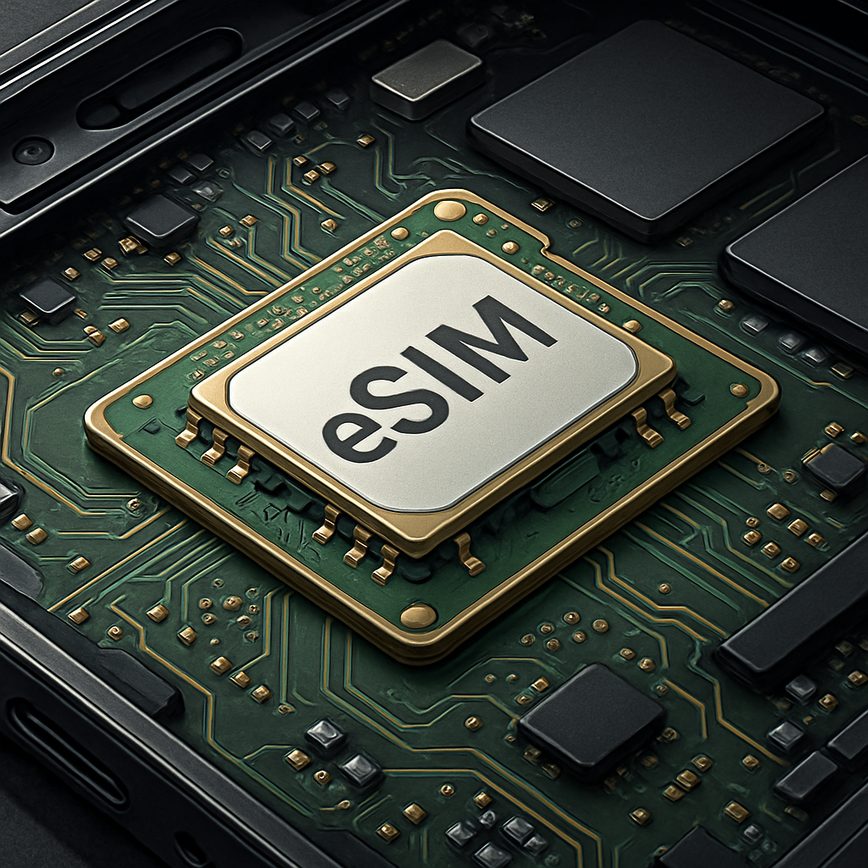
eSIM technology, also known as embedded SIM or digital SIM technology, represents a significant evolution in the way mobile connectivity is managed. Unlike traditional SIM cards, which are physical cards inserted into a device, an eSIM is embedded directly into the device’s hardware. This embedded SIM is a small chip soldered onto the device’s motherboard, making it a permanent part of the device. This advancement allows users to activate mobile service without needing to insert a physical card.
The core of eSIM basics lies in its ability to securely store multiple operator profiles digitally. This digital SIM technology enables users to switch between different carrier plans or networks seamlessly, all without changing physical cards. Activation and management of these profiles can be done remotely over the air, which grants users much greater flexibility and convenience, especially for international travel and managing multiple carriers.
One of the key features that differentiates eSIM from traditional SIM cards is the elimination of the need for a physical card slot, which allows device manufacturers to design slimmer and more compact devices. Additionally, eSIM supports multiple profiles on a single device, enabling users to maintain separate numbers—for example, one for personal and another for business use—without carrying multiple devices or swapping SIM cards.
Moreover, eSIM technology offers improved security compared to conventional SIM cards. Since the eSIM is soldered into the device, it is much harder to remove or tamper with, reducing risks of theft or unauthorized access. Mobile carriers also benefit from easier provisioning, as they can remotely activate or update user profiles without requiring physical intervention.
In summary, understanding eSIM technology is essential as it redefines how cellular connectivity is delivered and managed. The embedded SIM, with its digital SIM technology, offers flexibility, enhanced security, and convenience over traditional SIM cards, making it an ideal solution for the modern mobile experience.
How eSIM Differs from Traditional SIM Cards
The fundamental difference between eSIM and traditional SIM cards lies in their form and functionality. Traditional SIM cards are physical chips that must be inserted into a device to connect to a mobile network. In contrast, an eSIM is an embedded SIM that is permanently soldered inside a device, eliminating the need for a physical card. This embedded SIM benefits users by providing greater convenience during installation since there is no need to handle tiny cards or switch them manually.
From a flexibility perspective, eSIM vs SIM offers distinct advantages. With a traditional SIM card, changing carriers or plans requires physically swapping the card, which can be inconvenient, especially for frequent travelers. On the other hand, eSIM technology allows users to switch between multiple carriers digitally without removing or replacing any hardware. This makes managing international data plans much simpler and faster, as users can download and activate new profiles remotely.
Additionally, the embedded SIM benefits include better durability and space-saving within devices. Without the need for a SIM card slot, manufacturers can design slimmer and more compact devices, often with enhanced water and dust resistance. In summary, the SIM card comparison reveals that eSIM provides significant improvements in terms of installation ease, flexibility in mobile network management, and overall device efficiency, making it a superior choice in today’s connected world.
Compatibility and Device Support
- Popular eSIM devices include the latest models from Apple such as iPhone 13, 14, and 15 series, as well as recent iPads and Apple Watches.
- Many Android phones also support eSIM, including Google Pixel 3 and newer models, Samsung Galaxy S21 and later, and select OnePlus devices.
- Other eSIM-compatible gadgets include some tablets and laptops from brands like Microsoft Surface and Lenovo, expanding the scope beyond smartphones.
- To check if your device supports eSIM, start by visiting the manufacturer’s official website and reviewing the specifications for “eSIM” or “dual SIM” capability.
- Alternatively, look in your device settings under cellular or mobile network options; a dedicated section for eSIM or the ability to add a cellular plan usually indicates compatibility.
- You can also consult your carrier’s website or customer service to confirm if your phone is supported for eSIM activation with their network.
- Understanding device compatibility is essential for fully utilizing eSIM technology and its benefits for international data management and convenient connectivity.
Benefits of eSIM for Managing International Data
Managing international data has traditionally been a hassle for travelers, involving the need to purchase local SIM cards, deal with compatibility issues, and often face high roaming charges. The advent of eSIM technology is transforming this experience, making international data management significantly more convenient and cost-efficient.
One of the primary advantages of using an eSIM for international data is the unparalleled convenience it offers. With traditional SIM cards, travelers must physically acquire new cards in each country they visit or rely on expensive roaming plans from their home carriers. eSIM technology eliminates this limitation by allowing users to digitally switch between multiple data plans from various international providers without swapping physical cards. This ease of switching makes managing multiple data plans seamless and hassle-free, especially for frequent travelers.
eSIM travel also enhances global connectivity by allowing users to stay connected across numerous countries effortlessly. By accessing a global marketplace of data plans, travelers can select the best options suited to their needs right from their device. This ability to maintain continuous internet access without interruption supports activities such as navigation, communication, and remote work, ensuring that users remain connected at all times regardless of location.
Cost efficiency is another significant benefit of eSIM technology for managing international data. Traditional roaming fees can be exorbitant, quickly depleting travel budgets. eSIM users can avoid these costs by choosing competitive local or regional data plans that suit their usage patterns. Many eSIM providers offer affordable data packages tailored for short-term or extended stays, helping travelers control their expenses more effectively. Additionally, the transparency in pricing and the ease of comparing different plans foster smarter spending choices.
Moreover, the flexibility of eSIMs means users are no longer tied to a single carrier. They can switch providers as needed, giving them access to better network coverage and faster speeds in different regions. This flexibility not only improves data quality but also reduces the frustration often associated with poor connectivity abroad.
In summary, eSIM technology revolutionizes the way travelers manage international data by offering unmatched convenience, global connectivity, and significant cost savings. Its ability to digitally streamline data plan management makes it an essential tool for anyone looking to stay connected without the typical hassles and expenses of international mobile data use.
Seamless Plan Switching Across Countries
Traveling internationally often involves the hassle of swapping physical SIM cards to access local mobile networks. However, with eSIM technology, plan switching across countries becomes effortless and efficient. eSIM enables users to switch between different local carriers without the need for physically removing and inserting SIM cards, simplifying international data management significantly.
This capability empowers travelers to maintain connectivity by easily selecting and activating the most suitable international plans directly from their device’s settings. Whether it’s a short trip or an extended stay, eSIMs provide the flexibility to choose from multiple carriers and data plans without the worry of losing service or facing compatibility issues. This seamless plan switching not only minimizes downtime but also eliminates the risk of damaging a physical SIM card.
Moreover, eSIM data management allows users to store several plans simultaneously and switch between them as needed, making it ideal for globetrotters who frequently cross borders. By eliminating the physical constraints of traditional SIM cards, eSIM technology enhances the user experience, offering convenience and cost-effectiveness. Travelers can now enjoy uninterrupted service and better control over their international plans with just a few taps on their device.
In conclusion, eSIM simplifies international plan switching, providing a modern solution for managing global mobile data efficiently and seamlessly, tailored for the dynamic needs of today’s travelers.
Cost Savings and Avoiding Roaming Charges
Using an eSIM significantly helps travelers save on roaming fees by allowing them to avoid expensive charges often associated with international data usage. Instead of relying on costly roaming plans offered by their home carriers, travelers can easily purchase local data plans directly through their eSIM. This flexibility provides an effective cost saving solution without the hassle of swapping physical SIM cards or hunting for local stores.
With eSIM technology, activating a local data plan is fast and simple, often done through an app or online platform. Travelers can compare international data plans from multiple carriers, choose the one that offers the best price and coverage, and activate it instantly on their device. This direct access to local networks eliminates roaming fees and results in much lower overall costs for staying connected abroad.
Overall, eSIMs offer a practical way to manage international data while ensuring affordable and reliable connectivity. By sidestepping traditional roaming fees and embracing local plans, users enjoy a superior experience that combines convenience with significant cost savings. This makes eSIMs an essential tool for anyone traveling internationally and looking to optimize their mobile data expenses.
Simplified Data Management on the Go
Managing multiple data plans can often be a complex and time-consuming task, especially when traveling internationally. With eSIM technology, data management becomes remarkably simple and efficient. Users gain complete control over their mobile connectivity by seamlessly switching between different data plans without the need for physical SIM cards. This flexibility means you can activate or deactivate plans as needed, directly from your device, making it incredibly convenient for travelers and remote workers alike.
One of the key benefits of eSIM control is the ability to monitor your data usage across all active plans from a single interface. This centralized management system allows you to track consumption in real-time, avoid unexpected charges, and optimize your data allocation based on your needs. Whether you are using local data plans abroad or combining multiple carrier packages, eSIM technology puts you in the driver’s seat for smarter, hassle-free mobile connectivity.
Overall, eSIM simplifies data management on the go by eliminating the traditional barriers associated with switching SIM cards, keeping all your cellular connections organized in one digital profile. This not only saves time but also enhances your ability to stay connected effortlessly, no matter where your journeys take you.
How to Use eSIM for International Travel
Using an eSIM for international travel simplifies staying connected without the hassle of swapping physical SIM cards. To activate eSIM and ensure you have seamless data access abroad, follow these practical steps on eSIM setup, including purchasing and installing profiles.
- Check Device Compatibility: Before you start, verify that your smartphone supports eSIM functionality. Most newer models do, but it’s essential to confirm to avoid complications during setup.
- Purchase an International Travel eSIM Plan: Select a reliable provider offering international travel eSIM plans. You can purchase these plans online, often from specialized eSIM vendors or directly from mobile carriers that support eSIM technology.
- Receive the eSIM QR Code or Activation Details: After purchasing, you will typically receive a QR code via email or on the provider’s app. This code contains your eSIM profile required for activation.
- Open Your Device’s eSIM Settings: On your phone, navigate to the cellular or mobile data section in settings. Look for an option to add a cellular plan or add eSIM and proceed to scan the QR code you received.
- Scan the QR Code and Download the Profile: Using your phone’s camera, scan the QR code linked to your eSIM profile. Your device will then download and install the profile, allowing you to use the international data plan.
- Set Your eSIM as Active Data Plan: After installation, select the eSIM profile as your primary data source, especially while traveling abroad. This step ensures that your device uses the international travel eSIM for data connectivity instead of your home SIM.
- Monitor and Manage Your Data Usage: Keep track of your data consumption through your phone’s settings or the eSIM provider’s app to avoid unexpected charges or running out of data during your trip.
- Switch Between Profiles as Needed: Many devices allow multiple eSIM profiles. You can switch back to your home SIM or another eSIM plan anytime, offering flexibility while managing international data.
Following these steps to activate eSIM ensures a smooth and convenient way to stay connected during your travels. The eSIM setup process is designed to be user-friendly, enabling you to purchase, install, and manage international travel eSIM profiles efficiently.
Purchasing International eSIM Plans
Before traveling, it’s important to buy eSIM plans tailored to your destination to ensure seamless connectivity. Many online platforms and mobile carriers offer a variety of international data plans that cover specific countries or regions, allowing you to stay connected without the hassle of physical SIM cards.
One of the easiest ways to purchase an eSIM is through the websites or mobile apps of reputable providers who specialize in international mobile data. These providers typically offer a range of plans categorized by country or region, making it simple to compare options based on data limits, durations, and prices. This allows travelers to select the best mobile carrier options suited to their travel needs and budget.
Alternatively, major mobile carriers in your home country may provide international eSIM plans that you can purchase before departure. Many carriers now support eSIM activation remotely, so you can add international data plans to your device without visiting a store. Some carriers also partner with foreign networks to offer competitive rates and coverage.
In summary, buying eSIM plans before your trip involves choosing from various international data plans available online or through your current mobile carrier. This preparation ensures that you have reliable mobile data access as soon as you arrive, eliminating the need to seek connectivity on the go.
Activating and Managing eSIM Profiles
Activating and managing eSIM profiles is a straightforward process that enhances your ability to stay connected globally. Here’s a step-by-step guide to the activation process and managing multiple profiles on your device.
- Access the eSIM Settings: Begin by navigating to your device’s settings menu. Look for the section labeled “Cellular” or “Mobile Data,” then find the option for eSIM or “Add Cellular Plan.”
- Scan or Enter a QR Code: Your eSIM provider will give you a QR code for profile installation. Use your device’s camera to scan this code or manually enter the details provided by the carrier.
- Confirm Activation: After scanning or entering the QR code, your device will prompt you to confirm the activation of the eSIM profile. Confirm to proceed. This step initiates the profile installation on your device.
- Profile Installation: Once confirmed, the device downloads and installs the eSIM profile. This process usually takes a few moments, ensuring your eSIM is ready to connect to the carrier’s network.
- Manage Multiple Profiles: Modern devices allow you to store and switch between multiple eSIM profiles. In your cellular settings, you can label each profile for easy identification and select the active profile depending on your location and data needs.
- Switching Profiles: To switch profiles, simply go to the cellular options, select the desired eSIM plan, and set it as active. This flexibility is ideal for frequent travelers managing international data plans.
- Remove or Update Profiles: You can also manage your stored eSIM profiles by removing those no longer needed or updating profiles when carriers push new configurations.
By following these steps, you can easily navigate the activation process and manage your eSIM profiles efficiently, ensuring seamless mobile connectivity wherever you go.

I’m a lifelong traveler who fell in love with the freedom that eSIM technology offers. Exploring new places while staying seamlessly connected has become my personal mission, and I love sharing practical tips on managing mobile data abroad. When I’m not testing the latest eSIM platforms, I’m mapping out the next adventure.