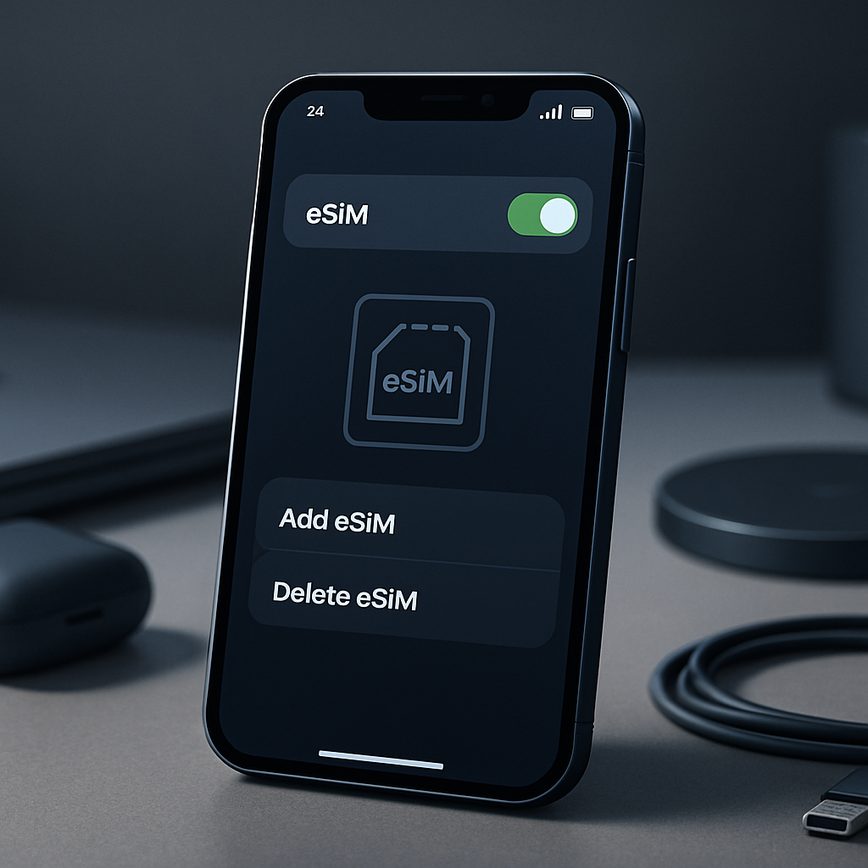
How eSIM helps avoid SIM card loss
02/04/2026
Understanding eSIM Technology
eSIM technology, short for embedded SIM, represents a significant evolution in the way mobile devices connect to cellular networks. Unlike traditional physical SIM cards, which are removable plastic chips inserted into a phone or tablet, an eSIM is a digital SIM embedded directly into the device’s hardware. This embedded SIM is rewritable and can store multiple carrier profiles, offering greater flexibility and convenience for users.
The core functionality of eSIM technology lies in its ability to digitally manage mobile network connectivity without requiring a physical swap of SIM cards. When a user wants to switch carriers or add a new plan, they simply download a carrier profile over the air (OTA). This eliminates the need to visit a store or wait for a SIM card delivery. The eSIM securely stores the user’s subscription credentials, enabling seamless activation and switching of mobile services.
Embedded SIMs operate through a standardized architecture set by the GSMA, ensuring interoperability across different devices and network providers worldwide. This standardization is crucial as it allows manufacturers to integrate eSIM technology into various types of devices, from smartphones and tablets to laptops, wearables, and even IoT devices. In modern mobile devices, the eSIM plays a pivotal role in simplifying mobile connectivity by enabling instant provisioning, reducing plastic waste, and enhancing device design by eliminating the need for a SIM slot.
Moreover, eSIM technology supports multiple profiles, allowing users to maintain personal and business numbers on the same device or switch between carriers when traveling internationally without physical SIM swaps. This digital SIM capability improves user experience by providing greater control over mobile plans and reducing the risk of losing or damaging physical SIM cards.
In summary, eSIM technology is transforming mobile connectivity by embedding the SIM directly into devices as a digital SIM solution. Its ability to store and manage multiple carrier profiles, combined with the convenience of over-the-air provisioning, positions the embedded SIM as a cornerstone of modern mobile devices and the future of digital communication.
What is an eSIM?
An eSIM, or embedded SIM card, is a modern evolution of the traditional SIM card found in mobile devices. Unlike physical SIM cards that require manual insertion and replacement, an eSIM is a digital SIM embedded directly within the device’s hardware. This embedded SIM card eliminates the need for a physical card slot, allowing users to activate and manage cellular plans remotely without having to swap out physical SIMs.
The eSIM definition highlights its role as a flexible and convenient technology that simplifies SIM replacement. With an eSIM, users can switch carriers or mobile plans with ease, as the information is digitally programmed onto the embedded chip. This means no more worrying about losing or damaging a physical SIM card, and it supports the growing trend of devices becoming slimmer and more compact by removing the necessity of a SIM tray.
Moreover, the embedded SIM card technology supports multiple profiles, enabling a single device to carry several cellular identities. This is particularly useful for travelers or those who need to manage separate work and personal numbers on one phone. Overall, the eSIM is transforming the mobile connectivity landscape by making SIM replacement simpler, safer, and more efficient than ever before.
How eSIM differs from traditional SIM cards
Traditional physical SIM cards have been the standard for mobile connectivity for decades, requiring a tangible card that fits into a designated slot on your device. They dictate how users manage their mobile service: swapping cards between phones, handling potential damage or loss, and physically inserting or removing them whenever a change is needed. In contrast, eSIM technology offers a completely different approach by embedding the SIM directly into the device’s hardware, eliminating the need for a physical card entirely.
One of the key distinctions lies in management. With a physical SIM, switching carriers or plans often means acquiring a new card and physically replacing it. eSIMs simplify this process by allowing users to download, activate, and switch profiles digitally through software interfaces without handling any physical components. This digital management enhances convenience and reduces the risk associated with losing or damaging a physical SIM.
Usability also sees a notable evolution with eSIM benefits. Users can store multiple profiles on a single device and switch between them effortlessly, ideal for travelers or people balancing personal and business phone lines. While a physical SIM restricts you to one carrier or profile at a time, eSIM technology offers flexibility and seamless transitions, all managed directly from the device’s settings.
Overall, these SIM differences make eSIM a revolutionary step forward. Moving from tangible, often fragile physical SIMs to embedded digital solutions streamlines connectivity, security, and user experience — fundamentally transforming how we handle mobile service in the modern world.
How eSIM Helps Avoid SIM Card Loss
In the modern digital age, avoiding SIM loss has become a crucial concern for mobile users. Traditional physical SIM cards are prone to being lost, stolen, or damaged, leading to inconvenience and potential security risks. eSIM technology presents a revolutionary solution that significantly enhances SIM card security while offering a range of eSIM benefits designed to provide peace of mind and convenience.
One of the primary advantages of eSIM is its embedded nature. Unlike physical SIM cards that can be easily misplaced or removed without authorization, an eSIM is integrated directly into your device. This eliminates the risk of losing your SIM because there is no physical card to carry or misplace. With eSIM, your mobile identity is securely stored within your device, making the lost SIM solution straightforward and effective.
From a security perspective, eSIM technology offers enhanced protection against unauthorized access and SIM swap fraud. Traditional SIM cards can be exploited if they fall into the wrong hands or if a malicious actor convinces a carrier to transfer your number to another SIM. eSIMs help to mitigate these risks by requiring secure authentication methods to provision or change the SIM profile. This added layer of security ensures your mobile data and phone number are safeguarded.
Additionally, eSIMs simplify the process of switching carriers or plans without the risk of losing your SIM card during the transition. Users can download new carrier profiles directly to their devices without waiting for a physical card to ship or worrying about the physical security of the SIM during the switch. This agility increases user control and convenience while reducing potential exposure to SIM-related theft or loss.
In summary, eSIM technology offers an innovative lost SIM solution by embedding the SIM profile within the device, which significantly reduces the chance of losing your SIM card. Its security features protect users from SIM fraud and unauthorized access, while the flexibility it provides enhances user experience. Embracing eSIM benefits means adopting a more secure, convenient, and efficient way to manage your mobile connectivity, thus effectively avoiding SIM loss and reinforcing your SIM card security.
Elimination of physical SIM card handling
The eSIM technology offers significant advantages, including removing the dependency on a physical SIM card. Unlike traditional SIM cards, which are tangible and easily misplaced or damaged, an eSIM is embedded directly into the device. This embedded nature means there is no physical SIM that users need to handle, insert, or remove. As a result, the risk of SIM card loss is virtually eliminated, providing enhanced security and convenience.
With no physical SIM involved, users benefit from the ease and eSIM convenience of managing their mobile plans digitally. Changing carriers, updating subscription details, or adding new numbers can be done remotely without ever opening the device or swapping out hardware. This digital management significantly reduces the chances of losing service due to a lost or damaged SIM card and makes traveling and switching carriers smoother and safer.
Ultimately, the no physical SIM approach inherent in eSIM technology exemplifies a leap forward in SIM card loss prevention. By embedding the SIM directly into the device, eSIM secures the connection credentials in a protected chip inside the phone or tablet. This eliminates the traditional vulnerabilities associated with physical SIM cards, ensuring that users enjoy uninterrupted connectivity without the hassle or worry of losing or damaging their SIM cards.
Remote provisioning and activation benefits
One of the most significant advantages of eSIM technology is the ability to remotely provision and activate a SIM profile without the need for a physical SIM card swap. Remote SIM activation simplifies the entire process of connecting to a mobile network by allowing users to download and enable carrier profiles digitally, right from their devices. This eliminates the traditional hassle of obtaining, inserting, or replacing plastic SIM cards every time they want to switch carriers or plans.
With eSIM provisioning, users have the flexibility to manage multiple profiles and switch between carriers effortlessly through their device settings or a carrier app. This digital SIM setup offers unparalleled convenience, especially for travelers who need to switch between local carriers to avoid roaming charges or for individuals seeking better plans without the delays involved in physical SIM deliveries. The remote activation process is instant and secure, leveraging encrypted communication between the device and the carrier’s servers.
Moreover, remote SIM activation minimizes the risk of losing or damaging physical SIM cards, making it a more reliable and user-friendly option. Carriers can also offer instant plan updates and easier customer service interactions thanks to the seamless digital infrastructure supporting eSIMs. Overall, remote provisioning and activation empower users with greater control and convenience over their mobile connectivity, providing a modern, flexible alternative to traditional SIM cards.
Enhanced security features against theft or loss
eSIM technology significantly enhances SIM card security through its advanced encryption methods and remote management capabilities. Traditional physical SIM cards are vulnerable to theft or loss, potentially allowing unauthorized users to access sensitive personal data or make fraudulent calls. In contrast, eSIMs are embedded directly into the device and employ robust eSIM encryption protocols to protect user information from interception or tampering.
One of the key benefits of eSIM’s theft protection is the ability to remotely manage the SIM profile. If a device is lost or stolen, users can quickly disable or delete the eSIM profile via their carrier or device management platform, effectively rendering the SIM unusable by unauthorized parties. This rapid response drastically reduces the time window in which misuse can occur, a clear advantage over traditional SIMs that must be physically removed or replaced.
The integration of secure authentication processes further strengthens SIM card security by ensuring only authorized devices can access the network using the eSIM profile. This multi-layered approach to security, combining encryption, remote management, and strict authentication, addresses common vulnerabilities associated with physical SIM cards and helps prevent fraud, identity theft, and unauthorized data access.
Overall, eSIM technology represents a major step forward in protecting users against theft and loss. Its secure encryption and remote management features provide peace of mind, making it a superior choice in SIM card security and theft protection in today’s connected world.
Additional Benefits of Using eSIM
Beyond the critical advantage of preventing SIM card loss, eSIM technology offers a wide range of benefits that enhance mobile flexibility and user convenience. Unlike traditional SIM cards, which require physical swapping when changing carriers or traveling internationally, eSIMs provide a seamless way to manage multiple mobile subscriptions directly from the device. This flexibility allows users to switch between different network providers with just a few taps, without the hassle of procuring and installing new SIM cards.
The mobile flexibility granted by eSIMs is particularly valuable for frequent travelers. With eSIM technology, users can easily download local carrier profiles while abroad, enabling them to enjoy better coverage and avoid costly roaming charges. This means that traveling becomes less stressful, as there is no need to hunt for SIM cards in foreign countries or deal with potential language barriers when purchasing them. The quick activation of local plans ensures uninterrupted connectivity, supporting work, communication, and navigation wherever you go.
Additionally, eSIMs contribute significantly to user convenience. Managing multiple plans on a single device is straightforward, making it ideal for those who want to separate work and personal numbers without carrying multiple phones. The technology supports instant and remote provisioning of service plans, eliminating the delays traditionally associated with SIM card shipment and activation. This instant setup enhances the user experience by saving time and ensuring immediate access to mobile services whenever needed.
In summary, the advantages of eSIM extend well beyond just loss prevention. From the flexibility to manage multiple network profiles to the ease of traveling with local mobile plans, eSIMs represent a significant step forward in mobile technology. This innovation offers enhanced user convenience that aligns with modern, dynamic lifestyles, making it an increasingly popular choice for consumers worldwide.
Simplified carrier switching
One of the standout advantages of eSIM technology is its unparalleled flexibility in carrier switching. Unlike traditional SIM cards, which require physically swapping out a card when changing mobile carriers, eSIM allows users to switch networks seamlessly and instantly. This digital SIM eliminates the need to visit a store, wait for a new SIM card to arrive, or worry about losing or damaging the physical SIM card during the process.
eSIM’s built-in flexibility means users can store multiple carrier profiles on a single device, making network changes almost effortless. Whether switching for better coverage, cost savings, or travel purposes, eSIM enables quick toggling between carriers without interruption. This immediate carrier switching capability empowers users with greater control over their mobile service, enhancing convenience and reducing downtime associated with network changes.
Moreover, the streamlined process of activating a new carrier via eSIM can be completed remotely, often through a carrier’s app or a QR code, further simplifying network changes. This level of convenience highlights how eSIM technology redefines the traditional mobile service experience, providing a smarter, faster way to manage mobile connectivity without physical constraints.
Ideal for international travelers
For international travelers, managing connectivity can be a hassle with traditional travel SIM cards. eSIM technology revolutionizes this experience by allowing users to store multiple plans on a single device without the need to physically swap SIM cards. This is especially beneficial for those who frequently cross borders, as they can seamlessly switch between various international eSIM profiles tailored to different countries and carriers.
One of the key advantages of using an international eSIM is the enhanced roaming benefits it provides. Travelers no longer need to worry about purchasing or losing physical SIM cards while abroad. Instead, they can activate roaming plans instantly, ensuring continuous and reliable mobile data access without interruption. This feature not only saves time but also reduces the risk of incurring expensive roaming fees by choosing cost-effective local or regional plans.
With eSIM technology, switching between travel SIM options is straightforward and can be managed directly through the device’s settings. This flexibility allows travelers to optimize their connectivity and avoid common issues such as SIM card loss or damage. Overall, international eSIMs offer a convenient, secure, and efficient solution for maintaining connectivity during global travels, making them an essential tool for modern globetrotters.

I’m a lifelong traveler who fell in love with the freedom that eSIM technology offers. Exploring new places while staying seamlessly connected has become my personal mission, and I love sharing practical tips on managing mobile data abroad. When I’m not testing the latest eSIM platforms, I’m mapping out the next adventure.