How eSIM improves accessibility to mobile networks
25/05/2026
Understanding eSIM Technology
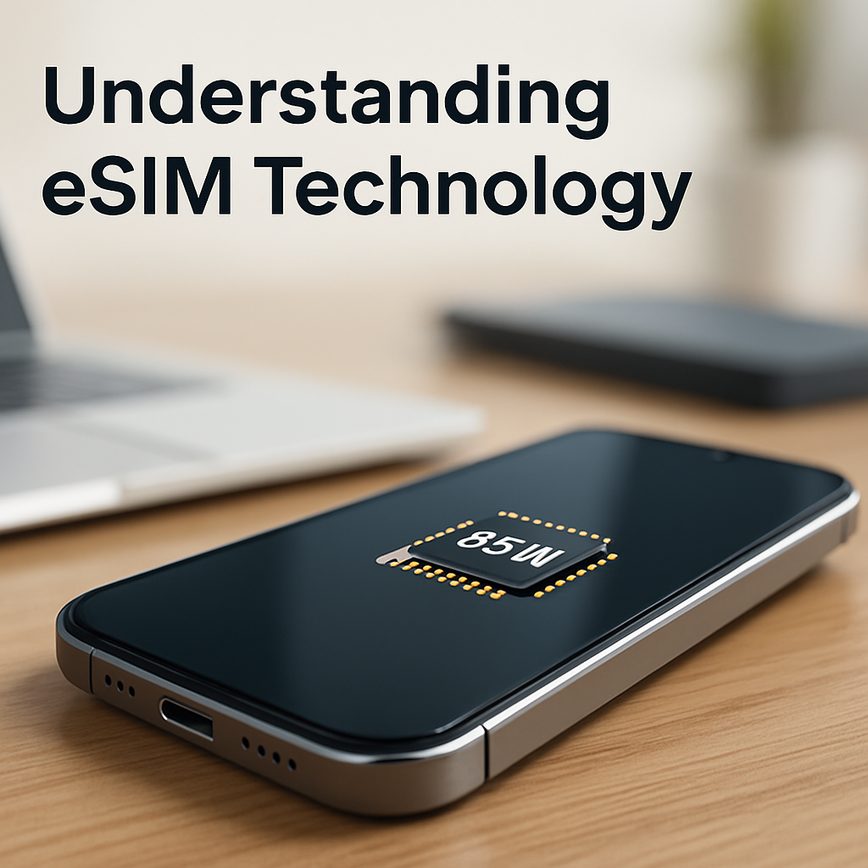
eSIM technology, or embedded SIM, represents a significant evolution in how mobile devices connect to networks. Unlike traditional SIM cards, which are physical chips inserted into a device, an eSIM is a small chip that is embedded directly into the device’s hardware. This embedded SIM enables users to activate a mobile network plan without the need for a physical card, offering a seamless and flexible approach to mobile network access.
The primary difference between eSIM technology and traditional SIM cards lies in their format and functionality. Traditional SIM cards require manual insertion and replacement every time users change their mobile network provider or plan. Meanwhile, eSIMs eliminate this hassle by allowing multiple network profiles to be stored digitally on the embedded chip. Users can switch between providers or plans with a simple software update, making it much more convenient for those who travel frequently or want to manage multiple network connections on one device.
From a connectivity perspective, eSIM technology enhances mobile network access by enabling faster and easier activation. With an embedded SIM, the need to visit a store or wait for a physical SIM delivery is removed. Users can quickly scan a QR code or download a carrier profile directly to their device, instantly connecting to a mobile network. This not only streamlines the user experience but also supports global connectivity, as eSIM-compatible devices can access various networks worldwide without changing SIM cards.
Moreover, eSIM technology plays a vital role in the future of mobile connectivity by supporting the growing Internet of Things (IoT) ecosystem. Embedded SIMs allow devices like wearables, smart home gadgets, and connected vehicles to maintain reliable mobile network connections without requiring physical SIM cards. This integration facilitates more efficient and widespread connectivity, underpinning advancements in smart technology and mobile communications.
In summary, eSIM technology transforms mobile network access by embedding the SIM directly into devices, offering greater flexibility, convenience, and connectivity. Its ability to digitally manage multiple network profiles and streamline activation processes makes it a key innovation in mobile connectivity, shaping the way users connect in a rapidly evolving digital world.
What is an eSIM?
An eSIM, or embedded SIM card, is a digital SIM that eliminates the need for a physical SIM card to connect to mobile networks. Unlike traditional SIM cards that must be inserted into a device, the eSIM is built directly into the device’s hardware, allowing users to activate network plans digitally. This embedded SIM card technology transforms how devices connect to cellular networks by enabling remote activation and management of mobile plans without the need to swap physical cards.
The concept of an eSIM merges both physical and digital aspects. Physically, the eSIM is a small chip permanently embedded in a device, making it an integral component that cannot be removed or lost. Digitally, it acts as a programmable profile that stores multiple carrier profiles, providing greater flexibility and convenience for users who can switch carriers or plans through software commands rather than hardware changes.
eSIMs are widely compatible with many modern devices, including smartphones, tablets, smartwatches, and even laptops. Major manufacturers have integrated eSIM technology into their latest models to enhance connectivity options. This compatibility allows users to benefit from simpler carrier switching, better travel options, and streamlined mobile connections, reducing the reliance on physical SIM cards. Overall, the eSIM definition points to a future where mobile connectivity is more flexible, user-friendly, and embedded directly in the devices we use every day.
How eSIM Differs from Traditional SIM Cards
Traditional SIM cards are physical pieces of hardware that must be manually inserted into a mobile device to connect to a cellular network. This process involves obtaining a physical SIM card from a carrier, carefully placing it in the SIM tray of the phone, and often restarting the device to activate the service. In contrast, eSIMs (embedded SIMs) eliminate the need for physical cards altogether by integrating the SIM functionality directly into the device’s hardware. This digital SIM benefits users through remote provisioning—meaning carriers can activate and manage cellular plans over the air without any physical intervention.
The traditional SIM vs eSIM comparison highlights a fundamental shift in installation. With a traditional SIM card, users face potential hassles such as losing their card, damaging it, or dealing with incompatible SIM sizes when switching devices. eSIMs offer unmatched flexibility: multiple operator profiles can coexist on a single embedded chip, allowing users to switch between networks or plans without swapping any hardware. This is especially beneficial for travelers or those managing personal and work lines on one device.
From a user experience standpoint, eSIM technology simplifies connectivity by reducing physical dependencies and enhancing convenience. The digital SIM benefits extend to faster onboarding, simplified network changes, and improved security as the embedded nature of the eSIM reduces the risk of SIM card theft or tampering. Overall, while the traditional SIM card still serves many devices, eSIMs represent a more flexible, user-centric approach to mobile network access.
Enhancing Mobile Network Accessibility with eSIM
eSIM technology is revolutionizing mobile network accessibility globally by offering unparalleled convenience and flexibility for users. Unlike traditional SIM cards that require physical swapping, eSIMs are embedded directly into devices, enabling users to switch carriers and plans digitally without visiting a store or waiting for delivery. This transformative capability significantly streamlines access to mobile networks worldwide, enhancing connectivity for millions of people.
One of the primary eSIM benefits is the elimination of geographical barriers. Travelers and remote workers no longer need to rely on local SIM cards or expensive roaming charges. Instead, they can instantly activate mobile network services wherever they are, ensuring seamless connectivity across borders. This increased accessibility fosters better communication, supports international business, and promotes global digital inclusion.
Moreover, eSIM technology facilitates improved mobile network accessibility by supporting multiple profiles on a single device. Users can maintain personal and work numbers simultaneously or choose different networks based on their coverage needs and budget. This flexibility drives competition among mobile network operators, resulting in better services and prices that ultimately benefit consumers.
From the perspective of mobile network providers, eSIMs simplify the onboarding process and reduce logistic complexities associated with physical SIM distribution. This promotes faster and broader deployment of network services, especially in underserved or rural areas where physical SIMs may be harder to find. Enhanced operational efficiency also translates to cost savings, which providers can pass on to customers in the form of affordable and accessible plans.
In essence, eSIM technology improves connectivity by making mobile networks more accessible, flexible, and user-friendly. It removes traditional barriers and empowers users to take full advantage of network services without restrictions. As more devices and carriers adopt eSIM standards, we can expect continuous advancements in mobile network accessibility and a more connected world for everyone.
Simplified Activation and Switching
eSIM technology revolutionizes the way users manage their mobile connectivity by making activation ease and network switching more convenient than ever before. Unlike traditional physical SIM cards, eSIMs are embedded directly into devices, eliminating the need to manually insert or replace SIM cards when changing carriers. This innovation allows users to activate their mobile service instantly through software, enabling quick access to new networks with just a few taps.
The convenience of eSIM means users no longer need to visit retail stores or wait for physical SIM card delivery. Activation processes are streamlined, often involving scanning a QR code or entering carrier-provided information directly into the device settings. This ease of activation is especially beneficial for frequent travelers or those living in areas with multiple carrier options, as switching networks can be done smoothly without interrupting service.
Moreover, eSIM supports multiple profiles on a single device, meaning users can store several carrier configurations simultaneously and switch between them seamlessly. This flexibility enhances the user experience, providing full control over network preferences whether for cost-saving reasons, improved coverage, or accessing local networks while abroad. Overall, eSIM technology offers unmatched convenience in activation ease and network switching, thereby improving accessibility to mobile networks globally.
Global Roaming Made Easier
Global roaming has traditionally been a cumbersome experience for travelers, often requiring multiple physical SIM cards to stay connected across different countries. With eSIM technology, this process is drastically simplified, enabling seamless global roaming without the need to constantly swap physical SIMs. eSIMs store multiple profiles digitally, allowing users to switch between international SIM access effortlessly on a single device.
This innovation enhances travel connectivity by providing instant access to local networks globally, ensuring uninterrupted service wherever you go. Rather than purchasing a new SIM card in each destination, travelers can download the appropriate profiles directly onto their eSIM-compatible device, which supports a range of carriers worldwide. This not only reduces the hassle of managing multiple SIM cards but also minimizes the risk of losing physical SIMs while on the move.
Moreover, eSIM technology often offers more competitive roaming rates and flexible plans tailored to short-term or long-term travel needs, making it a cost-effective solution. With global roaming made easier, business travelers and tourists alike benefit from consistent access to mobile data and voice services, enhancing their connectivity and convenience during international trips.
Improved Accessibility for People with Disabilities
eSIM technology significantly enhances accessibility for people with disabilities by simplifying device setup and mobile network access. Traditional physical SIM cards often require precise handling and manual insertion, which can be challenging for users with motor impairments or visual disabilities. eSIM eliminates these physical barriers by allowing users to activate and switch mobile network plans digitally through device settings, thereby promoting disability inclusion in the digital space.
With eSIM, the process of connecting to a mobile network becomes more straightforward, reducing the need for physical interaction with hardware. This digital approach helps users who rely on assistive technologies or have limited dexterity to gain seamless access to mobile networks without assistance. The ability to manage multiple profiles and switch carriers remotely also means users can adapt their connectivity needs with ease, increasing their independence and confidence in using mobile devices.
Furthermore, eSIM’s remote provisioning supports a more inclusive mobile ecosystem by facilitating better service customization for users with disabilities. Mobile network providers can offer tailored plans and features that accommodate specific needs, enhancing overall accessibility. By removing traditional obstacles linked to physical SIM cards, eSIM contributes to a more equitable mobile network access environment where all users, regardless of their abilities, can stay connected effortlessly.
Future Implications of eSIM on Mobile Accessibility
The future of eSIM technology promises to be a transformative force in enhancing mobile accessibility worldwide. As mobile accessibility trends continue to evolve, eSIM is set to play a crucial role in democratizing access to mobile networks by removing traditional barriers such as physical SIM card distribution and carrier lock-ins. This innovation will empower users to switch between carriers or manage multiple plans seamlessly through software, thereby expanding access to a broader spectrum of network services.
One of the key network innovations on the horizon is the integration of eSIM with advanced network architectures like 5G and beyond. With 5G’s increased network speed, capacity, and reduced latency, eSIM technology will enable a more fluid and dynamic connection experience. Users will benefit from instant connectivity options, especially for IoT devices and wearables, which require efficient and flexible network access without the constraints of physical SIM cards.
Moreover, the future implications of eSIM also extend to areas traditionally underserved by mobile networks. Remote and rural regions, often challenged by limited physical infrastructure, can leverage eSIM-enabled devices to access mobile services more easily. This could accelerate the spread of mobile internet and bridge the digital divide by providing affordable and accessible network options.
Mobile accessibility trends indicate a shift toward user-centric network management, where consumers control their network profiles and subscriptions directly from their devices. eSIM technology supports this trend by allowing users to provision and activate mobile plans without visiting a store or waiting for a physical SIM card shipment. This convenience aligns with the growing demand for mobility and flexibility in how people connect to the digital world.
In addition, eSIM’s role in enabling seamless global connectivity will foster greater competition among carriers, potentially driving down costs and improving service quality. As more devices adopt eSIM technology, it will encourage network carriers to innovate their offerings and tailor services to individual user needs, further enhancing mobile accessibility and user experience worldwide.
In conclusion, eSIM technology is poised to reshape the landscape of mobile accessibility through its integration with emerging network innovations and alignment with evolving mobile accessibility trends. Its ability to simplify connectivity management and promote broader network reach holds significant promise for the future of mobile communication on a global scale.
Expansion in IoT and Connected Devices
The rapid growth of IoT connectivity is transforming how devices communicate and operate within various ecosystems. eSIM technology plays a crucial role in this evolution by offering a flexible and streamlined approach to managing network connections for IoT devices. Unlike traditional SIM cards, eSIMs eliminate the need for physical swapping, enabling seamless provisioning and activation of cellular connectivity remotely. This flexibility significantly broadens the range of possibilities for deploying connected devices in diverse environments.
With eSIM in IoT, manufacturers and service providers can support a wider array of devices, from smart home gadgets to industrial sensors, without worrying about logistics or physical constraints associated with traditional SIM cards. This ease of connectivity accelerates deployment cycles and reduces operational costs, making IoT projects more scalable and agile. Additionally, eSIM technology enhances the security of IoT devices by enabling encrypted and remote management of network profiles, helping to protect against unauthorized access and tampering.
Moreover, the global reach of eSIM-enabled devices ensures that connected devices can switch between networks and adapt to different regions effortlessly, supporting continuous IoT connectivity worldwide. As the number of connected devices continues to surge, leveraging eSIM technology will be critical in addressing connectivity challenges and unlocking new potentials across industries, from healthcare and transportation to smart cities and beyond.
Policy and Regulatory Considerations
The adoption of eSIM technology is closely tied to evolving eSIM regulations, telecom policies, and network access laws worldwide. Regulatory challenges remain a significant aspect influencing how widely and easily consumers can benefit from eSIM capabilities. Many countries are still in the process of updating their legal frameworks to accommodate the unique characteristics of eSIMs, such as remote provisioning and multi-operator support.
Telecom policies must adapt to ensure fair competition among service providers while safeguarding consumer rights. This often involves creating regulations that address interoperability, privacy, and security issues unique to eSIM technology. Network access laws also play a crucial role, as they determine how telecom operators can offer eSIM services and under what conditions customers can switch networks without physical SIM cards. These policies help foster innovation while maintaining network integrity.
Another regulatory consideration involves standardizing eSIM activation processes to prevent fraudulent activities and protect user data. Authorities are challenged with balancing innovation incentives against risks such as unauthorized profile downloads or identity theft. Moreover, the global nature of eSIMs demands cooperation across jurisdictions to harmonize regulations, which is vital for travelers and multinational enterprises who rely on seamless mobile connectivity.
Ultimately, progressive regulatory frameworks not only accelerate the adoption of eSIM technology but also enhance its accessibility benefits, making mobile connectivity more inclusive, flexible, and user-friendly for individuals and businesses worldwide.

I’m a lifelong traveler who fell in love with the freedom that eSIM technology offers. Exploring new places while staying seamlessly connected has become my personal mission, and I love sharing practical tips on managing mobile data abroad. When I’m not testing the latest eSIM platforms, I’m mapping out the next adventure.