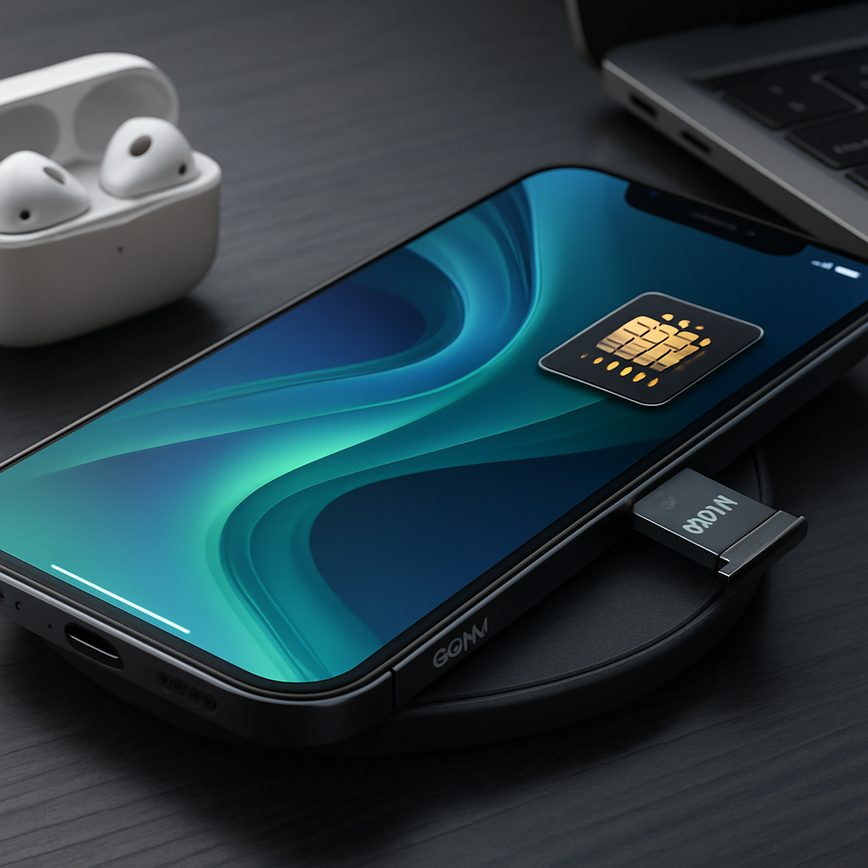
Understanding device activation using eSIM
06/05/2026
Introduction to eSIM Technology
eSIM technology represents a significant advancement in the way mobile devices connect to cellular networks. Unlike traditional SIM cards, which are physical chips that must be inserted into a device, an embedded SIM (eSIM) is a small chip permanently embedded within the device itself. This embedded SIM allows for remote provisioning and management, eliminating the need for a physical SIM card swap whenever a user wants to change carriers or plans.
The evolution from traditional SIM cards to eSIM technology is a leap driven by convenience and flexibility. Traditional SIM cards, though compact, require manual insertion and are prone to physical wear or loss. The introduction of the eSIM addresses these limitations by embedding the SIM functionality directly into the device hardware during manufacturing. This shift enables users to activate devices and switch network providers simply by downloading a profile over the air, streamlining the entire process.
One of the key benefits of eSIM technology in device activation is the ease and speed it brings. With an embedded SIM, the activation process can be done digitally, often instantly, without needing to visit a store or wait for a physical SIM card delivery. This digital activation not only enhances user experience but also supports the increasing demand for connected devices, from smartphones to wearables and even IoT devices.
Moreover, eSIM technology provides increased security and reliability. Since the SIM is built into the device, it is less susceptible to tampering or theft. Additionally, network providers can update or change the provisioning profiles remotely, enabling better service management and adaptability. This flexibility empowers users and carriers alike to benefit from dynamic plans and multi-network support without hardware changes.
In summary, eSIM technology marks a pivotal change in the telecommunications landscape. By evolving from the traditional physical SIM card to the embedded SIM, it offers faster, more secure, and convenient device activation. As this technology continues to gain adoption, it promises to transform how users connect, manage, and experience mobile connectivity in their daily lives.
What is an eSIM?
An eSIM, or embedded SIM, is a modern type of SIM card technology that differs significantly from traditional SIM cards. Unlike physical SIM cards that must be inserted and removed from a device, an eSIM is a small chip embedded directly into the device’s motherboard. This embedded SIM eliminates the need for a physical card slot, offering a seamless and more compact design for smartphones, tablets, wearables, and other connected gadgets.
The key advantage of an eSIM lies in its flexibility. Traditional SIM cards require manual swapping whenever a user changes mobile carriers or plans, which can be inconvenient and sometimes risky if the card is lost or damaged. With an eSIM, users can activate and switch between different mobile networks digitally and remotely without handling physical cards. This remote provisioning is a game changer for travelers and anyone seeking hassle-free connectivity.
In terms of SIM card types, the eSIM represents the evolution from the conventional physical SIM cards — from full-size SIMs to micro and nano SIMs — towards a fully integrated solution. By being embedded, eSIM technology reduces the space needed inside devices, allowing manufacturers to design slimmer and more efficient electronics. Additionally, eSIMs support multiple profiles, letting users store and manage several carrier plans on a single embedded chip.
Overall, the eSIM definition marks a shift towards smarter, more flexible mobile connectivity, making the technology a preferred choice amid advancing digital communication needs.
Advantages of Using eSIM for Device Activation
The benefits of eSIM technology in device activation are numerous and impactful, especially when it comes to flexibility and convenience. One of the key eSIM benefits is remote provisioning, allowing users to activate their devices without the need for physical SIM cards or visits to retail stores. This remote provisioning capability streamlines the entire process, making it easier and faster to switch carriers or plans.
Device activation through eSIM offers unmatched convenience as it eliminates the hassles associated with traditional SIM cards. Users can manage multiple profiles on a single eSIM and switch between them seamlessly, enhancing their overall mobile experience. This flexibility is particularly useful for frequent travelers who need to access different networks without swapping physical cards.
Moreover, eSIM technology increases device compatibility by integrating seamlessly with modern smartphones, tablets, and other connected devices. This compatibility reduces the need for different SIM cards for different devices, providing a unified and efficient solution. Additionally, the cost-effectiveness of eSIMs is evident as it reduces manufacturing and distribution expenses related to physical SIM cards, benefiting both manufacturers and consumers alike.
In summary, the advantages of using eSIM for device activation—remote provisioning, convenience, increased device compatibility, and cost-effectiveness—combine to create a superior and forward-looking connectivity solution tailored to meet the dynamic needs of today’s users.
How Device Activation Works with eSIM
Activating a device using eSIM technology is a streamlined process that replaces traditional physical SIM card installation with digital provisioning. The eSIM activation process allows users to connect to a mobile network seamlessly, using just a few technical steps and user actions. Below is a detailed step-by-step overview of how device activation works with eSIM.
- Access Device Settings: The first step involves the user navigating to the settings menu on their eSIM-compatible device. Typically, this is found under “Cellular” or “Mobile Network” settings, where the option to add a new mobile plan or eSIM profile is available.
- Scan the QR Code: To start the eSIM activation process, users need to scan a QR code provided by their mobile carrier. This code contains the embedded credentials and network configuration details required for activation. The device’s camera or manual entry option can be used to input these details.
- Download and Install Profile: After scanning the QR code, the device downloads the eSIM profile directly to its internal eSIM chip. This profile includes the necessary subscriber information and authentication keys to access the mobile network. No physical SIM card is needed, making the process quick and efficient.
- Authenticate with Network: The device then uses the downloaded profile to authenticate with the mobile carrier’s network. This involves secure communication with the carrier’s activation server to verify the credentials, ensuring the device is authorized to access the mobile services.
- Configure Network Settings: Once authenticated, the device automatically configures the mobile network settings based on the profile data. This step sets up parameters such as the APN (Access Point Name), network frequencies, and data services, facilitating optimal connectivity.
- Activate Service: With network settings in place, the device activates the mobile service associated with the eSIM. Users can now make calls, send messages, and use mobile data without any additional setup, as the activation process is fully integrated.
- Manage eSIM Profiles: Users can store multiple eSIM profiles on a single device, switching between them as needed for traveling or changing carriers. The device’s interface allows easy management, activation, or deletion of profiles to suit user preferences.
In summary, the device activation using eSIM eliminates the need for physical SIM cards by leveraging digital profiles delivered via QR codes. This simplifies the mobile network setup, enhances device flexibility, and speeds up the overall activation process, making it a modern solution for today’s connected world.
Steps to Activate a Device with eSIM
Activating a mobile device with an eSIM involves several straightforward activation steps that ensure a seamless eSIM setup experience. The first step typically requires scanning a QR code provided by the carrier. This QR code contains essential information needed to download the carrier profile directly onto your device. Once scanned, the device begins to download and install the carrier profile, which contains all the necessary network settings to connect your device to the mobile network.
After downloading the carrier profile, the device automatically configures itself to recognize the new mobile carrier. This process eliminates the need for a physical SIM card and speeds up the setup compared to traditional methods. During the setup, users might be prompted to confirm or customize settings such as default line preferences or data plans. Once everything is set, the device attempts to establish a network connection using the newly installed carrier profile.
The final step involves the device connecting to the carrier’s network, which can take a few moments. Upon successful connection, the mobile device is ready to use cellular services such as calls, texts, and mobile data. These activation steps highlight the simplicity and efficiency of using an eSIM for mobile connectivity, allowing users to switch carriers or plans without needing to replace physical SIM cards.
Role of Mobile Network Operators in eSIM Activation
Mobile operators play a crucial role in the activation of eSIM technology by managing several key processes that ensure a smooth user experience. One of their primary responsibilities is the distribution of the carrier profile. This digital profile contains all the necessary information for network provisioning, allowing the device to connect to the operator’s services without the need for a physical SIM card. Operators securely deliver these profiles to devices over the air, enabling instant and remote activation.
Authentication is another vital service provided by mobile operators during eSIM activation. They verify the device and user credentials to prevent fraud and unauthorized network access. This authentication process safeguards network integrity by validating that only legitimate devices and users can download and activate carrier profiles. Operators use secure protocols for this purpose, ensuring that the transfer of sensitive information remains protected.
Beyond distribution and authentication, mobile operators also provide ongoing support throughout the activation process. They offer activation services that assist users in provisioning their eSIMs, resolve any connectivity issues, and maintain network settings to optimize performance. This comprehensive support is essential to building trust and satisfaction among users adopting the eSIM technology, facilitating a seamless transition from traditional SIM cards to this advanced solution.
Challenges and Future of eSIM Activation
The adoption of eSIM technology heralds a new era in mobile connectivity, but it also brings with it a range of challenges that both users and providers must navigate. eSIM challenges largely stem from the complexity of the technology, device compatibility issues, and the evolving infrastructure needed to support seamless activation processes. Despite these hurdles, the future of eSIM activation looks promising, with ongoing innovations aimed at making the technology more accessible and user-friendly.
One of the primary activation issues relates to device compatibility. Not all devices support eSIM functionality, and even among those that do, variations in hardware and software can affect activation success. Users often encounter difficulties such as failure to scan QR codes, network recognition problems, or incomplete provisioning of profiles. Providers must therefore ensure that their systems are compatible across a wide range of devices and carriers, which can be a logistical and technical challenge.
Another significant challenge involves activation issues related to network infrastructure and interoperability. Because eSIMs are managed virtually, providers must coordinate with mobile network operators to enable smooth profile downloads and switching between carriers. Inconsistencies or limitations in network support can result in activation delays or failures, which frustrates users and hampers widespread adoption of the technology.
Security concerns also play a role in eSIM challenges. As activation and profile management happen remotely, ensuring secure data transmission and preventing unauthorized access to eSIM profiles is paramount. Providers invest heavily in encryption and secure communication protocols, but evolving cybersecurity threats require constant vigilance and updates.
Looking ahead, the eSIM future is shaped by efforts to overcome these challenges through standardization and enhanced user experience. Industry bodies are working on universal frameworks to ensure device and network compatibility across global markets. The push for improved user interfaces and more automated activation processes aims to reduce friction, making eSIM activation as intuitive as possible for users.
Moreover, the future holds potential for broader applications of eSIM technology beyond smartphones, including IoT devices, wearables, and automotive sectors. This expansion will drive further innovation in activation technology, such as remote provisioning and real-time profile management, offering greater flexibility and convenience.
In conclusion, while eSIM challenges like activation issues and device compatibility remain, ongoing technological advancements and collaborative industry efforts are paving the way for a smoother and more robust eSIM activation experience. As the eSIM future unfolds, users and providers alike can expect improved reliability, security, and versatility in mobile connectivity.
Common Issues During eSIM Activation
Activating an eSIM can sometimes present activation errors that disrupt the process. One frequent issue users face is connectivity issues during the profile download stage, which prevents the eSIM profile from being properly installed on the device. These connectivity problems are often related to weak Wi-Fi signals or restricted mobile data access, so ensuring a stable and strong internet connection is essential before initiating activation.
Profile download problems may also occur due to server outages or incompatibility with the mobile carrier’s provisioning system. Users experiencing repeated failures should verify their carrier supports eSIM activation on their device and check for any carrier service alerts. Restarting the device after a failed attempt can sometimes resolve minor glitches.
User difficulties often stem from unfamiliarity with the activation steps or confusion during QR code scanning. It is important to carefully follow the carrier’s provided instructions and ensure the QR code is scanned in good lighting and without obstructions. For multiple profiles, managing and selecting the correct eSIM during setup can also pose challenges, so users should double-check the active profile settings post-activation.
To avoid these common issues, users should prepare by verifying network stability, confirming carrier compatibility, and reading through activation guides beforehand. In cases of persistent activation errors, contacting carrier support or using alternative activation methods provided by the carrier can help resolve the problem effectively.
Emerging Trends and Future Developments in eSIM
The landscape of eSIM innovation is rapidly evolving, heralding a new era in device integration and connectivity. One of the most significant advancements on the horizon is the enhancement of remote activation capabilities. This development will streamline the process of switching carriers and managing mobile plans without needing physical SIM cards, offering unprecedented convenience for users and efficiency for service providers.
Furthermore, the broader adoption of eSIM technology is expected to accelerate as manufacturers and network operators recognize the benefits of compact design, improved security, and flexible service management. This trend is not limited to smartphones and tablets; it extends into the growing ecosystem of IoT devices, where seamless connectivity is vital. By embedding eSIMs directly into IoT sensors, wearables, and smart appliances, devices can maintain constant and reliable network access, crucial for real-time data transmission and remote management.
Looking ahead, the integration of eSIM with future technology infrastructures promises to foster a more interconnected environment. From autonomous vehicles to smart cities, the capability to remotely activate and reconfigure device connectivity will enhance operational efficiency and user experience. As eSIM continues to mature, it will play a pivotal role in shaping the future of digital communication and device management.

I’m a lifelong traveler who fell in love with the freedom that eSIM technology offers. Exploring new places while staying seamlessly connected has become my personal mission, and I love sharing practical tips on managing mobile data abroad. When I’m not testing the latest eSIM platforms, I’m mapping out the next adventure.