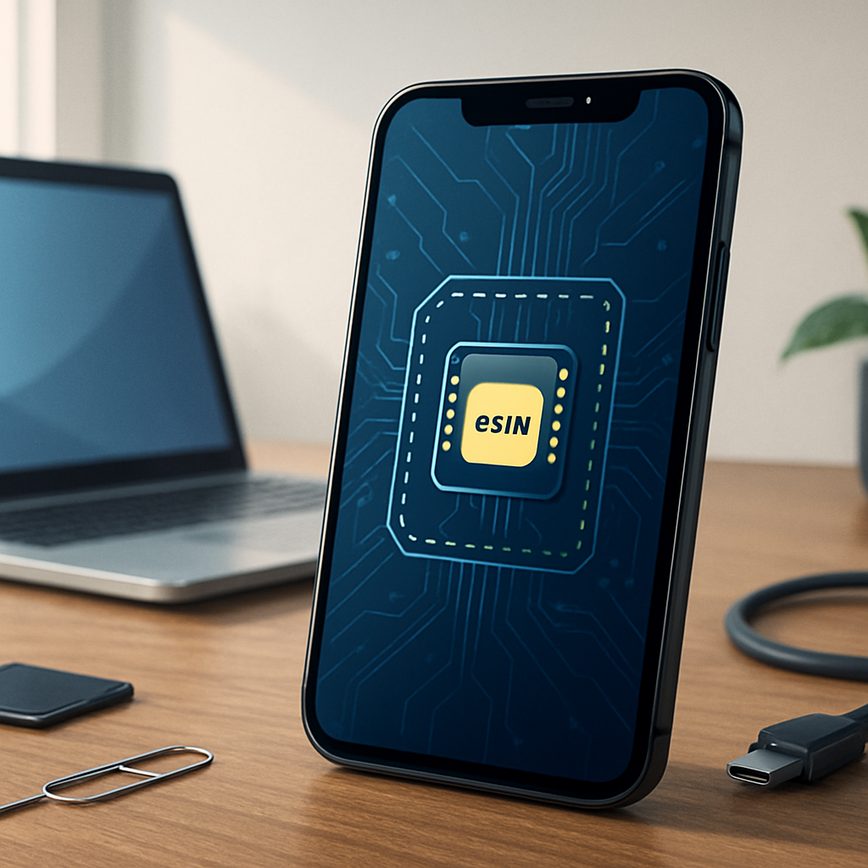
How eSIM simplifies mobile connectivity worldwide
02/06/2026
Introduction to eSIM Technology
The evolution of mobile connectivity has taken a significant leap forward with the advent of eSIM technology. Unlike traditional SIM cards, which are physical chips inserted into devices to enable cellular network access, an eSIM (embedded SIM) is a digital alternative embedded directly into a device’s hardware. This innovation fundamentally changes how users connect to mobile networks, offering a more seamless and flexible experience.
Traditional SIM cards require manual swapping when users want to change carriers or travel internationally. These physical cards can be lost, damaged, or simply inconvenient to manage. On the other hand, eSIM technology eliminates these drawbacks by storing multiple carrier profiles digitally. This means users can activate and switch network providers remotely without the need to insert or replace a physical card.
As an embedded SIM solution, the eSIM is integrated into the device motherboard during manufacturing, making it a permanent fixture. This not only saves space inside the device, allowing for sleeker and more compact designs, but it also enhances device durability since there’s no longer a SIM tray vulnerable to dust or moisture. The embedded nature of the eSIM ensures that mobile connectivity is more reliable and robust.
One of the key benefits of eSIM technology lies in its contribution to global mobile connectivity. With a digital SIM, users can easily switch between multiple mobile data plans and providers, tailoring their connectivity needs to different locations without having to physically visit stores or wait for new SIM cards to be delivered. This flexibility is especially valuable for frequent travelers, remote workers, and anyone who needs instant access to local networks worldwide.
Moreover, eSIM technology simplifies the process of managing mobile connectivity for both consumers and businesses. Network providers can remotely provision and manage service plans, reducing operational costs while enabling instant activation and enhanced customer experiences. The shift toward embedded SIMs represents a major step forward in how mobile connectivity is delivered and managed on a global scale.
How eSIM works
The eSIM functionality is based on an embedded SIM chip soldered directly into the device’s motherboard, eliminating the need for physical SIM cards. Unlike traditional SIM cards, which require manual insertion and swapping, the embedded SIM operation is designed to be programmable remotely. This digital SIM process allows mobile network operators to provision and manage multiple profiles on one device over the air (OTA).
Technically, the eSIM contains a secure element that stores the SIM profile data, including subscriber identity and network authentication credentials. When a user subscribes to a carrier service, the operator sends the SIM profile, encoded in a standardized format known as the eSIM profile, directly to the device through encrypted OTA communication. This profile can be downloaded, activated, or deleted without physically accessing the device, providing great flexibility.
The remote programming capability of eSIMs is enabled by specific industry standards, such as GSMA’s Remote SIM Provisioning (RSP). Devices with embedded SIMs include a built-in client that manages these remote provisioning commands, ensuring secure and seamless updates. This means users can switch carriers, add new data plans, or activate roaming services instantly by downloading new profiles digitally, transforming mobile connectivity into a far more convenient and efficient experience.
In summary, the eSIM functionality integrates hardware and software systems, allowing embedded SIM operation that leverages OTA digital SIM processes. This innovative mechanism enhances user control while simplifying the complex tasks traditionally associated with managing mobile connectivity.
Benefits over traditional SIM cards
eSIM technology offers significant advantages compared to traditional physical SIM cards, providing enhanced flexibility, convenience, and security for mobile users worldwide. One of the primary eSIM benefits is its flexibility. Unlike physical SIM cards, which require a manual swap to change carriers or plans, eSIMs can be easily reprogrammed over the air. This allows users to switch mobile operators or activate new plans instantly without waiting for a new SIM card to arrive or visit a store.
Convenience is another major advantage in the traditional SIM comparison. eSIMs remove the need to handle tiny SIM cards, minimizing the risk of losing or damaging them. This is especially beneficial for travelers or people with multiple mobile numbers, enabling seamless management of multiple profiles from one device. Additionally, eSIM technology supports smaller and more streamlined device designs, as there’s no need for a SIM card slot, freeing up space for other components.
Security also plays a crucial role in mobile SIM advantages. eSIMs are embedded directly into devices and are less vulnerable to physical tampering or theft compared to traditional SIM cards. Activation and provisioning processes for eSIMs are encrypted and handled remotely by carriers, reducing the risk of SIM cloning and fraud. This heightened security helps protect user data and ensures safer mobile connectivity.
Overall, eSIM benefits make it an attractive option over traditional SIM cards by offering a more flexible, convenient, and secure mobile experience that aligns with the dynamic needs of today’s mobile users.
How eSIM Simplifies Global Mobile Connectivity
eSIM technology is revolutionizing global mobile connectivity by eliminating the need for physical SIM cards, thereby making mobile network switching and international use more seamless than ever. Unlike traditional SIM cards that require physical insertion and swapping, eSIM is embedded directly into devices, allowing users to activate and switch between mobile networks digitally. This innovation facilitates effortless travel with eSIM, as travelers no longer need to hunt for local SIM cards or endure high roaming fees to stay connected worldwide.
One of the key advantages of eSIM international use is the ability to instantly download and switch between carriers’ profiles. Whether you’re hopping from country to country for business or leisure, the eSIM lets you access local networks with just a few taps on your device. This flexibility ensures that your phone connects to the best available mobile network wherever you are, minimizing downtime and connectivity issues during travel.
Moreover, eSIM simplifies the process of mobile network switching by removing the constraints of physical SIM card management. Users can remotely provision and activate multiple carrier plans simultaneously, which means you can have different numbers or data plans at your disposal without juggling multiple SIM cards. This convenience is particularly beneficial for frequent travelers and global businesses that require uninterrupted communication across borders.
In summary, eSIM technology enhances global mobile connectivity by providing a smooth, user-friendly experience for managing multiple mobile networks. Its capability to support eSIM international use and travel with eSIM removes traditional barriers such as physical SIM swaps and regional provider restrictions. With eSIM, mobile users enjoy the freedom to connect effortlessly from anywhere in the world while harnessing the advantages of dynamic mobile network switching for optimal coverage and cost efficiency.
Convenience for frequent travelers
For frequent travelers, managing mobile connectivity can often be a hassle, especially when dealing with multiple SIM cards and varying mobile plans abroad. eSIM technology revolutionizes travel convenience by enabling users to switch effortlessly between carriers and plans without physically changing SIM cards. This eliminates the need to carry multiple SIM cards or visit local stores to purchase new ones, saving both time and effort.
With eSIM for travelers, international roaming becomes straightforward and flexible. Users can activate a local mobile plan instantly upon arrival in a new country, enjoying competitive rates and reliable service without the complications of traditional SIM swapping. This ease of switching not only ensures uninterrupted connectivity but also helps avoid expensive roaming charges.
Moreover, eSIMs allow travelers to maintain their home number while simultaneously using local plans for data and calls, streamlining communication and enhancing accessibility. Travel convenience is further enhanced as users can manage their mobile plans through intuitive apps, easily adding or removing carrier profiles based on their travel itinerary.
In essence, eSIMs provide a seamless mobile experience for globetrotters, combining flexibility, cost-efficiency, and simplicity. By eliminating physical SIM card changes and enabling quick carrier switches, eSIM technology stands out as an essential tool for international mobile connectivity.
Access to multiple carriers and plans
One of the standout advantages of eSIM technology is its ability to store multiple carrier profiles on a single device. This feature provides unparalleled mobile plan flexibility, allowing users to easily switch between different networks without the need for physical SIM cards. Whether you’re traveling internationally or simply seeking the best local network, eSIM carrier selection empowers you to choose the most suitable plan according to your needs.
With traditional SIM cards, changing carriers often requires physically swapping SIMs, which can be inconvenient and time-consuming. In contrast, eSIMs enable quick selection and activation of any stored profile directly from your device settings. This means that you can effortlessly access multiple carriers and take advantage of competitive pricing, better coverage, or data packages tailored specifically for your location.
Moreover, eSIM’s capability to hold several profiles simultaneously offers users the freedom to manage personal and business lines on the same device. This multi-profile functionality significantly enhances user convenience, making it simpler to organize mobile plans without managing multiple devices or SIM cards. The ease of switching also encourages users to explore new carriers, optimizing their connection based on speed, reliability, or cost-effectiveness.
In essence, the eSIM revolution redefines mobile connectivity by providing seamless access to multiple carriers and flexible plans. It eliminates traditional constraints, giving users the autonomy to control their mobile experience with just a few taps, ensuring they remain connected on the best network wherever they go.
Future Trends and Industry Adoption of eSIM
The adoption of eSIM technology is rapidly gaining momentum as the mobile industry recognizes its potential to revolutionize connectivity. Currently, eSIM adoption is driven by increasing consumer demand for more flexible and seamless mobile experiences, alongside industry efforts to simplify device activation and management. Leading smartphone manufacturers have already integrated eSIM support into their latest devices, which has significantly contributed to the technology’s market growth and acceptance worldwide.
As we look toward the future of eSIM, several key trends are shaping its widespread use. One notable trend is the expansion of eSIM capabilities beyond smartphones to encompass IoT devices, wearables, and laptops. This broadening application is expected to accelerate mobile industry trends, where eSIMs enable remote provisioning and dynamic switching between carriers without the need for physical SIM cards. Such flexibility not only enhances user convenience but also supports new business models for operators and service providers.
The mobile industry is also witnessing increased collaboration among network operators, device manufacturers, and standards organizations to create a standardized eSIM ecosystem. These efforts are crucial for fostering interoperability and scalability, ensuring that users benefit from consistent and reliable connectivity regardless of their location. Additionally, regulatory support in various regions has started to pave the way for the adoption of eSIM technology, further boosting its market growth and integration into mainstream mobile services.
Looking ahead, the future of eSIM is poised for substantial growth as emerging technologies such as 5G and edge computing create new demand for agile and efficient connectivity solutions. The continued evolution of eSIM market growth will be fueled by increasing consumer awareness, enhanced security features, and the rising need for global connectivity in an ever-connected world. As more industries realize the benefits of eSIMs—from travel and logistics to automotive and health care—the technology’s adoption will become increasingly essential in shaping the next generation of mobile networks and services.
Adoption by device manufacturers and carriers
Major device manufacturers have been pioneers in embracing eSIM technology, recognizing its potential to transform mobile connectivity. Leading smartphone brands such as Apple, Samsung, and Google have integrated eSIM capabilities into their flagship devices, allowing users to activate mobile plans without the need for physical SIM cards. This seamless integration not only enhances user convenience but also streamlines the device design by reducing the space required for SIM slots. As a result, manufacturers can optimize the internal hardware for better battery performance or slimmer profiles.
On the mobile carriers’ end, the adoption of eSIM technology has been strategically driven by the demand for flexible subscription models and improved customer experiences. Mobile carriers worldwide are increasingly offering eSIM-enabled plans that facilitate instant provisioning and activation, eliminating the traditional delays associated with shipping physical SIM cards. This shift also supports multiple profiles on a single device, enabling users to switch between carriers or plans effortlessly, which is particularly beneficial for international travelers and remote workers.
The industry adoption of eSIM integration highlights a collaborative effort between device manufacturers and mobile carriers to modernize mobile connectivity infrastructures. Such partnerships ensure compatibility and security standards are robust, fostering consumer trust and accelerating market penetration. As more brands and carriers commit to eSIM technology, it is becoming a key enabler in the evolution of mobile connectivity, paving the way for a future where physical SIM cards may become obsolete.
Challenges and regulatory considerations
The adoption of eSIM technology faces several challenges that can slow its widespread acceptance. Regulatory issues present a significant barrier, as different countries have varying rules regarding the activation and use of eSIMs, which can complicate global interoperability. Some regions have strict telecommunications regulations that can delay or restrict the rollout of eSIM services, making it difficult for consumers and businesses to fully benefit from the technology.
Security concerns also play a crucial role in the cautious approach to eSIM adoption. Since eSIMs involve remote provisioning and management of mobile identities, ensuring robust security protocols is essential to prevent unauthorized access or hacking attempts. Carriers and manufacturers must collaborate to implement strong encryption and authentication mechanisms to safeguard users’ data and privacy, addressing skepticism from both consumers and regulators.
Carrier policies can further complicate eSIM adoption. Some carriers may limit or control the use of eSIMs to maintain their market share or enforce contractual agreements, resulting in restrictions on device compatibility and service availability. These policies can be frustrating for customers looking for more flexibility and can hinder the overall growth of eSIM technology. Overcoming these challenges requires cooperation among regulators, carriers, and technology providers to create seamless, secure, and accessible eSIM solutions worldwide.

I’m a lifelong traveler who fell in love with the freedom that eSIM technology offers. Exploring new places while staying seamlessly connected has become my personal mission, and I love sharing practical tips on managing mobile data abroad. When I’m not testing the latest eSIM platforms, I’m mapping out the next adventure.