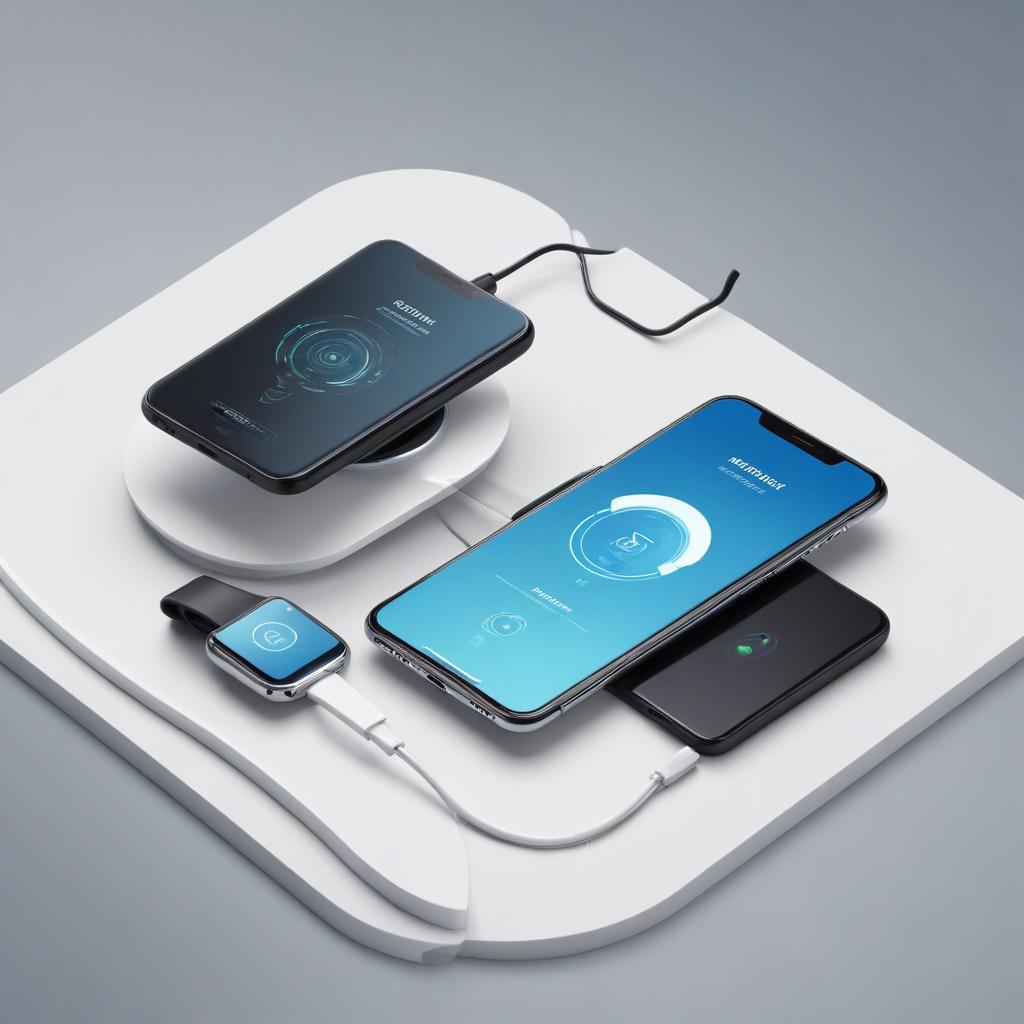
Why eSIM is key for future connectivity
08/03/2026
Understanding eSIM Technology
eSIM technology, also known as embedded SIM or digital SIM, represents a significant evolution in mobile connectivity. Unlike traditional SIM cards, which are physical chips that must be inserted into a device, eSIMs are built directly into the device’s hardware. This embedded nature allows for a more flexible and streamlined approach to mobile network access, eliminating the need to swap physical cards when changing carriers or plans.
Traditional SIM cards have been the standard for mobile connectivity for decades. They store user subscription information and authenticate devices to network operators. However, their physical form can be a limiting factor in device design, durability, and user convenience. In contrast, eSIM technology leverages a software-based solution that securely stores the SIM profile directly on the device. This digital approach enables users to switch between different mobile network operators without physically replacing the SIM card, enhancing user experience and offering unprecedented convenience.
The technical foundation of eSIM technology is defined by the GSMA (Global System for Mobile Communications Association), which establishes standards to ensure interoperability and security. An eSIM is a programmable SIM chip compliant with these standards, capable of downloading and managing multiple operator profiles remotely. This remote provisioning capability is a key innovation, allowing users to activate new mobile plans quickly and securely via over-the-air updates, without visiting a store or waiting for a physical SIM delivery.
In the context of mobile connectivity, eSIM technology fosters greater flexibility for consumers and device manufacturers alike. Devices equipped with embedded SIMs can support multiple mobile operators and plans, facilitating seamless global roaming and multi-network usage. This enhances mobile data accessibility for travelers and business users while opening new business models for network providers. Moreover, eSIMs contribute to slimmer device designs and improve device resilience by eliminating the SIM card slot, which can be a point of failure.
Overall, eSIM technology transforms the traditional SIM card concept into a versatile digital solution that drives the future of mobile connectivity. Its embedded and programmable nature ensures greater convenience, security, and operational efficiency, paving the way for smarter devices and more connected lifestyles.
How eSIM Works
The eSIM, or embedded SIM, revolutionizes traditional SIM card use by integrating the SIM functionality directly into the device hardware. Unlike physical SIM cards, eSIM functionality allows users to remotely provision their device with carrier profiles without needing to swap cards. This embedded SIM operation is controlled by software, enabling seamless management and activation of cellular plans.
One of the core advantages of the eSIM is its ability to handle multiple SIM profiles on a single device. Users can download and store several carrier profiles, switching between them effortlessly based on their location or preference. This flexibility simplifies travel and connectivity management, making it easier to maintain service across different networks without physical SIM changes.
Remote provisioning is a pivotal feature of eSIM functionality. It allows carriers to send SIM profiles over the air directly to the device, securely activating and managing service without user intervention or carrier visits. This process is both efficient and secure, relying on standardized protocols that ensure smooth profile delivery and activation.
Overall, the embedded SIM operation transforms mobile connectivity by offering dynamic, user-friendly, and space-saving solutions. Managing multiple carrier profiles on one device without physical limitations empowers users with greater control and future-proof connectivity options.
Advantages over Traditional SIM Cards
The advantages of eSIM technology over traditional SIM cards are numerous, making it a revolutionary step forward in digital connectivity. One of the most significant benefits is flexibility. Unlike physical SIM cards, which require manual insertion and swapping, eSIMs are embedded directly into devices. This digital SIM benefits users by allowing seamless switching between carriers without the need to physically change a card. This flexibility is particularly advantageous for frequent travelers or users who want to switch plans easily based on their usage or offers.
Another major advantage of eSIMs is their space-saving design. Traditional SIM card slots take up valuable internal device space, which manufacturers could otherwise use to enhance battery size, add more sensors, or make devices slimmer and more lightweight. By eliminating the need for a physical SIM tray, eSIM technology helps streamline device design and improve durability by reducing mechanical parts prone to damage.
Compared to traditional SIMs, the ease of switching carriers is a game-changer for consumers and businesses alike. With eSIMs, changing a network provider or managing multiple mobile plans is just a few taps away, without waiting for a new SIM card delivery or visiting carrier stores. This digital SIM benefit reduces hassle and makes telecom services more accessible and user-centric. Overall, the advantages of eSIM clearly position it as the future of mobile connectivity, eclipsing the limitations of traditional SIM cards with greater convenience, efficiency, and versatility.
Why eSIM is Essential for Future Connectivity
As the world becomes increasingly connected, the future of connectivity hinges on technologies that offer flexibility, security, and seamless integration. eSIM technology stands at the forefront of this evolution, poised to transform how devices communicate across various networks and geographies. Its pivotal role is especially evident when considering the expanding ecosystem of IoT devices, smart gadgets, and the growing demand for global mobile communications.
The primary eSIM benefits lie in its ability to simplify connectivity management. Unlike traditional SIM cards, which require physical swapping, eSIMs can be reprogrammed remotely. This capability allows devices to switch carriers or activate new plans without manual intervention, a feature that is crucial for global connectivity. Users traveling internationally or businesses deploying devices across borders can adapt effortlessly to local networks, reducing roaming costs and improving service reliability.
Moreover, the future connectivity landscape is being shaped by the explosion of IoT integration. Billions of IoT devices—from smart home systems to industrial sensors—require constant, dependable connections to function effectively. eSIMs meet this demand by enabling these devices to be connected from the factory or remotely managed without needing physical maintenance. This not only enhances operational efficiency but also supports scalable deployments in smart cities, agriculture, healthcare, and logistics.
Smart devices, including wearables, tablets, and laptops, also benefit from eSIM technology. As these devices become more capable and independent of smartphones, they require flexible, always-on connectivity. eSIM facilitates this by offering instant network access, multi-carrier support, and improved security features. These aspects are vital as consumers and enterprises demand uninterrupted, high-quality connections for both personal and professional use.
In conclusion, eSIM is key to unlocking the full potential of future connectivity. By streamlining connectivity management, fostering IoT integration, enhancing smart device capabilities, and enabling seamless global mobile communications, eSIM technology stands as the backbone for a hyper-connected world. As industries and consumers alike embrace digital transformation, eSIM will continue to drive innovation, offering a more connected, efficient, and secure future.
Enabling Seamless Global Roaming
eSIM technology revolutionizes global roaming by enabling seamless connectivity for travelers and international users. Traditionally, switching between carriers while traveling abroad required physically swapping SIM cards, a process that is often cumbersome and time-consuming. With eSIM, users can digitally switch between multiple mobile carriers without the need to handle physical SIM cards, making international eSIM use incredibly convenient and efficient.
This innovation offers the advantage of automatic carrier selection, allowing devices to connect effortlessly to local networks in various countries. As a result, users experience uninterrupted service and enhanced mobile data access without the hassle of visiting stores or purchasing multiple SIM cards. The flexibility of eSIM supports multiple profiles, meaning travelers can store several carrier plans and activate the one that best suits their current location, ensuring true seamless connectivity.
Furthermore, by eliminating the need for physical SIM swapping, eSIM reduces the risk of losing or damaging SIM cards, further enhancing user convenience. This technology not only simplifies the roaming process but also lowers costs associated with international travel by allowing users to easily compare and switch between competitive roaming plans. Overall, eSIM is key to enabling a fluid global roaming experience, transforming the way users stay connected across borders.
Supporting Internet of Things (IoT) Expansion
The rise of smart devices and connected ecosystems has made IoT connectivity an essential factor in shaping the future of technology. eSIM technology plays a pivotal role in this landscape by enabling massive IoT device connectivity with unparalleled flexibility and security. Unlike traditional SIM cards, eSIMs allow remote provisioning and management, eliminating the need for physical SIM replacements and enabling seamless updates to connectivity profiles at scale.
With eSIM IoT impact, businesses can deploy a wide array of smart devices across diverse applications, such as smart cities, healthcare monitoring, industrial automation, and vehicle telematics. eSIMs provide scalable profiles that support multiple network operators simultaneously, ensuring devices stay connected regardless of location or network changes. This adaptability is crucial for IoT solutions that require reliable, continuous connectivity to function effectively.
Security is another critical advantage of eSIMs in the IoT environment. The technology supports robust encryption and secure remote management, protecting devices and data from tampering or unauthorized access. By integrating eSIMs into their connected devices, companies can maintain control over their IoT infrastructure more efficiently, reducing operational costs and simplifying large-scale deployments. Ultimately, eSIM technology empowers the expansion of IoT by making connectivity smarter, safer, and more scalable.
Challenges and Future Developments in eSIM Technology
The widespread adoption of eSIM technology is poised to revolutionize mobile connectivity, yet several eSIM challenges must be addressed to unlock its full potential. One of the major hurdles lies in security issues. Because eSIMs enable remote provisioning of carrier profiles, they introduce new vectors for cyber threats. Protecting user data and ensuring secure authentication protocols remain critical concerns, necessitating continued advancements in encryption and security frameworks to build user trust and regulatory confidence.
Regulatory considerations further complicate the adoption landscape. Different regions enforce varied policies concerning telecommunications infrastructure and data privacy, which impact the deployment of eSIM solutions. Navigating this diverse regulatory environment is essential for both device manufacturers and service providers, requiring aligned standards and cooperation between governments, carriers, and technology stakeholders to facilitate smoother global integration of eSIM technology.
From a technology adoption perspective, resistance still exists among some consumers and enterprises reluctant to transition from traditional SIM cards. This inertia often stems from concerns about device compatibility, the complexity of switching carriers, and insufficient awareness of eSIM benefits. To overcome these barriers, industry education and a user-friendly interface for managing eSIM profiles are vital components to encourage broader acceptance.
Looking ahead, future eSIM trends are promising. Innovations such as integrated SIMs embedded directly into devices during manufacturing, enhanced remote management capabilities, and expanded support across IoT (Internet of Things) devices will play significant roles. These advancements aim to simplify connectivity, reduce reliance on physical components, and open new possibilities for seamless device-to-network interaction across multiple industries.
In conclusion, while eSIM technology faces notable challenges related to security, regulatory barriers, and adoption hesitance, ongoing developments and strategic collaborations pave the way for a connected future. Addressing these issues head-on and embracing emerging technology trends will ultimately facilitate the global shift towards eSIM-based connectivity, offering users greater flexibility, enhanced security, and improved digital experiences.
Security and Privacy Concerns
As eSIM technology continues to revolutionize connectivity, addressing eSIM security and privacy risks is paramount. Unlike traditional SIM cards, eSIMs are embedded directly in devices, making physical tampering nearly impossible but raising concerns about digital threats such as hacking, unauthorized access, and data interception. These challenges necessitate robust security frameworks to protect user data and maintain trust in this evolving technology.
One of the most effective methods to mitigate privacy risks is through advanced encryption techniques. Encryption ensures that communication between the device and the mobile network is secure, preventing unauthorized parties from accessing sensitive information. Additionally, secure key management systems embedded within the eSIM architecture safeguard authentication credentials against cyberattacks.
Beyond technical measures, compliance with regulatory standards plays a critical role in eSIM security. Regulatory frameworks mandate strict data protection policies, ensuring that service providers implement comprehensive privacy controls. For instance, many regions require operators to adhere to data minimization principles, transparency in data use, and user consent protocols to protect consumer privacy.
In summary, while eSIM technology introduces new security challenges, a combination of strong encryption and adherence to regulatory standards can effectively protect user privacy. As the technology matures, ongoing collaboration between manufacturers, network operators, and regulators will be essential to safeguard data and enable secure, seamless connectivity for all users.
Regulatory and Industry Adoption
The global rollout of eSIM technology faces a complex landscape shaped by regulatory hurdles and varying rates of industry adoption. eSIM regulation differs significantly across regions, with some countries maintaining stringent policies that slow market entry, while others adopt more progressive frameworks encouraging faster integration of eSIM capabilities. These regulatory environments impact how quickly telecom operators and device manufacturers can align their offerings with eSIM standards, influencing the pace of market readiness worldwide.
Industry adoption is gaining momentum as more stakeholders recognize the transformative potential of embedded SIMs. Telecom providers are gradually updating infrastructure to support remote SIM provisioning, which is pivotal for unlocking seamless device connectivity and enhancing user experiences. Market readiness hinges on collaborative efforts between regulators, manufacturers, and carriers, driving the standardization of protocols and addressing concerns around security and interoperability. This cooperation accelerates the eSIM adoption curve by minimizing technological and legal barriers.
Factors influencing the accelerated rollout include increasing consumer demand for flexible, multi-device connectivity, the rise of IoT applications requiring reliable and scalable remote SIM management, and regulatory bodies updating policies to embrace digital SIM solutions. As these drivers converge, the industry is poised for broader eSIM integration, promising improved connectivity and innovative service models across sectors. Overall, regulatory clarity and proactive industry adoption are essential for unlocking the full benefits of the eSIM revolution on a global scale.

I’m a lifelong traveler who fell in love with the freedom that eSIM technology offers. Exploring new places while staying seamlessly connected has become my personal mission, and I love sharing practical tips on managing mobile data abroad. When I’m not testing the latest eSIM platforms, I’m mapping out the next adventure.