Factors to consider before buying eSIM
18/02/2026
Understanding eSIM Technology
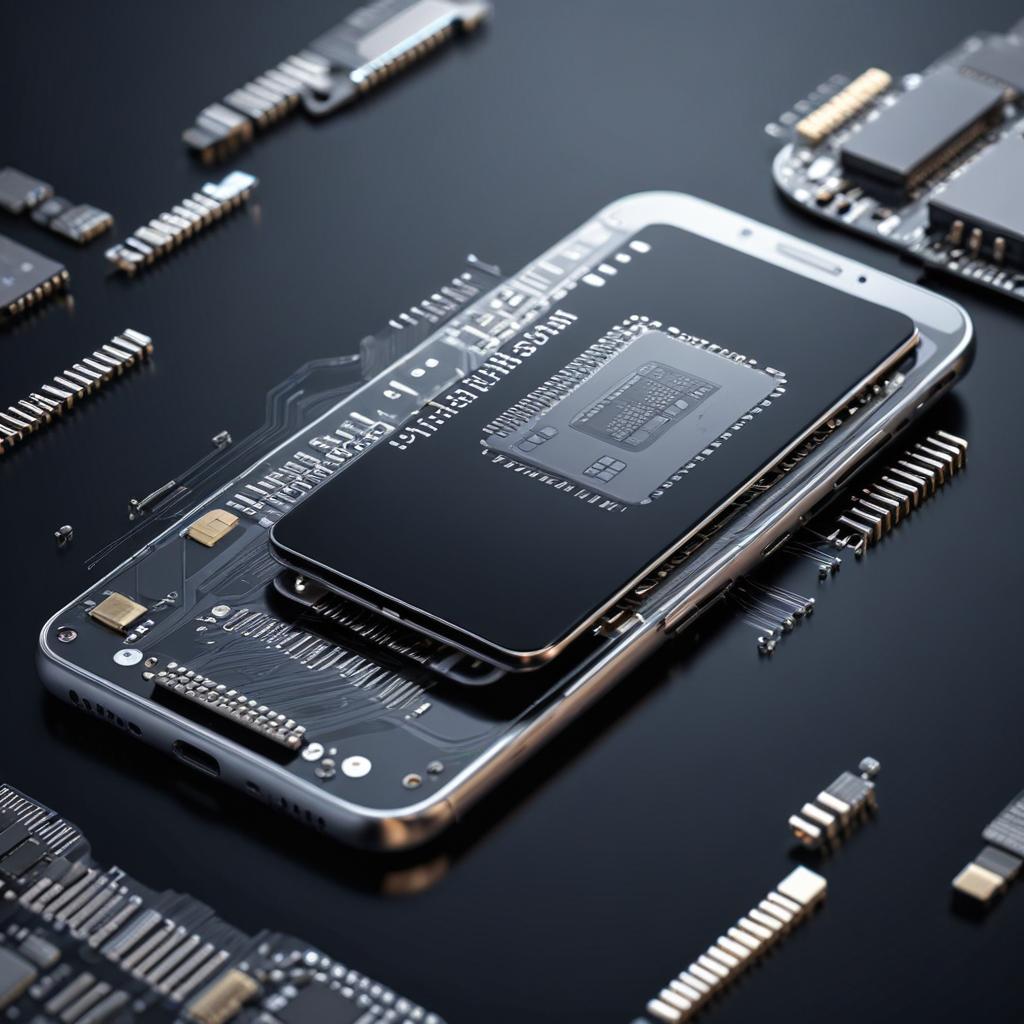
eSIM technology, also known as embedded SIM or digital SIM, represents a significant advancement over traditional physical SIM cards. Unlike conventional SIM cards that are removable and require physical insertion into a device, an embedded SIM is built directly into the device’s hardware. This digital SIM enables users to activate a cellular plan without the need for a physical card, offering unparalleled convenience and flexibility in managing mobile connectivity.
The core of eSIM technology lies in its integration within the device itself. Embedded SIMs come pre-installed during manufacturing, and their profiles can be remotely programmed and updated by mobile network operators. This means that rather than swapping SIM cards to change plans or carriers, users can simply download and activate new profiles over the air. The digital SIM streamlines the process of switching between networks, facilitating seamless global roaming and multi-network usage without hassle.
Understanding eSIM basics highlights several key advantages over traditional SIM cards. Firstly, eSIM technology frees up physical space inside devices by eliminating the SIM card slot, enabling manufacturers to build smaller, lighter, and more durable products. Secondly, it enhances device security, as the embedded SIM is less susceptible to tampering or loss compared to removable cards. Additionally, managing multiple profiles on a single eSIM allows users to consolidate personal and business numbers or multiple carriers on one device, offering greater flexibility and ease of use.
Moreover, eSIM technology supports remote provisioning and management, which is particularly beneficial for Internet of Things (IoT) devices and smartwatches. These devices often require mobile connectivity but cannot accommodate traditional SIM cards due to size constraints or environmental factors. The digital SIM makes it possible for a wide range of devices to stay connected efficiently and reliably without physical SIM replacements.
In summary, embedded SIMs or eSIMs offer a modern alternative to traditional SIM cards by embedding the SIM inside the device, enabling remote management, and supporting multiple profiles. This innovative eSIM technology fosters enhanced convenience, flexibility, and security, marking an important step forward in mobile connectivity.
Difference Between eSIM and Traditional SIM
The debate of eSIM vs SIM often centers on the fundamental differences between these two types of SIM cards. A traditional SIM, also known as a physical SIM, is a small, removable card that stores your mobile subscription information. It requires manual insertion into your device, which means you need to physically swap SIM cards if you change carriers or plans. In contrast, an eSIM is embedded directly into your device, eliminating the need for a physical card altogether.
When it comes to form factor, traditional SIM cards come in various sizes such as standard, micro, and nano SIMs, while the eSIM is a tiny chip soldered inside your phone or device. This embedded form factor enables significant space-saving benefits in modern smartphones and other connected devices.
Activation is where the SIM comparison truly highlights the eSIM benefits. Unlike traditional SIMs that require you to obtain a physical card from your carrier and insert it manually, eSIM activation is done digitally. You can download your carrier’s profile directly to your device via a QR code or an app, making switching carriers or plans faster and more convenient without visiting a store or waiting for delivery.
Flexibility is another major advantage of eSIMs. They allow users to store multiple profiles on one device and switch between them seamlessly. This is especially useful for travelers who want local data plans without swapping SIM cards. By comparison, traditional SIMs are limited to a single profile per card, requiring physical replacement to change networks.
Compatibility with Devices
When considering an eSIM, it’s essential to verify your device compatibility. eSIM technology is supported by a growing number of smartphones, tablets, and other connected devices, but not all models have this feature. Many recent flagship smartphones from major brands like Apple, Samsung, and Google come equipped with eSIM functionality. For instance, the latest iPhone models and some Samsung Galaxy devices support eSIM alongside traditional SIM cards.
Beyond smartphones, some tablets and wearable devices also support eSIM, enabling users to stay connected without needing a physical SIM card. Device compatibility is crucial because an eSIM will not work if your device does not have the hardware and software support for it. Therefore, before purchasing an eSIM, check whether your device is listed among the eSIM supported devices by the manufacturer or your mobile carrier.
To check device compatibility, you can visit the official website of your smartphone or tablet brand and look for information about eSIM support. Additionally, mobile carriers often provide lists of compatible devices on their websites. Another quick method is to check your device settings for an option related to cellular plans or eSIM. Ensuring device compatibility will help you enjoy the benefits of eSIM technology without any connectivity issues.
Factors to Consider Before Buying an eSIM
When buying an eSIM, there are several critical factors to consider to ensure you make the right choice that fits your needs. Understanding these eSIM factors can help you avoid common pitfalls and guarantee a smooth experience with your digital SIM. Here are the main considerations to keep in mind before making your eSIM purchase.
First and foremost, network support is a key consideration. Not all carriers and devices support eSIM technology, so verifying compatibility is essential. Check if your smartphone, tablet, or smartwatch supports eSIM functionalities and confirm that your chosen carrier offers eSIM activation. The availability of reliable network coverage is equally important, especially if you travel frequently or rely on your device for uninterrupted connectivity.
Pricing is another major factor to take into account. eSIM prices can vary widely depending on the carrier, region, and the data or voice plans included. It’s wise to compare different packages, considering costs such as activation fees, monthly charges, and any roaming fees associated with international travel. Sometimes the convenience of an eSIM justifies a slightly higher price, but it’s important to weigh the features you get in return.
Features offered by the eSIM and carrier should also influence your decision. Some eSIM plans come with added benefits like easy switching between multiple carriers, multiple profiles on a single device, and simplified management through apps. Additionally, ensure that customer support and user interface for eSIM management are user-friendly, as a smooth experience will enhance your overall satisfaction.
Lastly, consider any specific needs you may have based on usage patterns. For instance, those who travel internationally might prioritize plans that offer global coverage or flexible short-term subscriptions. Others might look for high data allowances or integration with other connected devices. By factoring in these considerations, you’ll be well-equipped to select the best eSIM that aligns with your lifestyle and budget.
In summary, when buying an eSIM, carefully evaluate network support, pricing, and features to make an informed decision. Paying close attention to these eSIM factors will help you enjoy the full benefits of this innovative technology without unexpected issues. Keep these eSIM purchase tips in mind, and you’ll be ready to embrace the future of mobile connectivity confidently.
Network Compatibility and Coverage
When considering an eSIM, one of the most critical factors is network compatibility and coverage. Ensuring that your eSIM is supported by your carrier is essential because not all carriers offer eSIM services yet. Without proper carrier support, your eSIM might not activate or function correctly, rendering it useless. It’s important to check with your mobile provider if they support eSIMs and the specific devices compatible with their eSIM networks.
Coverage is equally vital. Even if your carrier supports eSIM, the effectiveness of your mobile connection depends on the network coverage available in your area. Good coverage means stronger signals, faster data speeds, and fewer dropped calls. Before purchasing an eSIM plan, verify the network coverage maps of your carrier to ensure reliable service wherever you plan to use your device. This is particularly important if you live in rural or remote areas where coverage can be limited.
Network compatibility and coverage go hand in hand to provide a seamless mobile experience with eSIM. Understanding these aspects will save you from connectivity issues and unexpected service interruptions. Always prioritize carrier support and evaluate coverage quality to make the most of your eSIM networks.
Pricing and Plans
When considering eSIM pricing, it’s important to understand the various data plans and subscription options available. Unlike traditional SIM cards, eSIMs often come with flexible pricing models that can better suit the dynamic needs of users. Some providers offer pay-as-you-go plans, which allow users to purchase data based on usage, while others provide monthly or annual subscriptions with fixed data allowances. This flexibility is a significant advantage for users who want to avoid long-term commitments or pay only for the data they need.
Data plans for eSIMs can range from small packages suitable for occasional travelers to larger plans designed for heavy data users. Many eSIM services bundle data with voice and text options, offering a comprehensive communication package at a competitive cost. Additionally, users can switch between multiple plans or providers without physically changing SIM cards, which can lead to cost savings by selecting the most affordable or region-specific plans.
One of the key cost benefits of choosing an eSIM over traditional SIM cards is the elimination of roaming charges in many cases. With eSIMs, users can activate local plans while traveling, substantially reducing international roaming fees. Furthermore, the administrative costs associated with managing physical SIM issuance and shipping are reduced with eSIM technology, often reflecting lower prices passed on to consumers.
In summary, eSIM pricing and subscription options provide a modern, cost-effective alternative to traditional SIM cards. Their flexible data plans, potential for reduced roaming costs, and convenience make them an attractive choice for users seeking efficient and affordable mobile connectivity.
Ease of Activation and Management
Activating an eSIM is designed to enhance user experience by offering a quick and seamless setup process. The activation process typically involves scanning a QR code provided by your carrier or manually entering an activation code in your device’s settings. This digital setup eliminates the need for physical SIM cards, simplifying initial activation.
- First, access your device’s cellular or mobile network settings.
- Select the option to add a cellular plan or eSIM.
- Scan the QR code supplied by your carrier or enter the activation code manually.
- Follow the on-screen instructions to confirm and activate the eSIM.
- Once activated, the eSIM is ready for use without additional hardware.
Managing multiple eSIM plans is straightforward and user-friendly. Most modern devices allow easy toggling between plans directly from the settings menu, making switching carriers or data plans a matter of a few taps. This flexibility is ideal for travelers or those who want to separate work and personal numbers.
Overall, the activation process and eSIM management improve the user experience by providing an efficient setup and simplified digital control over mobile plans, eliminating the hassle of physical SIM replacements and enabling instant plan changes.
Potential Limitations and Drawbacks
While eSIM technology offers numerous advantages, it is important to consider some potential limitations and drawbacks before fully committing to it. Users may encounter certain issues that could affect their overall experience, especially if they are not fully aware of these challenges beforehand.
One of the primary eSIM limitations is device compatibility. Not all smartphones, tablets, or wearable devices currently support eSIM functionality. Many older models or budget-friendly devices do not have the necessary hardware to utilize an eSIM, which restricts the technology’s universal adoption. Users with unsupported devices will have to rely on traditional physical SIM cards, thus missing out on the convenience benefits that eSIM offers.
Another significant drawback is the limited carrier support. Although eSIM technology is growing rapidly, many mobile carriers around the world still do not fully support eSIM activation or services. This can lead to difficulties in switching carriers or plans without changing the physical SIM card, especially in regions where the infrastructure for eSIM deployment is underdeveloped. Limited carrier partnerships can restrict network selection and competitive pricing options for users.
Furthermore, there are potential issues related to the activation processes. Some carriers require in-person verification or complex online setups for eSIM activation, which could be inconvenient. Problems with activation can result in delayed connectivity or service interruptions, particularly for users who are traveling or need immediate network access.
Security concerns also arise with eSIMs. While generally secure, the digital nature of eSIMs introduces risks related to hacking or unauthorized remote provisioning. Users must ensure that their devices are protected with strong passwords and security protocols to prevent illegal SIM swapping or access to their mobile identity.
Lastly, troubleshooting and customer support can be more complicated. When users face issues with traditional SIM cards, it is often easier to physically swap or inspect the card. Digital eSIM problems may require more advanced technical support, which might not be readily available or straightforward, especially for less tech-savvy users.
In summary, while eSIM technology brings innovative benefits, it is crucial to weigh these eSIM limitations, potential problems, and drawbacks. Considering device restrictions, limited carrier support, activation challenges, security concerns, and customer service complexities helps users make informed decisions about adopting eSIM technology.
Limited Carrier Support
When considering the adoption of eSIM technology, it is crucial to understand that carrier limitations can significantly affect your experience. Not all mobile carriers fully support eSIM functionality, and some may impose strict restrictions on activation and usage. These limitations often stem from network support policies and technological readiness.
Many carriers around the world are still in the process of upgrading their infrastructure to accommodate eSIMs seamlessly. As a result, the availability of eSIM services can vary widely depending on your carrier and geographic location. Some carriers may only allow eSIM activation on select devices or require you to visit a physical store for setup, which can be inconvenient.
Additionally, certain carriers may restrict the ability to switch between eSIM profiles or limit the number of eSIMs you can use on a single device. These eSIM restrictions can hinder the flexibility and convenience that eSIM technology aims to provide. It’s important to check with your carrier about their specific policies and network support to avoid unexpected issues.
In summary, while eSIM technology offers promising benefits, carrier limitations and inconsistent network support remain significant factors to consider before purchasing an eSIM. Proper research about the availability and restrictions imposed by your carrier can help ensure a smoother transition and optimal use of eSIM services.
Device Lock and Compatibility Issues
When considering the purchase of an eSIM, it’s crucial to be aware of potential device lock and compatibility problems. Devices that are locked to a specific carrier may not allow you to use an eSIM from a different provider, limiting your options and causing frustration. Locked devices restrict activation to the carrier they are tied to, meaning you won’t be able to switch eSIM plans freely or take full advantage of eSIM technology.
Compatibility problems can also arise if your device does not fully support eSIM functionality. Not all smartphones, tablets, or smartwatches are designed to work seamlessly with eSIM technology. Some models may have limited eSIM support or may require software updates to enable eSIM features. These limitations can lead to connection issues, inability to activate multiple plans, or complete failure to recognize the eSIM profile.
Understanding your device’s lock status and compatibility is essential to avoid common eSIM issues. Always check with your device manufacturer and carrier to confirm that your device supports eSIM and is unlocked for use with different networks. Ignoring these factors can result in a poor user experience and restrict the flexibility that eSIMs are designed to offer.

I’m a lifelong traveler who fell in love with the freedom that eSIM technology offers. Exploring new places while staying seamlessly connected has become my personal mission, and I love sharing practical tips on managing mobile data abroad. When I’m not testing the latest eSIM platforms, I’m mapping out the next adventure.