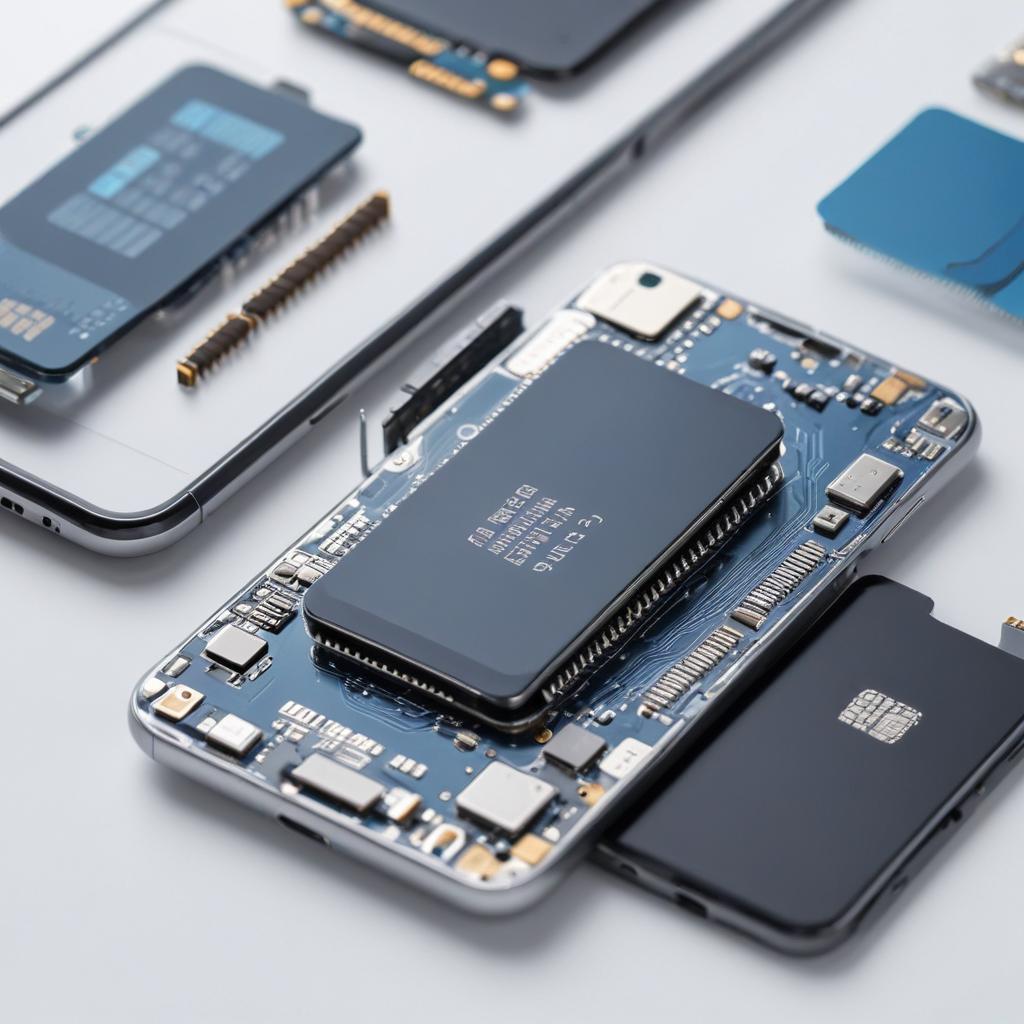
How eSIM supports device flexibility
17/01/2026
Introduction to eSIM Technology
eSIM technology, or embedded SIM, represents a significant evolution in how devices connect to mobile networks. Unlike traditional SIM cards, which are physical chips that users insert into their phones or other devices, eSIMs are embedded directly into the device’s hardware. This integration allows for a more streamlined and flexible approach to device connectivity.
The basic functionality of eSIM technology centers around its ability to digitally provision and manage mobile network profiles without the need to swap physical cards. When using an eSIM, a device can store multiple carrier profiles and switch between mobile networks seamlessly, enhancing the user experience. This capability is especially valuable for those who travel frequently or use devices in different network environments.
Traditional SIM cards are limited by their physical nature. They require manual insertion and removal, which can be inconvenient and restricts the ease with which users can change carriers or plans. In contrast, with embedded SIM technology, switching network providers or updating service plans can be done remotely through software updates, without any physical interaction. This leads to increased convenience and speeds up the process of activating new services.
The embedded SIM is particularly relevant to modern devices such as smartphones, tablets, laptops, smartwatches, and even connected cars and IoT devices. Its small size and ability to be integrated directly into devices help manufacturers design thinner, more compact products. Furthermore, eSIM technology supports enhanced security measures and better reliability compared to traditional SIM cards, as it eliminates the risk of physical damage or loss.
In summary, eSIM technology marks a pivotal advancement in device connectivity. By replacing traditional SIM cards with embedded SIM solutions, users gain greater flexibility and control over their mobile network connections, ensuring that modern devices remain versatile and future-proof in an increasingly connected world.
How eSIM Works
The eSIM functionality revolutionizes mobile connectivity by enabling SIM activation and management without the need for physical SIM card swaps. Unlike traditional SIM cards, an eSIM is embedded directly into the device hardware and supports remote provisioning of mobile profiles. This process begins with the remote download of a SIM profile, which is securely transmitted and stored within the eSIM element. The profile contains the necessary carrier information and credentials for network access.
Once the mobile profile is downloaded, the device can activate cellular service by authenticating with the mobile network provider, all without inserting or changing a physical SIM card. This remote SIM profile download and activation streamline user experience by eliminating the physical constraints of SIM cards and facilitating instant carrier switching or plan adjustments. Additionally, the eSIM functionality allows users to store multiple profiles on one device and switch between them through software interfaces.
Management of eSIM profiles is handled remotely by carriers through secure over-the-air (OTA) updates, enabling seamless updates, profile deletions, or new activations at any time. This innovative approach enhances device flexibility, supports multiple subscriptions, and future-proofs connectivity in an increasingly digital and mobile world.
Differences Between eSIM and Traditional SIM
The comparison of eSIM vs SIM highlights several key advantages that eSIM technology brings over traditional physical SIM cards. One of the most noticeable differences is the size; while a physical SIM card is a removable plastic chip, an eSIM is an embedded SIM integrated directly into the device’s motherboard. This makes eSIMs significantly smaller, freeing up internal space for other components or allowing devices to be more compact and lightweight.
In terms of SIM flexibility, eSIMs offer unparalleled convenience for users. Unlike physical SIM cards which require manual insertion, removal, or swapping, eSIMs can be remotely programmed and activated by carriers. This eliminates the need to handle tiny cards, reducing the chance of damage or loss. Users can easily switch between multiple carriers and plans on a single device without needing to physically change the SIM card, enhancing the overall user experience.
Embedded SIM benefits also extend to improved durability and security, as the eSIM is soldered inside the device, making it less prone to tampering or mechanical failure. This embedded nature supports faster device activation processes and greater control over mobile subscriptions. With eSIM technology, users gain greater freedom and efficiency in managing their cellular service, making it a strong evolution from traditional SIM cards.
–>Enhancing Device Flexibility with eSIM
eSIM technology is revolutionizing the way users experience device flexibility by making network switching seamless and supporting multiple devices effortlessly. Unlike traditional SIM cards, eSIMs are embedded directly into devices, allowing users to activate network plans without the need for physical cards. This capability significantly enhances device flexibility, offering a new level of convenience and adaptability.
One of the key advantages of eSIM technology is the ease of switching carriers. With eSIM, users can change their network provider or plan with just a few taps on their device. This eliminates the hassle of purchasing, inserting, or swapping physical SIM cards, streamlining the entire process of network switching. Whether traveling internationally or seeking a better deal from a local carrier, users gain more control over their connectivity options without being tied down to a single network.
Moreover, eSIM enables multi-device support, which is especially beneficial for users owning multiple gadgets such as smartphones, tablets, laptops, and wearables. Instead of managing separate SIM cards for each device, users can link several devices to one eSIM profile or manage different profiles on a single eSIM. This unified approach improves overall device flexibility by simplifying connectivity management across various devices, making it easier to stay online without interruption.
Additionally, eSIM expands the range of connectivity options available. By supporting multiple network profiles, it allows users to access different carriers for different uses, such as personal and business communications, or data-heavy tasks and casual browsing. This versatility enhances the user experience by providing optimized connectivity tailored to specific needs, further driving the value of device flexibility.
In summary, eSIM technology is a powerful enabler of device flexibility. It facilitates smooth network switching, supports multiple devices with a single embedded SIM, and broadens connectivity options. For consumers and businesses alike, eSIM is paving the way for a more adaptable and convenient mobile experience, tailored to the dynamic demands of modern connectivity.
Seamless Carrier Switching and Multiple Profiles
The eSIM technology revolutionizes network management by allowing users to store multiple carrier profiles directly on their device without the need for physical SIM cards. This capability enables seamless carrier switching, giving users the freedom to switch between different operators effortlessly based on their preferences or needs. For frequent travelers, this means they can easily switch to local carriers to avoid exorbitant roaming charges, enhancing convenience and reducing costs.
With multiple eSIM profiles stored on a single device, users no longer have to carry multiple SIM cards or go through the hassle of physically swapping them. Instead, they can select the desired carrier profile through simple device settings, often with just a few taps. This flexibility benefits not only travel roaming but also everyday network management, as users can choose the best carrier for coverage, pricing, or data plans in different locations.
Furthermore, this seamless carrier switching capability supports the evolving needs of modern users who demand uninterrupted connectivity and flexibility. Whether switching between work and personal numbers or choosing a temporary plan while abroad, managing multiple eSIM profiles empowers users with unparalleled convenience and control over their mobile experience.
Supporting Various Device Types
The integration of eSIM technology has revolutionized device flexibility by enabling seamless connectivity across a diverse array of devices. From smartphones and tablets to wearables and IoT devices, eSIM supports multiple device categories with unmatched versatility. This embedded SIM management allows users to switch carriers and manage plans without the need to physically change SIM cards, enhancing convenience and adaptability across device types.
| Device Category | Benefits of eSIM | Examples |
|---|---|---|
| Smartphones | Dual SIM capabilities and simplified carrier switching | Latest iPhone, Google Pixel |
| Tablets | Effortless mobile data connectivity on the go | iPad, Samsung Galaxy Tab |
| Wearables | Compact design without physical SIM slot; always-connected experience | Smartwatches, fitness trackers |
| IoT Devices | Reliable, remote provisioning for diverse applications | Smart meters, connected cars, industrial sensors |
With eSIM, users experience enhanced flexibility irrespective of device type. Smartphones and tablets benefit from easy carrier changes and global roaming, wearables gain from reduced hardware constraints, and IoT devices achieve streamlined connectivity management. This technology paves the way for a more connected and adaptable digital experience, supporting the evolving landscape of mobile and connected devices worldwide.
Benefits and Challenges of eSIM for Users and Manufacturers
The adoption of eSIM technology brings numerous benefits and challenges for both users and manufacturers. For users, one of the main eSIM benefits is enhanced convenience and flexibility. Unlike traditional SIM cards, eSIMs eliminate the need for physical cards, allowing users to switch carriers or plans directly through software. This seamless user experience significantly simplifies managing multiple profiles, especially for frequent travelers who can easily connect to local networks without swapping SIM cards.
Moreover, eSIMs contribute to improved device design and durability, as manufacturers can save internal space previously occupied by SIM card slots, enabling sleeker and more compact devices. This manufacturing impact also extends to production efficiency, as the elimination of physical SIM components reduces material costs and streamlines assembly processes.
From a security standpoint, eSIMs offer enhanced protection through built-in encryption and remote provisioning capabilities. These security considerations make it harder for unauthorized users to tamper with mobile subscriptions, adding an extra layer of protection against SIM swapping and fraud.
However, these benefits do not come without challenges. Users may face difficulties related to compatibility issues, as not all carriers or devices currently support eSIM technology. Additionally, managing eSIM profiles can be less intuitive for less tech-savvy users, potentially impacting the overall user experience negatively.
Manufacturers, on the other hand, must navigate complex regulatory requirements and standards in different regions, which can slow down eSIM adoption. They also face initial implementation costs linked to developing new hardware and software systems to support embedded SIM management. Furthermore, manufacturers must maintain rigorous security protocols to prevent breaches and ensure data privacy, adding to development and maintenance challenges.
In conclusion, while eSIM technology presents clear advantages in terms of user convenience, device innovation, and enhanced security, both users and manufacturers must address certain hurdles. As eSIM adoption grows and ecosystems mature, the balance of these benefits and challenges will shape the future of mobile connectivity.
User Experience Advantages
eSIM technology significantly enhances user experience by streamlining the activation process. Unlike traditional SIM cards that require physical insertion and sometimes a visit to a store, eSIMs enable instant activation directly on the device, offering unmatched ease of use. Users can switch carriers or plans through simple digital steps without the hassle of swapping physical cards.
Another key advantage is enhanced device portability. eSIMs allow users to maintain multiple profiles on one device, enabling seamless switching between different mobile plans depending on their location or needs. This flexibility is particularly beneficial for travelers who can easily switch to local carriers to avoid roaming fees, thus making the device far more adaptable to different environments.
Customer convenience is further improved by the easier management of mobile plans. Through user-friendly interfaces, customers can monitor data usage, activate or deactivate plans, and update profiles without any physical interaction with SIM cards. This integrated approach reduces waiting times, simplifies mobile plan management, and offers a more responsive and satisfying user experience overall.
Manufacturing and Security Implications
The integration of eSIM technology significantly transforms device manufacturing by simplifying the production process and reducing the need for physical SIM card slots. This allows manufacturers to design more compact and flexible devices, enhancing durability and creating new possibilities for sleek form factors. However, these advancements also introduce new challenges in terms of security risks. With eSIMs embedded directly into devices, robust encryption methods become essential to safeguard user data and prevent unauthorized access or misuse.
Manufacturers must implement stringent security protocols throughout the device lifecycle. This includes secure key storage within the eSIM, encryption of communication between the device and the carrier, and secure handling of profile downloading and management. These measures help mitigate threats such as SIM swapping, cloning, and interception of sensitive data. Additionally, adherence to regulatory compliance standards is crucial to ensure user privacy and data protection obligations are met globally.
Furthermore, the shift to eSIM demands close collaboration between manufacturers, network operators, and regulatory bodies to establish unified security frameworks. This cooperation ensures that devices not only comply with local regulations but also maintain interoperability and security integrity across international markets. In summary, while eSIM enables greater device manufacturing flexibility, it necessitates advanced security measures and rigorous regulatory compliance to protect user data and uphold trust in connected devices.

I’m a lifelong traveler who fell in love with the freedom that eSIM technology offers. Exploring new places while staying seamlessly connected has become my personal mission, and I love sharing practical tips on managing mobile data abroad. When I’m not testing the latest eSIM platforms, I’m mapping out the next adventure.