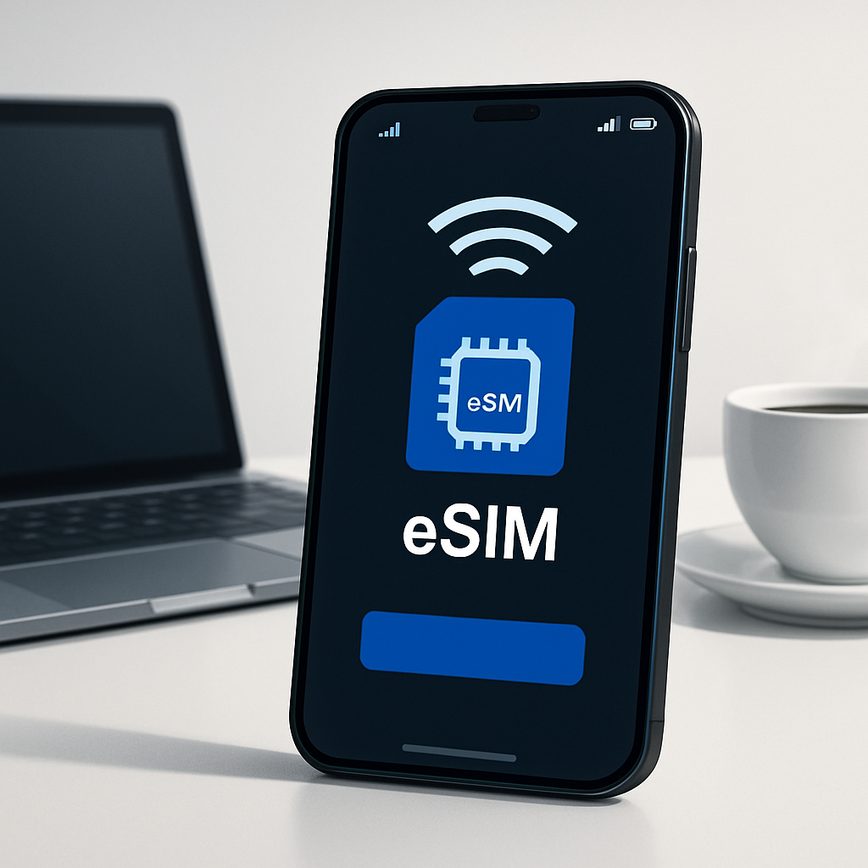
How eSIM helps reduce device setup time
27/05/2026
Understanding eSIM Technology
eSIM, short for embedded SIM or digital SIM, represents a significant advancement in mobile technology. Unlike traditional SIM cards that are physical, removable chips inserted into a device, an eSIM is a small chip embedded directly into the device’s motherboard. This technology allows users to activate a cellular plan without having to physically swap SIM cards, offering greater convenience and flexibility.
The primary difference between an eSIM and a traditional SIM card lies in their form and functionality. Traditional SIM cards require manual insertion and replacement, which can be time-consuming and prone to damage or loss. On the other hand, eSIM technology eliminates the need for a physical card, as the SIM profile is downloaded and activated digitally. This not only speeds up the setup process but also reduces the reliance on physical SIM cards, making devices slimmer and more resistant to elements like dust and moisture.
Key features of eSIM relevant to device setup include instant provisioning and remote management. With an eSIM, users can switch carriers, plans, or even use multiple profiles on a single device without visiting a carrier store or waiting for physical SIM delivery. This capability dramatically reduces setup time, especially for travelers and enterprise users who require quick and seamless network connectivity. Additionally, because the eSIM is embedded, it offers improved security against SIM swap fraud and tampering.
Furthermore, eSIM technology simplifies device manufacturing and logistics. Manufacturers can ship devices internationally without preloading specific carrier SIM cards, enabling end-users to choose or change carriers effortlessly. This digital SIM approach aligns well with the growing trend of connected devices and the Internet of Things (IoT), where managing multiple device connections remotely is essential.
In summary, eSIM technology is a modern evolution of the traditional SIM card that enhances mobile technology by embedding the SIM directly into devices. Its digital nature allows for faster, more flexible device setup, smarter carrier management, and better security, making it a key enabler for the future of mobile connectivity.
Difference Between eSIM and Physical SIM
The main difference between eSIM and traditional physical SIM cards lies in their form and setup process, which significantly impacts device installation time. A physical SIM requires a tangible card that must be inserted into the device manually. This process can be time-consuming and prone to errors, such as improper insertion, card damage, or lost SIMs. In contrast, an eSIM is a digital SIM embedded directly into the device’s hardware, eliminating the need for physical handling.
Regarding installation and setup, the digital SIM benefits are clear. With an eSIM, users can download the SIM profile wirelessly from their carrier, enabling instant activation without visiting a store or waiting for a card to arrive. This streamlined process enhances convenience and reduces setup time dramatically. Moreover, managing multiple profiles on one eSIM offers flexibility that physical SIM limitations cannot match. Users can switch carriers or plans without swapping cards, saving further time and hassle.
In summary, the eSIM vs SIM comparison highlights a shift toward efficiency and user-friendly operation. The physical SIM limitations, such as dependency on physical cards and manual installation, make setting up devices slower and more cumbersome. The digital SIM benefits focus on seamless connectivity, quick activation, and simplified carrier management, all contributing to a faster and smarter device setup experience.
How eSIM Works in Devices
The eSIM operation inside devices is a seamless integration of hardware and software designed to simplify mobile connectivity. Unlike traditional SIM cards, the eSIM is an embedded chip soldered directly onto the device’s motherboard. This chip securely stores multiple carrier profiles, enabling users to switch networks without swapping physical cards. The integration of the eSIM enhances device design by reducing internal space and improving durability, as there is no need for a SIM card slot.
The activation process for setting up mobile service with an eSIM is both quick and user-friendly. When a user chooses a carrier, the device downloads the carrier’s profile over the air through a secure connection. This eliminates the need for manual SIM card insertion or visiting a physical store. The device then automatically configures network settings, streamlining the activation and reducing setup time significantly. This process can often be completed within minutes, providing instant access to mobile data and voice services.
Moreover, the eSIM operation supports multiple profiles, making it ideal for travelers or users who maintain separate personal and professional numbers. Device integration with eSIM technology also allows remote management of carrier profiles, facilitating easier updates or changes to the activation process without user intervention. This not only improves convenience but also contributes to a more flexible and efficient mobile experience.
Ways eSIM Reduces Device Setup Time
eSIM technology offers several specific methods that significantly reduce setup time compared to traditional SIM cards. One of the main advantages is quick activation. Unlike physical SIMs that require manual installation and careful handling, eSIMs can be activated instantly via a simple download process. This eliminates the waiting time involved in receiving and inserting a physical card.
Another method through which eSIMs speed up device provisioning is their ability to manage multiple profiles digitally. Users no longer need to swap SIM cards when changing carriers or plans; instead, they can quickly switch profiles on the device, making the setup process seamless and much faster. This is especially beneficial for travelers and multi-network users who require swift connectivity.
The eSIM speed advantage also comes from the elimination of physical logistics. Traditional SIM cards involve manufacturing, shipping, and in-store pickup or delivery, all of which add to the overall setup time. With eSIMs, everything is done electronically, allowing users to connect to a network as soon as they turn on their device and scan a QR code or download a profile from the carrier.
Additionally, device provisioning is streamlined because carriers can remotely configure the eSIM at any time, even after the initial setup. This remote configuration means that updates or new service activations can happen automatically and instantly, reducing the need for users to visit a store or wait for customer support assistance.
Overall, eSIM technology’s quick activation, digital profile management, reduced logistical needs, and remote provisioning combine to drastically reduce setup time. This enhanced efficiency not only improves the user experience but also supports faster access to mobile services, showcasing how eSIMs are revolutionizing traditional device setup processes.
Eliminating Physical SIM Card Installation
Removing the need for a physical SIM card significantly streamlines the device setup process. With eSIM technology, there is no longer a requirement to handle tiny, fragile SIM cards or worry about fitting them correctly into the device. This eradication of physical components eliminates common delays caused by misplaced or damaged SIM cards, making setup faster and more efficient.
Direct activation through eSIM enables users to instantly connect to their mobile network without waiting for a physical SIM card to be shipped or installed. This immediate activation capability results in substantial time savings, especially for users who need to switch carriers or set up new devices on the go. The convenience of skipping the physical installation step means users can get their devices up and running almost immediately.
Moreover, setup convenience is greatly enhanced as the entire process can be controlled digitally through the device’s settings menu. This eliminates the need for trips to retail stores or complicated manual SIM swaps. Consequently, eSIM technology reduces friction in device activation and setup, allowing consumers to enjoy a smoother, quicker, and more seamless experience straight out of the box.
Instant Carrier Profile Download
One of the standout benefits of eSIM technology is the instant download of carrier profiles, which significantly streamlines the device setup process. Traditional SIM cards require physical insertion and sometimes manual configuration, which can be time-consuming and prone to errors. With eSIM, the carrier profiles are downloaded remotely and securely, eliminating the need for physical SIM swaps. This process, known as remote provisioning, allows users to activate cellular service almost immediately after unboxing their device.
The remote provisioning capability means that carrier profiles are delivered over-the-air, directly to the device. This instant download not only saves time but also reduces friction during onboarding, as users simply select their preferred carrier from a menu, and the corresponding profile is installed without additional steps. This seamless integration of carrier profiles is especially useful for travelers or those who switch carriers frequently, as it removes the dependence on physical SIM cards and in-store visits.
By simplifying carrier profile management, eSIM enhances user convenience and accelerates the overall device setup experience. This innovative approach supports multiple carrier profiles on a single device, giving users flexibility and control. Ultimately, the instant download of carrier profiles enabled by remote provisioning stands as a key factor in reducing setup time and improving customer satisfaction in today’s connected world.
Simplified Multi-Carrier Switching
One of the standout advantages of eSIM technology is its support for multi-carrier functionality, which allows users to switch between carriers with unprecedented ease. Traditional SIM cards require physically swapping the card when changing providers or plans, which can be time-consuming and cumbersome. In contrast, eSIM enables easy switching directly through the device’s software interface. This flexibility means users can activate or deactivate carriers without ever needing to open their device or handle physical SIMs.
This seamless process significantly speeds up transitions between carriers or plans, making device setup much more efficient. Whether you’re traveling internationally and need to switch to a local carrier for better rates or want to quickly change your data plan without visiting a store, eSIM’s multi-carrier support delivers a streamlined experience. The ability to jump between plans with just a few taps enhances user convenience and reduces downtime.
Moreover, flexible setup options offered by eSIM foster greater control for users, allowing them to manage different carriers under one device effortlessly. This easy switching capability helps businesses and individuals adapt dynamically to changing connectivity requirements without the usual hassle associated with physical SIM cards. Overall, eSIM’s multi-carrier support not only simplifies the setup process but also provides a faster, more adaptable way to stay connected.
Benefits of Faster Setup Enabled by eSIM
The advent of eSIM technology revolutionizes the device setup process, delivering a remarkable boost in setup efficiency that directly benefits both consumers and manufacturers. By streamlining how mobile connectivity is activated, eSIM minimizes time-consuming steps traditionally involved with physical SIM cards, enhancing the overall user experience. For customers, this advancement translates into an immediate time-saving advantage. Instead of waiting for a physical SIM card to be shipped, inserted, or activated, users can swiftly configure their devices with digital profiles remotely and securely, often in mere minutes.
This enhanced setup efficiency also leads to fewer errors and complications during activation, reducing customer frustration and support calls. As a result, the user experience improves dramatically, fostering greater satisfaction and loyalty. Consumers benefit from the seamless transition between carriers or plans, empowering them to manage connectivity flexibly without hassle or delay, which is particularly valuable for frequent travelers or those juggling multiple subscriptions.
For manufacturers, the faster setup enabled by eSIM technology simplifies inventory management and logistics since physical SIM cards no longer need to be stocked or paired with every device. This reduces shipping complexity and cost, accelerating time-to-market for new devices. The streamlined activation process also decreases the burden on customer support teams, allowing companies to allocate resources more efficiently and improve operational workflows.
Overall, eSIM’s time-saving nature presents clear consumer benefits along with tangible advantages for manufacturers. The technology not only facilitates quicker device deployment but also enriches the experience customers have from the moment they power on their device. As digital connectivity continues evolving, the setup process powered by eSIM epitomizes the shift toward smarter, more efficient solutions that focus on delivering value at speed.
Improved User Experience
Reducing device setup time significantly enhances user convenience by allowing customers to quickly and effortlessly start using their new devices. When setup processes are streamlined, users no longer face long waits or confusing instructions, which often lead to frustration and dissatisfaction. Instead, a smooth and efficient setup experience fosters positive customer interactions from the very beginning.
Setup ease directly influences customer satisfaction as it reduces the likelihood of errors and support requests. Users appreciate intuitive processes that enable them to activate their devices with minimal effort, which in turn increases trust in the brand and its technology. The quicker users can connect and customize their devices, the sooner they can enjoy the full benefits and features, improving their overall perception of the product.
By minimizing setup time, companies also demonstrate respect for their customers’ time and priorities, further enhancing user convenience. This approach not only strengthens customer loyalty but also encourages positive word-of-mouth recommendations. Ultimately, improved user experience driven by faster setup times cultivates lasting customer satisfaction and engagement with new devices.
Enhanced Device Deployment for Enterprises
Enterprises deploying multiple devices can significantly benefit from the faster setup enabled by eSIM technology. Traditional SIM cards require manual handling, insertion, and activation for each device, which can be time-consuming and prone to errors during mass deployment. eSIMs eliminate these hassles by allowing remote provisioning and management, streamlining the entire enterprise setup process.
With eSIM, IT departments can efficiently manage thousands of devices from a centralized platform. This enhanced device management capability reduces the need for physical interventions, which not only cuts down setup time but also decreases downtime and increases operational efficiency. Enterprises can activate and switch carriers on devices instantly without waiting for physical SIM cards to be shipped and installed, facilitating quicker market launches and better resource allocation.
Mass deployment is simplified as eSIM enables batch activation and configuration of devices, making it ideal for large-scale rollouts in diverse locations. This agility allows businesses to maintain consistent connectivity standards and deploy updates rapidly across their device fleets. Ultimately, eSIM technology supports faster, more scalable enterprise setup, equipping organizations to respond dynamically to evolving connectivity needs.

I’m a lifelong traveler who fell in love with the freedom that eSIM technology offers. Exploring new places while staying seamlessly connected has become my personal mission, and I love sharing practical tips on managing mobile data abroad. When I’m not testing the latest eSIM platforms, I’m mapping out the next adventure.