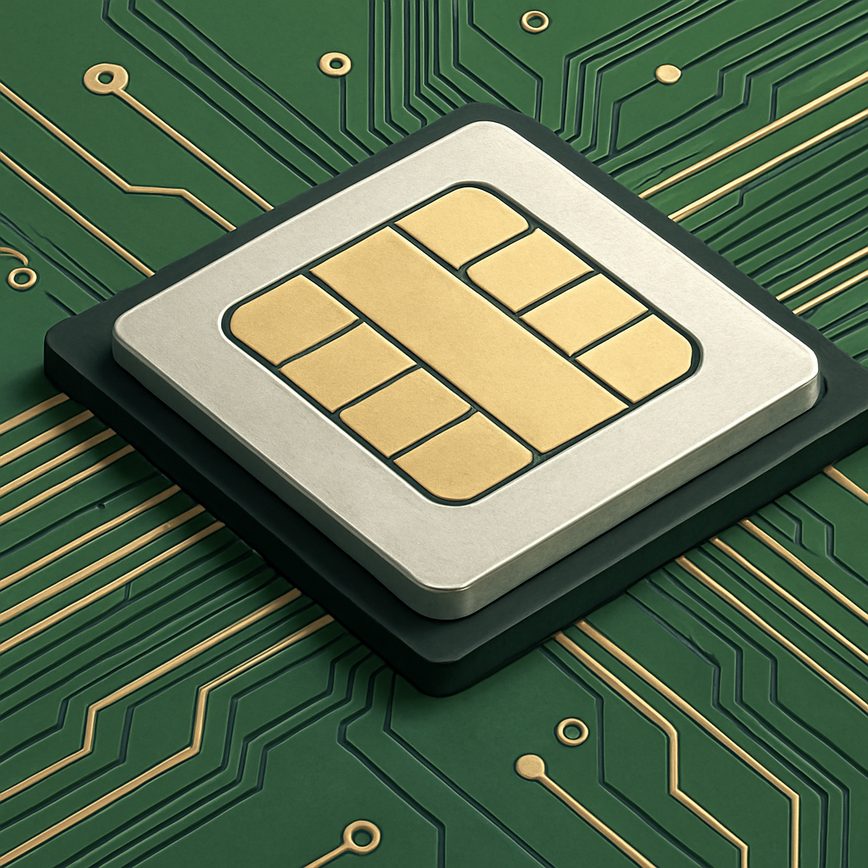
How eSIM improves communication infrastructure
03/06/2026
Understanding eSIM Technology
eSIM technology, also known as embedded SIM or digital SIM, represents a significant evolution in how mobile devices connect to communication networks. Unlike traditional SIM cards that are physical, removable chips inserted into devices, an eSIM is embedded directly into the device’s hardware. This embedded nature transforms the way users and service providers manage mobile connectivity, boosting flexibility and efficiency in communication infrastructure.
The core function of eSIM technology is to store the subscriber’s identity securely on the device itself, allowing users to switch between mobile carriers without the need to physically replace a SIM card. Instead, carrier profiles and settings are downloaded digitally over the air, through secure provisioning. This eliminates logistical challenges associated with distributing physical SIM cards and facilitates instant activation or switching of mobile plans, which is especially advantageous in a globalized, connected world.
From a technical standpoint, an eSIM module contains a small chip soldered into the device’s motherboard. This chip complies with GSMA standards, ensuring interoperability and security across various networks and devices. The remote provisioning infrastructure that supports eSIM technology enables mobile operators to remotely manage profiles on customer devices, enhancing user experience and network management.
Within modern communication infrastructure, eSIM technology plays a pivotal role by simplifying device connectivity and enabling seamless transitions between networks. It supports the development of the Internet of Things (IoT), where millions of devices require reliable, long-term connectivity without manual SIM card changes. Additionally, eSIM reduces costs for network providers in distribution and activation processes and opens up new business models for flexible, subscription-based mobile services.
Overall, the integration of eSIM technology into communication infrastructure marks a forward leap toward more dynamic, user-centric mobile experiences. It empowers consumers with more control, enhances device design by saving physical space, and streamlines network operations, thereby supporting the ever-growing demand for ubiquitous, reliable connectivity in today’s digital landscape.
How eSIM differs from traditional SIM cards
The distinction between eSIM and traditional SIM cards lies primarily in form, functionality, and user flexibility. Traditional SIM cards are physical chips that must be inserted into a device to connect to a mobile network. In contrast, an eSIM, or embedded SIM, is a digital SIM embedded directly into the device’s motherboard, eliminating the need for a physical card. This fundamental difference introduces several advantages that redefine mobile connectivity.
One key advantage of eSIM over traditional SIM cards is convenience. Users can switch carriers or plans without needing to replace a physical SIM card, enabling seamless network transitions directly from device settings. This is particularly beneficial for frequent travelers who can activate local data plans worldwide without swapping hardware. Additionally, eSIMs support multiple profiles, allowing one device to maintain several numbers or plans simultaneously, streamlining communication and management.
Another significant benefit is enhanced device design and durability. Because eSIMs take up less physical space, manufacturers can produce slimmer, more compact devices or incorporate larger batteries. Moreover, the absence of a SIM tray reduces potential points of ingress for dust and water, improving overall device robustness.
From a security perspective, digital SIM benefits include reduced risk of SIM card theft or loss. Since eSIM data is remotely provisioned and cannot be physically removed, it adds an extra layer of protection for mobile communications. Overall, the transition from traditional SIM to eSIM technology represents a major step forward in connectivity, offering users greater flexibility, improved hardware capabilities, and enhanced security.
Key components of eSIM architecture
The eSIM technology is built on a sophisticated architecture comprising several key components that ensure seamless connectivity and advanced functionality. At its core, the hardware element includes the embedded SIM chip, which replaces the traditional physical SIM card. This chip is soldered directly onto the device’s motherboard, offering greater durability and resistance to wear and tear compared to removable SIM cards.
Complementing the hardware is the firmware, a critical software layer that manages the embedded SIM’s functionality. This firmware facilitates secure communication with mobile network operators and handles the remote provisioning of eSIM profiles. By enabling over-the-air updates, the firmware allows users to switch carriers or add new plans without physically changing the SIM card.
Additionally, the eSIM architecture includes a secure element responsible for safeguarding sensitive data such as encryption keys and subscriber information. This ensures that all operations related to authentication and profile management are conducted in a protected environment, enhancing overall security.
Another integral component is the eSIM management platform, typically hosted in the cloud. This platform orchestrates the lifecycle of eSIM profiles, including activation, deactivation, and updates. Its interaction with both the firmware and hardware layers is vital to deliver the flexibility and convenience that define the eSIM experience.
Benefits of eSIM for Communication Infrastructure
eSIM technology brings transformative benefits to communication infrastructure, fundamentally enhancing network flexibility and connectivity. Unlike traditional SIM cards, eSIMs are embedded directly into devices, allowing seamless remote provisioning and management of mobile network subscriptions without the need for physical swapping. This shift dramatically improves communication networks by facilitating easier access to multiple carriers and plans, all from a single device.
One of the primary eSIM benefits is increased network flexibility. Communication providers and users alike can switch between networks effortlessly, enabling more dynamic and efficient use of available spectrum resources. This flexibility supports load balancing and reduces network congestion, contributing to a more stable and reliable communication infrastructure.
Connectivity also sees significant improvements with eSIM technology. Devices equipped with eSIMs can automatically select the best available network, even while roaming, guaranteeing continuous and uninterrupted service. This automatic optimization enhances user experience and ensures that communication channels remain open, which is essential for both personal and enterprise communications.
Moreover, eSIMs simplify device logistics and management for service providers. Network operators can quickly deploy new services or update network configurations over the air without physical intervention, reducing operational costs and time delays. This capability not only accelerates service rollout but also enables rapid response to network issues or emerging connectivity demands.
In summary, eSIM technology drives significant communication improvements by enabling highly flexible network management, enhanced connectivity, and streamlined infrastructure operations. As more devices and networks adopt eSIMs, the communication landscape will continue to evolve, delivering better service quality and greater convenience for users worldwide.
Enhanced network flexibility and scalability
eSIM technology revolutionizes communication infrastructure by offering unparalleled network flexibility and enabling scalable networks that adapt to evolving demands seamlessly. Traditional SIM cards physically limit network deployment because they require manual insertion and replacement, which constrains rapid adjustments and expansions. In contrast, the embedded nature of eSIMs allows remote provisioning, eliminating the need for physical swaps and enabling operators to reconfigure network parameters swiftly and efficiently.
This capability supports the dynamic scaling of networks to meet fluctuating user demands, whether expanding coverage in urban centers or accommodating rising subscriber bases in rural areas. eSIM advantages include the ability to quickly activate or switch between multiple network profiles on a single device, allowing operators to implement load balancing strategies and optimize resource allocation without physical intervention. Consequently, networks become more adaptable, facilitating faster rollouts of new services and technologies.
Moreover, eSIMs support the convergence of diverse communication technologies by enabling devices to connect to the most suitable network available, enhancing overall network performance and reliability. This flexibility accelerates the digital transformation of communication infrastructure, making it scalable to future needs while reducing operational costs and complexity. By embracing eSIM technology, operators build resilient, flexible, and scalable networks that drive innovation and meet the demands of a connected world.
Improved user experience and service activation
eSIM technology significantly enhances the user experience by simplifying the process of service activation. Unlike traditional SIM cards, which require physical swapping, eSIM allows users to activate mobile service digitally. This convenience eliminates the need to visit a store or wait for a SIM card delivery, enabling instant connectivity from virtually anywhere in the world. The streamlined activation process reduces setup time, making it easier for users to switch carriers or plans without any hassle.
Moreover, eSIM convenience extends beyond activation to everyday connectivity management. Users can store multiple profiles on a single device and switch between them seamlessly, adapting to different networks or travel needs without any physical intervention. This flexibility not only improves user experience by providing more control but also supports uninterrupted communication, critical in today’s connected world.
Service providers benefit as well, since eSIM technology lowers operational costs by minimizing the production and distribution of physical SIM cards. This efficiency can translate into better service offerings and quicker response times for customers, further enhancing satisfaction. Overall, eSIM revolutionizes service activation and user interaction by merging convenience with cutting-edge connectivity solutions.
Strengthening security and reducing fraud
eSIM technology significantly enhances eSIM security by embedding the SIM directly into the device with encrypted authentication processes. Unlike traditional physical SIM cards that can be easily stolen or cloned, eSIMs rely on remote provisioning and secure key exchanges, making unauthorized duplication nearly impossible. This inherently reduces the risk of SIM-related fraud such as SIM swapping, where attackers fraudulently transfer a phone number to a new SIM to gain access to personal accounts or intercept communications.
Furthermore, secure communication protocols employed by eSIMs help prevent interception or tampering during user authentication. The ability to update SIM profiles remotely adds an extra layer of protection, allowing quick deactivation or modification in case of suspicious activity without the need for physical SIM replacement. This agility strengthens fraud prevention measures and reduces downtime or risk for users and network providers alike.
By integrating hardware-based security with robust software controls, eSIMs create a trusted framework that supports secure communication and data exchange. Mobile operators can implement advanced monitoring to detect and block fraudulent activities proactively. Ultimately, eSIM security transforms communication infrastructure by safeguarding users against evolving threats and ensuring that mobile connectivity remains both resilient and reliable.
Future Impact of eSIM on Communication Networks
The future of eSIM technology is poised to significantly transform communication networks, offering enhanced flexibility, security, and efficiency. As communication networks evolve, especially with the rapid advancement of 5G and IoT connectivity, eSIMs will play a critical role in supporting these changes by enabling seamless device management and network access.
One of the primary drivers for the adoption of eSIM technology in communication networks is its ability to facilitate dynamic and remote provisioning. This capability eliminates the need for physical SIM cards and enables devices to switch between multiple carriers and network operators without manual intervention. This dynamic flexibility is particularly advantageous for IoT connectivity, where devices often operate in diverse and widespread environments, requiring reliable and uninterrupted network access.
As 5G networks continue to expand, the integration of eSIMs will enable operators and users to leverage advanced network features with greater ease. The embedded nature of eSIMs means that new network profiles and configurations can be updated over the air, allowing devices to quickly adapt to evolving network standards and optimizations. This adaptability ensures that communication networks remain robust and future-proof as technology advances.
Moreover, eSIM technology enhances security within communication networks by enabling remote management and authentication of devices. Network operators can remotely disable or enable connectivity, reducing the risk of SIM-related fraud or unauthorized access. This level of control is particularly crucial as IoT connectivity scales up, with millions of devices requiring secure and reliable connections to the network.
The future of eSIM in communication networks also includes the potential to reduce operational costs for carriers and enterprises. By streamlining the activation process and supporting multiple profiles on a single device, eSIMs reduce logistical challenges and enable more efficient service delivery. This cost-effective approach is beneficial as the demand for connected devices grows exponentially.
In summary, the future of eSIM technology promises a more interconnected world where communication networks are more agile, secure, and efficient. Its role in enhancing IoT connectivity and facilitating the rollout of 5G networks will be fundamental in shaping the next generation of communication infrastructure, driving innovation and improving user experiences across the globe.
eSIM’s role in 5G and IoT integration
The evolution of communication technology has been significantly boosted by the integration of eSIM technology with 5G networks and IoT (Internet of Things) connectivity. eSIM 5G plays a crucial role in enabling devices to connect seamlessly to advanced network infrastructures without the need for physical SIM swaps, thereby enhancing operational efficiency and user experience.
By providing a programmable and remotely manageable profile, eSIM allows devices across various sectors—ranging from consumer electronics to industrial IoT gadgets—to switch network operators or activate new service plans effortlessly. This flexibility is particularly vital in the 5G ecosystem, where rapid deployment and dynamic network adjustments are essential to support diverse use cases and device types.
Additionally, eSIM facilitates enhanced IoT connectivity by supporting large-scale device provisioning and management. Enterprises can streamline the onboarding of IoT devices, ensuring secure and reliable connections without logistical delays associated with traditional SIM distribution. The integration of eSIM with 5G networks leads to optimized network integration, enabling faster data transfer, lower latency, and improved energy efficiency for connected devices.
In summary, eSIM serves as a foundational technology that bridges the gap between 5G advancements and IoT proliferation, ensuring a cohesive and flexible network environment. This synergy empowers industries to innovate with scalable and efficient connectivity solutions, driving forward the next generation of smart devices and connected services.
Potential challenges and industry adoption
Despite the many advantages of eSIM technology, there are several challenges that hinder its widespread adoption. One of the primary eSIM challenges includes compatibility issues with existing devices and network infrastructure. Many older devices do not support eSIM functionality, which limits the immediate market for this innovation. Additionally, the complexity of integrating eSIM technology into diverse telecommunications systems can create significant implementation barriers for service providers.
Security concerns also play a role in slowing down adoption, as the remote provisioning capability of eSIMs must be tightly controlled to prevent unauthorized access or misuse. Consumers and businesses may be hesitant to transition to eSIM without clear assurances of data privacy and safety. Regulatory variations across regions add another layer of difficulty, with different countries having distinct rules governing telecommunications services, thus complicating global rollouts.
To address these challenges, the industry is actively collaborating to streamline standards and improve device compatibility. Leading manufacturers and network operators are working together to create universal frameworks that facilitate seamless industry adoption. Initiatives include updating device designs to natively support eSIM and upgrading backend systems to manage eSIM subscriptions efficiently. Education and awareness campaigns are also underway to inform consumers about the benefits and security measures involved.
While implementation barriers exist, the strong momentum behind eSIM technology, bolstered by collaborative efforts in the telecommunications sector, indicates a positive trajectory toward broader acceptance and deployment. As these hurdles are progressively addressed, eSIM adoption is expected to accelerate, significantly enhancing communication infrastructure worldwide.

I’m a lifelong traveler who fell in love with the freedom that eSIM technology offers. Exploring new places while staying seamlessly connected has become my personal mission, and I love sharing practical tips on managing mobile data abroad. When I’m not testing the latest eSIM platforms, I’m mapping out the next adventure.