How eSIM improves mobile freedom
26/12/2025
Understanding eSIM Technology
eSIM technology, which stands for embedded SIM, represents a significant advancement in mobile connectivity by embedding SIM functionality directly into a device’s hardware. Unlike traditional SIM cards, which are physical chips that need to be manually inserted and swapped out, an eSIM is a digital SIM that is built into the device’s motherboard. This innovation provides users with greater ease in managing mobile network subscriptions and enhances the overall mobile experience.
The core principles of difference between eSIM technology and traditional SIM cards lie in their construction and management methods. Traditional SIM cards are physical items that individuals insert into smartphones, tablets, or various mobile devices to connect to cellular networks. When users opt to switch carriers or plans, they must replace or remove the physical card. Conversely, an embedded SIM is integrated into the device’s circuit board during manufacturing and cannot be removed, reducing the risk of damage or loss.
With a digital SIM, all carrier profiles are stored digitally, enabling remote downloading, activation, or changes without requiring a physical card swap. This capability for remote provisioning simplifies the process of changing carriers or managing multiple subscriptions on a single device. It is especially beneficial for international travelers or those who want to maintain a separation between their personal and business mobile plans.
From a technical perspective, eSIM technology is governed by the GSMA, the body responsible for managing worldwide mobile standards in the sector. The embedded SIM follows regulations that ensure devices and mobile networks can work together seamlessly across the planet. Its built-in framework employs secure elements to safely store carrier credentials and encryption keys inside the device, providing a level of security akin to that of traditional SIM cards.
Moreover, eSIM technology allows for multiple profiles on a single chip, enabling users to seamlessly switch between different mobile carriers through software. This flexibility marks a notable advancement that traditional SIM cards do not offer. The increasing adoption of mobile technology in gadgets like smartphones, tablets, wearables, and IoT devices highlights the essential function of eSIM in creating a more connected and adaptable mobile landscape.
In summary, embedded SIM or eSIM technology transforms how users access mobile networks by incorporating SIM functionalities directly into the device, enabling digital management of carrier profiles, enhancing security, and expanding the possibilities for seamless connectivity in the fast-evolving landscape of mobile technology.
What is an eSIM?
The term eSIM refers to an embedded SIM card, representing a significant evolution from traditional SIM cards used in mobile devices. In contrast to physical SIM cards that can be easily swapped in and out of a phone or tablet, an eSIM is a small chip built directly into the device’s hardware. This digital SIM card allows users to configure a cellular plan without needing a physical card, simplifying connectivity management and offering greater flexibility.
Understanding the eSIM definition sheds light on its importance in the evolution of SIM cards. Introduced to meet the growing need for more efficient and compact mobile technology, the meaning of embedded SIM highlights that this component is permanently built into devices such as smartphones, wearables, tablets, and some laptops. This innovation eliminates the inconveniences and limitations associated with conventional physical SIM cards, such as the potential for loss or damage and the necessity of manually changing between various carrier cards.
Digital SIM features turn the eSIM into an innovative resource, enabling the remote configuration of cellular plans and supporting multiple profiles on a single device. This boosts user mobility, allowing for carrier or plan changes through software, eliminating the necessity to visit a store or wait for a new card. The integration of eSIM technology marks a major progress in the mobile industry, streamlining device connections and setting the stage for future advancements in wireless communication.
How eSIM Works
eSIM technology utilizes an embedded chip within mobile devices, eliminating the need for a physical SIM card. This chip allows for remote provisioning, enabling users to configure a mobile plan online without a traditional SIM. Activation begins when a user scans a QR code or inputs the activation details provided by their carrier, initiating the immediate download of the eSIM profile to the device.
Once the profile download is complete, the eSIM establishes a secure connection with the mobile network provider, allowing instant access to voice, text, and data services. This profile contains all the necessary credentials and settings required to link to the carrier’s network. One significant advantage of eSIM technology is the effortless capability to switch networks. Users can store multiple profiles on a single device and conveniently toggle between different carriers without the need for physical SIM card changes.
This network switching can be done through the device’s settings menu, enabling users to select the profile they wish to activate. The remote provisioning system ensures that the profile remains updated and managed over-the-air, facilitating a seamless experience. By offering this level of flexibility and control, eSIM technology revolutionizes mobile connectivity management, granting users exceptional freedom to choose and switch networks at any time and place.
Benefits of eSIM in Enhancing Mobile Freedom
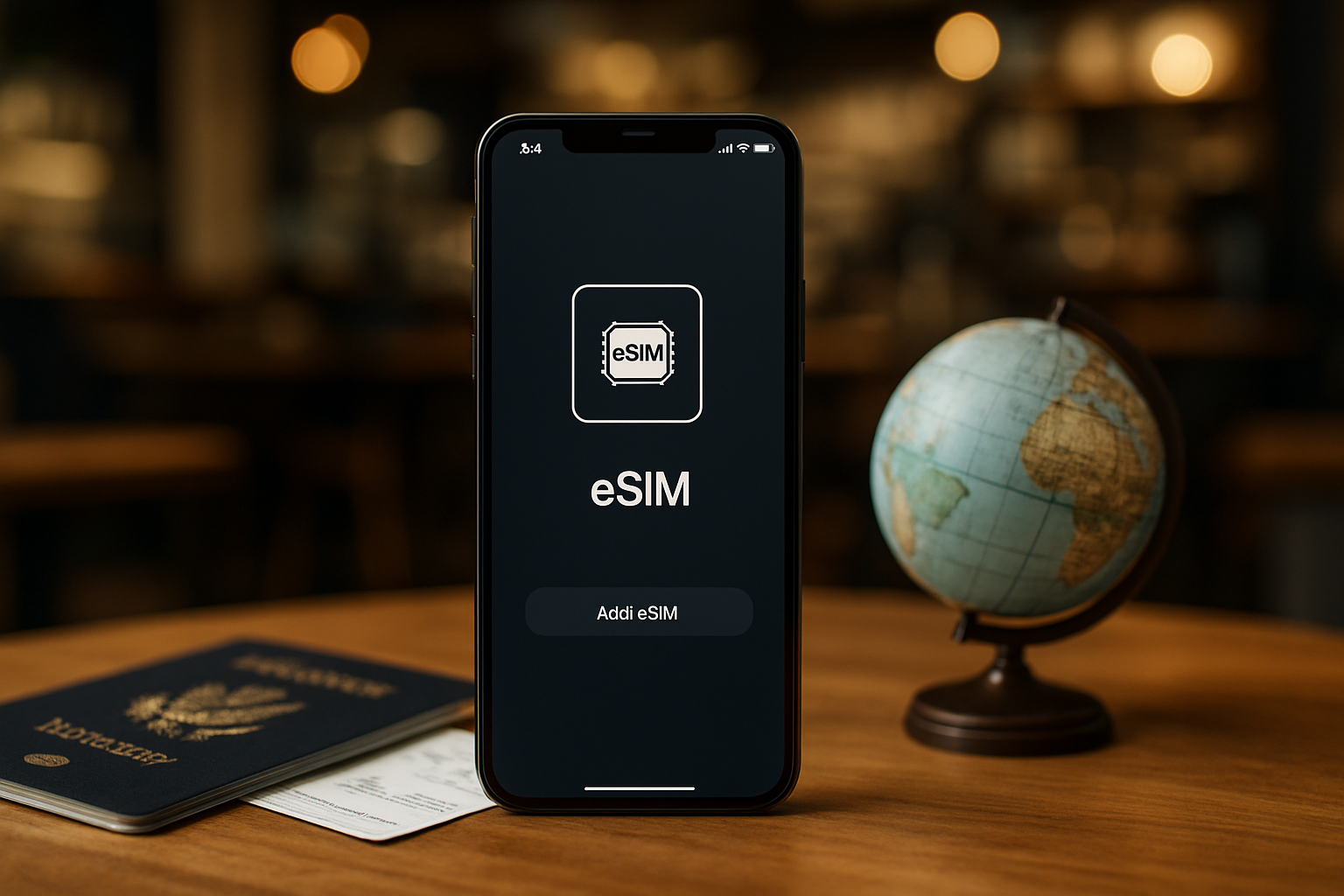
eSIM technology revolutionizes the concept of mobile freedom by offering unparalleled flexibility and ease in managing mobile connections. Unlike traditional physical SIM cards, eSIMs are embedded directly within the device, allowing users to change between different network providers without the hassle of swapping out physical cards. This versatility is a significant advantage for individuals seeking greater control over their mobile experience.
An essential aspect of eSIM benefits is the seamless ability to switch networks. Users can easily activate or deactivate mobile plans from various carriers through software settings, offering significant convenience to accommodate different preferences and requirements. This feature is especially advantageous in areas with varying network coverage, allowing users to select the best provider for better signals and superior service effortlessly.
Moreover, eSIM enhances mobile freedom by enhancing travel connectivity. Travelers no longer need to buy or handle multiple SIM cards for different countries. With eSIM technology, they can swiftly activate local plans while on the go, avoiding costly roaming charges and ensuring consistent access to voice and data services. This straightforward network shift offers travelers greater flexibility, saves both time and money, and reduces the typical complications associated with international mobile services.
The convenience extends to storage and management as well: with multiple profiles stored on a single eSIM, users can maintain separate personal and work numbers or different regional plans on one device. This capability to manage several profiles minimizes the complications and inconveniences of carrying multiple phones or constantly swapping SIMs. As a result, the level of mobile freedom is significantly improved with just one device.
In conclusion, the benefits of eSIM greatly boost mobile flexibility by providing various network choices, unmatched convenience, and enhanced travel perks. By enabling users to effortlessly switch among different carriers and mobile plans, eSIM technology transforms connectivity, leading to mobile experiences that are increasingly adaptable, user-friendly, and cost-effective.
Seamless Network Switching
One significant benefit of eSIM technology is its ability to enable seamless network transitions, providing exceptional flexibility with service providers. Unlike traditional SIM cards that require a physical swap to change networks, an eSIM lets users swiftly switch carriers without handling a physical card. This instant activation capability eliminates any waiting period and the hassle of visiting a store or waiting for a SIM card delivery.
With eSIM technology, users have the ability to store multiple profiles on their device, simplifying the management of different carrier plans. Whether you’re traveling internationally, seeking better coverage, or wanting to take advantage of special promotions, changing between profiles is just a few taps away. This feature enables you to maintain both your personal and work numbers on a single device or effortlessly switch to a local carrier when overseas, all without needing additional SIM cards.
Instant activation transforms network switching by removing the wait times tied to the physical reprogramming or replacement of SIM cards. Service providers can now configure a user’s eSIM remotely, meaning that the moment you choose a new plan, your device is ready to connect. This convenience simplifies the whole experience and encourages competition among carriers, ultimately benefiting consumers with a broader selection and better pricing.
In conclusion, eSIM technology revolutionizes how users change networks by offering unmatched carrier flexibility, enabling multiple profiles on a single device, and allowing for instant activation. Collectively, these features streamline the carrier switching process, making it faster and more accessible than ever, which enhances overall mobile freedom.
Improved Travel Experience
For travelers, managing mobile connectivity can often be tricky, but eSIM technology makes it much easier. With a travel SIM built right into your device, you can avoid the hassle of swapping physical SIM cards as you cross borders. This seamless transition allows for quick activation of international roaming or connection to local networks, making it easier to stay connected during your journeys.
One of the main advantages of eSIM is its ability to seamlessly switch between different local carriers without having to physically change SIM cards. This feature enables you to swiftly download a local plan as soon as you arrive in a new country, which enhances coverage and boosts data speeds. This level of flexibility significantly simplifies travel, allowing you to customize your mobile service according to your itinerary and avoid expensive roaming fees.
Moreover, eSIM reduces roaming costs by allowing travelers to select cost-effective local plans rather than incurring steep international roaming fees. By linking directly with local service providers through an eSIM, you can keep your expenses in check while ensuring reliable connectivity. Whether you’re on a short business trip or an extended vacation, this versatility ensures a smoother and more economical mobile experience worldwide.
In conclusion, eSIM technology enhances the travel experience by providing easy access to travel SIM options, enabling smooth international roaming, and increasing availability of local carriers. This leads to unmatched convenience and cost savings while making eSIM an essential tool for modern travelers seeking reliable and flexible mobile connectivity.
Future Trends and Challenges of eSIM Adoption
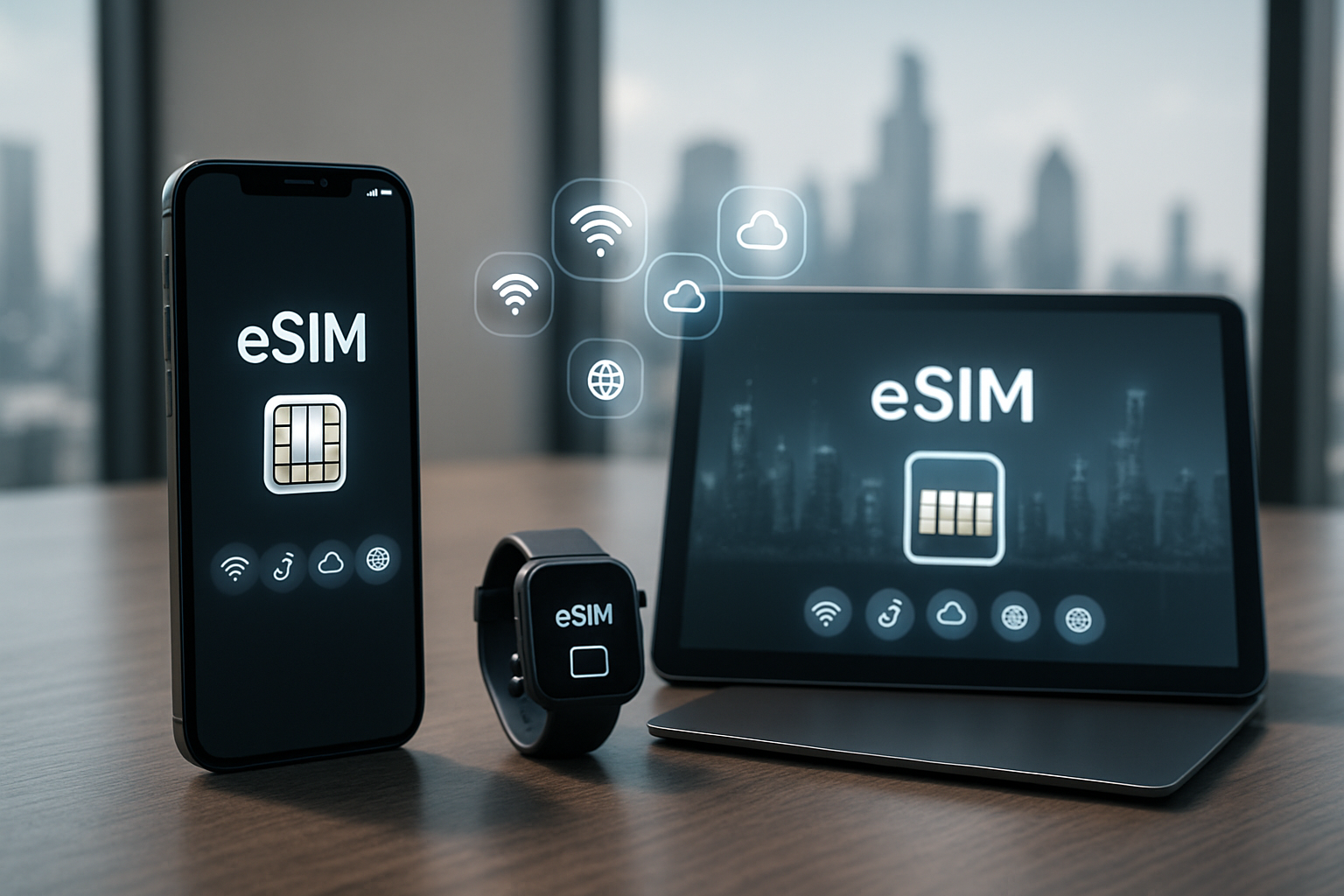
The advancement of eSIM technology is set to greatly change mobile connectivity. As we move further into the eSIM age, users can anticipate improved integration across a range of devices and networks, making it easier to switch carriers and manage multiple plans in comparison to traditional SIM cards. A significant trend in this tech evolution is the increasing use of eSIM in devices beyond just smartphones, including laptops, wearables, IoT devices, and connected cars, fostering a unified digital ecosystem that guarantees continuous connectivity regardless of your location.
The worldwide implementation of eSIM technology is still facing considerable obstacles. Various regions deal with diverse regulatory frameworks that can slow down or complicate the adoption process. In some nations, service providers are reluctant to fully adopt eSIM out of concerns about losing control over their customer relationships. Additionally, the limited availability of devices that support eSIM technology poses a barrier in emerging markets. Challenges associated with infrastructure development, financial considerations, and the need for consistent global standards for eSIM activation and management further contribute to the difficulties faced around the world.
With the increasing prevalence of eSIMs, worries regarding privacy have surged alongside their ease of use. Unlike conventional SIM cards, eSIMs rely on over-the-air setup and cloud management, which can introduce fresh security vulnerabilities if not properly safeguarded. Potential risks include unauthorized profile downloads, cloning, or interception during the remote setup process. Moreover, users face data privacy challenges as carriers and manufacturers collect more information through eSIM management systems. Addressing these privacy concerns requires robust encryption standards, transparent user consent mechanisms, and stringent cybersecurity practices.
Despite the challenges of adoption and privacy issues, eSIM technology is making significant strides. Major industry stakeholders are collaborating to create universal standards that enhance interoperability and security, tackling many current obstacles. As eSIM technology is more deeply embedded in mobile communications, ongoing innovation is expected to enhance user control and minimize potential risks. Finding a way to harness the benefits of new technological trends while confronting adoption challenges and privacy concerns will influence the future development of eSIM, ultimately improving mobile freedom across the globe.
Market Growth and Device Compatibility
The eSIM market has experienced significant growth, driven by a growing number of devices that utilize this technology. Recent market trends indicate a steady increase in eSIM usage, reaching beyond premium smartphones to include a wide range of IoT devices. This expansion underscores a rising demand for seamless connectivity and flexible carrier options, which are distinct benefits of eSIMs. As compatibility among smartphones improves, leading manufacturers are incorporating eSIM capabilities as a regular feature, enabling users to easily switch carriers without needing physical SIM cards.
Beyond smartphones, the swift expansion of IoT devices—such as smartwatches, connected cars, and industrial sensors—is fueling the adoption of eSIM technology. These devices generally require reliable, low-maintenance connectivity solutions, making eSIMs perfect due to their remote provisioning and management capabilities. This flexibility strengthens the case for eSIMs to emerge as a crucial component in both consumer and business sectors.
Industry analysts predict that the eSIM market will continue to expand rapidly, with forecasts showing robust growth driven by increasing needs for enhanced mobile flexibility and uninterrupted connectivity. Better support for devices from multiple brands and an expanding network of carriers enhance smartphone compatibility and pave the way for creative IoT solutions. As a result, eSIM technology is set to transform how devices connect to wireless networks, marking a major shift in worldwide mobile communications.
Security and Privacy Concerns
While eSIM technology offers impressive convenience and flexibility, it also raises important issues related to eSIM security and privacy risks. Unlike traditional SIM cards, eSIMs are embedded directly within devices, changing the landscape of data protection and user control. One potential danger is that hackers could attempt to intercept or manipulate the remote SIM provisioning process, potentially enabling unauthorized changes to mobile profiles.
Privacy concerns also arise from the centralized management of eSIM profiles, where user data could be more accessible to network operators or third parties. Since setting up or switching profiles is done over-the-air, there is an increased need for robust encryption and authentication protocols to prevent eSIM hacking or profile hijacking. Without adequate safeguards, sensitive information like phone numbers and network credentials may be at risk.
To mitigate these risks, it is crucial to implement strong data security measures across every stage of eSIM lifecycle management. This includes comprehensive encryption, requiring multi-factor authentication for profile modifications, and enforcing strict access controls on eSIM management systems. Offering users enhanced control features—such as requiring explicit consent for modifications to eSIM profiles—further strengthens security and privacy. Additionally, regulatory frameworks can help standardize privacy protections and ensure that eSIM providers adhere to best practices.
Ultimately, addressing the security and privacy issues associated with eSIMs is essential for building user trust and realizing the full mobility potential of eSIM technology. By implementing technical safeguards, enabling user control, and maintaining regulatory oversight, eSIMs can develop into a dependable and user-friendly solution for modern connectivity.

I’m a lifelong traveler who fell in love with the freedom that eSIM technology offers. Exploring new places while staying seamlessly connected has become my personal mission, and I love sharing practical tips on managing mobile data abroad. When I’m not testing the latest eSIM platforms, I’m mapping out the next adventure.