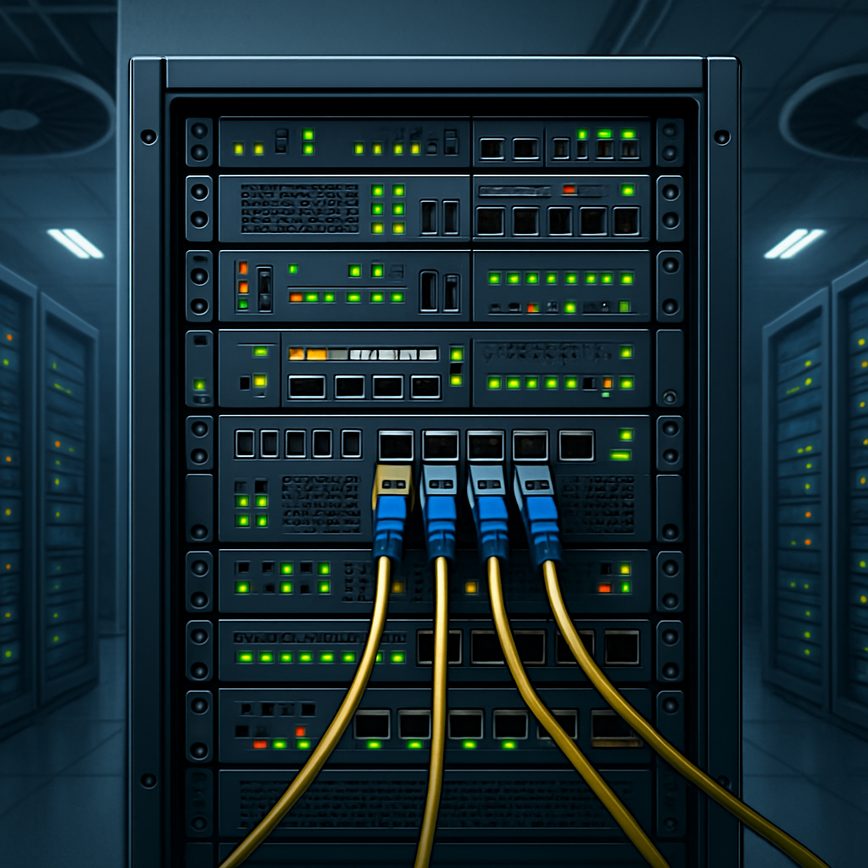
Understanding digital carrier provisioning
29/05/2026
Introduction to Digital Carrier Provisioning
Digital carrier provisioning is a fundamental concept in modern telecommunications that refers to the automated configuration and activation of carrier services and network resources. It plays a critical role in enabling efficient network provisioning, ensuring that communication services are delivered seamlessly to end users. In essence, digital carrier provisioning streamlines the process by which telecom operators manage and allocate network capacity, subscriber services, and infrastructure components in a digital and dynamic manner.
At its core, digital carrier provisioning involves the use of software-driven systems to orchestrate network resources, replacing traditional manual procedures that were often time-consuming and error-prone. This approach aligns with the growing complexity of telecom networks, which now support a wide variety of digital services, including voice, data, video, and IoT connectivity. By leveraging automation and real-time data, digital carrier provisioning ensures that the network is optimally configured to meet demand with high accuracy and speed.
Network provisioning encompasses the entire lifecycle of service activation, from initial setup and configuration to ongoing adjustments and deactivation. Digital carrier provisioning specifically addresses the need to provision digital pathways that transport data across various network layers and elements. This includes tasks such as establishing virtual circuits, configuring routing protocols, and managing bandwidth allocation—all critical to maintaining consistent and reliable telecom service delivery.
This method is especially vital in today’s telecom environment, where operators must adapt quickly to changing user requirements and emerging technologies. Whether it involves integrating new digital carriers, scaling capacity during peak times, or deploying next-generation networks, digital carrier provisioning offers a scalable and flexible framework. It helps telecom providers reduce operational costs, enhance service quality, and accelerate time-to-market for new offerings.
In summary, understanding digital carrier provisioning is essential for grasping how modern telecommunications networks operate efficiently. It underpins the broader concept of network provisioning by enabling automated, precise, and rapid deployment of telecom services. For anyone interested in telecom basics, recognizing the role of digital carrier provisioning highlights the shift from manual, hardware-centric processes to dynamic, software-driven network management that defines today’s digital communication landscape.
What is Digital Carrier Provisioning?
Digital carrier provisioning refers to the automated process of activating and managing mobile network services through digital means rather than manual intervention. This process allows mobile carriers to provision connectivity and service plans to devices such as smartphones, tablets, and IoT devices efficiently and accurately. The provisioning process involves configuring subscriber profiles, assigning network resources, and enabling service features, all orchestrated digitally via software platforms and cloud infrastructure.
Unlike traditional methods that rely heavily on manual activation by carrier staff or physical SIM card distribution, digital carrier provisioning streamlines these steps into a seamless, instant operation. Traditional provisioning typically involves significant paperwork, physical logistics, and longer lead times to enable services. In contrast, digital provisioning leverages real-time data exchange and automation to reduce errors, speed up activation, and enhance customer experience.
Additionally, digital carrier provisioning supports modern technologies such as eSIM and remote SIM provisioning, which allow users to activate carrier services without needing a physical SIM card swap. This shift not only simplifies the provisioning process but also enables greater flexibility and scalability for carriers managing large fleets of devices or roaming customers. In summary, digital carrier provisioning revolutionizes how mobile connectivity is delivered by providing a faster, more efficient, and software-driven definition of carrier service activation compared to traditional methods.
Importance in Telecom Infrastructure
Digital carrier provisioning plays a crucial role in maintaining an efficient and scalable telecom infrastructure. In today’s fast-paced telecommunications environment, network efficiency is paramount to meet the growing demand for high-speed and reliable connectivity. By automating the provisioning process, digital carrier provisioning minimizes manual intervention, reducing errors and delays that can compromise network performance.
The carrier provisioning benefits extend beyond speed and accuracy; it enables telecom operators to dynamically manage network resources based on real-time needs. This flexibility supports scalable infrastructure deployment, allowing networks to adapt swiftly to changing traffic patterns and customer requirements. As a result, telecom infrastructure becomes more resilient and capable of handling increasing data loads without service interruptions.
Moreover, digital carrier provisioning enhances operational efficiency by streamlining the activation and configuration of carrier services, ultimately lowering operational costs. Telecom operators gain better visibility and control over their networks, which is essential for proactive maintenance and rapid troubleshooting. This comprehensive approach to managing telecom infrastructure ensures a robust and future-proof network that can sustain continuous innovation and expansion.
How Digital Carrier Provisioning Works
Digital carrier provisioning is a critical process that orchestrates the seamless setup and activation of telecommunication services across networks. At its core, the provisioning workflow involves multiple stages, starting from the initial request for network resources to the final activation of the subscriber’s service. This intricate process ensures that services are delivered accurately, efficiently, and with minimal human intervention.
The workflow begins with network setup, where the system allocates necessary resources such as IP addresses, bandwidth, and subscriber profiles. This step is foundational, laying the groundwork for service delivery by configuring routing paths and access permissions within the network infrastructure. The provisioning system communicates with various network elements, including switches, routers, and databases, to align resources according to the subscriber’s service plan.
Automation in provisioning is a significant advancement that enhances the accuracy and speed of this complex process. Instead of relying on manual configurations, automated provisioning uses software-driven protocols and APIs to instantly implement configurations across network components. This automation drastically reduces the chances of errors, accelerates time-to-market for new services, and simplifies management for carriers.
One of the key technical aspects of digital carrier provisioning involves the use of standardized protocols such as RADIUS, Diameter, and SNMP that facilitate communication between different network nodes and the provisioning system. These protocols help in authenticating subscribers, authorizing service levels, and maintaining accounting records, which are essential for both operational and billing purposes.
Additionally, orchestration platforms play a pivotal role in integrating various network functions into a unified provisioning workflow. These platforms use pre-configured policies and real-time analytics to dynamically adjust provisioning parameters based on network conditions and subscriber demands, ensuring optimal performance and resource utilization.
Overall, the combination of precise network setup and intelligent automation in provisioning workflows enables carriers to deliver reliable, scalable, and customized connectivity solutions. This integrated approach not only improves operational efficiency but also enhances the user experience by enabling quick service activation and seamless network management.
Key Components and Technologies
Digital carrier provisioning systems are built upon key components, network elements, and advanced automation tools that streamline the deployment and management of services. At the core, provisioning systems integrate with network components such as routers, switches, and servers to enable accurate configuration and resource allocation. These systems interface with various hardware through standardized protocols and APIs to ensure seamless activation and updates across the digital carrier’s infrastructure.
On the software side, provisioning solutions often leverage network management platforms and orchestration tools that automate repetitive tasks, reduce human errors, and enhance scalability. Automation tools include scripting frameworks, workflow engines, and AI-driven analytics that support proactive issue resolution and dynamic service adjustments. This integration of automation tools is essential for handling the complexity and volume of digital carrier networks today.
Additionally, the technologies employed in these systems incorporate real-time monitoring and reporting components to provide transparency and control over network performance and service delivery. Combining provisioning systems with cloud computing and virtualization technologies further enhances flexibility and speeds up service rollouts. Together, these components, software, and technologies form the backbone of efficient digital carrier provisioning, enabling carriers to keep pace with evolving customer demands and technology advancements.
Step-by-Step Provisioning Process
The digital carrier provisioning process involves several critical steps to ensure seamless network configuration and carrier setup. This step-by-step approach guarantees that all elements are correctly initialized, configured, and tested before full deployment.
- Initiation: The process begins with gathering detailed requirements from stakeholders, defining the scope of the provisioning, and preparing all necessary system resources.
- Network Planning: Engineers design the network configuration, including IP addressing, routing protocols, and security settings essential for the carrier environment.
- Resource Allocation: Essential network components such as bandwidth, ports, and virtual circuits are allocated according to the predefined plan to support the carrier’s data flow.
- Configuration: This step involves programming the network devices with the correct parameters, integrating authentication systems, and setting up the digital carrier infrastructure.
- Testing and Validation: Comprehensive tests are conducted to verify connectivity, data routing, and service integrity. Validation ensures compliance with performance standards before going live.
- Activation: Once all configurations pass testing, the carrier services are activated on the network, making them available to end users.
- Monitoring and Maintenance: Ongoing monitoring is established to track performance and detect issues. Regular maintenance ensures continued efficiency and allows for proactive problem resolution.
Following these process steps helps achieve a reliable and efficient digital carrier setup, minimizing downtime and optimizing network performance throughout the provisioning lifecycle.
Benefits and Challenges of Digital Carrier Provisioning
Digital carrier provisioning is revolutionizing the telecom industry by streamlining the activation and management of network services. The advantages of adopting digital carrier provisioning are numerous and impactful. Firstly, it dramatically reduces the time required to provision new services, enabling telecom providers to respond faster to market demands and customer needs. This rapid provisioning translates into enhanced customer satisfaction and increased operational efficiency.
Another significant benefit is the improved accuracy and reduced human error that digital automation offers. By replacing manual processes with automated workflows, telecom companies can ensure services are provisioned correctly the first time, minimizing costly errors and the need for rework. Additionally, digital carrier provisioning enhances scalability; as networks expand and new services are introduced, automated systems can handle growing volumes seamlessly without proportional increases in staffing.
Digital provisioning also supports better integration across different systems and platforms within the telecom infrastructure. This results in a more coherent and streamlined operational environment, facilitating easier management and troubleshooting. Further, telecom providers gain valuable insights from real-time data analytics, empowering them to optimize network performance and deliver tailored services to customers.
Despite these advantages, implementing digital carrier provisioning presents several challenges. One of the most common issues is the complexity of integrating new digital systems with legacy infrastructure. Telecom networks often rely on older technologies that are not readily compatible with modern automated solutions, requiring significant investment in system upgrades or middleware.
Another challenge is ensuring robust security throughout the provisioning process. As more operations become digitized, the attack surface for cyber threats increases, necessitating stringent security protocols to protect sensitive customer and network data. Moreover, telecom providers must navigate regulatory compliance issues that vary across regions, complicating the deployment of a unified digital provisioning strategy.
The impact of these challenges on telecom provisioning is considerable, often affecting timelines and budget allocations. However, by carefully planning the transition and investing in skilled personnel and technological resources, telecom companies can overcome these obstacles. The benefits ultimately outweigh the difficulties, positioning digital carrier provisioning as a vital evolution in the telecom industry’s ability to innovate and compete in a rapidly changing market.
Advantages of Automation and Digitalization
Automation and digital provisioning bring a multitude of benefits that are revolutionizing network management. One of the primary automation benefits is the significantly faster deployment of network services. By automating routine and complex tasks, organizations can reduce the time required to provision new services, allowing for quicker responses to market demands and customer needs.
Another key advantage is the reduction of errors. Manual provisioning processes are prone to human mistakes, which can lead to service interruptions, security vulnerabilities, and increased operational costs. Digital provisioning advantages include standardized and repeatable workflows that minimize these errors, leading to more reliable and consistent network performance.
Improved network management is also a crucial benefit. Automation provides real-time visibility and control over network resources, making it easier to monitor performance, troubleshoot issues, and optimize configurations. This enhanced oversight contributes to better overall service quality and customer satisfaction.
In addition, automation and digitalization directly contribute to increased network speed. Faster provisioning processes ensure that network capacity can be efficiently scaled and adapted to changing traffic patterns and technological advancements. This agility is essential for modern networks to sustain high performance and support new digital services.
Common Challenges and Solutions
Provisioning issues often arise from the complexity inherent in modern digital carrier networks. One of the primary challenges is system integration, where multiple legacy and contemporary systems must work seamlessly together. This complexity can result in delays, errors, and inconsistent configurations, leading to service disruptions. Additionally, scalability poses a significant obstacle as networks expand to accommodate more users, devices, and services, demanding robust solutions that can dynamically manage growth without compromising performance.
To overcome these challenges, organizations must adopt comprehensive solution strategies. Leveraging automation and orchestration tools can enhance integration by providing standardized processes and reducing manual intervention. Utilizing APIs for smooth communication between systems is another effective method to address compatibility issues. For scalability, cloud-based provisioning platforms offer flexible resource allocation and rapid deployment, ensuring the network can scale efficiently as demand increases.
Moreover, continuous monitoring and analytics play a crucial role in identifying provisioning issues early, enabling proactive resolution and optimization. Combining these strategies with clear governance and robust testing frameworks ensures that network complexity is managed effectively, minimizing disruptions and supporting sustained growth of digital carrier services.

I’m a lifelong traveler who fell in love with the freedom that eSIM technology offers. Exploring new places while staying seamlessly connected has become my personal mission, and I love sharing practical tips on managing mobile data abroad. When I’m not testing the latest eSIM platforms, I’m mapping out the next adventure.