Understanding how eSIM technology works
05/12/2025
Introduction to eSIM Technology
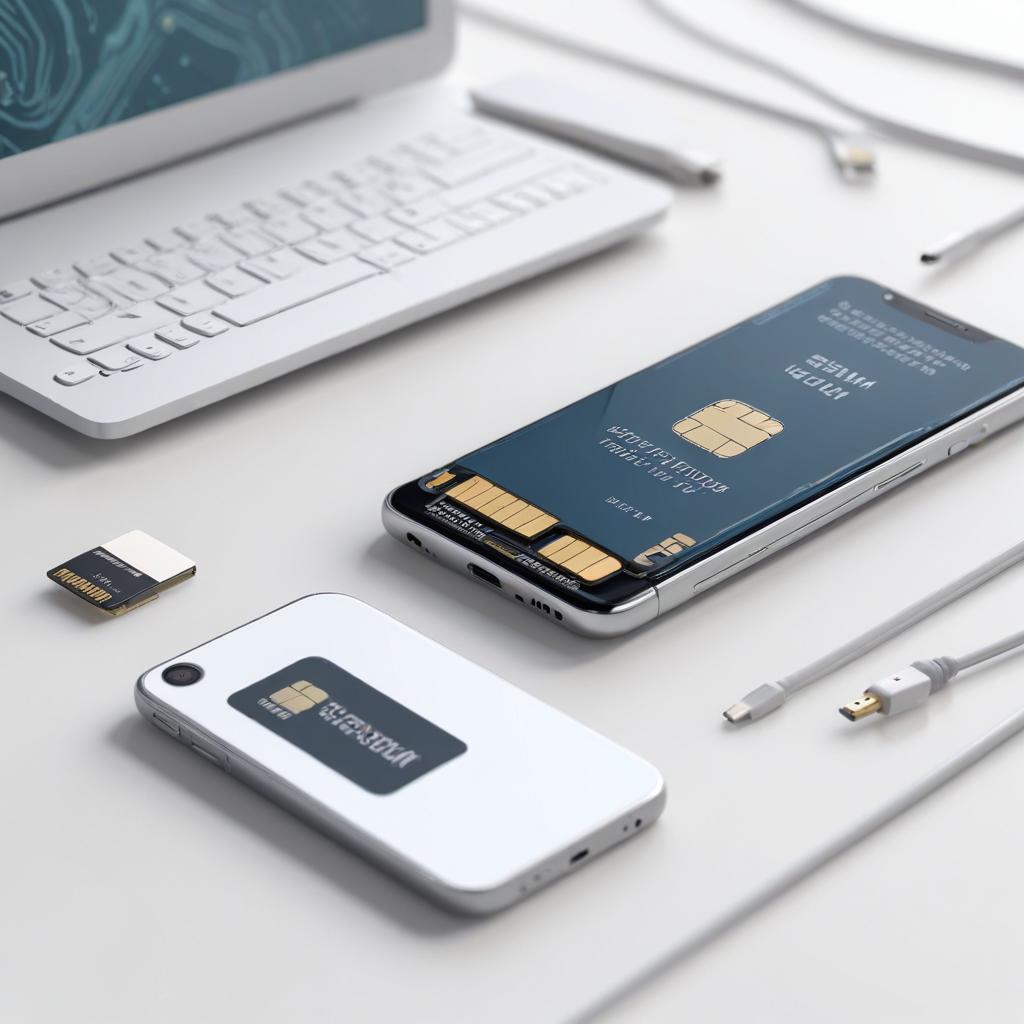
eSIM, short for embedded SIM, represents a significant step forward in mobile technology and the ongoing evolution of SIM cards. Unlike traditional SIM cards—small, removable chips that users insert into their devices—eSIM is embedded directly into a device’s hardware. This integrated feature removes the requirement to swap out SIM cards manually, enabling users to switch carriers or plans electronically, without the hassle of handling a physical card.
The concept of eSIM technology originated emerged from the need to improve mobile connectivity by making it more flexible, secure, and accessible for users. The GSMA, a global trade association for mobile network operators, initiated the standardization of eSIM specifications to ensure compatibility across different devices and service providers. This initiative aims to tackle the growing complexity of mobile ecosystems, which include smartphones, tablets, and Internet of Things (IoT) devices that require more versatile connectivity options.
Standard SIM cards contain subscriber identity information in a tangible form, limiting their size and complicating repair or replacement. Users must physically swap SIM cards when changing devices or carriers, which can be inconvenient and prone to damage or misplacement. In contrast, the eSIM is a programmable chip embedded in the device that allows for the storage and remote activation of various profiles through over-the-air updates. This advancement marks a major step forward in SIM technology and simplifies the management of mobile subscriptions for users.
Moreover, eSIM technology enhances security by reducing physical access points that could be at risk of exploitation, while allowing for more efficient and compact designs in devices by eliminating the need for a SIM card slot. This is particularly advantageous for smaller gadgets and wearables. As mobile technology advances, eSIM is poised to play a crucial role in providing the smooth and integrated connectivity that users expect in today’s digital environment.
What is an eSIM?
The term eSIM stands for embedded SIM, representing a modern evolution of conventional SIM card types that changes how mobile devices connect to cellular networks. Unlike a traditional SIM card, which is a physical, removable part inserted into a device, an embedded SIM is a small chip that is permanently integrated into the device during manufacturing. This setup eliminates the need for a physical card slot, leading to sleeker and more durable devices.
The eSIM operates similarly to a conventional SIM card by safely storing the International Mobile Subscriber Identity (IMSI) and the authentication keys required for linking to a mobile carrier’s network. Its distinct advantage lies in its capability to be programmed and reprogrammed from a distance, enabling users to effortlessly switch among different carriers and plans without needing to replace SIM cards physically. This functionality also simplifies the handling of multiple profiles on a single device, making it ideal for travelers or those who have separate personal and business numbers.
In summary, the eSIM definition describes it as a built-in SIM alternative that combines the essential functions of traditional SIM cards with enhanced ease of use, flexibility, and space-saving benefits. As mobile technology advances, eSIMs are becoming is increasingly being adopted in smartphones, tablets, wearables, and IoT devices, marking the beginning of a new era of seamless mobile connectivity.
Advantages of eSIM over traditional SIM cards
eSIM technology brings a variety of advantages that set it apart from standard SIM cards, revolutionizing mobile connectivity. One major benefit of eSIM technology is its remarkable flexibility. In contrast to traditional SIM cards, which require physical swapping, eSIMs can be set up and adjusted remotely, allowing users to switch carriers or plans without needing a new card. This versatility significantly simplifies the handling of multiple profiles and international roaming, making it ideal for frequent travelers and those with diverse connectivity needs.
The ability to provision remotely is a key advantage of eSIM technology. Service providers can remotely activate, update, or deactivate service profiles, eliminating the need for in-person visits or delays that come with SIM card shipping. This quick setup process is not only beneficial for users but also helps businesses that oversee large device fleets, reducing operational expenses and enhancing customer satisfaction.
Moreover, eSIMs provide a significant advantage in terms of space efficiency in device design. By removing the need for a physical SIM slot, manufacturers can enhance the internal configuration of smartphones, tablets, and IoT devices. This freed-up space can be allocated for larger batteries, additional components, or more streamlined designs, ultimately delivering better performance and cutting-edge aesthetics to end users.
When comparing traditional SIM cards to eSIM technology, the various advantages of flexibility, remote provisioning and the optimized use of device space clearly highlight the mobile sector’s shift towards eSIMs. These benefits enhance the user experience and drive the evolution of mobile connectivity.
How eSIM Technology Works
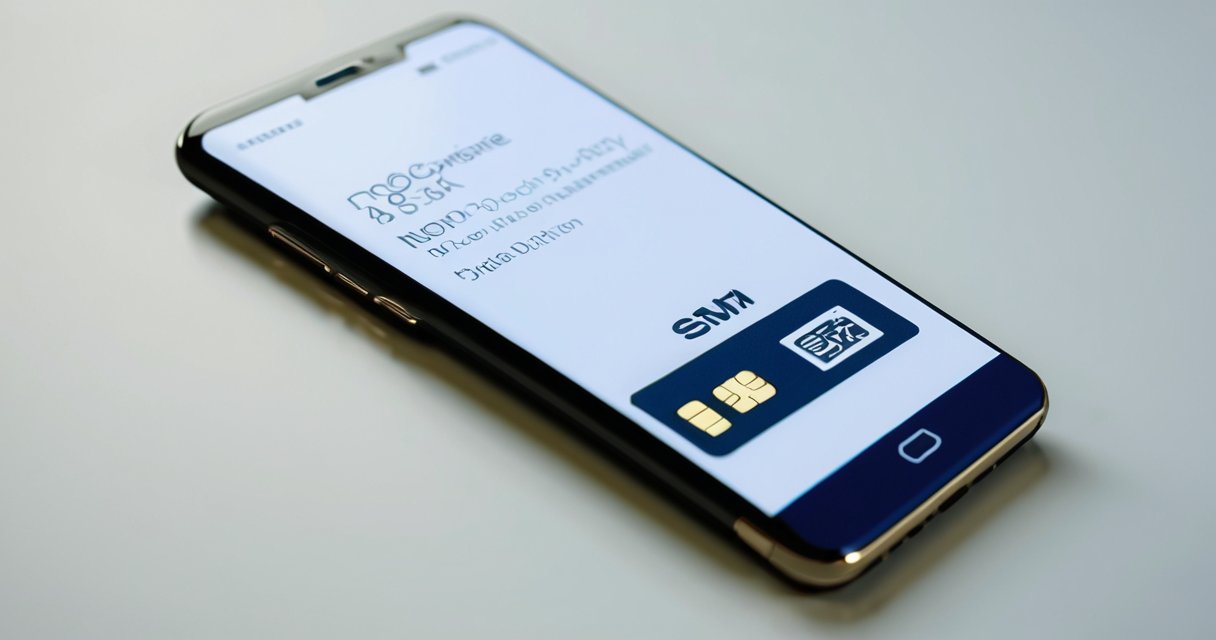
eSIM technology represents a significant shift from traditional physical SIM cards by integrating the SIM directly into the device’s hardware. Unlike removable SIM cards, an embedded SIM can securely store multiple network profiles, enabling seamless mobile connectivity without the need to swap cards. A key aspect of this advancement is remote SIM provisioning, which enables users or carriers to wirelessly download and activate new network profiles.
When a device with an eSIM powers up, it initializes with a basic operating system saved in read-only memory that supports network downloads. The activation begins by connecting to a cellular network or Wi-Fi, which allows the device to safely communicate with the carrier’s provisioning server. This communication enables the downloading of a network profile—a secure software package containing subscriber information and network settings—directly to the eSIM. Consequently, there is no need for physical SIM cards or the manual input of activation codes.
Remote SIM provisioning employs encrypted channels to ensure the secure delivery of network profiles, protecting sensitive subscriber information during the activation process. After a network profile is installed, the device seamlessly integrates it into its communication protocols, offering immediate access to mobile connectivity. This process can be repeated, enabling users to switch carriers or add multiple profiles on one device without the hassle of physically handling SIM cards.
Network switching with eSIM technology has been refined for user-friendliness. Users can effortlessly select or switch between their configured network profiles directly from the device settings, enabling swift changes between various carriers or plans. This capability is particularly advantageous for frequent travelers or those requiring access to multiple mobile service providers. The built-in design of the eSIM removes the typical hardware limitations and delays associated with swapping out physical SIM cards.
In conclusion, eSIM technology leverages remote SIM provisioning to simplify the setup and management of mobile network profiles. This cutting-edge method offers users flexible mobile connectivity, enabling smooth transitions between networks while maintaining security and convenience via integrated hardware and over-the-air updates.
Remote SIM provisioning process
The remote SIM provisioning process is a crucial element that enables eSIM technology to function seamlessly without requiring physical SIM card swaps. This method involves the remote management and installation of carrier profiles directly onto eSIM-compatible devices. When a user wants to activate a new service or switch carriers, the device sends a secure request to the carrier’s server, which then wirelessly delivers the appropriate profile.
Acquiring the profile is a crucial step in remote provisioning. This procedure ensures that the carrier’s digital profile, containing all necessary subscription information, is securely transmitted and installed on the eSIM chip. This eliminates the need for physical SIM cards and manual setup, leading to a smoother activation experience. Users can download the profiles multiple times, allowing them to manage various carriers and switch between them effortlessly.
Once the profile is downloaded and stored on the device, eSIM activation can take place immediately. This process enables the carrier’s network service on the eSIM by activating the profile, allowing the device to connect to the cellular network. Users experience increased convenience as activation is not reliant on changing physical cards or visiting service providers. Moreover, this management approach facilitates the remote updating, removal, or switching of carrier profiles, improving the flexibility of eSIM devices in today’s mobile environment.
Switching carriers and profiles with eSIM
One of the key advantages of eSIM technology is the ease it offers when changing carriers and managing profiles, granting users unmatched network adaptability. Unlike traditional SIM cards that require a physical card swap to change carriers or plans, eSIMs enable users to download and activate different carrier profiles directly on their devices. This digital approach streamlines the entire process, allowing users to quickly switch between mobile carriers without needing a new SIM card.
eSIM simplifies the management of multiple profiles. Users can store several carrier profiles on their device simultaneously, but only one can be activated at a time. This functionality allows them to toggle between various plans or carriers according to their needs, such as choosing a local carrier when traveling internationally to avoid roaming charges or using a different network for better coverage in certain areas. The effortless switching ability greatly enhances network flexibility.
Additionally, many devices that support eSIM technology come with intuitive settings that make changing carriers easy, usually requiring just a few taps to disable one profile and activate another. Carriers provide QR codes or activation codes that users can scan or input to install or update profiles remotely. This seamless profile management capability makes eSIM an ideal choice for individuals seeking flexible mobile connectivity without the hassle of physical SIM cards or complex carrier changes.
Future Impact and Use Cases of eSIM
eSIM technology is rapidly transforming the telecommunications landscape, offering enhanced flexibility and better features for both consumers and businesses. The evolution of SIM technology is directly tied to the growth of eSIM applications, which not only facilitate seamless mobile connectivity but also expand their functionalities across different sectors. As the telecommunications industry increasingly embraces digital solutions, eSIM is poised to become a vital component of connectivity in an increasingly interconnected world.
A key area where eSIM technology is significantly influencing is the Internet of Things (IoT). The integration of IoT with eSIM enables devices such as smart meters, connected vehicles, and industrial sensors to maintain reliable network connections without the need for physical SIM card replacements. This capability supports efficient remote management, enhanced security, and reduced downtime in critical applications, revolutionizing industries like manufacturing, logistics, and agriculture.
In the world of consumer electronics, eSIM technology is increasingly being adopted not only in smartphones and tablets but also in wearables like smartwatches and fitness trackers, allowing users to stay connected independently of their phones. This innovation improves user convenience while promoting the development of wearable health technology, which supports real-time monitoring and emergency response features. Furthermore, the option to switch carriers digitally gives consumers greater control over their mobile plans and international connectivity.
The automotive industry is poised for change through eSIM technology. Connected cars rely on constant communication with cloud services for features such as navigation, diagnostics, entertainment, and safety. With embedded eSIMs, manufacturers can adjust connectivity settings and activate services remotely, eliminating the need for physical SIM swaps, which enhances vehicle durability and customizes user experiences. This advancement also supports the continuous development of autonomous driving technologies that demand dependable and secure network connections.
Looking ahead, eSIM technology will play a crucial role in shaping smart city infrastructures. Its flexibility and scalability will improve public transit, emergency services, and utility management. This advancement will allow governments and service providers to establish comprehensive IoT networks that minimize maintenance expenses and boost responsiveness, addressing the challenges encountered in urban environments.
As telecommunications progress, the future of SIM technology is evolving towards fully digital and integrated connectivity solutions driven by eSIM. This transformation encourages advancements in mobile and industrial devices, resulting in better user experiences, increased operational efficiencies, and improved global connectivity. Embracing eSIM technology today sets the stage for a more interconnected, flexible, and intelligent world ahead.
eSIM in consumer devices
| Device Type | Integration of eSIM | Impact on Consumer Tech |
|---|---|---|
| Smartphones | Most modern smartphones now feature built-in eSIM support alongside physical SIM slots, enabling dual-SIM functionality without additional hardware. Users can activate mobile plans directly from the device without needing a physical card. | Enhances flexibility for users to switch carriers and plans quickly, reduces the need for physical SIM cards, and streamlines device design for slimmer, more compact models. |
| Tablets | Leading tablets incorporate eSIM technology primarily to offer mobile data connectivity options without relying solely on Wi-Fi. eSIMs allow seamless on-the-go internet access, improving user convenience for work and entertainment. | Empowers tablets as practical mobile computing devices, fostering greater independence from Wi-Fi, and encouraging more versatile consumer tech usage patterns. |
| Wearables | Wearables like smartwatches and fitness trackers integrate eSIMs to provide cellular connectivity independent of smartphones. This allows wearables to make calls, send messages, and use data directly via the mobile network. | Transforms wearables into standalone communication devices, boosting their functionality and appeal, and accelerating innovation in consumer tech ecosystems. |
eSIM in IoT and enterprise applications
eSIM technology greatly enhances connectivity for Internet of Things (IoT) devices and enterprise applications. Traditional SIM cards often lead to logistical challenges in IoT deployments due to their physical constraints and the need for manual swaps. eSIMs provide embedded and remotely adjustable connectivity, streamlining the activation and management of IoT devices across different locations and industries.
In industrial IoT environments, where devices frequently operate in challenging or inaccessible locations, eSIMs provide robust and reliable network connectivity without requiring physical access. This feature is particularly crucial for companies that rely on immediate data from sensors, machinery, and monitoring systems. The remote management functionality of eSIMs allows businesses to adjust network profiles as necessary, ensuring continuous service and improving operational efficiency.
Enterprise connectivity sees significant enhancement through eSIM technology, which simplifies the establishment of mobile networks across different locations and devices. Organizations can remotely set up network profiles to support global roaming and lower costs while maintaining security and compliance. eSIMs enable flexible carrier switching, providing businesses with versatility and resilience in their network solutions.
To sum up, integrating eSIM technology into IoT devices and enterprise systems promotes smarter, more scalable, and cost-effective connectivity solutions. This development paves the way for new opportunities in innovation and operational adaptability, allowing businesses to maximize the potential of industrial IoT and their digital transformation efforts.

I’m a lifelong traveler who fell in love with the freedom that eSIM technology offers. Exploring new places while staying seamlessly connected has become my personal mission, and I love sharing practical tips on managing mobile data abroad. When I’m not testing the latest eSIM platforms, I’m mapping out the next adventure.