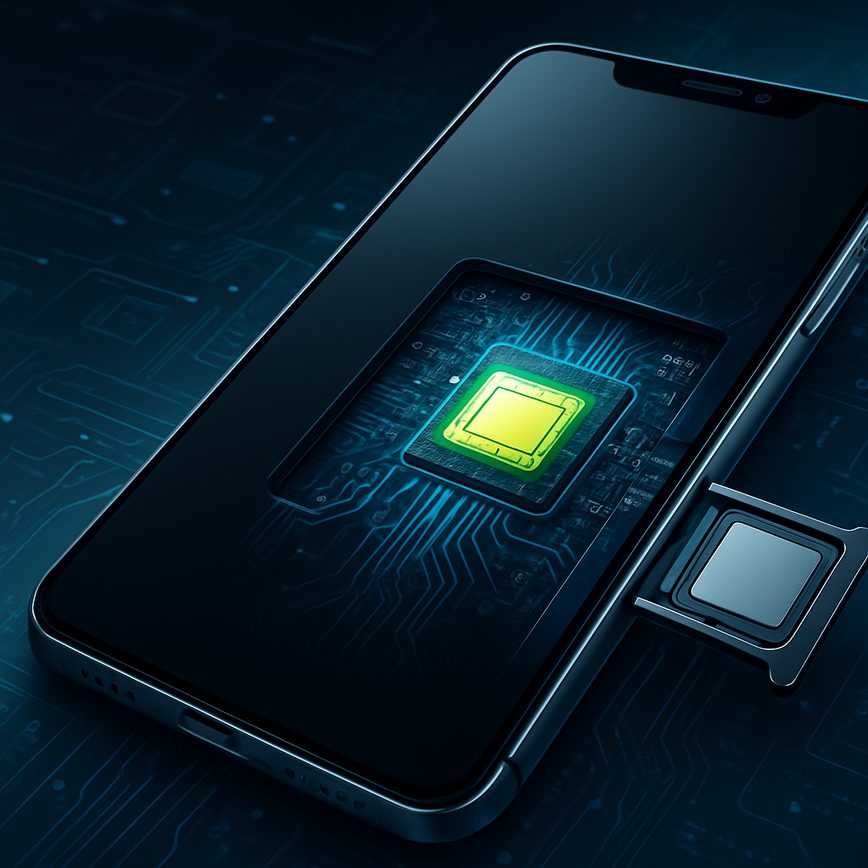
How eSIM improves connectivity management
31/03/2026
With traditional SIM cards, managing mobile connectivity often involves logistical challenges such as purchasing, inserting, or replacing physical cards for different networks. eSIM eliminates these constraints by embedding the SIM functionality within the device, enabling remote provisioning and activation. This simplification boosts efficiency in mobile network management, reducing downtime and administrative overhead.
Another key benefit of eSIM technology is its scalability and adaptability across diverse devices. Whether for smartphones, tablets, wearables, or IoT devices, eSIM allows unified connectivity management under a single system. This centralized approach not only streamlines operations but also ensures consistent and reliable network access across all connected devices, amplifying connectivity benefits for businesses and individuals alike.
Moreover, eSIM supports enhanced security features by minimizing the risk of SIM card theft and cloning, since the data is stored securely on the device and managed digitally. This improvement in security is crucial in safeguarding personal and organizational data, supporting trusted mobile network management practices.
Finally, eSIM fosters global connectivity with ease, as users can activate local carriers’ profiles while traveling without physically swapping SIM cards. This global flexibility reduces roaming costs and provides uninterrupted service, which is a substantial connectivity benefit for frequent travelers and international businesses.
In summary, the adoption of eSIM technology significantly enhances mobile network management by offering ease of use, efficient provisioning, device scalability, improved security, and global connectivity. These eSIM advantages collectively redefine how connectivity is managed, bringing comprehensive benefits to users and enterprises operating in an increasingly connected world.
Simplified Network Switching
eSIM technology revolutionizes the way users manage their mobile connectivity by enabling seamless and digital network switching. Unlike traditional SIM cards that require physical replacement or swapping to change carriers, eSIM allows users to switch between different network providers through software updates. This breakthrough offers unparalleled convenience, eliminating the hassle of handling or losing physical SIM cards.
With eSIM switching, users enjoy greater carrier flexibility as they can easily activate new plans or change service providers without visiting a store or waiting for a new SIM card shipment. This digital approach to network switching simplifies managing multiple carriers and plans, especially for travelers and those who frequently move between regions with varying network coverage.
The ability to switch carriers instantly also means improved connectivity management, as users can quickly adapt to better deals, network performance, or coverage availability. Overall, eSIM technology enhances user experience by offering a streamlined, flexible, and efficient method for network switching, freeing users from the limitations imposed by physical devices.
Improved Device Management
eSIM technology revolutionizes device management by enabling seamless remote provisioning and simplifying the management of multiple devices for both consumers and enterprises. Unlike traditional SIM cards, eSIMs can be activated, switched, and managed over-the-air, eliminating the need for physical replacements or visits to retail stores. This remote provisioning capability significantly reduces the logistical challenges and costs associated with managing numerous devices across different locations.
For consumers, eSIM facilitates effortless switching between carriers and plans, improving flexibility and convenience. Users can activate data plans directly from their device without waiting for a physical SIM, making connectivity management faster and more efficient. Additionally, the streamlined activation process supports travelers who frequently change networks without the hassle of swapping SIM cards.
Enterprises benefit profoundly from eSIM management by gaining centralized control over their device fleets. Remote provisioning allows IT departments to deploy and configure connectivity settings across thousands of devices swiftly. This capability enhances operational efficiency, reduces downtime, and strengthens security by enabling quick updates and modifications to connectivity profiles without physical intervention. As a result, businesses can better monitor and manage network use, optimize costs, and ensure constant connectivity for their workforce.
In summary, eSIM technology transforms device management by providing robust tools for remote provisioning and centralized eSIM management. This not only simplifies the user experience but also delivers scalable and cost-effective solutions to manage connectivity across diverse device ecosystems.
Enhanced Global Connectivity
eSIM technology revolutionizes global connectivity by allowing travelers to activate local plans instantly without the need for physical SIM swaps. Traditionally, international SIM cards or global roaming services required users to switch between physical SIM cards, often causing inconvenience and delays during travel. With eSIM, users can seamlessly subscribe to local carriers digitally, enhancing the ease of managing mobile plans on the go.
By eliminating the need for an international SIM or juggling multiple physical cards, eSIM empowers users to enjoy uninterrupted connectivity worldwide. This technology supports multiple profiles on a single device, enabling travelers to switch between local carriers to secure the best coverage and rates, thereby optimizing their global roaming experience. The convenience of activating a local plan with just a few taps directly improves the efficiency and flexibility of managing mobile connectivity across borders.
Moreover, eSIM enhances global connectivity by reducing dependency on physical SIM logistics, which can be limiting and unreliable in certain regions. This seamless activation of local plans helps users avoid costly roaming charges and complicated network compatibility issues. In sum, the adoption of eSIM technology marks a significant advancement in how users handle international SIM needs, making global connectivity effortless and more accessible everywhere they travel.
Challenges and Future of eSIM Connectivity Management
The rise of eSIM technology marks a transformative shift in connectivity management, yet several eSIM challenges remain that slow widespread adoption. One prominent challenge is the complexity involved in provisioning and managing eSIM profiles across multiple devices and networks. Unlike traditional SIM cards, eSIMs require integrated infrastructure and partnerships between device manufacturers, carriers, and service providers to ensure seamless activation and switching. Additionally, privacy and security concerns arise as eSIM data is remotely managed, demanding robust encryption and authentication standards to prevent unauthorized access or tampering.
Another significant hurdle is the fragmentation of eSIM support in terms of device compatibility and carrier readiness. Many older devices lack eSIM capabilities, and not all carriers worldwide have yet enabled eSIM services, limiting the potential benefit for users in certain regions. This diversity complicates the user experience and slows the standardization of eSIM technology. From a regulatory standpoint, differences in telecommunication laws and policies across countries create additional barriers to seamless global eSIM adoption.
Looking ahead, the future of eSIM in connectivity management appears promising as technology trends continue to evolve. eSIM technology is expected to integrate more deeply with IoT ecosystems, enabling better management of billions of connected devices. The flexibility of eSIMs supports a future where users can easily switch carriers digitally without physical SIM swaps, fostering increased competition and improved service offerings. Moreover, advancements in remote SIM provisioning and management platforms will simplify user interfaces, making connectivity management more intuitive for consumers and enterprises alike.
Future connectivity technology trends indicate growing adoption of eSIM-enabled devices beyond smartphones, including wearables, laptops, and automotive telematics systems. This expansion will drive innovation in network architectures and new business models focused on subscription-based connectivity services. Enhanced security protocols specific to eSIM operations are also expected to develop, addressing current concerns and boosting consumer confidence in eSIM-enabled solutions.
In summary, while eSIM challenges such as infrastructure complexity, fragmented support, and security concerns pose obstacles, the evolution of connectivity technology trends highlights a strong potential for eSIM to revolutionize how connectivity management is handled. The future promises streamlined, flexible, and secure connectivity experiences powered by eSIM technology, paving the way for more dynamic and efficient global communication networks.
Adoption and Compatibility Challenges
eSIM adoption has been gradually increasing, but several challenges continue to slow its widespread acceptance. One of the primary obstacles is device compatibility. Although many newer smartphones, tablets, and wearables support eSIM technology, a significant portion of devices in use today still rely solely on traditional physical SIM cards. This limits the immediate utility of eSIM for a large user base, creating a barrier to faster adoption.
Carrier support is another crucial factor influencing the pace of eSIM adoption. Not all mobile network operators fully support eSIM functionality, especially in regions where legacy infrastructure dominates. Some carriers have been slow to update their systems to accommodate eSIM activation and management, which complicates the user experience and deters potential adopters. The lack of standardized procedures among carriers also adds to interoperability issues, hampering seamless connectivity management.
The industry is actively addressing these challenges through collaboration and technological improvements. Device manufacturers are expanding their eSIM-compatible product lines, while carriers worldwide are investing in infrastructure upgrades to facilitate easier eSIM provisioning. Furthermore, initiatives to establish universal standards for eSIM operation are gaining momentum, aiming to ensure consistent support across devices and networks. These combined efforts are expected to accelerate eSIM adoption by resolving compatibility and carrier support hurdles, ultimately enhancing connectivity management for users globally.
Future Trends in eSIM Technology
The future of eSIM technology is marked by significant advancements that promise to reshape connectivity management across various sectors. One of the most notable trends is the deeper integration of eSIMs within the Internet of Things (IoT), enabling seamless connectivity between a vast array of smart devices. As IoT ecosystems expand, eSIM future developments will focus on optimizing remote provisioning and management capabilities, enhancing device interoperability, and supporting a broader range of applications from smart homes to industrial automation.
Enhanced security measures are also central to the evolution of eSIM technology. With increasing cyber threats, future eSIMs will incorporate advanced encryption and authentication protocols to safeguard user data and network access. These improvements will not only protect individual users but also strengthen the security posture of enterprise and IoT deployments, ensuring robust protection against unauthorized access and fraud.
Moreover, wider industry adoption is expected to accelerate the connectivity evolution enabled by eSIM solutions. Telecommunications providers, device manufacturers, and enterprises are increasingly recognizing the benefits of eSIMs, such as simplifying logistics and improving customer flexibility. This broad acceptance will drive innovation, lower costs, and expand the availability of eSIM-compatible products, paving the way for universal adoption and truly global connectivity solutions.
In summary, the eSIM future is poised to revolutionize how devices connect and communicate, thanks to advances in IoT integration, enhanced security, and growing industry adoption. These trends collectively promise to deliver more efficient, secure, and versatile connectivity solutions for a wide array of use cases, underscoring the transformative potential of eSIM technology in the years to come.
Introduction to eSIM Technology
eSIM, short for embedded SIM, is a revolutionary advancement in connectivity management that redefines how devices connect to mobile networks. Unlike traditional SIM cards, which are physical chips that must be inserted and swapped between devices, an eSIM is a digital SIM embedded directly into a device’s hardware. This eliminates the need for a physical card and allows users to switch carriers or activate new plans remotely, providing a seamless and flexible experience.
The embedded SIM technology offers several advantages over its traditional counterparts. With conventional SIM cards, users often face limitations related to physical card size, damage, and the inconvenience of changing SIMs when traveling or switching service providers. In contrast, eSIMs enable instant profile downloads over the air, allowing users to manage multiple mobile plans on a single device without ever handling a physical card. This capability significantly enhances connectivity management, especially for smartphones, tablets, wearables, and IoT devices.
This shift from physical to digital SIM cards marks a significant innovation in mobile connectivity. eSIMs support multiple profiles simultaneously, which means a user can have personal and work numbers on the same device or activate local data plans while traveling abroad without purchasing a separate SIM. Such flexibility reduces the hassle of dealing with different carriers and streamlines the process of staying connected anywhere in the world.
Moreover, the adoption of eSIM technology aligns perfectly with the growing demand for modern, efficient connectivity management solutions. As more devices become connected and the Internet of Things (IoT) expands, the ability to remotely provision and manage cellular connectivity through eSIMs is crucial. This digital SIM approach provides manufacturers and network operators with a powerful tool to enhance service delivery, reduce logistical challenges related to SIM distribution, and enable faster activation and switching of plans.
In summary, eSIM technology offers a futuristic alternative to traditional SIM cards by embedding a digital SIM within the device itself. Its role in modern connectivity is pivotal, allowing for greater convenience, flexibility, and efficiency in managing mobile network connections. As connectivity management continues to evolve, eSIM stands out as a key enabler of seamless, user-friendly mobile experiences.
What is eSIM?
The term eSIM definition refers to an embedded SIM, which is a modern digital SIM card technology integrated directly into a device’s hardware. Unlike traditional physical SIM cards that need to be inserted or swapped, the embedded SIM meaning highlights that the SIM is built into the device’s motherboard, eliminating the need for a removable card. This integration enhances convenience, security, and flexibility in managing mobile connectivity.
An eSIM is essentially a programmable SIM that allows users to activate and switch between different mobile network operators without physically changing the SIM card. It leverages remote provisioning technology, meaning the operator’s profile is downloaded over the air to the device’s embedded SIM chip. This makes it ideal for modern smartphones, tablets, smartwatches, and IoT devices where space and ease of connectivity management are critical.
Physically, the eSIM is a tiny chip soldered inside the device, conforming to the GSMA standards for remote SIM provisioning. Technically, it operates the same as a traditional SIM in terms of authentication and network access, but its main innovation lies in its digital nature. The digital SIM card supports multiple profiles and can store more than one operator’s information simultaneously, thus offering a seamless way for users to manage their mobile connectivity without the hassle of physical cards.
How eSIM Differs from Traditional SIM Cards
When comparing traditional SIM vs eSIM, the differences are evident in several key areas including form factor, activation process, and flexibility. A physical SIM card is a small, removable chip inserted into a device to connect to a mobile network. This traditional SIM card requires handling and manual swapping when changing carriers or plans.
In contrast, an eSIM (embedded SIM) is a digital SIM embedded directly into a device’s motherboard. Unlike a physical SIM card, the eSIM has no removable parts, making the device slimmer and more durable. This embedded nature also eliminates the need to physically swap SIM cards.
The activation process further distinguishes eSIM from traditional SIM cards. While physical SIM cards need to be physically inserted and activated via carrier settings, an eSIM can be activated remotely by downloading a carrier’s profile over the air. This makes switching networks faster and more convenient, as users can do so without visiting a store or waiting for a SIM card to be shipped.
Flexibility is another major advantage of the eSIM. It allows users to store multiple operator profiles on the same embedded chip and switch between them easily through software settings. This contrasts with the physical SIM card which typically supports only one carrier profile at a time. Overall, the SIM comparison highlights how eSIM technology improves connectivity management by simplifying activation and enhancing user convenience compared to the physical SIM card.
Benefits of eSIM in Connectivity Management
eSIM technology offers significant advantages in the realm of mobile network management, fundamentally transforming how connectivity is handled across devices and networks. One of the foremost eSIM advantages is the seamless management of multiple network profiles without the need for physical SIM cards. This flexibility allows users and administrators to switch between carriers and plans instantly, optimizing connectivity benefits wherever they are.
With traditional SIM cards, managing mobile connectivity often involves logistical challenges such as purchasing, inserting, or replacing physical cards for different networks. eSIM eliminates these constraints by embedding the SIM functionality within the device, enabling remote provisioning and activation. This simplification boosts efficiency in mobile network management, reducing downtime and administrative overhead.
Another key benefit of eSIM technology is its scalability and adaptability across diverse devices. Whether for smartphones, tablets, wearables, or IoT devices, eSIM allows unified connectivity management under a single system. This centralized approach not only streamlines operations but also ensures consistent and reliable network access across all connected devices, amplifying connectivity benefits for businesses and individuals alike.
Moreover, eSIM supports enhanced security features by minimizing the risk of SIM card theft and cloning, since the data is stored securely on the device and managed digitally. This improvement in security is crucial in safeguarding personal and organizational data, supporting trusted mobile network management practices.
Finally, eSIM fosters global connectivity with ease, as users can activate local carriers’ profiles while traveling without physically swapping SIM cards. This global flexibility reduces roaming costs and provides uninterrupted service, which is a substantial connectivity benefit for frequent travelers and international businesses.
In summary, the adoption of eSIM technology significantly enhances mobile network management by offering ease of use, efficient provisioning, device scalability, improved security, and global connectivity. These eSIM advantages collectively redefine how connectivity is managed, bringing comprehensive benefits to users and enterprises operating in an increasingly connected world.
Simplified Network Switching
eSIM technology revolutionizes the way users manage their mobile connectivity by enabling seamless and digital network switching. Unlike traditional SIM cards that require physical replacement or swapping to change carriers, eSIM allows users to switch between different network providers through software updates. This breakthrough offers unparalleled convenience, eliminating the hassle of handling or losing physical SIM cards.
With eSIM switching, users enjoy greater carrier flexibility as they can easily activate new plans or change service providers without visiting a store or waiting for a new SIM card shipment. This digital approach to network switching simplifies managing multiple carriers and plans, especially for travelers and those who frequently move between regions with varying network coverage.
The ability to switch carriers instantly also means improved connectivity management, as users can quickly adapt to better deals, network performance, or coverage availability. Overall, eSIM technology enhances user experience by offering a streamlined, flexible, and efficient method for network switching, freeing users from the limitations imposed by physical devices.
Improved Device Management
eSIM technology revolutionizes device management by enabling seamless remote provisioning and simplifying the management of multiple devices for both consumers and enterprises. Unlike traditional SIM cards, eSIMs can be activated, switched, and managed over-the-air, eliminating the need for physical replacements or visits to retail stores. This remote provisioning capability significantly reduces the logistical challenges and costs associated with managing numerous devices across different locations.
For consumers, eSIM facilitates effortless switching between carriers and plans, improving flexibility and convenience. Users can activate data plans directly from their device without waiting for a physical SIM, making connectivity management faster and more efficient. Additionally, the streamlined activation process supports travelers who frequently change networks without the hassle of swapping SIM cards.
Enterprises benefit profoundly from eSIM management by gaining centralized control over their device fleets. Remote provisioning allows IT departments to deploy and configure connectivity settings across thousands of devices swiftly. This capability enhances operational efficiency, reduces downtime, and strengthens security by enabling quick updates and modifications to connectivity profiles without physical intervention. As a result, businesses can better monitor and manage network use, optimize costs, and ensure constant connectivity for their workforce.
In summary, eSIM technology transforms device management by providing robust tools for remote provisioning and centralized eSIM management. This not only simplifies the user experience but also delivers scalable and cost-effective solutions to manage connectivity across diverse device ecosystems.
Enhanced Global Connectivity
eSIM technology revolutionizes global connectivity by allowing travelers to activate local plans instantly without the need for physical SIM swaps. Traditionally, international SIM cards or global roaming services required users to switch between physical SIM cards, often causing inconvenience and delays during travel. With eSIM, users can seamlessly subscribe to local carriers digitally, enhancing the ease of managing mobile plans on the go.
By eliminating the need for an international SIM or juggling multiple physical cards, eSIM empowers users to enjoy uninterrupted connectivity worldwide. This technology supports multiple profiles on a single device, enabling travelers to switch between local carriers to secure the best coverage and rates, thereby optimizing their global roaming experience. The convenience of activating a local plan with just a few taps directly improves the efficiency and flexibility of managing mobile connectivity across borders.
Moreover, eSIM enhances global connectivity by reducing dependency on physical SIM logistics, which can be limiting and unreliable in certain regions. This seamless activation of local plans helps users avoid costly roaming charges and complicated network compatibility issues. In sum, the adoption of eSIM technology marks a significant advancement in how users handle international SIM needs, making global connectivity effortless and more accessible everywhere they travel.
Challenges and Future of eSIM Connectivity Management
The rise of eSIM technology marks a transformative shift in connectivity management, yet several eSIM challenges remain that slow widespread adoption. One prominent challenge is the complexity involved in provisioning and managing eSIM profiles across multiple devices and networks. Unlike traditional SIM cards, eSIMs require integrated infrastructure and partnerships between device manufacturers, carriers, and service providers to ensure seamless activation and switching. Additionally, privacy and security concerns arise as eSIM data is remotely managed, demanding robust encryption and authentication standards to prevent unauthorized access or tampering.
Another significant hurdle is the fragmentation of eSIM support in terms of device compatibility and carrier readiness. Many older devices lack eSIM capabilities, and not all carriers worldwide have yet enabled eSIM services, limiting the potential benefit for users in certain regions. This diversity complicates the user experience and slows the standardization of eSIM technology. From a regulatory standpoint, differences in telecommunication laws and policies across countries create additional barriers to seamless global eSIM adoption.
Looking ahead, the future of eSIM in connectivity management appears promising as technology trends continue to evolve. eSIM technology is expected to integrate more deeply with IoT ecosystems, enabling better management of billions of connected devices. The flexibility of eSIMs supports a future where users can easily switch carriers digitally without physical SIM swaps, fostering increased competition and improved service offerings. Moreover, advancements in remote SIM provisioning and management platforms will simplify user interfaces, making connectivity management more intuitive for consumers and enterprises alike.
Future connectivity technology trends indicate growing adoption of eSIM-enabled devices beyond smartphones, including wearables, laptops, and automotive telematics systems. This expansion will drive innovation in network architectures and new business models focused on subscription-based connectivity services. Enhanced security protocols specific to eSIM operations are also expected to develop, addressing current concerns and boosting consumer confidence in eSIM-enabled solutions.
In summary, while eSIM challenges such as infrastructure complexity, fragmented support, and security concerns pose obstacles, the evolution of connectivity technology trends highlights a strong potential for eSIM to revolutionize how connectivity management is handled. The future promises streamlined, flexible, and secure connectivity experiences powered by eSIM technology, paving the way for more dynamic and efficient global communication networks.
Adoption and Compatibility Challenges
eSIM adoption has been gradually increasing, but several challenges continue to slow its widespread acceptance. One of the primary obstacles is device compatibility. Although many newer smartphones, tablets, and wearables support eSIM technology, a significant portion of devices in use today still rely solely on traditional physical SIM cards. This limits the immediate utility of eSIM for a large user base, creating a barrier to faster adoption.
Carrier support is another crucial factor influencing the pace of eSIM adoption. Not all mobile network operators fully support eSIM functionality, especially in regions where legacy infrastructure dominates. Some carriers have been slow to update their systems to accommodate eSIM activation and management, which complicates the user experience and deters potential adopters. The lack of standardized procedures among carriers also adds to interoperability issues, hampering seamless connectivity management.
The industry is actively addressing these challenges through collaboration and technological improvements. Device manufacturers are expanding their eSIM-compatible product lines, while carriers worldwide are investing in infrastructure upgrades to facilitate easier eSIM provisioning. Furthermore, initiatives to establish universal standards for eSIM operation are gaining momentum, aiming to ensure consistent support across devices and networks. These combined efforts are expected to accelerate eSIM adoption by resolving compatibility and carrier support hurdles, ultimately enhancing connectivity management for users globally.
Future Trends in eSIM Technology
The future of eSIM technology is marked by significant advancements that promise to reshape connectivity management across various sectors. One of the most notable trends is the deeper integration of eSIMs within the Internet of Things (IoT), enabling seamless connectivity between a vast array of smart devices. As IoT ecosystems expand, eSIM future developments will focus on optimizing remote provisioning and management capabilities, enhancing device interoperability, and supporting a broader range of applications from smart homes to industrial automation.
Enhanced security measures are also central to the evolution of eSIM technology. With increasing cyber threats, future eSIMs will incorporate advanced encryption and authentication protocols to safeguard user data and network access. These improvements will not only protect individual users but also strengthen the security posture of enterprise and IoT deployments, ensuring robust protection against unauthorized access and fraud.
Moreover, wider industry adoption is expected to accelerate the connectivity evolution enabled by eSIM solutions. Telecommunications providers, device manufacturers, and enterprises are increasingly recognizing the benefits of eSIMs, such as simplifying logistics and improving customer flexibility. This broad acceptance will drive innovation, lower costs, and expand the availability of eSIM-compatible products, paving the way for universal adoption and truly global connectivity solutions.
In summary, the eSIM future is poised to revolutionize how devices connect and communicate, thanks to advances in IoT integration, enhanced security, and growing industry adoption. These trends collectively promise to deliver more efficient, secure, and versatile connectivity solutions for a wide array of use cases, underscoring the transformative potential of eSIM technology in the years to come.

I’m a lifelong traveler who fell in love with the freedom that eSIM technology offers. Exploring new places while staying seamlessly connected has become my personal mission, and I love sharing practical tips on managing mobile data abroad. When I’m not testing the latest eSIM platforms, I’m mapping out the next adventure.