Tips for seamless onboarding with eSIM
09/03/2026
Understanding eSIM Technology
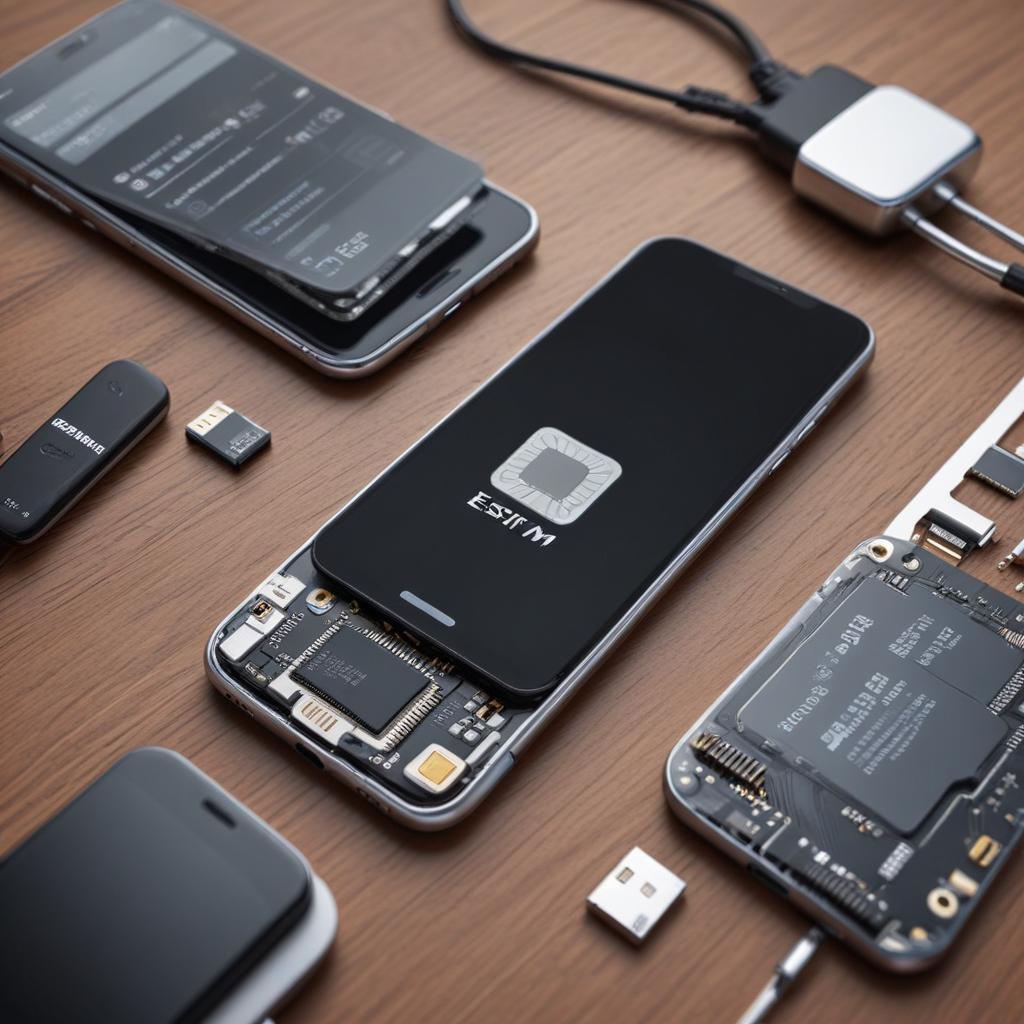
eSIM technology, short for embedded SIM, represents a significant evolution in mobile connectivity. Unlike traditional physical SIM cards that you insert into your device, an eSIM is a digital SIM embedded directly into your smartphone, tablet, or other connected devices. This digital SIM is rewritable and programmable, allowing users to switch carriers or plans without needing to physically replace a SIM card.
At its core, eSIM technology is a small chip soldered onto the device’s motherboard. Through a software interface, this embedded SIM downloads and manages carrier profiles remotely, enabling a seamless activation process. Instead of waiting for a physical SIM card to be shipped or purchased, users can activate a cellular plan instantly via an app or QR code provided by the carrier.
The advantages of eSIM basics over traditional SIM cards are numerous. First, the absence of a physical card tray means devices can be made slimmer and more water-resistant. This embedded approach reduces the risk of losing or damaging a SIM card. Additionally, eSIM technology supports multiple carrier profiles on a single device, which is especially beneficial for international travelers who can switch between local plans without swapping cards.
Moreover, eSIM technology simplifies the onboarding process for new users and enterprises by eliminating the logistics of SIM distribution. It offers enhanced security as the profiles stored on an eSIM can be remotely managed, updated, or deactivated, reducing the risk associated with SIM swapping fraud. The digital SIM also supports future innovations in IoT devices, where compact size and remote management are critical.
In summary, the shift to eSIM represents a step towards more flexible, efficient, and convenient mobile connectivity. By understanding the embedded SIM concept and its benefits, consumers and businesses alike can embrace a future where managing mobile data and connectivity is as easy as downloading a software update.
Benefits of Using eSIMs
eSIM technology offers remarkable advantages that transform the way users and providers manage mobile connectivity. One of the primary eSIM benefits is convenience; users no longer need to physically swap SIM cards when switching carriers or traveling internationally. This eliminates the hassle of handling tiny SIM cards and saves time, making device management far smoother and more user-friendly.
Flexibility is another significant advantage of eSIMs. Users can store multiple profiles on a single device and switch between them effortlessly without needing to obtain new physical cards. This flexibility is highly beneficial for people who require different phone numbers for work, personal use, or travels, as it allows seamless transitions between networks with just a few taps.
From a connectivity standpoint, eSIMs enable instant activation and service provisioning. Providers can offer immediate network access without requiring physical SIM distribution, accelerating the onboarding process. This instant connectivity enhances customer experience by reducing wait times and simplifying activation workflows. Additionally, eSIMs support remote management, allowing providers to update profiles and troubleshoot issues over the air, thus improving operational efficiency.
Overall, the combination of convenience, flexibility, and instant connectivity makes eSIMs a game-changer in mobile technology. These advantages not only empower users with more control and freedom but also offer providers streamlined processes and innovative service possibilities.
Common Uses of eSIMs
eSIM technology has revolutionized mobile connectivity by offering a versatile and flexible alternative to traditional SIM cards. One of the most common use cases for eSIMs is in smartphones, where they enable users to switch carriers and plans with ease without the need for physical SIM changes. This flexibility is especially useful for travelers and those who frequently change mobile networks.
Wearables such as smartwatches and fitness trackers increasingly rely on eSIM applications to maintain a constant connection without being tethered to a smartphone. This independence enhances usability and convenience, allowing users to stay connected for calls, messages, and data services on the go.
Beyond personal devices, eSIMs play a critical role in the expanding ecosystem of IoT devices. From smart home gadgets to industrial equipment, eSIMs offer seamless connectivity solutions that can be remotely managed and updated, ensuring devices remain connected without manual intervention. This is particularly important in scenarios where physical access to devices is limited or impractical.
Overall, the broad range of eSIM applications demonstrates the versatility of this technology. From enhancing mobile connectivity in everyday consumer electronics to enabling sophisticated IoT deployments, eSIMs are transforming how devices connect and communicate.
Best Practices for a Seamless eSIM Onboarding Process
Ensuring a smooth eSIM onboarding process is crucial for businesses looking to enhance user experience and streamline the activation process. Here are several practical tips and strategies to help companies deliver a seamless eSIM onboarding journey for their customers.
First, simplify the activation process by providing clear, step-by-step instructions tailored to different devices and platforms. Many users may be new to eSIM technology, so intuitive guidance that covers scanning QR codes, downloading profiles, and activating service reduces confusion and frustration.
Next, optimize your digital interfaces for mobile use. Since eSIM setup is often completed on smartphones, having a responsive, user-friendly onboarding portal or app is essential. This ensures that users can easily navigate the process without unnecessary delays or technical issues.
Offering proactive customer support is another valuable strategy. Integrate live chat, help centers, or chatbot assistance directly within the onboarding interface to promptly address common questions or issues. Real-time support boosts confidence and minimizes abandonment during activation.
Consider automating as many steps as possible to reduce manual input. For example, auto-detecting device compatibility and suggesting appropriate eSIM plans based on user location or device model can speed up the onboarding flow and improve accuracy.
Ensure transparency around activation timelines and potential limitations. Inform users upfront about how long the activation process will take and any temporary service interruptions, setting realistic expectations that enhance trust and satisfaction.
Finally, gather feedback after the onboarding process completes. Use surveys or in-app prompts to understand user challenges and continuously refine your setup tips and support resources, fostering continuous improvement in the eSIM onboarding experience.
By implementing these best practices, businesses can significantly improve the user experience surrounding eSIM onboarding and activation. A well-designed process not only boosts customer satisfaction but also encourages wider adoption of innovative mobile connectivity technologies.
Simplify Activation Steps
Streamlining the eSIM activation process is essential for providing a smooth user experience. One of the most effective ways to achieve this is by offering clear, step-by-step user instructions that guide customers through each stage of activation. Instructions should be concise and visually intuitive to minimize confusion and customer support requests.
Integrating QR codes as part of the activation process significantly enhances ease of use. Users can simply scan the QR code with their device to automatically load the necessary eSIM profile, eliminating the need for manual entry of activation details. This automation reduces setup time and errors, making the entire activation much more efficient.
Providing easy setup tools and comprehensive guides that complement the QR code activation ensures users feel confident throughout the process. Including troubleshooting tips, FAQs, and quick access to support can further simplify onboarding. Overall, combining well-designed user instructions with technology like QR codes creates a seamless and hassle-free activation experience for every customer.
Enhance Customer Support
Providing proactive and accessible customer support is crucial for a smooth eSIM onboarding experience. As users navigate the new process of activating and managing eSIMs, they may encounter challenges that require immediate troubleshooting and user assistance. Establishing a responsive helpdesk that is readily available to address queries ensures users feel supported and confident throughout their journey.
Effective customer support teams should be well-trained in eSIM technology and common issues, enabling them to resolve problems swiftly and accurately. Clear communication channels, whether through live chat, phone, or email, make it easier for customers to reach out when they need help. This accessibility not only reduces frustration but also minimizes delays in eSIM activation, leading to higher customer satisfaction.
Moreover, a knowledge base or FAQ section tailored to common troubleshooting scenarios empowers users to find answers independently, complementing the helpdesk services. By prioritizing user assistance and maintaining a proactive support approach, businesses can greatly enhance the overall onboarding experience and build trust with their customers in the evolving landscape of digital connectivity.
Optimize User Communication
Effective user notifications are critical to maintaining engagement and ensuring a smooth eSIM onboarding process. A well-structured communication strategy begins with timely alerts that guide users step-by-step, reducing confusion and frustration. Deliver clear, concise messages regarding activation status, troubleshooting tips, and important updates to keep users informed at every stage.
Utilize multiple channels such as in-app notifications, emails, and SMS to accommodate user preferences and increase the likelihood of message reception. Consistency in tone and branding throughout the communication enhances trust and reinforces professionalism. Additionally, segment your user base to tailor messages, making them more relevant and personalized, which boosts user engagement.
Frequent updates help manage user expectations, especially during process delays or technical issues. Proactive communication reassures users that their service experience is a priority, minimizing frustration and potential support interventions. Incorporate feedback loops to allow users to ask questions or report issues easily, fostering a two-way communication channel that supports continuous improvement.
By optimizing user communication with clear and timely messaging, you enhance overall satisfaction and create a seamless journey through eSIM onboarding. Prioritize a communication strategy that emphasizes transparency and user-centricity to retain trust and drive successful activations.
Challenges and Solutions in eSIM Onboarding
The adoption of eSIM technology presents various challenges during the onboarding process, often causing delays and frustrations for users and service providers alike. Understanding these common eSIM challenges is crucial to developing effective solutions that enable a smooth transition from traditional SIM cards to embedded SIMs.
One primary issue encountered during onboarding is the technical hurdles associated with device compatibility and network provisioning. Many devices may support eSIM functionality but differ in how they onboard profiles, causing inconsistencies in user experience. Additionally, integrating with multiple mobile network operators (MNOs) with varying standards increases complexity and may result in onboarding failures or interruptions.
Addressing these onboarding issues requires a comprehensive approach. Firstly, ensuring that devices fully support the latest eSIM specifications can minimize compatibility problems. Network operators should adopt standardized onboarding protocols such as GSMA’s Remote SIM Provisioning (RSP) to promote interoperability and reduce errors. This harmonization significantly eases the provisioning process across different operators and devices.
Another challenge lies in the user interface and experience during the eSIM activation process. Confusing steps, unclear instructions, or lack of immediate support can create friction, resulting in abandoned onboarding attempts. To combat this, intuitive and user-friendly activation flows with clear guidance and automated troubleshooting increase completion rates and customer satisfaction.
Security concerns also pose challenges during eSIM onboarding. Since profiles are downloaded over the air, ensuring secure transmission and authentication is crucial to protect user data and prevent unauthorized profile changes. Implementing robust encryption and stringent verification protocols is essential to maintaining trust in the eSIM system.
Lastly, educating end-users and frontline support teams about eSIM technology and its benefits can mitigate onboarding issues. Providing training materials, FAQs, and proactive customer service helps resolve common questions and technical hitches quickly, paving the way for a seamless onboarding experience.
By recognizing these eSIM challenges and implementing best practices—such as adherence to standards, user-centric design, strong security measures, and comprehensive education—service providers can significantly enhance the onboarding journey. As a result, the adoption of eSIM technology becomes more accessible and reliable for all stakeholders involved.
Dealing with Device Compatibility
Ensuring device compatibility is a crucial step in the seamless onboarding process with eSIM technology. Not all devices support eSIM functionality, which makes checking device compatibility vital before initiating the onboarding process. Supported devices must have the necessary hardware and software capabilities to enable eSIM activation and management without issues.
Hardware issues can be a significant barrier to eSIM onboarding, especially if the user’s device does not have an embedded SIM chip or is running on outdated firmware versions. Compatibility testing is therefore essential to identify any limitations early and provide alternative solutions to users. This testing can include verifying device models against a list of supported devices and testing the activation process on different hardware configurations.
To overcome device compatibility limitations, providers can offer multiple options such as physical SIM cards alongside eSIM, or guide users to firmware updates that enable support. Additionally, clear communication about supported devices and proactive compatibility testing helps reduce friction and enhances user satisfaction. By prioritizing device compatibility, businesses ensure a smoother eSIM onboarding journey for all users, minimizing hardware issues and activation failures.
Addressing Security Concerns
eSIM security is a critical aspect of the activation process that must not be overlooked. As eSIM technology allows remote provisioning of mobile profiles without a physical card, it introduces unique security challenges. One of the primary concerns is ensuring data protection during the transfer and storage of user information. Encryption plays a vital role in safeguarding this data from unauthorized access, ensuring that sensitive user details remain confidential throughout the eSIM activation workflow.
Another significant security challenge is maintaining user privacy. With the ability to switch carriers digitally, users’ personal and location data could be vulnerable if not properly protected. Employing robust encryption protocols during communication between the device, network operators, and the eSIM management platform helps mitigate risks of interception or tampering. Additionally, secure authentication methods must be implemented to verify the legitimacy of activation requests, preventing fraudulent use.
Best practices for addressing these security challenges include the use of end-to-end encryption, regular security audits, and compliance with data protection regulations such as GDPR. Operators should also educate users on the importance of device security and encourage the use of strong passwords and biometric authentication. By focusing on these strategies, companies can ensure eSIM activation processes are secure, protecting both user data and privacy effectively.
Minimizing User Errors During Setup
Designing an intuitive onboarding flow is crucial for minimizing user errors and enhancing the overall onboarding UX. Begin by providing clear setup guidance that anticipates common mistakes and offers step-by-step instructions in simple language. Use visual cues such as icons, progress indicators, and tooltips to guide users through each stage, helping them avoid confusion.
Incorporate real-time validation to catch errors before users proceed to the next step. For example, check for correct input formats and provide immediate feedback if something needs correction. This proactive approach to error prevention saves users time and frustration, fostering a smoother onboarding experience.
Consider including short instructional videos or interactive demos that demonstrate the setup process. This can reduce user errors by showing exactly what to expect and how to respond to prompts. Additionally, streamline form fields and limit unnecessary input requests, as too many options can overwhelm users and increase the chances of mistakes.
Lastly, offer accessible support channels such as chatbots or help centers directly within the onboarding flow. Users who encounter issues can quickly get assistance without abandoning the process. By focusing on clear, supportive setup guidance and robust error prevention mechanisms, you significantly improve onboarding UX and minimize user errors.

I’m a lifelong traveler who fell in love with the freedom that eSIM technology offers. Exploring new places while staying seamlessly connected has become my personal mission, and I love sharing practical tips on managing mobile data abroad. When I’m not testing the latest eSIM platforms, I’m mapping out the next adventure.