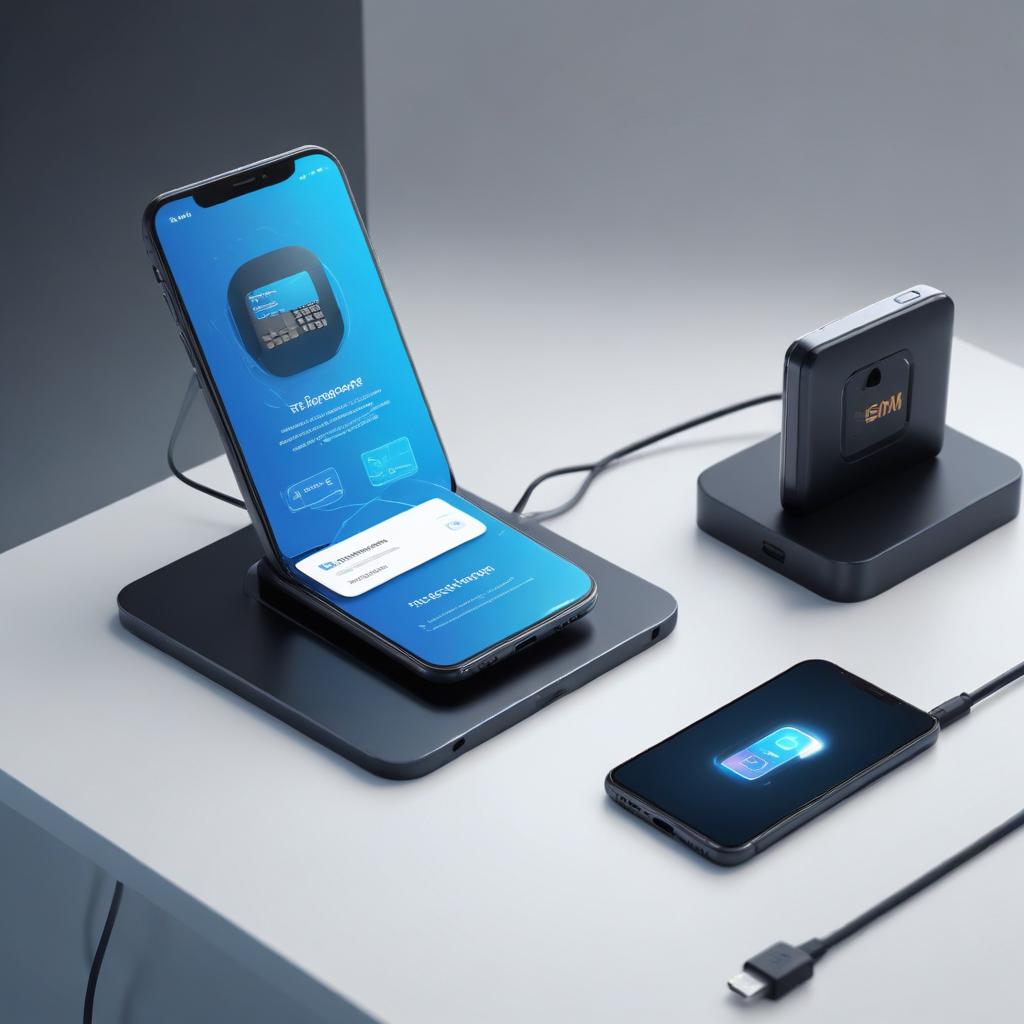
How eSIM enables instant connectivity
28/02/2026
Understanding eSIM Technology
eSIM technology, also known as embedded SIM or digital SIM, represents a significant evolution in mobile connectivity. Unlike traditional physical SIM cards, which are small, removable chips used to identify and authenticate subscribers on mobile networks, an eSIM is a programmable chip embedded directly into a device’s hardware. This embedded nature eliminates the need for a physical card, enabling seamless switching between carriers and plans without ever having to change a physical SIM.
The core advantage of eSIM technology lies in its digital flexibility. Where physical SIM cards require manual handling and physical insertion into devices, the eSIM operates through software, allowing users to download and activate carrier profiles remotely. This not only simplifies the process of connecting to a network but also enhances convenience, particularly for travelers and those who need to frequently switch between carriers or plans.
From a technology perspective, an eSIM chip is integrated into the device’s motherboard during manufacturing. It is compliant with the GSMA’s specifications, which define the security and management protocols required for remote SIM provisioning. This means that mobile connectivity is managed via secure, encrypted communications that allow carriers to remotely install, update, or delete carrier profiles on the eSIM, all without physical interaction. This technological foundation enables faster, more reliable mobile network access and facilitates innovations such as IoT connectivity and multi-profile management.
Because the eSIM is embedded, it also frees up physical space inside modern smartphones and other connected devices, allowing manufacturers to create slimmer devices or enhance other internal components such as batteries or cameras. Moreover, the ability to handle multiple profiles on a single eSIM means users can maintain multiple mobile numbers or plans for personal, business, or travel use on one device.
In summary, eSIM technology redefines mobile connectivity by replacing the traditional physical SIM card with a digital, embedded solution. It offers greater flexibility, enhanced security, and streamlined network management — transforming how consumers and enterprises connect to mobile networks worldwide.
What is eSIM and How It Works
eSIM, short for embedded SIM, represents a significant advancement in the evolution of SIM cards. Unlike traditional physical SIM cards, an eSIM is embedded directly into a device’s motherboard during manufacturing, eliminating the need for a removable card. This innovation allows users to activate and manage cellular plans digitally without needing to swap physical cards.
The operational mechanism of eSIM involves storing multiple network profiles securely within the embedded chip. Users can switch between these profiles or activate new ones over the air, offering flexibility and convenience. This means you can easily change carriers or plans without visiting a physical store or waiting for a SIM delivery. eSIM technology simplifies connectivity, especially for frequent travelers who need to switch networks seamlessly.
As the SIM card evolution progresses, eSIMs are becoming standard in many modern devices, including smartphones, tablets, smartwatches, and laptops. This embedded solution not only streamlines device design but also enhances security and durability by reducing physical components susceptible to damage or loss. Understanding the eSIM definition and how it works is essential as more industries adopt this technology for instant and flexible connectivity.
Advantages of Using eSIM Over Traditional SIM
The advantages of eSIM technology are transforming the way we think about mobile connectivity. One of the main advantages of eSIM lies in its remarkable flexibility. Unlike traditional SIM cards that require physical swapping, an eSIM is embedded directly into the device, allowing users to easily switch between carriers or plans without needing to change the physical SIM card. This flexibility is particularly beneficial for travelers who frequently move between countries and need local connectivity options without the hassle of purchasing and inserting new SIM cards.
Convenience is another key benefit associated with eSIM usage. Activation can be done remotely and instantly, eliminating the need to visit a store or wait for SIM delivery. This instant provisioning means users can enjoy seamless connectivity right from the moment they power on a new device or require additional network access. The ease of managing multiple profiles on a single device ensures that users can keep their personal and work numbers separate and switch between them effortlessly.
In addition to flexibility and convenience, eSIM offers improved connectivity benefits as well. Because it integrates directly into the device hardware, it supports greater reliability and performance. Network providers can push updates and optimize connections without interruptions caused by physical SIM replacements. Overall, the SIM card comparison highlights eSIM’s superiority in delivering a streamlined, user-centric experience that enhances mobile connectivity for consumers and businesses alike.
How eSIM Enables Instant Connectivity
eSIM technology revolutionizes the way mobile devices connect to networks by enabling instant connectivity without the delays commonly associated with traditional SIM cards. Unlike physical SIMs, which require a manual insertion process and often necessitate visiting a store or waiting for a SIM card to be delivered, eSIMs operate digitally. This means that eSIM activation happens over the air, allowing users to download their network profiles directly onto their device within moments.
The process begins with the user selecting a mobile network plan, often through an app or website. Once selected, the network operator provisions the eSIM profile remotely and sends it to the device via a secure online network. The device’s embedded SIM chip then downloads and installs the profile instantly, enabling immediate access to the mobile network. This streamlined setup dramatically reduces waiting times, making the transition seamless and fast compared to traditional methods that involve physical SIM swapping and activation delays.
One of the core reasons why eSIM offers enhanced connectivity speed is its digital nature. Physical SIM activations often require a series of manual steps, including SIM card distribution, installation, and activation verification by the carrier. In contrast, eSIMs eliminate these steps through remote provisioning and simple software-based activation. This not only speeds up the connection process but also reduces logistical challenges and costs for both consumers and network providers.
Moreover, eSIMs support multiple network profiles stored on a single device, allowing users to switch operators or plans instantly without physically changing SIM cards. This flexibility enables faster adaptation to different network conditions or regional choices, further establishing eSIM as a superior solution for quick and convenient mobile connectivity. Mobile network providers can update or change subscriptions remotely, providing users with uninterrupted access and faster service upgrades.
In summary, the instant connectivity facilitated by eSIM is made possible by digitizing the SIM activation process and leveraging secure over-the-air provisioning. This eliminates traditional physical barriers, accelerates connection times, and enhances user convenience. As eSIM adoption grows, it continues to redefine how consumers experience mobile networks by prioritizing speed, flexibility, and seamless accessibility in a way traditional SIM cards simply cannot match.
Instant Activation and Network Switching
One of the most transformative features of eSIM technology is its ability to enable instant activation and seamless network switching. Unlike traditional physical SIM cards that require manual swapping, eSIM provisioning allows users to activate a new mobile plan virtually within minutes. This instant activation eliminates the waiting periods typically associated with obtaining and inserting a physical SIM, making mobile connectivity faster and more convenient.
With eSIMs, switching between mobile networks is effortless. Users can choose and switch carriers directly from their device settings without physically changing SIM cards. This capability is particularly beneficial for frequent travelers or those who want to take advantage of different network offers and coverage. The process is smooth and instantaneous, facilitated by remote provisioning of the eSIM profiles over the air.
The flexibility offered by eSIM provisioning also encourages competition among mobile networks, driving better prices and services. By removing the barriers linked to physical SIM cards, eSIM technology empowers users with greater control over their mobile connectivity. In sum, instant activation combined with seamless network switching revolutionizes how users interact with mobile networks, providing unparalleled convenience and efficiency.
Benefits to Consumers and Businesses
eSIM technology offers significant consumer benefits by providing flexible connectivity that enhances the overall user experience. One of the primary advantages for consumers is the ease of use; with eSIMs, users can activate a mobile plan without the need for physical SIM cards. This streamlines device setup and reduces the hassle of managing multiple SIM cards, especially beneficial for those who switch devices frequently.
Travel ease is another major benefit, as eSIM enables instant access to local carriers wherever you go, avoiding costly roaming fees and complicated SIM swaps. Consumers can seamlessly switch networks and manage plans directly from their devices, making international travel smoother and more affordable. This flexibility ensures that connectivity is always available and reliable, crucial in a highly mobile world.
From a business perspective, eSIM technology delivers distinct advantages in device management and operational efficiency. Enterprises can remotely provision and manage multiple devices through a centralized platform, reducing the time and cost associated with physical SIM distribution. This enhanced device management capability supports scalable IoT deployments and ensures continuous connectivity across diverse locations.
Overall, both consumers and businesses benefit from the agility and convenience of eSIM technology. By eliminating physical constraints, it fosters a new level of connectivity that adapts to modern mobility needs, empowering users and organizations alike with seamless, flexible, and cost-effective communication solutions.
Future Trends and Challenges of eSIM
The future of eSIM technology is poised to revolutionize the way we connect to mobile networks, driving significant shifts in connectivity trends and mobile technology as a whole. As eSIM adoption continues to grow, we can expect to see several key trends shaping the landscape.
One of the major future trends in eSIM technology is its expanding role in enabling seamless and instant connectivity across various devices beyond smartphones, including wearables, IoT devices, and even connected vehicles. This broadening ecosystem will enhance user experience by allowing effortless switching between carriers and plans without physical SIM cards. The flexibility offered by eSIM will further empower consumers and businesses to optimize their mobile connectivity according to their evolving needs.
Technological advancements will also drive the evolution of eSIMs, with improvements in security features, better integration with cloud platforms, and enhanced management tools for consumers and service providers alike. These advancements will make eSIM activation and management more streamlined, fostering faster adoption globally. Moreover, mobile technology trends such as 5G expansion will complement eSIM’s functionalities, offering high-speed, low-latency connectivity that caters to demanding applications like augmented reality, remote work, and smart city infrastructure.
However, several challenges remain in the widespread adoption of eSIM technology. One significant challenge is the need for greater standardization across different manufacturers and carriers to ensure compatibility and seamless user experience. Regulatory hurdles in various regions may also slow down the rollout as governments assess privacy and security implications. Additionally, educating consumers about the benefits and usage of eSIM will be vital to overcoming resistance to change.
Security is another critical area of concern, as eSIMs store sensitive data that must be protected from unauthorized access and cyber threats. Innovations in encryption and authentication methods will be necessary to safeguard user information and maintain trust in eSIM technology.
In conclusion, while the eSIM future is bright with promising connectivity trends and technological breakthroughs, addressing challenges such as standardization, regulation, consumer awareness, and security will be essential for realizing its full potential. As mobile technology continues to evolve, eSIM stands as a cornerstone for a more connected, flexible, and user-centric digital world.
Growing Adoption in Different Devices
The rapid growth in device adoption of eSIM technology is reshaping how users connect instantly across various platforms. Smartphones have led the charge, with many leading brands now integrating eSIM capabilities directly into their devices. This eliminates the need for physical SIM cards, allowing users to switch carriers or activate new plans seamlessly without waiting for card delivery. The convenience and flexibility offered by eSIM compatible devices have significantly accelerated consumer acceptance and market penetration.
Beyond smartphones, the adoption of eSIMs is extending rapidly into the wearable tech sector. Devices such as smartwatches and fitness trackers increasingly come with embedded eSIMs, enabling them to function independently from smartphones. This is particularly valuable for users who want to stay connected on the go, making calls, sending messages, and accessing data without carrying their phones. The integration of eSIM in these wearables amplifies their utility and enhances the instant connectivity experience.
In addition to consumer electronics, the Internet of Things (IoT) devices are benefiting greatly from embedded eSIM technology. From smart home systems to industrial sensors, IoT devices require reliable and flexible network connections that eSIMs facilitate. The ability to remotely manage connectivity, activate new plans, and switch providers without physical intervention is crucial for scalable deployment of IoT ecosystems. This growing integration across smartphones, wearables, and IoT devices is driving a major shift toward instant global connectivity, creating a seamless user experience across diverse applications.
Security and Privacy Considerations
As eSIM technology gains widespread adoption, eSIM security and privacy concerns have become paramount. Unlike traditional SIM cards, eSIMs are embedded chips that can be remotely programmed, which introduces unique challenges in data protection and mobile security. One major concern is the risk of unauthorized access to the eSIM profile, potentially allowing hackers to intercept calls, data, or even impersonate the device owner.
To address these risks, robust encryption protocols are employed during the eSIM provisioning and activation process. Mobile operators and device manufacturers implement multi-layered security frameworks that protect the eSIM profile data both in transit and at rest. Secure key management and authentication mechanisms ensure that only authorized parties can remotely update or change eSIM profiles, significantly reducing the potential attack surface.
Privacy concerns are also central to the adoption of eSIM technology. Since eSIM enables more seamless and frequent switching between network providers, it raises questions about how user data is collected, stored, and shared. Regulatory compliance like GDPR and industry standards help safeguard user information by mandating transparency and user consent regarding data usage.
Overall, the mobile security industry continuously evolves to counter new threats related to eSIM technology. Through stringent data protection measures, ongoing security updates, and enhanced privacy controls, eSIM-based devices offer secure and trusted connectivity options without compromising user privacy.

I’m a lifelong traveler who fell in love with the freedom that eSIM technology offers. Exploring new places while staying seamlessly connected has become my personal mission, and I love sharing practical tips on managing mobile data abroad. When I’m not testing the latest eSIM platforms, I’m mapping out the next adventure.