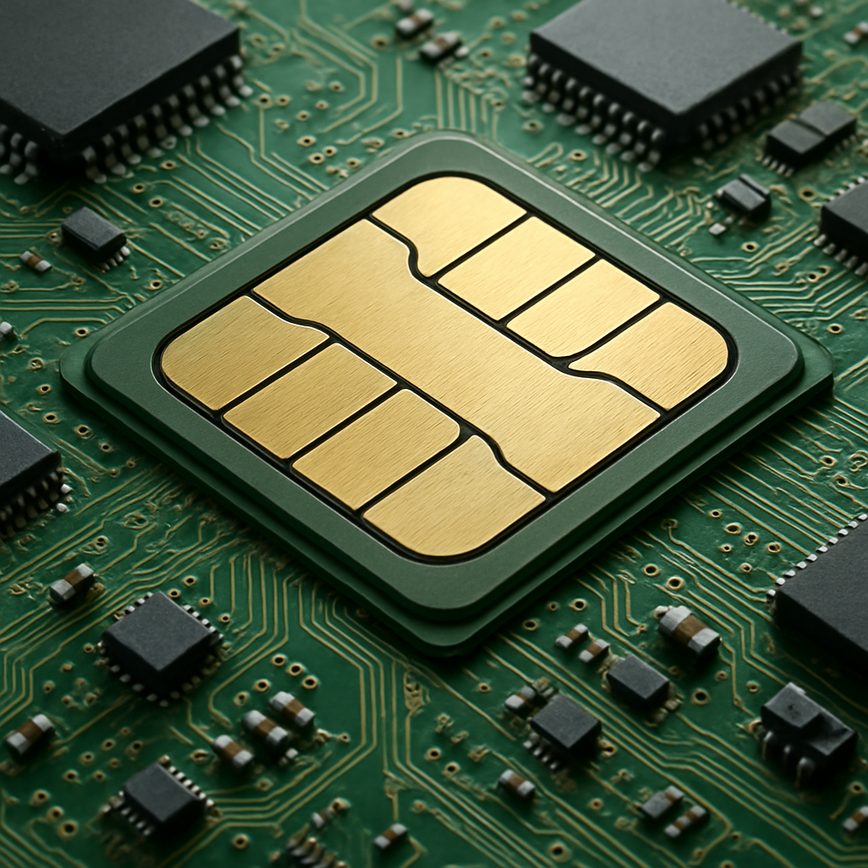
How embedded SIM improves connectivity stability
15/05/2026
Understanding Embedded SIM Technology
Embedded SIM, commonly known as eSIM, is a revolutionary advancement in connectivity technology that replaces the traditional physical SIM card. Unlike the conventional SIM card, which requires manual insertion and replacement, an embedded SIM is a small chip permanently soldered onto the circuit board of a device. This fundamental change enables devices to connect to cellular networks more flexibly and efficiently.
The core concept behind eSIM technology is its ability to securely store multiple cellular profiles directly within the device. This eliminates the need for physical SIM cards and allows users to switch carriers or data plans remotely without swapping out hardware. With eSIM, you can manage your mobile service digitally, making it particularly beneficial for travelers or those who frequently change network providers.
In contrast to SIM card basics, where a physical card must be purchased and inserted to gain network access, eSIM technology simplifies and streamlines connectivity. The embedded nature of eSIM reduces device complexity and increases durability by removing the SIM card tray and reducing entry points for dust and water. This integration is also more space-efficient, allowing manufacturers to design smaller, slimmer devices with additional features.
Embedded SIM technology plays a crucial role in modern devices, from smartphones and tablets to wearables and IoT gadgets. Its ability to support multiple network profiles simultaneously enhances connectivity stability by ensuring devices maintain better signal quality and quicker network switching. This is especially important in an era where connectivity technology must cater to diverse environments and use cases, including remote work, on-the-go connectivity, and widespread device interconnectivity.
Overall, the transition from traditional SIM cards to embedded SIM technology marks a significant leap forward in cellular connectivity. By embedding the SIM within devices, eSIM technology offers flexibility, convenience, improved device design, and enhanced connectivity stability for modern mobile users worldwide.
How Embedded SIM Differs from Traditional SIM
The comparison between embedded SIMs and traditional SIM cards highlights significant advancements in mobile connectivity technology. Fundamentally, the form factor is the most obvious difference. Traditional SIM cards are physical, removable chips that users insert into their devices. These come in various sizes like mini, micro, or nano SIMs. In contrast, an embedded SIM (eSIM) is a small chip soldered directly onto the device’s circuit board, making it non-removable and eliminating the need for a physical card slot.
From a programmability perspective, the embedded SIM offers more flexibility. Unlike the traditional SIM that requires physically swapping cards to change carriers or plans, an eSIM can be programmed remotely through software. This capability enables seamless switching between network operators without the hassle of obtaining and inserting a new SIM card, thus streamlining connectivity management.
Integration is another area where embedded SIMs stand out in this SIM comparison. Their incorporation as part of the device’s hardware improves durability and water resistance since there is no exposed SIM slot. Moreover, eSIM technology supports multiple profiles, allowing several carrier plans on the same device, which is especially beneficial for travelers or those requiring multiple numbers.
The evolution from traditional SIM cards to embedded SIMs marks a shift toward smarter, more versatile mobile connectivity solutions, offering users enhanced convenience, improved device design, and greater network flexibility.
Compatibility and Device Support
Embedded SIM technology is increasingly being integrated into a wide range of devices, enhancing overall device compatibility. Currently, most modern smartphones, tablets, and laptops from major manufacturers support embedded SIMs, including models from Apple, Samsung, and Microsoft. In addition to personal devices, many connected wearables and IoT gadgets are beginning to offer embedded SIM support, enabling seamless mobile connectivity without the need for physical SIM cards.
The growing list of supported devices means that users can enjoy improved connectivity stability regardless of their choice of gadgets. Embedded SIM support simplifies network switching and subscription management, allowing users to activate or change carriers remotely without visiting retail stores or handling SIM cards physically. This functionality enhances user experience by offering convenience, faster setup, and fewer connectivity interruptions.
Moreover, device compatibility with embedded SIM technology fosters greater flexibility for global travelers and remote workers who rely on uninterrupted connectivity. It also enables manufacturers to create slimmer, more compact devices as embedded SIMs eliminate the need for dedicated SIM trays. As embedded SIM adoption continues to expand across supported devices, users can expect more reliable mobile connections and an overall smoother, hassle-free experience.
Benefits of Embedded SIM for Connectivity Stability
Embedded SIM technology brings significant advantages to connectivity stability, making it a crucial development in network reliability. Unlike traditional SIM cards that require physical swapping, embedded SIMs are programmed remotely, allowing seamless and efficient network switching. This capability greatly enhances the user experience by minimizing downtime and interruptions when transitioning between different network providers.
One of the primary benefits of embedded SIMs is their contribution to improved network reliability. Since embedded SIMs are remotely manageable, users can switch to the best available network depending on their location or service quality, without needing to replace the physical card. This flexibility ensures constant connectivity, especially in areas where network coverage varies, thereby reducing the risk of dropped connections or unstable signals.
Additionally, embedded SIMs streamline the activation process and reduce the dependency on physical SIM cards, eliminating the risks of physical damage or loss. This increases overall system stability, as users and devices remain connected with fewer interruptions caused by hardware issues. The embedded nature of the SIM also makes it less prone to tampering, which can enhance security and maintain consistent network performance.
Efficient network switching offered by embedded SIM technology also means businesses and individuals can benefit from better-managed connectivity plans. Users can select or switch between carriers to optimize for cost, data speed, or coverage area dynamically. This adaptability is particularly valuable in IoT devices and mobile applications that require uninterrupted connectivity for critical functions, where network downtime can lead to significant losses or safety concerns.
In summary, the embedded SIM benefits include not only enhanced connectivity stability but also improved network reliability through dynamic and remote control of network providers. These advantages make embedded SIMs a pivotal factor in modern digital communication, allowing devices to stay connected effortlessly in diverse environments while delivering a robust and stable network experience.
Seamless Network Switching and Roaming
The embedded SIM (eSIM) technology revolutionizes connectivity by enabling seamless network switching and roaming capabilities. Unlike traditional SIM cards, the eSIM is programmable and can store multiple carrier profiles, allowing devices to switch networks without the need for physical swaps. This flexibility ensures that users experience minimal downtime when moving between carriers or regions, significantly enhancing connectivity seamlessness.
When traveling or in areas with multiple network options, the eSIM simplifies the transition by automatically selecting the best available carrier in real-time. This dynamic network switching reduces the risk of connectivity drops, commonly experienced with conventional SIMs during roaming. By supporting rapid, smooth handovers between networks, eSIM technology maintains stable internet connections and uninterrupted communication regardless of location changes.
Furthermore, the ability to store multiple profiles on a single embedded SIM makes managing roaming contracts and data plans easier for users and businesses alike. This means users can switch between home and local carriers effortlessly, without manual intervention or delays, ultimately contributing to improved user experience through uninterrupted network access and enhanced connectivity seamlessness.
In summary, embedded SIMs optimize network switching and roaming by offering a smart, flexible, and reliable platform for connectivity. Their ability to reduce downtime and prevent connection drops, especially during roaming, makes them essential for maintaining continuous and stable network access globally.
Enhanced Security and Remote Management
Embedded SIM technology significantly enhances connectivity stability through advanced security features and efficient remote SIM provisioning. Unlike traditional SIM cards, embedded SIMs (eSIMs) are integrated directly into devices, reducing risks associated with physical SIM tampering or loss. This integration supports a robust embedded SIM security framework that ensures encryption and authentication at multiple layers, protecting user data and network access.
Remote SIM provisioning is another key advantage, allowing mobile network operators to remotely manage SIM profiles without requiring physical SIM swaps. This capability streamlines SIM management by enabling secure updates, activation, or switching of carrier profiles over the air. Such flexibility not only improves operational efficiency but also supports continuous, uninterrupted connectivity, even when users change networks or travel internationally.
Effective SIM management through remote provisioning reduces manual intervention and the probability of errors, enhancing the overall stability and security of connections. By controlling SIM profiles remotely, operators can swiftly respond to security threats or service issues, deploying patches and updates instantly. This proactive approach minimizes downtime and fosters user trust by maintaining consistent protection and service quality.
Future Implications of Embedded SIM on Connectivity
The future of connectivity is poised for significant transformation driven by the embedded SIM evolution. As the digital ecosystem grows increasingly complex and interconnected, embedded SIM technology emerges as a critical enabler for achieving seamless, reliable, and secure connections. This is particularly evident in the realms of IoT connectivity and 5G networks, where the demands for agility and scalability are paramount.
Embedded SIMs are set to revolutionize how devices connect and communicate by offering remote provisioning capabilities that eliminate the need for physical SIM swaps. This feature is especially advantageous for IoT connectivity, where millions of devices often operate in diverse and remote locations. With embedded SIMs, these devices can be managed remotely, supporting effortless network switching and optimizing connection stability without direct human intervention. This capability not only reduces operational costs but also enhances the overall user experience by ensuring continuous connectivity.
Moreover, with the rollout of 5G connectivity globally, embedded SIM technology will play a pivotal role in unlocking the full potential of next-generation networks. The ultra-low latency and high bandwidth offered by 5G demand highly reliable connections. Embedded SIMs will facilitate dynamic network access and improve the efficiency of 5G-enabled devices by enabling instant network authentication and seamless roaming, which is crucial for applications such as autonomous vehicles, smart cities, and industrial automation.
In the broader digital ecosystem, the evolution of embedded SIM technology fosters greater interoperability among devices and networks, driving innovation across industries. From enhanced security protocols to simplified supply chains, embedded SIMs contribute to shaping a more interconnected and intelligent world. As businesses and consumers alike seek more robust and flexible connectivity solutions, the future connectivity landscape will be increasingly defined by the adoption and advancement of embedded SIM technology.
Embedded SIM in IoT and Smart Devices
Embedded SIM technology plays a crucial role in enhancing connectivity stability for IoT devices and smart devices. Unlike traditional SIM cards, embedded SIMs are soldered directly onto the circuit board of the device, allowing for a more robust and secure connection that is less prone to physical damage or loss. This inherent durability is essential for IoT devices that often operate in varied and sometimes harsh environments, ensuring continuous and reliable network access.
One of the standout benefits of embedded SIM IoT integration is the ability to manage connectivity remotely. This flexible network access means that IoT devices can switch between different carriers without the need for physical SIM card replacements, providing seamless connectivity even when devices are deployed globally or in remote locations. This flexibility significantly reduces downtime and improves the overall user experience by maintaining constant communication capabilities.
Moreover, embedded SIM technology supports over-the-air (OTA) provisioning and updates, allowing network settings to be adjusted or changed dynamically as needed. For smart devices, this capability translates to smarter resource management and better adaptability to evolving network standards. As a result, embedded SIMs empower IoT and smart devices to remain connected, secure, and efficient, making them pivotal in the expansion and reliability of the connected device ecosystem.
Integration with 5G Networks
The advent of 5G connectivity has revolutionized the telecommunications landscape, offering unprecedented speeds and ultra-low latency. Embedded SIM 5G technology plays a crucial role in fully realizing the potential of this next-generation network. By integrating embedded SIMs directly into devices, network operators can streamline the activation and management process, enabling seamless transitions between 4G and 5G networks. This integration enhances network performance by reducing downtime and ensuring that devices remain connected to the optimal network at all times.
Embedded SIM technology complements 5G deployment by facilitating better network selection and management. Devices equipped with embedded SIMs can dynamically switch between carriers and network bands based on availability and signal strength, which is essential for maintaining consistent connectivity in environments where 5G coverage is still expanding. This adaptability not only improves the reliability of connections but also maximizes the user’s experience by leveraging the fastest and most stable network available.
Moreover, embedded SIM 5G enhances security and reduces the complexity of physical SIM card logistics, which accelerates the rollout of 5G-enabled devices. This, in turn, supports a broader adoption of 5G connectivity across various industries, including IoT, automotive, and smart cities. Ultimately, the synergy between embedded SIM technology and 5G networks delivers faster, more reliable connections, paving the way for innovative applications that depend on stable and high-performance network access.

I’m a lifelong traveler who fell in love with the freedom that eSIM technology offers. Exploring new places while staying seamlessly connected has become my personal mission, and I love sharing practical tips on managing mobile data abroad. When I’m not testing the latest eSIM platforms, I’m mapping out the next adventure.