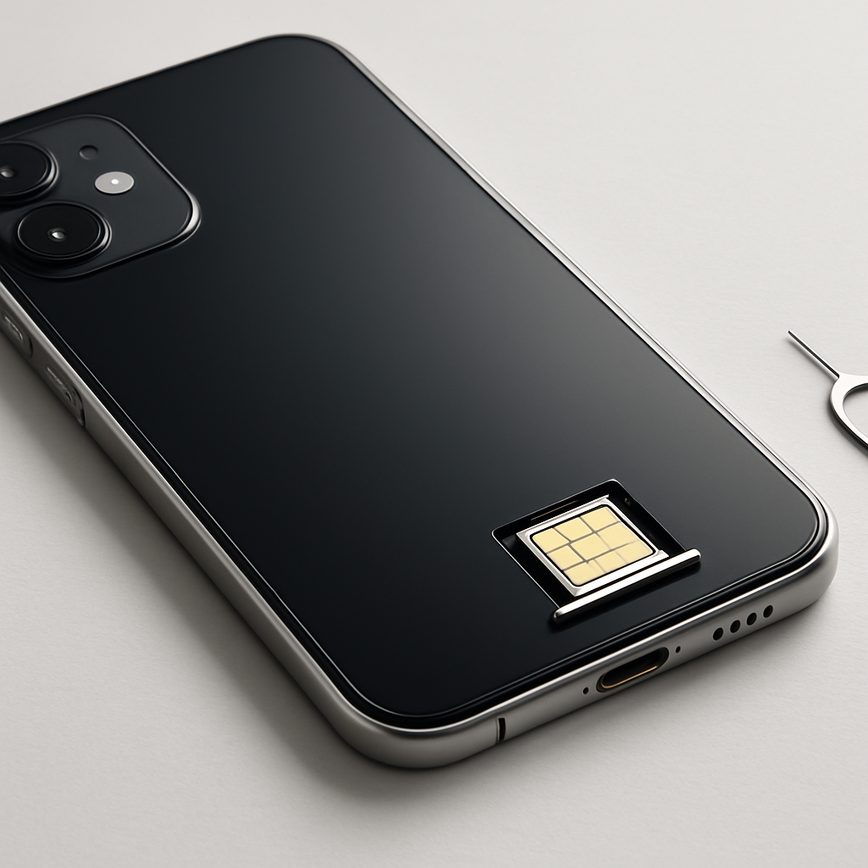
How eSIM supports modern communication needs
16/05/2026
Understanding eSIM Technology
eSIM technology, also known as embedded SIM or digital SIM, represents a significant evolution from traditional SIM cards. Unlike conventional SIM cards, which are physical chips that users must insert into their devices, an eSIM is embedded directly into the device’s hardware during manufacturing. This embedded SIM eliminates the need for a removable card and allows users to activate mobile service digitally.
The primary difference between eSIM technology and traditional SIM cards lies in their form and function. Traditional SIM cards are tangible, removable cards that carry subscriber identity information, requiring manual swapping when changing carriers or numbers. In contrast, the eSIM is soldered onto the device’s motherboard and cannot be physically removed. Instead, it can be reprogrammed remotely to switch carriers or update subscription profiles without the need to replace a physical card.
Understanding the eSIM basics involves recognizing its core functionalities. The eSIM stores the same essential information as a traditional SIM, such as the International Mobile Subscriber Identity (IMSI) and network authentication keys. However, its advanced design enables multiple cellular profiles to be stored on a single device, allowing users to switch between different carriers and plans with ease. This is particularly beneficial for frequent travelers, as it simplifies managing connectivity across different regions without physically swapping SIM cards.
Moreover, eSIM technology supports remote provisioning, which means carriers can activate, manage, and update network subscriptions over the air. This capability enhances user convenience and streamlines the process for mobile network operators. For device manufacturers, embedding the SIM directly into devices also frees up space internally, leading to more compact and efficient device designs.
In summary, eSIM technology transforms the traditional SIM card by embedding it within the device and enabling digital management of mobile subscriptions. Its ability to support multiple profiles, facilitate remote provisioning, and improve device design marks a significant step forward in mobile communication technology.
How eSIM Works
The functionality of an eSIM centers on its ability to simplify the activation process and enable seamless remote provisioning. Unlike traditional SIM cards, an eSIM is embedded directly into a device’s hardware, eliminating the need for physical swapping. This embedded chip stores multiple profiles, which can be remotely downloaded and managed by mobile network operators.
The activation process begins when the user or carrier initiates the download of an eSIM profile via a secure QR code or an activation code sent over the internet. This profile contains the subscriber’s information and authentication credentials necessary for network access. Once the profile is installed, the eSIM allows the device to connect to the operator’s network without requiring a physical SIM card.
Remote provisioning is a key feature of eSIM functionality, enabling network operators to update, delete, or switch profiles over the air (OTA). This process uses secure protocols to ensure data integrity and privacy during transmission. Consequently, users can easily switch carriers or plans without visiting a store or waiting for a new SIM card, making the eSIM a flexible and efficient solution that supports modern communication needs.
Advantages Over Traditional SIM Cards
eSIM technology offers a range of benefits that clearly distinguish it from traditional SIM cards. One of the most significant eSIM benefits is its unparalleled flexibility. Unlike physical SIM cards, which require manual insertion and swapping, eSIMs can be programmed and reprogrammed remotely. This flexibility makes it effortless for users to switch carriers or plans without needing a new SIM card, streamlining the process and saving time.
From a security standpoint, eSIMs provide enhanced protection compared to traditional SIM cards. Since eSIMs are embedded within the device, they are less susceptible to physical tampering or theft. Mobile operators can implement advanced remote security measures and authentication protocols, reducing risks like SIM cloning and unauthorized use. This security improvement is essential in today’s environment, where data privacy and protection are paramount.
Moreover, eSIMs contribute to space saving inside devices. By integrating the SIM functionality directly into the hardware, manufacturers can free up valuable physical space that would otherwise be dedicated to a SIM card slot. This allows for slimmer, more compact device designs or the ability to include larger batteries and additional components. This space efficiency is a critical advantage as devices become increasingly multifunctional and miniaturized.
In summary, the comparison between eSIM and traditional SIM cards highlights flexibility, security improvements, and space saving as clear advantages. These features collectively address modern communication needs, providing a seamless, secure, and efficient mobile experience.
eSIM’s Role in Modern Communication
The evolution of modern communication demands solutions that are flexible, efficient, and capable of supporting a wide range of devices and applications. eSIM technology is at the forefront of this transformation, providing a seamless way to manage mobile connectivity without the limitations of traditional SIM cards. Its advantages extend far beyond mere convenience, playing a crucial role in enhancing connectivity across various sectors.
One of the key ways eSIM supports modern communication is through its impact on mobile networks. By allowing multiple profiles to be stored on a single chip, eSIMs enable users to switch between carriers and data plans instantly without needing to physically replace SIM cards. This adaptability is especially valuable in an increasingly globalized world, where reliable and flexible mobile network access is essential for both personal and professional communication.
Moreover, eSIM usage is pivotal in the expansion and development of the Internet of Things (IoT). Modern communication ecosystems rely heavily on interconnected devices, from smart home systems to industrial sensors. eSIM technology enables these devices to maintain continuous connectivity, facilitating real-time data exchange and automation. Its compact size and remote provisioning capabilities make eSIMs an ideal solution for IoT devices that require reliable and persistent mobile network connections.
As connectivity demands grow, eSIM technology simplifies management for users and service providers alike. Instead of dealing with physical SIM card logistics, networks can remotely update, activate, or change profiles on devices, streamlining operations and enhancing user experience. This leads to faster deployment of new services and improved network utilization, which are critical in today’s fast-paced communication environment.
Furthermore, the role of eSIM in modern communication extends into smart devices, wearables, and even connected vehicles. These technologies rely on constant and reliable connectivity to perform functions such as health monitoring, navigation, and emergency communication. eSIM technology meets these needs by offering a robust and scalable solution that supports multiple networks and optimizes signal availability, reinforcing the backbone of contemporary mobile communication.
In summary, eSIM is a foundational technology that supports the evolving requirements of modern communication. Through enhanced mobility, seamless carrier switching, and strong IoT integration, eSIM usage drives the connectivity that modern life demands, ensuring that individuals and devices remain connected wherever they are.
Enabling Seamless Connectivity
eSIM technology revolutionizes how users experience connectivity by offering seamless connectivity through effortless switching between carriers. Unlike traditional SIM cards, an eSIM is embedded directly in a device and can store multiple carrier profiles simultaneously. This inherent flexibility means that users no longer need to physically swap SIM cards when changing networks.
With eSIM flexibility, consumers and businesses gain the advantage of multi-network access, allowing devices to connect to different carriers based on factors such as signal strength, coverage, or cost efficiency. This dynamic network selection ensures uninterrupted service whether at home, traveling abroad, or moving between urban and rural areas.
The process to switch between carriers is streamlined and user-friendly; changes can often be managed through simple device settings or dedicated apps without visiting a carrier store. This ease of carrier switching not only saves time but also empowers users to optimize their connectivity based on real-time needs.
By supporting multiple profiles and enabling fast carrier transitions, eSIM technology addresses modern communication demands for constant, reliable, and cost-effective network access—making seamless connectivity an achievable reality worldwide.
Supporting IoT and Wearables
eSIM integration plays a pivotal role in advancing IoT connectivity and enhancing the functionality of wearable devices. Unlike traditional SIM cards, eSIMs are embedded directly into the hardware of devices, enabling seamless remote provisioning and management of mobile network profiles. This capability is crucial for IoT ecosystems where thousands of connected devices must operate efficiently without manual SIM swaps or physical interventions.
For wearable devices, eSIM technology offers significant advantages. It enables these compact devices to maintain robust and reliable connectivity without the bulk of traditional SIM cards. This allows manufacturers to design smaller, more ergonomic wearables while ensuring continuous communication capabilities. Whether it’s a fitness tracker, smartwatch, or health monitoring device, eSIM integration ensures that users remain connected across various networks and locations effortlessly.
Furthermore, eSIMs support dynamic network switching, which is essential for IoT devices deployed globally. This flexibility reduces downtime and improves data transmission reliability, a critical factor for real-time applications like remote monitoring and smart city infrastructure. Overall, by streamlining IoT connectivity and enhancing the efficiency of wearable devices, eSIM integration stands at the forefront of modern communication technology, driving innovation and connectivity in an increasingly interconnected world.
Future Trends and Challenges for eSIM
The future of eSIM technology promises significant advancements that will transform how we connect and communicate. As eSIM adoption continues to expand, driven by evolving technology trends, its integration into a growing array of devices such as smartphones, wearables, cars, and IoT devices will deepen. This widespread adoption is set to enable seamless switching between carriers and plans without the need for physical SIM cards, offering unprecedented flexibility and convenience for consumers and enterprises alike.
One of the major drivers shaping the eSIM future is the push towards global connectivity and enhanced user experience. With remote provisioning capabilities, users can activate or change mobile service plans instantly, reducing reliance on brick-and-mortar stores and simplifying international travel logistics. This trend will fuel a more competitive telecommunications marketplace, forcing carriers to innovate and offer more appealing services to attract customers. Furthermore, eSIMs are expected to lean heavily on cloud-based management platforms, further streamlining lifecycle management and improving scalability.
Despite the promising outlook, the eSIM landscape is not without its challenges. Privacy concerns remain a critical issue for both consumers and regulators. As eSIMs facilitate easier and more frequent changes to network providers, the risk of data interception, unauthorized tracking, and data misuse increases. Ensuring robust encryption, secure authentication protocols, and transparent data policies will be vital to maintain user trust and comply with privacy regulations globally. Navigating these privacy concerns effectively will determine the widespread acceptance of eSIM technology.
Adoption challenges also persist. Although many devices support eSIM functionality, the transition from traditional SIM cards has been slow in some markets due to regulatory barriers, carrier resistance, and consumer unfamiliarity. Additionally, interoperability issues among different manufacturers and carriers can hinder smooth user experiences, potentially slowing down adoption rates. Addressing these challenges requires collaborative efforts among industry stakeholders to establish universal standards and educate users on the benefits of eSIM technology.
In conclusion, the eSIM future looks poised for substantial growth, driven by evolving technology trends and an increasing demand for more flexible, efficient connectivity solutions. However, addressing privacy concerns and overcoming adoption challenges will be crucial to unlock the full potential of eSIM and reshape modern communication landscapes.
Privacy and Security Considerations
eSIM technology introduces new privacy and security challenges that must be carefully addressed to ensure safe communication. Unlike traditional SIM cards, eSIMs are embedded directly into devices and remotely programmable, which raises concerns about unauthorized access or manipulation of sensitive data. One of the primary eSIM security risks involves the potential for hacking or cloning of digital profiles, which could allow attackers to intercept calls or data, compromising user privacy.
Privacy issues with eSIM also stem from the centralized management of profiles by mobile operators, which may increase the risk of data breaches if their systems are compromised. Additionally, the remote provisioning process requires robust encryption protocols to prevent interception during profile updates or activations. To mitigate these risks, the industry employs multiple layers of security, including strong authentication methods, end-to-end encryption, and secure key management systems.
Data protection regulations, such as GDPR, also play a crucial role by enforcing strict guidelines for handling user information. Manufacturers and service providers must ensure transparency about data usage and implement privacy-by-design principles in eSIM architecture. Continuous security audits and software updates further help to protect against emerging threats, maintaining the integrity and confidentiality of user data throughout the lifecycle of the eSIM.
Expanding Adoption and Ecosystem
The expansion of eSIM adoption is driven by several key factors, including the increasing demand for flexible and convenient mobile connectivity solutions. As consumers and businesses seek seamless ways to manage multiple mobile profiles, the appeal of eSIM technology continues to grow. This surge in adoption is further supported by the industry’s focus on enhancing user experience and device interoperability.
Carrier support plays a crucial role in this ecosystem by enabling eSIM activation and management across numerous networks globally. Many carriers are investing in infrastructure updates to facilitate easy provisioning and switching, which enhances the user experience and encourages widespread use of eSIMs. Their collaboration with device manufacturers ensures that eSIMs are fully integrated and supported across a variety of devices, from smartphones to IoT gadgets.
Manufacturers contribute to this expanding ecosystem by embedding eSIM technology directly into their devices, reducing the need for physical SIM cards and enabling thinner, more compact designs. Their commitment to eSIM standards and cooperation with carriers fosters a robust environment that encourages innovation and broadens consumer choice. Together, these factors are accelerating the pace of eSIM adoption and shaping a dynamic industry ecosystem focused on modern communication needs.

I’m a lifelong traveler who fell in love with the freedom that eSIM technology offers. Exploring new places while staying seamlessly connected has become my personal mission, and I love sharing practical tips on managing mobile data abroad. When I’m not testing the latest eSIM platforms, I’m mapping out the next adventure.