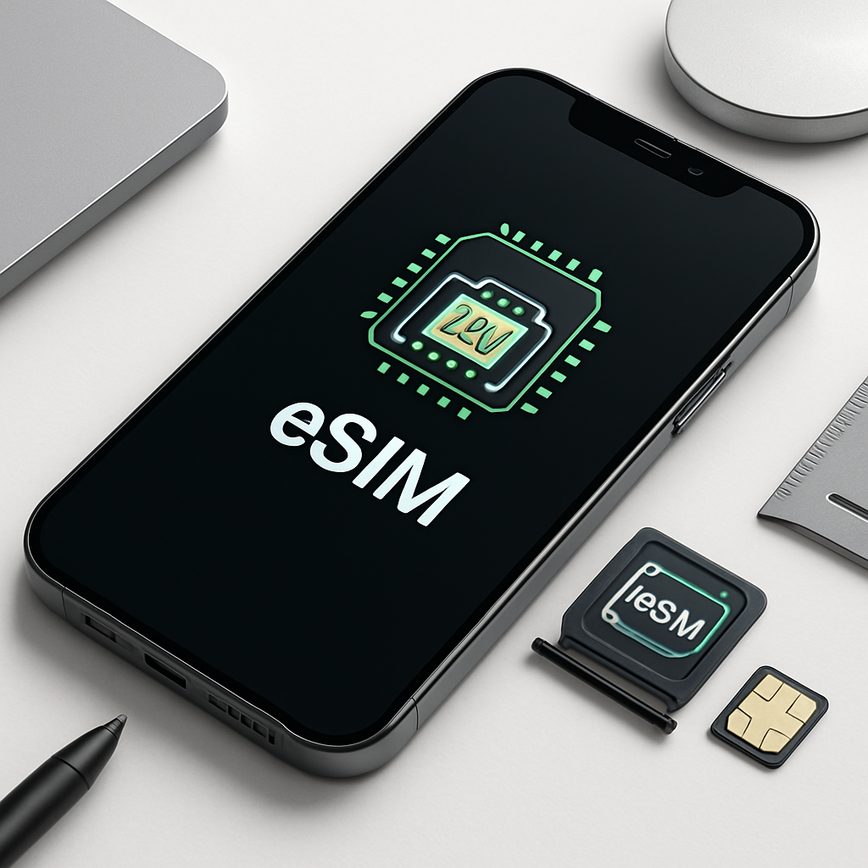
How eSIM integrates with modern telecom systems
24/05/2026
From the provider’s perspective, eSIMs reduce operational costs by eliminating the need to manufacture, distribute, and manage physical SIM cards. This shift enhances efficiency and supports faster customer onboarding processes. Furthermore, eSIM technology opens new avenues for telecom providers to offer innovative services, such as remote SIM provisioning and instant activation, tailoring plans dynamically to user needs.
In addition to these immediate benefits, the future of eSIM technology is closely tied to emerging trends in telecommunications. The integration of eSIMs with the Internet of Things (IoT) is a critical development, allowing countless connected devices to maintain reliable, secure connectivity without the constraints imposed by traditional SIM cards. This trend is particularly impactful in industries like automotive, healthcare, and smart home technologies.
Another trend shaping the future of eSIM lies in enhanced security features. eSIMs facilitate robust encryption and remote management, reducing fraud risks and improving user privacy. Telecom companies are investing in advanced frameworks that leverage eSIM capabilities to offer secure authentication and seamless network transitions, reinforcing trust with their customers.
Looking forward, the future of eSIM also involves greater standardization and widespread adoption driven by regulatory support and industry collaboration. As more devices—from smartphones to wearables and laptops—incorporate eSIM capabilities, telecom trends indicate a shift toward more flexible, user-centric network models. Environmental benefits also play a role, as reduced reliance on physical SIM cards contributes to sustainability efforts.
In summary, eSIM benefits extend beyond mere convenience; they empower users and providers with flexibility, cost-efficiency, and enhanced security. As the future of eSIM unfolds within evolving telecom trends, this technology stands poised to redefine connectivity paradigms, making telecommunications more adaptive and responsive to modern demands.
Advantages for Consumers and Service Providers
eSIM technology offers significant advantages that enhance the user experience for consumers and provide tangible benefits for service providers. One of the most notable eSIM advantages is the increased device flexibility it affords users. Unlike traditional SIM cards, eSIMs are embedded directly into devices, allowing consumers to switch carriers or activate new plans without physically changing SIM cards. This flexibility streamlines the process and empowers users to manage multiple profiles more conveniently.
For consumers, this easier carrier switching means less downtime and the freedom to explore competitive offers or better coverage without the hassle of acquiring new physical SIM cards. This capability is particularly beneficial for frequent travelers who can switch local carriers seamlessly whenever they cross borders, enhancing their connectivity and reducing roaming charges.
From the perspective of service providers, eSIMs help reduce logistical costs significantly. With no physical SIMs to manufacture, stock, ship, or replace, providers can streamline supply chains and minimize related expenses. Furthermore, eSIMs enable remote provisioning and over-the-air updates, reducing the need for in-person customer service interventions and simplifying account management. This efficiency translates into cost savings and improved service delivery, creating mutual advantages.
Overall, the integration of eSIM technology creates a more dynamic and consumer-friendly telecom environment. It not only enhances the user experience with greater convenience and flexibility but also provides service providers with new opportunities to optimize operations and deliver competitive, cost-effective services.
Emerging Trends and Technological Innovations
eSIM technology is poised at the forefront of modern telecom innovations, playing a pivotal role in the seamless integration of 5G networks. By embedding digital SIMs directly into devices, eSIMs facilitate rapid and flexible connectivity essential for 5G’s high-speed and low-latency demands. This integration allows service providers to offer more dynamic network management and personalized user experiences, boosting the adoption and efficiency of 5G technologies worldwide.
Moreover, the rise of the Internet of Things (IoT) is greatly supported by eSIM solutions. As billions of IoT devices require reliable and scalable connections, eSIMs simplify provisioning and remote management, reducing reliance on physical SIM cards. This adaptability is critical for IoT applications spanning smart cities, connected vehicles, healthcare, and industrial automation, enabling devices to maintain continuous connectivity across diverse environments and network operators.
Looking ahead, eSIM adoption is expected to drive further innovations in telecom systems. Future developments may include enhanced security features, ultra-efficient device provisioning, and more integrated network slicing capabilities tailored for specific user needs or vertical industries. As eSIMs normalize, they will underpin advances in future telecom tech, fostering an ecosystem where connectivity is more seamless, flexible, and efficient than ever before.
Introduction to eSIM Technology
eSIM technology, short for embedded SIM, represents a groundbreaking shift in the way mobile devices connect to telecom networks. Unlike traditional SIM cards, which are physical chips that need to be inserted into devices, an eSIM is a small chip embedded directly into the device’s hardware. This embedded SIM eliminates the need for physical card swapping, making device connectivity more seamless and efficient.
The evolution from traditional SIM cards to eSIM technology marks a significant telecom innovation. Traditional SIM cards were limited by their physical size and the manual process required to switch networks or update profiles. With eSIM technology, users can switch carriers or update their service plans digitally without needing to replace a physical card. This flexibility not only improves user convenience but also reduces waste and enhances device design by saving space.
In modern telecom systems, the significance of eSIM technology cannot be overstated. It supports the growing demand for connected devices, including smartphones, wearables, and IoT gadgets, by enabling remote provisioning and management of network profiles. This capability streamlines operations for telecom operators, reduces costs, and opens new opportunities for personalized mobile services. Overall, eSIM technology stands as a vital pillar in the ongoing transformation and modernization of global telecom infrastructure.
What is eSIM and How It Works
The eSIM, short for embedded SIM, represents a significant evolution in mobile connectivity technology. Unlike traditional SIM cards, which are physical chips that users must insert into their devices, the eSIM is integrated directly into the device’s hardware at the manufacturing stage. This embedded SIM functionality eliminates the need for a removable card, allowing devices to be slimmer and more robust.
At the core of eSIM technology is its ability to be remotely provisioned. This means that users can activate and manage mobile network subscriptions without physically swapping out SIM cards. Carrier profiles are downloaded and installed on the eSIM over the air through secure, standardized protocols managed by the GSMA. This remote provisioning capability offers flexibility for users to switch carriers or manage multiple profiles seamlessly.
The eSIM definition also encompasses a secure element within the device that stores unique subscription credentials and ensures network authentication. This embedded solution supports improved security and durability compared to traditional SIM cards, which are susceptible to damage or loss. Advances in eSIM technology enable enhanced user convenience and support the expanding ecosystem of IoT devices, smartwatches, and mobile gadgets requiring reliable, flexible connectivity.
Differences Between eSIM and Traditional SIM Cards
When comparing eSIM vs SIM, several key differences become evident, especially in terms of size, flexibility, and user experience. Traditional SIM cards are physical chips that need to be inserted into a device. They come in various sizes, such as standard, micro, and nano SIMs, but all require physical handling and swapping to change carriers or plans. In contrast, an eSIM is embedded directly into the device’s motherboard, making it significantly smaller and eliminating the need for a physical card slot.
In terms of flexibility, eSIM technology offers a major advantage. Users can switch between multiple carriers or plans without changing physical cards, simply by downloading new profiles over the air. This seamless process saves time and reduces the hassle typically associated with traditional SIM cards. For travelers, this means easier local plan activation without visiting physical stores or waiting for SIM deliveries.
The user experience with eSIM is more streamlined and modern. Devices with eSIM provide quick activation and management via software interfaces, allowing users to handle network settings directly from their phones. Traditional SIM cards, while reliable, are limited by their physical nature and slower, manual setup processes. Overall, the SIM comparison highlights how eSIMs bring a new level of convenience and efficiency to mobile connectivity.
Integration of eSIM With Modern Telecom Systems
eSIM technology represents a transformative shift in how mobile connectivity is managed and delivered, seamlessly integrating into existing telecom systems to enhance user experience and operational efficiency. Fundamentally, eSIMs are embedded SIM cards that are programmable, eliminating the need for physical SIM swaps and enabling remote provisioning and management. This innovation integrates smoothly with the infrastructure of modern telecom systems, facilitating broader interoperability across mobile networks worldwide.
Telecom operators incorporate eSIM integration by upgrading their backend systems to support remote SIM provisioning through standards set by the GSMA. These systems communicate directly with the eSIM profiles stored on devices, allowing mobile network operators to activate, deactivate, and manage subscriptions digitally. This level of integration ensures that eSIM technology fits well within the existing frameworks governing mobile networks, including Authentication Centers (AuC), Home Location Registers (HLR), and Subscription Management platforms.
One of the key compatibility advantages of eSIM technology lies in its ability to support multiple mobile network operators on a single device without physical SIM card changes. This flexibility benefits both end-users and telecom companies by simplifying the process of switching carriers, managing multiple subscriptions, or traveling internationally. Mobile networks equipped with advanced eSIM management platforms can reduce operational overhead while providing enhanced services such as instant switching between networks or profiles.
Furthermore, eSIM integration promotes a more dynamic telecom ecosystem, enabling features such as IoT device connectivity and enhanced security protocols. Mobile network operators can enable tailored service packages and improve network resource allocation by leveraging real-time data from eSIM profiles. This results in improved network efficiency and customer satisfaction. Compatibility with existing telecom systems also ensures that the transition to widespread eSIM adoption is smooth, supporting legacy infrastructure alongside next-generation network capabilities.
In summary, eSIM integration with telecom systems is not just a technological upgrade but a strategic enabler for the telecommunications industry. By effectively bridging traditional mobile network infrastructures with innovative remote provisioning capabilities, eSIM technology ensures a future-proof foundation for mobile connectivity. Telecom operators benefit from reduced physical logistics and enhanced service delivery, while users gain unparalleled convenience and flexibility in how they connect to mobile networks.
Role of eSIM in Network Management and Provisioning
eSIM technology revolutionizes network management by enabling seamless remote SIM provisioning, which greatly benefits mobile network operators. Traditionally, provisioning SIM cards required physical distribution and manual activation, often resulting in delays and complexities. With eSIM management, carriers can remotely activate, update, and switch user profiles over the air without any physical interaction, streamlining the network provisioning process.
This remote capability significantly improves operational efficiency for carriers by reducing the dependency on physical SIM inventory and minimizing logistical challenges. Mobile network operators can quickly onboard new customers or adjust service plans dynamically, enabling greater flexibility and faster service delivery. Additionally, eSIM’s centralized provisioning system offers enhanced control and security, simplifying compliance and reducing fraud risks.
Network provisioning through eSIM also supports modern telecom systems’ evolving needs, such as IoT device management and multi-operator profiles. Operators can manage complex networks with multiple interconnected devices effectively, ensuring uninterrupted connectivity and optimal resource allocation. As a result, eSIM technology not only streamlines operations but also enables carriers to innovate their service models and improve customer experiences in a competitive market.
Security Considerations in eSIM Deployment
In the realm of telecom security, eSIM deployment introduces both advancements and challenges in protecting mobile communications. Unlike traditional SIM cards, eSIM technology relies on embedded hardware with remote provisioning capabilities, necessitating robust security protocols to safeguard user data and network integrity.
Security protocols for eSIM revolve around advanced encryption standards designed to prevent unauthorized access and tampering. The GSMA has established security guidelines that use strong cryptographic methods, including mutual authentication between the eSIM and the network, ensuring only legitimate devices can connect. Data exchanged during profiles’ download and activation is encrypted using methods like AES (Advanced Encryption Standard), which is widely recognized for its robustness in telecom security.
Despite these protections, eSIM security faces challenges such as managing secure remote provisioning and profile management over the air, making telecom operators vulnerable to sophisticated attacks if not properly safeguarded. The potential risk of profile cloning and interception requires continuous improvements in encryption techniques and security frameworks to maintain equivalent or superior SIM card security standards in this emerging technology.
With ongoing innovation, telecom systems must prioritize implementing comprehensive security measures tailored to eSIM nuances, balancing convenience with strong protection. This involves rigorous compliance with encryption standards and proactive threat detection, ultimately enhancing trust and resilience within the evolving landscape of mobile connectivity.
Benefits and Future Trends of eSIM in Telecommunications
eSIM technology brings numerous benefits to both users and service providers, revolutionizing the telecom landscape. For users, one of the primary advantages is convenience. With eSIMs, there is no need to physically swap SIM cards when changing carriers or traveling internationally. This flexibility allows users to switch networks seamlessly and manage multiple profiles on a single device, enhancing their connectivity experience significantly.
From the provider’s perspective, eSIMs reduce operational costs by eliminating the need to manufacture, distribute, and manage physical SIM cards. This shift enhances efficiency and supports faster customer onboarding processes. Furthermore, eSIM technology opens new avenues for telecom providers to offer innovative services, such as remote SIM provisioning and instant activation, tailoring plans dynamically to user needs.
In addition to these immediate benefits, the future of eSIM technology is closely tied to emerging trends in telecommunications. The integration of eSIMs with the Internet of Things (IoT) is a critical development, allowing countless connected devices to maintain reliable, secure connectivity without the constraints imposed by traditional SIM cards. This trend is particularly impactful in industries like automotive, healthcare, and smart home technologies.
Another trend shaping the future of eSIM lies in enhanced security features. eSIMs facilitate robust encryption and remote management, reducing fraud risks and improving user privacy. Telecom companies are investing in advanced frameworks that leverage eSIM capabilities to offer secure authentication and seamless network transitions, reinforcing trust with their customers.
Looking forward, the future of eSIM also involves greater standardization and widespread adoption driven by regulatory support and industry collaboration. As more devices—from smartphones to wearables and laptops—incorporate eSIM capabilities, telecom trends indicate a shift toward more flexible, user-centric network models. Environmental benefits also play a role, as reduced reliance on physical SIM cards contributes to sustainability efforts.
In summary, eSIM benefits extend beyond mere convenience; they empower users and providers with flexibility, cost-efficiency, and enhanced security. As the future of eSIM unfolds within evolving telecom trends, this technology stands poised to redefine connectivity paradigms, making telecommunications more adaptive and responsive to modern demands.
Advantages for Consumers and Service Providers
eSIM technology offers significant advantages that enhance the user experience for consumers and provide tangible benefits for service providers. One of the most notable eSIM advantages is the increased device flexibility it affords users. Unlike traditional SIM cards, eSIMs are embedded directly into devices, allowing consumers to switch carriers or activate new plans without physically changing SIM cards. This flexibility streamlines the process and empowers users to manage multiple profiles more conveniently.
For consumers, this easier carrier switching means less downtime and the freedom to explore competitive offers or better coverage without the hassle of acquiring new physical SIM cards. This capability is particularly beneficial for frequent travelers who can switch local carriers seamlessly whenever they cross borders, enhancing their connectivity and reducing roaming charges.
From the perspective of service providers, eSIMs help reduce logistical costs significantly. With no physical SIMs to manufacture, stock, ship, or replace, providers can streamline supply chains and minimize related expenses. Furthermore, eSIMs enable remote provisioning and over-the-air updates, reducing the need for in-person customer service interventions and simplifying account management. This efficiency translates into cost savings and improved service delivery, creating mutual advantages.
Overall, the integration of eSIM technology creates a more dynamic and consumer-friendly telecom environment. It not only enhances the user experience with greater convenience and flexibility but also provides service providers with new opportunities to optimize operations and deliver competitive, cost-effective services.
Emerging Trends and Technological Innovations
eSIM technology is poised at the forefront of modern telecom innovations, playing a pivotal role in the seamless integration of 5G networks. By embedding digital SIMs directly into devices, eSIMs facilitate rapid and flexible connectivity essential for 5G’s high-speed and low-latency demands. This integration allows service providers to offer more dynamic network management and personalized user experiences, boosting the adoption and efficiency of 5G technologies worldwide.
Moreover, the rise of the Internet of Things (IoT) is greatly supported by eSIM solutions. As billions of IoT devices require reliable and scalable connections, eSIMs simplify provisioning and remote management, reducing reliance on physical SIM cards. This adaptability is critical for IoT applications spanning smart cities, connected vehicles, healthcare, and industrial automation, enabling devices to maintain continuous connectivity across diverse environments and network operators.
Looking ahead, eSIM adoption is expected to drive further innovations in telecom systems. Future developments may include enhanced security features, ultra-efficient device provisioning, and more integrated network slicing capabilities tailored for specific user needs or vertical industries. As eSIMs normalize, they will underpin advances in future telecom tech, fostering an ecosystem where connectivity is more seamless, flexible, and efficient than ever before.

I’m a lifelong traveler who fell in love with the freedom that eSIM technology offers. Exploring new places while staying seamlessly connected has become my personal mission, and I love sharing practical tips on managing mobile data abroad. When I’m not testing the latest eSIM platforms, I’m mapping out the next adventure.