Understanding mobile coverage before travel
27/07/2026
Traveling internationally can be an exciting adventure, but it often comes with the challenge of navigating mobile coverage. Understanding mobile coverage before your trip is crucial, especially when it comes to staying connected through eSIM technology. With eSIMs, travelers can easily switch networks and access data plans without needing a physical SIM card. This article explores the importance of mobile coverage and offers practical tips for ensuring you stay connected while traveling.
Why Mobile Coverage Matters When Traveling
Mobile coverage is essential for several reasons when traveling abroad. First, reliable phone service allows you to communicate with family and friends, navigate unfamiliar cities, and access important online resources. Without adequate coverage, you may find yourself disconnected at crucial moments, which can lead to stress and confusion. Moreover, having access to data can enhance your travel experience by allowing you to use navigation apps, translation tools, and social media to share your adventures in real-time.
In today’s digital age, staying connected is not just a convenience; it is often a necessity. Whether you are booking accommodations, checking travel itineraries, or accessing local emergency services, mobile coverage can significantly impact your travel experience. Understanding the mobile landscape helps in choosing the right regional eSIM plans for your needs.
Understanding eSIM Technology
eSIM technology has revolutionized the way travelers connect to mobile networks. Unlike traditional SIM cards, which require physical swapping, eSIMs are embedded directly into devices and can be programmed remotely. This flexibility allows users to switch between different carriers and data plans without the hassle of changing a physical card. For travelers, this means easier access to local data plans and the ability to stay connected without incurring excessive roaming charges.
Many modern smartphones and devices support eSIM technology, making it accessible for travelers. Before embarking on your journey, check if your device is eSIM-compatible. Once confirmed, you can explore various eSIM providers that offer tailored plans for international travel, allowing you to choose options that suit your data needs and budget.
Researching Mobile Networks in Your Destination
Before traveling, it is vital to research the mobile networks available in your destination country. Coverage can vary significantly from one region to another, and understanding which providers offer the best service in your area can save you time and frustration. Utilize online resources and forums to gather information on local carriers, their coverage maps, and customer experiences.
Additionally, consider the types of services you will need while traveling. If you plan to use data-intensive applications like video streaming or online gaming, ensure that the network you choose can handle such demands. Conversely, if your needs are more basic, such as making calls or sending messages, a less expensive plan may suffice.
Comparing eSIM Plans for Travelers
It’s essential to understand eSIM coverage differences when selecting a plan. Look for plans that provide adequate data limits, coverage in the areas you will be visiting, and competitive pricing. Some eSIM providers specialize in international travel, offering plans that cater specifically to the needs of tourists, which can be more cost-effective than standard roaming packages.
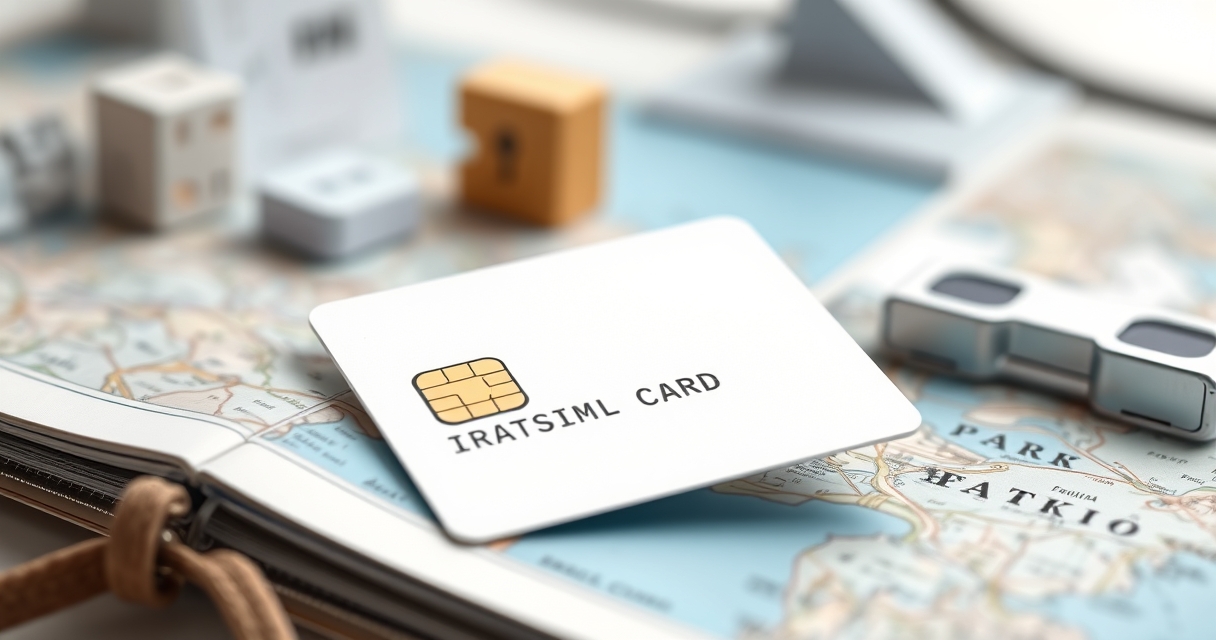
Pay attention to additional features that may enhance your travel experience. For example, some plans include unlimited texting or calls to local numbers, while others may offer free access to specific apps or services. Reading customer reviews can also provide insight into the reliability and quality of service from different providers.
Understanding Data Roaming and Costs
Data roaming can be a hidden cost when traveling abroad. Many carriers offer international roaming options, but these can lead to exorbitant charges if not managed carefully. Understanding your home carrier’s roaming policies is essential to avoid surprises on your bill. Some carriers provide daily or monthly international plans that can be more economical than pay-per-use rates.
When using an eSIM, it’s important to follow Tips for managing data abroad to avoid unexpected charges. Instead, manually select your eSIM provider or local carrier upon arrival. This approach allows you to take full advantage of local data rates, which are typically much cheaper than roaming fees from your home network.
Staying Connected Without Mobile Coverage
While mobile coverage is important, there are times when you may find yourself in areas with poor reception. In such cases, having a backup plan can be beneficial. Consider downloading offline maps, travel guides, or translation apps before your trip. Many navigation apps now offer offline functionality, allowing you to access maps without needing a data connection.
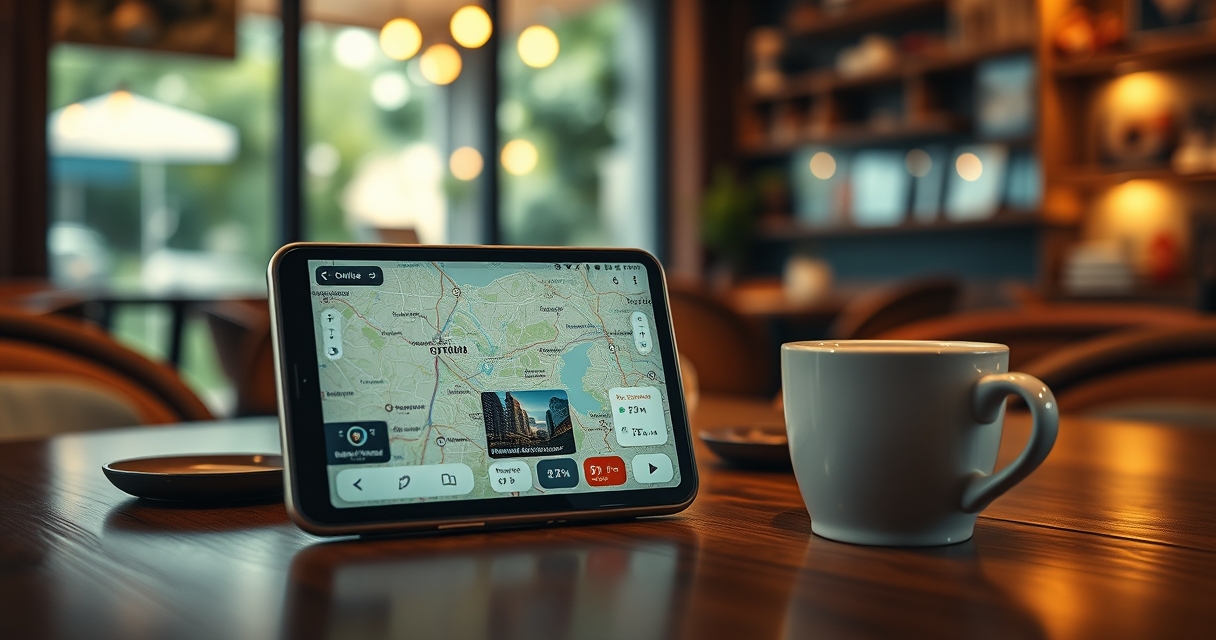
Additionally, public Wi-Fi is widely available in many tourist areas, cafes, and hotels. While it’s essential to be cautious when using public networks due to security risks, having access to Wi-Fi can help you stay connected without relying solely on mobile data. Downloading apps that allow for offline access can further enhance your travel experience, ensuring you’re never completely disconnected.
Preparing Your Device for International Use
Before traveling, ensure your device is ready for international use. This preparation includes checking for software updates, ensuring your eSIM is activated, and verifying that your device is unlocked. An unlocked device allows you to switch between different networks and eSIM providers without restrictions, giving you more flexibility during your travels.
Additionally, familiarize yourself with your device’s settings related to mobile data and roaming. Adjusting these settings can prevent unnecessary charges and help you manage your data usage effectively. Consider using data-saving features available on many smartphones to help extend your data allowance while traveling.
Leveraging Local SIM Options
In some cases, purchasing a local SIM card may be the best option for staying connected during your travels. Local SIMs often provide competitive rates and better coverage than international roaming plans. If you choose this route, research the best providers in your destination and understand the requirements for purchasing a local SIM, such as identification or proof of address.
However, if you have an eSIM-compatible device, switching to a local eSIM plan can be even easier. Many countries now offer eSIM options through local carriers, allowing for immediate activation without the need for a physical SIM card. This convenience can save you time and help you stay connected as soon as you arrive at your destination.

I’m a lifelong traveler who fell in love with the freedom that eSIM technology offers. Exploring new places while staying seamlessly connected has become my personal mission, and I love sharing practical tips on managing mobile data abroad. When I’m not testing the latest eSIM platforms, I’m mapping out the next adventure.