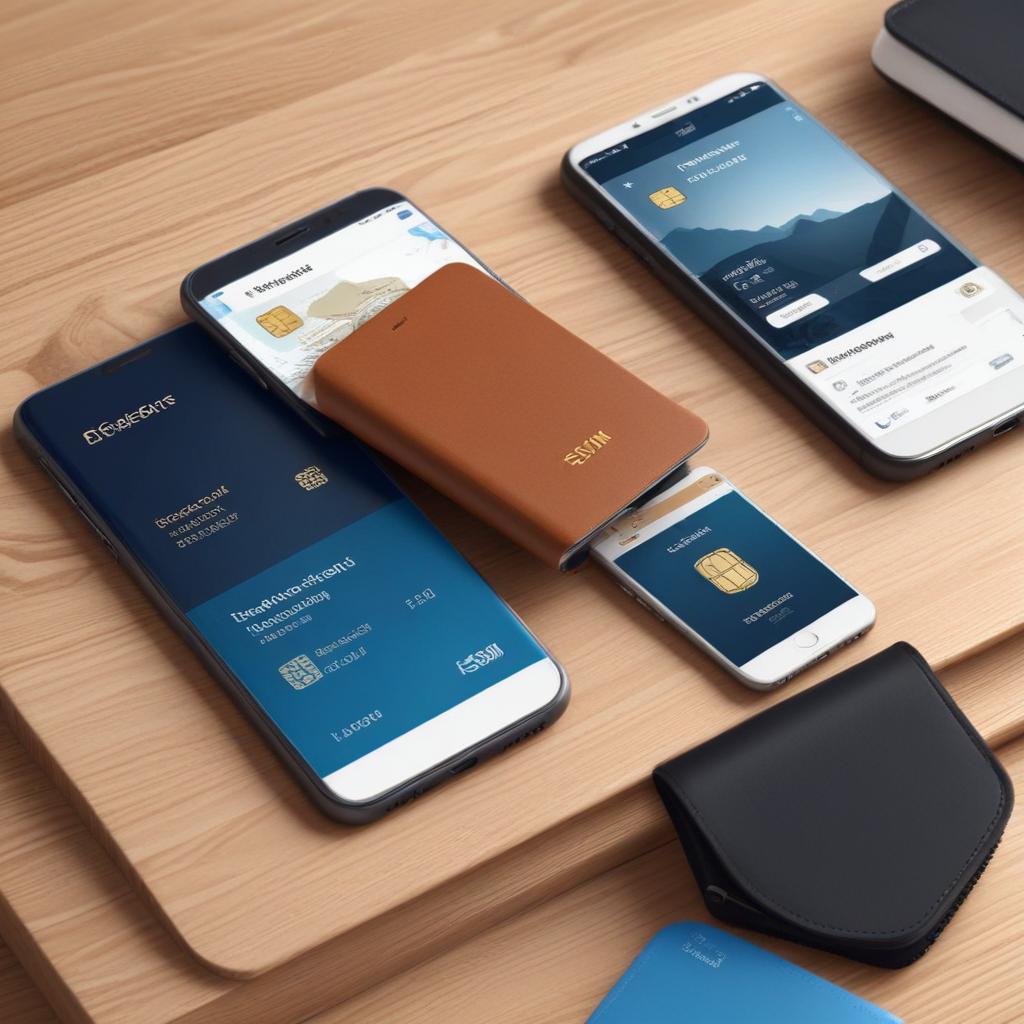
How eSIM simplifies multi-region travel
26/02/2026
Introduction to eSIM Technology in Travel
eSIM technology, short for embedded SIM, represents an innovative shift in how mobile connectivity is managed, particularly benefiting travelers. Unlike traditional SIM cards, which are physical chips inserted into a device, an eSIM is a digital SIM embedded directly into a device. This technology enables users to activate a cellular plan without needing to swap out physical SIM cards, making it a powerful tool for travel connectivity.
For travelers visiting multiple regions, maintaining seamless mobile connectivity can often be challenging and expensive. Traditional methods require purchasing and physically changing SIM cards for each country visited, which can be inconvenient and time-consuming. eSIM technology simplifies this process by allowing travelers to select and switch between different carriers and plans digitally, all from their device settings. This level of flexibility ensures uninterrupted access to mobile data and voice services across diverse geographic locations.
Moreover, eSIM technology supports multiple profiles on a single device, which means travelers can store several plans tailored for various regions simultaneously. This feature eliminates the need for carrying multiple SIM cards and helps to avoid the risk of losing or damaging them. By consolidating these plans in one embedded chip, eSIM enhances travel connectivity efficiency and convenience.
Another key benefit of eSIM technology in multi-region travel is the ability to quickly and easily activate new service plans without visiting physical stores. Travelers can purchase data plans online and download them instantly, reducing downtime and allowing them to stay connected the moment they arrive in a new location. This immediate connectivity is crucial for navigation, communication, and accessing travel-related services, all of which are essential for a smooth travel experience.
In summary, eSIM technology revolutionizes travel connectivity by offering an efficient, flexible, and hassle-free way for travelers to manage their mobile plans across multiple regions. Its digital and embedded nature removes traditional barriers associated with physical SIM cards, making it an indispensable tool for modern travelers seeking reliable and seamless connectivity on the go.
What is an eSIM?
An embedded SIM, commonly known as an eSIM or digital SIM, is a modern alternative to traditional physical SIM cards used in mobile devices. Unlike the conventional SIM card, which is a removable plastic card inserted into a device, an eSIM is a small chip embedded directly into the device’s hardware. This allows users to activate a cellular plan digitally without needing to swap out a physical card.
One of the key differences between an eSIM and a traditional SIM card lies in flexibility and convenience. With a traditional SIM, travelers often need to purchase and insert a new physical card every time they visit a different country to access local mobile networks. An eSIM eliminates this hassle by enabling users to switch carriers and plans through software settings, making multi-region travel significantly easier and faster.
From a technical standpoint, the eSIM complies with the GSM Association’s specifications and supports remote provisioning of mobile network profiles. This means mobile operators can send and manage subscription data over the air, allowing seamless activation and switching of mobile plans. For travelers, it’s important to ensure that their device supports eSIM functionality as not all devices have embedded SIM chips. Overall, eSIM is revolutionizing the way mobile connectivity is managed, offering a smart, efficient solution especially beneficial for frequent international travelers.
Advantages of eSIM for Travelers
eSIM technology brings significant benefits to travelers, offering an unparalleled blend of convenience, flexibility, and cost savings. One of the most notable eSIM benefits is the ease of use—it eliminates the need to physically swap SIM cards when crossing borders. Instead, travelers can activate compatible digital SIM features instantly, ensuring uninterrupted mobile connectivity across multiple regions.
The flexibility provided by eSIMs is another major advantage. Users can switch between different carriers and plans without hassle, often directly from their device settings. This ability to manage multiple profiles digitally means no more juggling SIM cards or worrying about losing them, making travel logistics much smoother and more efficient.
In terms of cost savings, eSIMs enable travelers to choose the best local or global plans tailored to their needs, often avoiding expensive international roaming fees. By comparing and selecting competitive offers easily, users can control their data expenses without sacrificing connectivity. These travel advantages make eSIMs an essential tool for modern globetrotters, enhancing their experience through smart technology.
How eSIM Simplifies Multi-Region Travel
Multi-region travel often involves the hassle of managing multiple physical SIM cards, each corresponding to different countries. With the advent of eSIM technology, this inconvenience is rapidly becoming a thing of the past. eSIMs offer seamless connectivity that allows travelers to stay connected effortlessly across various regions without the need to swap out physical SIM cards.
The core advantage of eSIM convenience lies in its ability to store multiple carrier profiles digitally on a single embedded SIM chip within your device. This means that when you travel to different countries, you can simply activate a local or global carrier plan from your device’s settings, eliminating the need for physical SIM card changes. This not only saves time but also reduces the risk of losing or damaging your SIM cards while on the move.
Another significant benefit of eSIMs in multi-region travel is the maintenance of global connectivity. Instead of relying on expensive international roaming or searching for local SIM cards upon arrival, travelers can instantly switch between carriers and data plans that best suit their current location and needs. This flexibility ensures continuous mobile data access, making communication, navigation, and entertainment reliable no matter where the journey takes you.
Moreover, eSIMs empower users with greater control and transparency over their mobile plans. Switching carriers or activating new plans can be done without visiting a physical store or waiting for a SIM card delivery. This digital convenience aligns perfectly with the needs of modern travelers seeking hassle-free solutions to stay connected globally.
In summary, eSIMs streamline multi-region travel by offering unbeatable convenience and uninterrupted global connectivity. By removing the need for physical SIM swaps and providing flexible access to multiple carrier profiles, eSIM technology revolutionizes how travelers manage their mobile communications across borders, making international travel smoother and more efficient than ever before.
Seamless Network Switching
One of the standout features of eSIM technology is its ability to support multiple network switching effortlessly. Unlike traditional SIM cards that require physical swapping, eSIM profiles allow users to store several carrier profiles digitally. This means travelers can have access to multiple travel networks from different regions without needing to carry or exchange physical SIM cards.
When you enter a new region, your device can quickly switch to the most suitable carrier by simply activating the corresponding eSIM profile. The process is streamlined through your device settings, where you can select or toggle between available carriers in seconds. This flexibility enables seamless connectivity, avoiding the cumbersome process of purchasing local SIM cards or dealing with roaming charges.
Additionally, managing eSIM profiles is intuitive—users can download new profiles via QR codes or carrier apps and switch networks on the go. This support for multiple profiles empowers frequent travelers by providing customized access to the best local networks, optimized for cost and coverage in each region. The smart network switching capability inherent to eSIM eliminates connectivity disruptions, ensuring that you remain online as you move across borders.
In essence, eSIM transforms the travel experience by simplifying network switching, allowing seamless usage of diverse travel networks with just a few taps. This convenience not only enhances communication but also provides greater control over mobile data plans, making eSIM an ideal choice for global travelers.
Cost Efficiency and Data Plans
eSIM technology revolutionizes the way travelers manage their mobile connectivity by allowing them to choose from a variety of international data plans tailored to their destinations. Instead of being locked into expensive roaming fees, travelers can easily switch to affordable local data plans through their eSIM-enabled devices. This flexibility not only ensures seamless internet access but also promotes significant cost savings by eliminating the need to rely on costly operator roaming charges.
With eSIM pricing often more competitive than traditional SIM cards, users benefit from transparent and flexible options that suit varying travel durations and data needs. International data plans available through eSIM providers offer competitive rates, enabling travelers to purchase just the right amount of data without overpaying. This pay-as-you-go approach makes it easier to budget for connectivity during multi-region trips.
Moreover, the convenience of activating eSIM profiles digitally means that travelers can secure the best deals instantly upon arriving in a new country, avoiding the hassle of finding local SIM outlets. This simplicity, combined with cost efficiency, makes eSIM an invaluable tool for modern travelers seeking to stay connected affordably while exploring multiple regions.
User Experience and Device Compatibility
The user experience of setting up an eSIM is notably seamless and straightforward, making it a preferred choice for frequent travelers. Unlike traditional SIM cards, the eSIM setup process involves no physical swapping of cards; instead, users can activate their mobile plans digitally through a quick QR code scan or by entering activation details provided by their carrier. This digital setup not only saves time but also eliminates the hassle of losing or damaging physical SIM cards during travels.
Device compatibility plays a crucial role in maximizing the benefits of eSIM technology. Most modern smartphones, including popular models from Apple, Samsung, Google Pixel, and other leading brands, support eSIM functionality. Tablets and smartwatches are increasingly equipped with eSIM capabilities as well, broadening the range of devices that can benefit from this technology. This widespread compatibility ensures that users can effortlessly switch between multiple mobile plans across different regions without worrying about device limitations.
Additionally, the user-friendly eSIM setup is designed to integrate smoothly with device software interfaces, providing intuitive prompts and clear instructions during the activation process. This enhances the overall user experience by reducing technical barriers, allowing users to focus more on their travel experience rather than connectivity issues. In conclusion, the combination of easy digital activation and broad device compatibility makes eSIMs an excellent solution for managing mobile connectivity across multiple regions.
Future Trends and Considerations for Travelers Using eSIM
The future of eSIM technology is promising, with rapid advancements shaping how travelers stay connected across multiple regions. As eSIM adoption continues to grow, it is becoming an integral part of travel technology, offering unprecedented convenience by eliminating the need for physical SIM cards. The convenience of activating cellular plans remotely provides travelers with greater flexibility and cost-efficiency, driving adoption rates higher among tech-savvy and frequent travelers alike.
One of the emerging trends is the expansion of global eSIM compatibility supported by a broader range of devices. Smartphone manufacturers and mobile network operators worldwide are increasingly prioritizing eSIM support, allowing travelers to seamlessly switch between carriers without being tethered to a specific physical SIM. This trend is further complemented by the rise of eSIM management platforms that simplify plan selection, activation, and monitoring for multiple countries in real time.
Another critical consideration for travelers is data security. With eSIMs storing sensitive carrier profiles digitally, ensuring secure activation and management is paramount. As such, providers are investing in strong encryption standards and secure authentication methods to safeguard user information. Travelers should look for reputable eSIM providers with transparent privacy policies and robust customer support to mitigate any risks associated with digital profiles.
Adoption rates continue to increase as more regions embrace eSIM technology within their telecommunications infrastructure. However, regional variations in adoption pace mean that travelers should verify eSIM compatibility and availability before travel. Planning ahead by researching supported carriers and understanding regional regulations related to eSIM usage can help avoid connectivity disruptions.
Lastly, the evolution of travel technology signals a future where eSIMs may integrate with other emerging trends, such as IoT and 5G connectivity. This integration promises to offer travelers even more dynamic and personalized experiences, from real-time network optimization to smarter roaming solutions. Keeping abreast of these developments will empower travelers to leverage the full potential of eSIM technology and enhance their multi-region travel adventures.
Increasing Global eSIM Adoption
The global adoption of eSIM technology is rapidly transforming travel connectivity options, marking a significant shift in travel tech. As more countries and mobile carriers embrace eSIM adoption, travelers no longer face the cumbersome process of swapping physical SIM cards when crossing borders. Instead, eSIM-enabled devices allow users to seamlessly activate local or international plans remotely, simplifying connectivity on the go.
Worldwide trends show a steady increase in the availability and support for eSIMs, driven by both consumer demand and advancements in smartphone technology. This surge in adoption impacts how travelers access mobile data, voice services, and roaming plans, making travel more convenient and cost-effective. eSIM technology also empowers travelers with greater flexibility to switch carriers without needing a new physical card, enhancing their in-destination experiences.
Furthermore, global eSIM adoption encourages competitive pricing and innovative travel data packages tailored to multi-region journeys. Travel tech companies are leveraging these trends to offer streamlined services, improving the overall connectivity landscape. With eSIM adoption becoming more widespread, international travel is becoming less about managing connectivity challenges and more about enjoying seamless communication worldwide.
Potential Limitations and Solutions
While eSIM technology offers tremendous convenience for multi-region travel, it’s important to be aware of certain eSIM limitations. One major challenge is device compatibility; not all smartphones or devices support eSIM functionality yet. Travelers should verify whether their devices are eSIM-enabled before relying solely on this technology during their trips.
Another common travel challenge is network availability. Although eSIM operators provide coverage across many countries, there can be regions with limited or no support for eSIM services. This can lead to connectivity issues or technical issues when attempting to activate or switch plans abroad. To overcome this, travelers are advised to research network coverage in their destinations and have a backup physical SIM card or a roaming plan option just in case.
Technical issues might also arise from software glitches or activation delays. If troubleshooting your device or eSIM profile doesn’t work, contacting customer support promptly can save valuable time. Additionally, keeping multiple eSIM profiles installed allows easy switching between carriers and regions without losing connectivity.
By understanding these potential limitations and adopting practical tips such as confirming device compatibility, checking network availability beforehand, and preparing backup plans, travelers can fully leverage the benefits of eSIM while minimizing any travel challenges.

I’m a lifelong traveler who fell in love with the freedom that eSIM technology offers. Exploring new places while staying seamlessly connected has become my personal mission, and I love sharing practical tips on managing mobile data abroad. When I’m not testing the latest eSIM platforms, I’m mapping out the next adventure.