
How eSIM improves airport connectivity
27/06/2026
Understanding eSIM Technology
With the rapid evolution of mobile connectivity, eSIM technology is revolutionizing how travelers connect to mobile networks. Unlike traditional SIM cards, eSIMs are embedded within devices, allowing users to switch carriers without the need for a physical card. This flexibility is particularly beneficial for frequent flyers and globetrotters who need reliable connectivity upon arrival at their destinations. The integration of eSIM technology in airports is a game changer for enhancing traveler experience and connectivity.
Travelers do not want to deal with complex setup steps before every trip. They want to know that they can install connectivity before departure, land connected, and continue using the apps they rely on. The next battle in travel eSIMs is not only price.
Vineet Singh, Business Head at Jetpac — markets.businessinsider.com
Instant Connectivity on Arrival
One of the most significant advantages of eSIM technology is the ability to connect to a local network immediately upon arrival. Travelers no longer have to hunt for a physical SIM card or deal with the hassle of activating a service. Instead, they can select a local data plan directly from their device. This capability not only saves time but also reduces the stress associated with navigating unfamiliar territory. For instance, a traveler landing in Tokyo can easily switch to a local Japanese carrier without stepping out of the airport.
Moreover, many airports now offer dedicated eSIM kiosks or services, making it easier for international travelers to purchase data plans as soon as they disembark. This setup ensures that they can access essential services such as maps, transportation apps, and communication tools immediately, enhancing their overall travel experience.
Cost-Effective Solutions for Travelers
eSIM technology also introduces cost-effective solutions for travelers. Traditional roaming charges can be exorbitant, often leading to unexpected bills. With eSIM, users can choose local data plans tailored to their needs, which are often significantly cheaper than roaming options. For example, a traveler visiting Europe from the United States can select a European eSIM plan that covers multiple countries, offering a more economical alternative to traditional roaming fees.
This flexibility in choosing plans also means travelers can adjust their data usage according to their itinerary. Whether it’s a week-long trip or a business visit, eSIM allows for easy plan management and upgrades, ensuring that connectivity remains uninterrupted without overspending on unused data.
Enhanced Network Reliability
Airport connectivity can often be a challenge due to congested networks. eSIM technology helps mitigate these issues by allowing users to switch between different carriers based on network performance. If one network is slow or unreliable, travelers can quickly switch to another provider with better coverage. This adaptability is crucial in airports where connectivity is essential for travelers waiting for flights or coordinating logistics.

Additionally, eSIMs can support multiple profiles, enabling users to maintain connections with different carriers simultaneously. This feature is particularly useful in areas with varying network strengths, ensuring that travelers remain connected, whether they are in the terminal or navigating through the airport.
Streamlined Travel Experience
eSIM technology significantly streamlines the travel experience by integrating connectivity into the overall journey. Travelers can manage their mobile data directly from their devices, eliminating the need for manual SIM swaps or complicated activation processes. This ease of use enhances the airport experience, allowing passengers to focus on their travel rather than their connectivity issues.
Furthermore, as airports continue to adopt smart technologies, eSIMs will play a critical role in connecting various services. From mobile boarding passes to real-time flight updates, eSIM technology will facilitate seamless interactions with airport infrastructure, making travel more efficient and enjoyable.
Security and Privacy Advantages
Security is a significant concern for travelers, especially when it comes to mobile connectivity. eSIM technology offers enhanced security features compared to traditional SIM cards. With eSIMs, users can remotely manage their profiles and deactivate them if their devices are lost or stolen. This capability helps protect personal data and reduces the risk of unauthorized access.
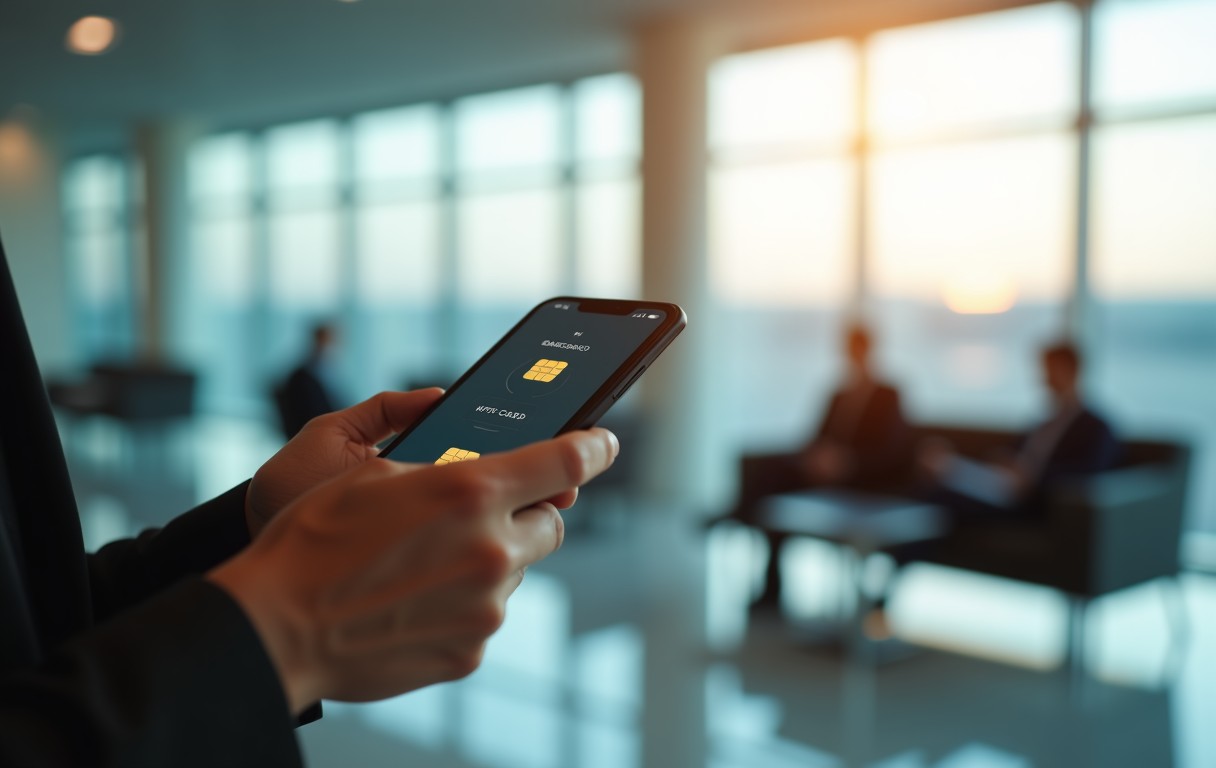
Moreover, eSIMs can enable travelers to use secure local networks without compromising their data. By connecting to trusted local carriers, users can avoid potential risks associated with public Wi-Fi networks, which are often less secure. This feature is particularly important in airports, where many travelers may be tempted to connect to free Wi-Fi, exposing themselves to cyber threats.
Future of eSIM in Airports
The future of eSIM technology in airports looks promising. As more airlines and airports adopt eSIM capabilities, travelers can expect enhanced services and connectivity options. This evolution could include partnerships between airlines and local carriers, offering bundled services that combine flight and data packages. Such innovations could simplify travel planning and provide more value to consumers.
Additionally, as travelers become more reliant on mobile technology, airports will likely invest in infrastructure to support eSIM technology. This investment could manifest in improved network coverage, more eSIM kiosks, and broader availability of local data plans. With these advancements, eSIM technology will continue to transform how travelers connect and communicate during their journeys.
Conclusion
In summary, eSIM technology significantly enhances airport connectivity by providing travelers with immediate, reliable, and cost-effective mobile data solutions. It streamlines the travel experience, improves security, and offers flexibility that traditional SIM cards cannot match. As this technology gains traction, travelers can look forward to a future where staying connected while flying is easier and more efficient than ever before.

I’m a lifelong traveler who fell in love with the freedom that eSIM technology offers. Exploring new places while staying seamlessly connected has become my personal mission, and I love sharing practical tips on managing mobile data abroad. When I’m not testing the latest eSIM platforms, I’m mapping out the next adventure.